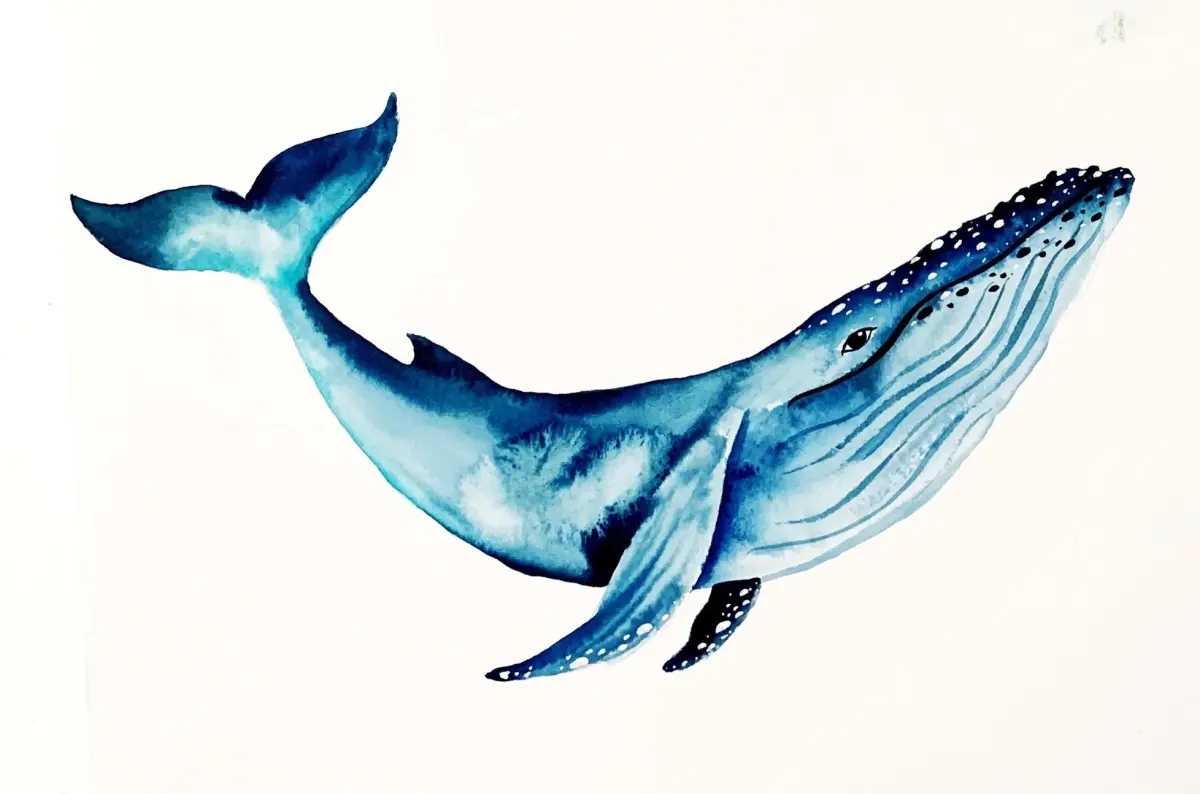
What is a group of whales called?
Short answer
A group of whales is most commonly called a pod. While this term applies to most smaller cetaceans, larger whales or those traveling in loose associations may be referred to as a gam, a school, or a herd. These collective nouns describe social structures that vary significantly between different whale species.
On this page
What is the correct term for a group of whales?
The most widely accepted term for a group of whales is a pod. This word is typically used for stable, long-term social units, such as those seen in orcas, which are technically members of the dolphin family. When referring to larger baleen whales, such as humpbacks or blue whales, researchers often use the term gam. A gam specifically refers to a social meeting of whales or a group of whales traveling together in open water.
While these terms are standard in marine biology, they are often used interchangeably in casual conversation. You may also hear groups described as a school or a herd, though these terms are less precise. A school implies a level of synchronized movement often seen in fish, while a herd suggests a large, grazing gathering. Regardless of the terminology, these groups serve critical functions for protection, communication, and cooperative hunting strategies that ensure the survival of the species.
How do whale pods function in the wild?
Whale pods are sophisticated social structures that often rely on matrilineal lines, particularly in orca populations. In these groups, the oldest female, or matriarch, leads the pod and passes down vital knowledge, such as migration routes and specialized hunting techniques. This social learning is essential for the survival of younger whales, as it allows them to adapt to changing environmental conditions and food availability.
Social dynamics within these groups are maintained through complex vocalizations. Whales use clicks, whistles, and pulsed calls to stay in contact with one another over vast distances. These acoustic signals are unique to specific pods, functioning almost like a regional dialect. By maintaining these social bonds, whales can coordinate complex behaviors, such as bubble-net feeding, where a group works together to trap schools of fish.
- Matriarchal leadership: Older females guide the group's movements and social cohesion.
- Acoustic communication: Unique vocalizations help members identify their specific pod.
- Cooperative hunting: Group efforts allow whales to capture prey that would be difficult to catch alone.
- Social protection: Pod members defend calves from predators like sharks or other aggressive whales.
Why do whales travel in groups?
Whales form groups primarily to increase their chances of survival. For many species, traveling in a pod provides safety in numbers, making it harder for predators to target individual whales. This is especially important for calves, which are vulnerable during their first few years of life. By staying within the pod, the young are shielded by the collective vigilance of the adults.
Beyond protection, group living is highly efficient for foraging. Many whale species utilize cooperative strategies to maximize their caloric intake. For example, humpback whales often work in teams to create bubble curtains that concentrate krill or small fish, allowing every member of the group to feed effectively. This social cooperation reduces the amount of energy an individual must expend to locate and capture food, which is crucial for long-distance migrations.
- Locate a patch of prey using sonar or visual cues.
- Coordinate positions to surround the prey from below.
- Release bubbles or emit sounds to herd the prey into a tight ball.
- Lunge through the center of the mass to feed simultaneously.
Common mistakes when identifying whale groups
A frequent error is assuming that all whale groups are permanent, year-round families. In reality, many whale associations are transient and opportunistic. For instance, humpback whales are largely solitary or form very loose, temporary groups that may only last for a few hours. Calling these temporary gatherings a "pod" can be misleading if one implies a permanent social bond.
Another common mistake is confusing the terminology used for different cetaceans. While dolphins and orcas are often seen in tight-knit pods, larger baleen whales rarely exhibit the same level of social intimacy. Using "pod" for a group of migrating blue whales might sound natural, but experts prefer "gam" or simply "group." Precision in language helps distinguish between species that rely on lifelong social bonds and those that gather only for specific biological events like mating or migration.
- Misidentifying temporary aggregations as permanent social units.
- Using "pod" for species that do not exhibit social bonding.
- Assuming all whales communicate with the same vocal patterns.
- Overlooking the role of gender and age in group composition.
How to observe whale groups safely and responsibly
If you are interested in viewing whales in their natural habitat, it is vital to prioritize the animal's welfare. Always choose reputable whale-watching tours that adhere to local wildlife protection laws. These regulations typically mandate a minimum distance of 100 to 500 yards, depending on the species and the region, to prevent the group from feeling threatened or disrupted.
Avoid behavior that might cause the pod to scatter or change its natural course. Never attempt to swim with wild whales, as their size and unpredictable movements can pose significant risks to humans. Instead, use high-quality binoculars or a camera with a telephoto lens to observe their behavior from a distance. By respecting their space, you ensure that the pod can continue its natural activities, such as feeding or nursing, without human interference. Following these guidelines allows for a rewarding experience that respects the complex lives of these marine mammals.
Key facts
- A group of whales is most commonly referred to as a pod.
- Large gatherings of whales, particularly when they are migrating or feeding, are sometimes called a gam.
- The term school is occasionally used, though it is more scientifically accurate for fish than for marine mammals.
- Social structures vary by species, with orcas (killer whales) maintaining lifelong, tight-knit pods led by a matriarch.
- Baleen whales, such as humpbacks, are generally more solitary and form only temporary, loose associations.
- When observing whales, avoid using the term "herd," as this is traditionally reserved for land-dwelling mammals like cattle or elephants.
The bottom line
While the term "pod" is the most widely accepted and accurate collective noun for a group of whales, the terminology can shift based on the specific species and their social dynamics. Understanding these groupings helps researchers track migration patterns and social behaviors. Whether observing a small, stable family unit or a massive, temporary gathering, these marine mammals demonstrate complex social intelligence in the open ocean.
People also ask
Do all whale species live in groups?
No, whale social behavior varies significantly by species. While orcas and pilot whales are highly social and live in permanent pods, many baleen whales, such as blue whales, are typically solitary or travel in pairs.
What is the difference between a pod and a gam?
A pod refers to a stable, long-term social unit, often consisting of related individuals. A gam is a historical nautical term used to describe a meeting or gathering of two or more groups of whales at sea.
How many whales make up a typical pod?
The size of a pod depends entirely on the species and the environment. Some pods consist of only a few individuals, while others, such as those of certain dolphin or pilot whale species, can number in the hundreds.
Do male and female whales stay in the same pods?
This depends on the species' social structure. In orca societies, both males and females often remain in their natal pods for their entire lives, whereas in other species, males may leave to find mates or form temporary bachelor groups.
Can different species of whales travel together?
Yes, mixed-species groups occur occasionally, particularly when different species are feeding in the same nutrient-rich waters. While they may share the same area, they do not typically form the same tight social bonds found within a single-species pod.
Why do whales gather in large groups?
Whales often gather to facilitate cooperative hunting, such as bubble-net feeding in humpback whales. Large groups also provide protection from predators and increase the chances of finding suitable mates during breeding seasons.
This answer was created with the help of AI research tools and reference sources. Spotted an error? Let us know — we correct mistakes quickly. See our editorial policy.