How do you draw a cute whale?
Short answer
Drawing a cute whale requires focusing on rounded, soft shapes rather than realistic anatomy. By sketching a large oval body, adding a small tail, and placing wide-set eyes, you create an approachable character. Emphasize simplicity by using smooth curves and minimal details, which helps maintain the charming, friendly aesthetic of the illustration.
On this page
How to sketch the basic shape of a whale
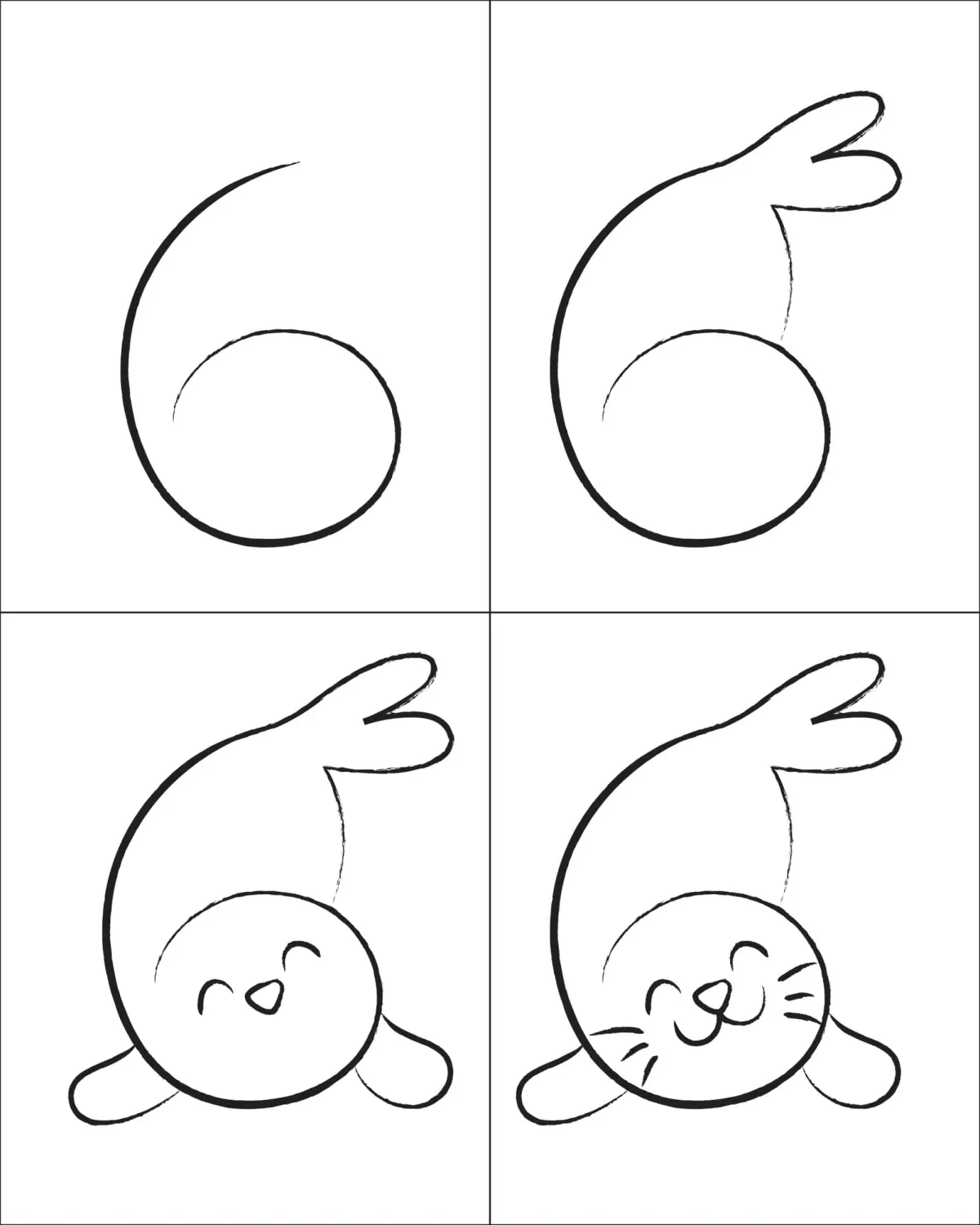
The foundation of a cute whale is a teardrop or oval shape. Start by drawing a large, horizontal oval that is slightly wider on the left side to represent the head. This rounded silhouette immediately signals to the viewer that the subject is friendly and soft, rather than a realistic, sleek predator. You can experiment with the proportions by making the head section larger than the tail section to emphasize a "chibi" or cartoonish style.
Once the body is established, you should refine the outline to include a gentle curve for the belly. A flat belly makes the whale look grounded, while a curved one adds a sense of buoyancy. Keep your pencil lines light during this stage so you can easily erase or adjust the shape before finalizing the contour. Remember that simplicity is key; avoid sharp angles or jagged lines, as these disrupt the cute, approachable aesthetic you are aiming for.
Best drawing tools for beginners
For those just starting, a standard HB graphite pencil is the most versatile tool for creating both light construction lines and darker final outlines. Graphite allows for easy corrections, which is essential when you are still learning to balance the proportions of your character. Pair your pencil with a high-quality white vinyl eraser, which will remove mistakes without smudging the paper or leaving behind abrasive residue that can ruin your drawing surface.
If you want to move beyond pencils, consider using fine-liner pens or markers. These tools are excellent for creating bold, clean outlines that make your whale pop on the page. When selecting markers, look for alcohol-based options if you plan to blend colors, or water-based felt tips for simple, flat coloring. Here are the essential tools to get started:
- HB or 2B graphite pencils for initial sketching.
- A soft, white vinyl eraser for clean corrections.
- Fine-liner pens (0.3mm to 0.5mm) for permanent outlines.
- Smooth, heavyweight drawing paper to prevent ink bleeding.
How to add cute facial features
The "cuteness" of a character is largely determined by the placement and size of its eyes. To achieve this, draw two large, circular eyes positioned relatively low on the head and spaced widely apart. Adding a small, simple smile just below the eyes reinforces the friendly expression. You can even add tiny highlights inside the pupils—small white circles—to give the whale a lively, sparkling look that makes the character feel more engaging and awake.
Beyond the eyes and mouth, consider adding subtle details that enhance the personality of your whale. A small, rounded spray of water coming from a blowhole on top of the head adds a dynamic element to the drawing. You might also include a tiny blush mark under each eye using a light pink pencil or marker. These small additions provide a sense of warmth and character, transforming a simple shape into an expressive, memorable cartoon friend.
Why proportions matter in character design
Proportion is the most critical factor in character design, especially when aiming for a "cute" result. In art, the "baby schema" theory suggests that humans are biologically programmed to find features like large eyes, round heads, and small bodies endearing. By exaggerating these traits in your whale, you tap into these psychological triggers. If the head is too small or the eyes are too narrow, the whale will look more like a realistic animal rather than a cute, approachable character.
When drawing the tail and fins, keep them small and rounded to match the body. If the fins are too long or pointed, they may look like wings or sharp blades, which distracts from the soft, cuddly appearance. Use these steps to maintain proper balance:
- Sketch the main body as a large, soft oval.
- Place the eyes in the lower third of the head area.
- Keep the tail fins (flukes) rounded and proportional to the body size.
- Use smooth, continuous lines to connect the fins to the main body.
Common mistakes when drawing whales
One of the most frequent errors is drawing the whale with too much detail. Adding realistic skin texture, barnacles, or complex shading can make the drawing look cluttered and lose its charm. Keep the design minimalist; a few clean lines are always more effective than a messy, overly detailed sketch. Another mistake is drawing the eyes too close together, which can make the character look stern or confused rather than happy and innocent.
Finally, avoid using overly dark or harsh outlines if you want to maintain a soft look. If you are using ink, try varying the thickness of your lines to give the drawing depth. Thicker lines on the bottom of the belly can suggest weight, while thinner lines on top keep the character looking light and airy. By avoiding these common pitfalls and focusing on clean, rounded shapes, you will consistently produce adorable whale illustrations that feel professional and polished.
Key facts
- Start by drawing a large, soft oval shape to serve as the whale’s main body.
- Keep the lines rounded and smooth to maintain a "cute" or cartoonish aesthetic.
- Place the eye near the front of the oval, making it large and circular for a friendly appearance.
- Add a small, curved line near the mouth to suggest a gentle, happy smile.
- Draw two triangular fins on the sides and a wide, heart-like tail at the back.
- Use a light blue or gray color palette to keep the whale looking soft and approachable.
The bottom line
Drawing a cute whale is an exercise in simplifying complex biology into friendly, rounded shapes. By prioritizing large eyes, smooth curves, and a cheerful expression, you can create a charming character with minimal effort. Remember to sketch lightly with a pencil before finalizing your lines. With practice, you will master the balance between basic geometry and whimsical design, resulting in a delightful and professional-looking illustration.
People also ask
What is the best pen type for drawing cartoons?
Fine-liner pens or felt-tip markers are ideal for creating clean, consistent outlines. These tools allow for smooth curves and prevent the ink from bleeding into the paper fibers.
How do I make the whale look like it is underwater?
Add small bubbles rising from the whale’s blowhole or around its fins. Using light blue shading in the background helps create the illusion of a watery environment.
Why does my drawing look stiff?
Stiffness often results from using perfectly straight lines instead of gentle curves. Focus on "organic" shapes by avoiding sharp corners and rigid geometric patterns.
Should I use a pencil first?
Using a pencil for a light sketch allows you to refine the proportions before committing to ink. You can easily erase mistakes and adjust the size of the fins or eyes.
How do I draw the blowhole correctly?
Position the blowhole on the top of the head, slightly behind the eyes. A small oval or a crescent shape works best to represent the spout of water.
What are common mistakes when drawing animals?
Beginners often make the eyes too small or place them too far apart. Keeping facial features grouped closer together naturally makes the character look younger and cuter.
This answer was created with the help of AI research tools and reference sources. Spotted an error? Let us know — we correct mistakes quickly. See our editorial policy.