Science & Nature
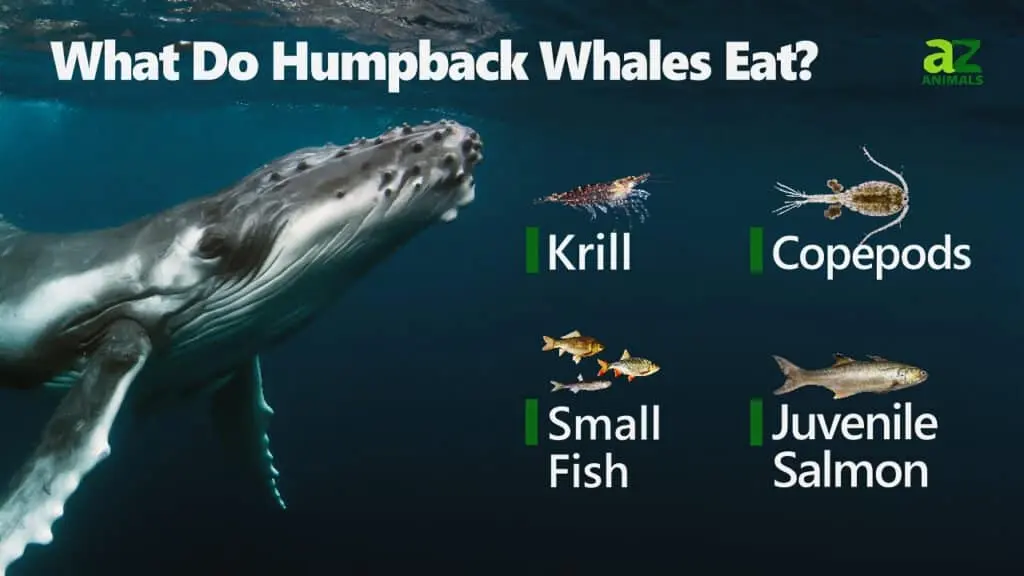
What do humpback whales eat?
Humpback whales are opportunistic carnivores that primarily consume small schooling fish and tiny crustaceans known as krill…
Questions and answers about whale.
Humpback whales are opportunistic carnivores that primarily consume small schooling fish and tiny crustaceans known as krill…
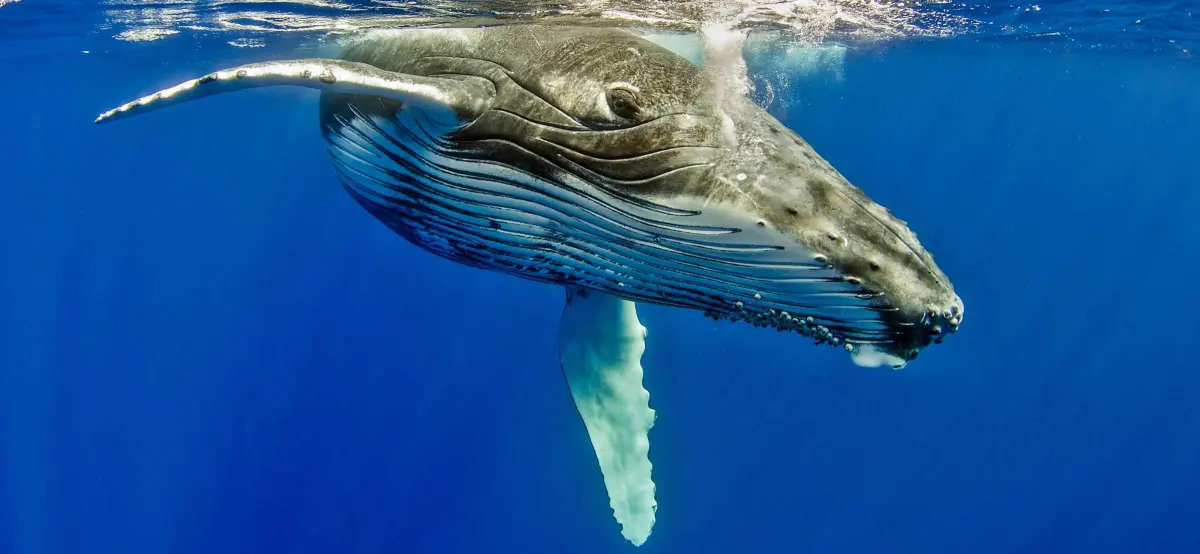
Humpback whales typically live between 45 and 50 years in the wild. While some individuals may reach 80 or 90 years of age…
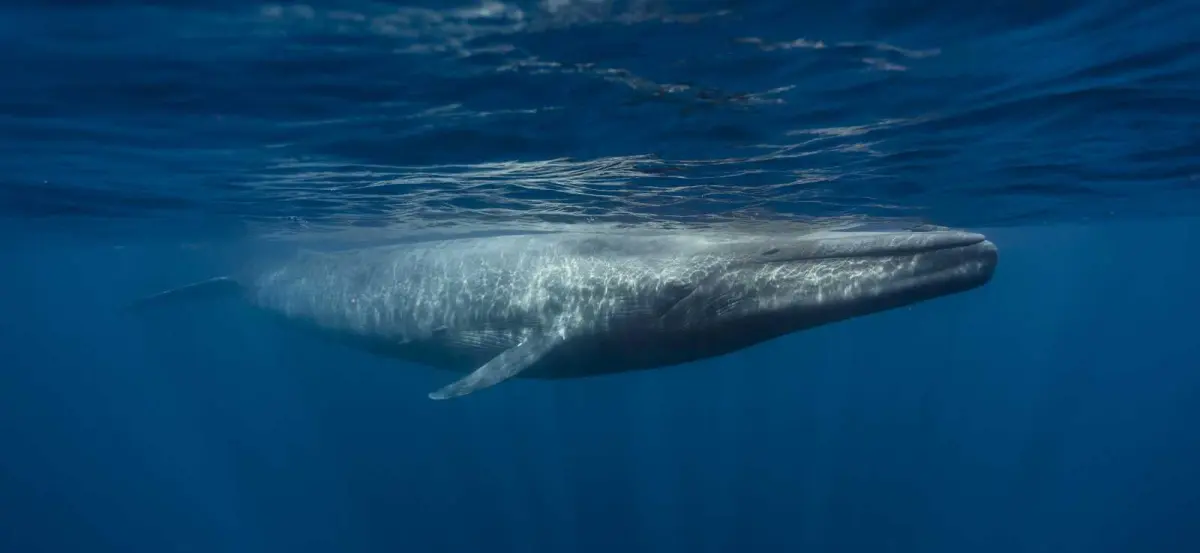
Blue whales inhabit every ocean on Earth except the Arctic. These massive mammals are migratory, typically spending summers in…
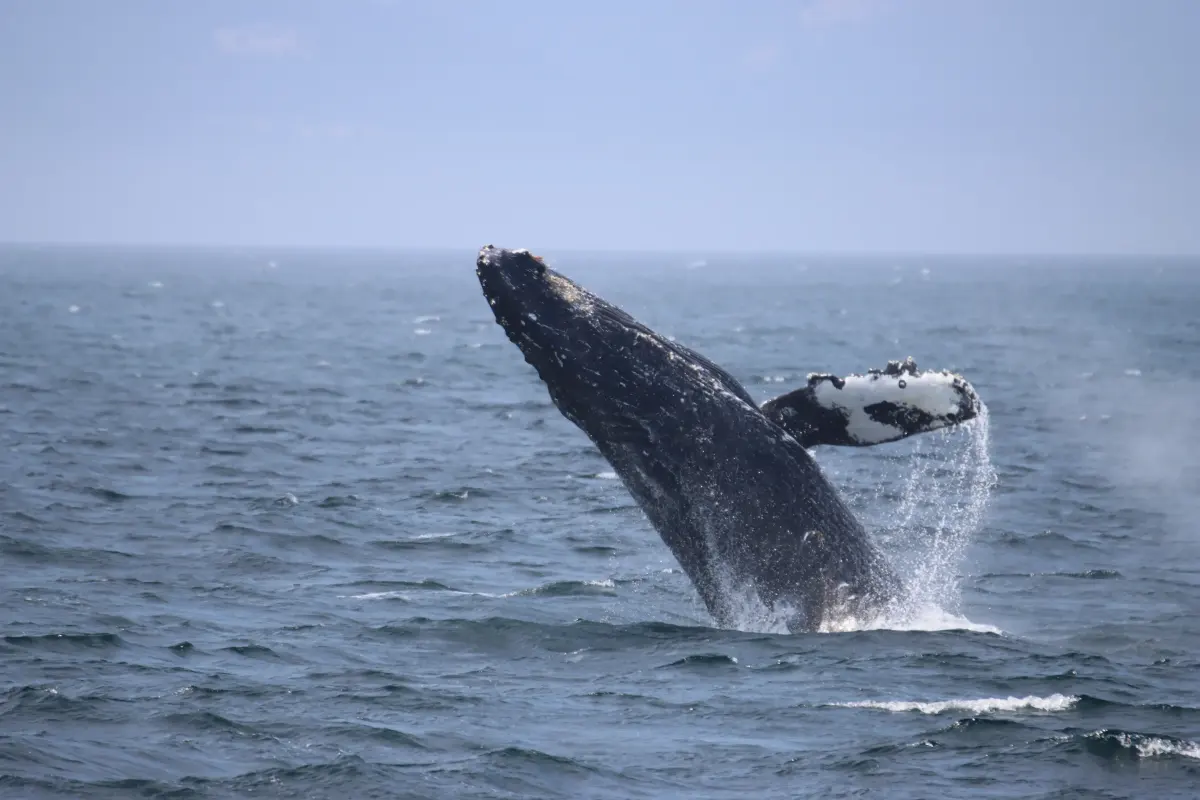
You can view whales near Vancouver by departing on boat tours from Granville Island, Coal Harbour, or Steveston Village. These…
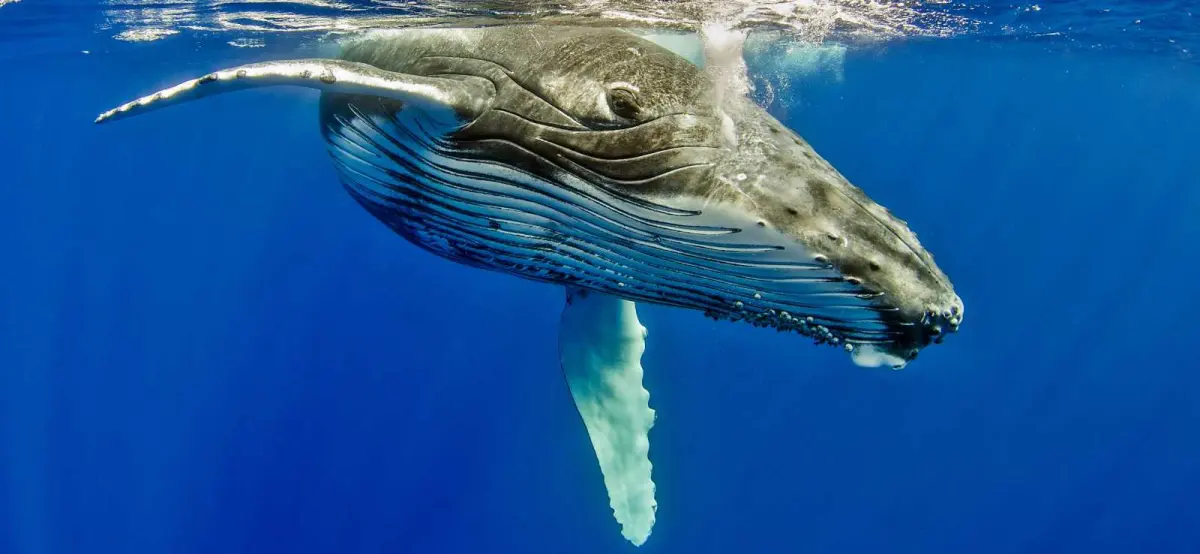
Humpback whales are currently classified as "Least Concern" by the International Union for Conservation of Nature (IUCN). While…
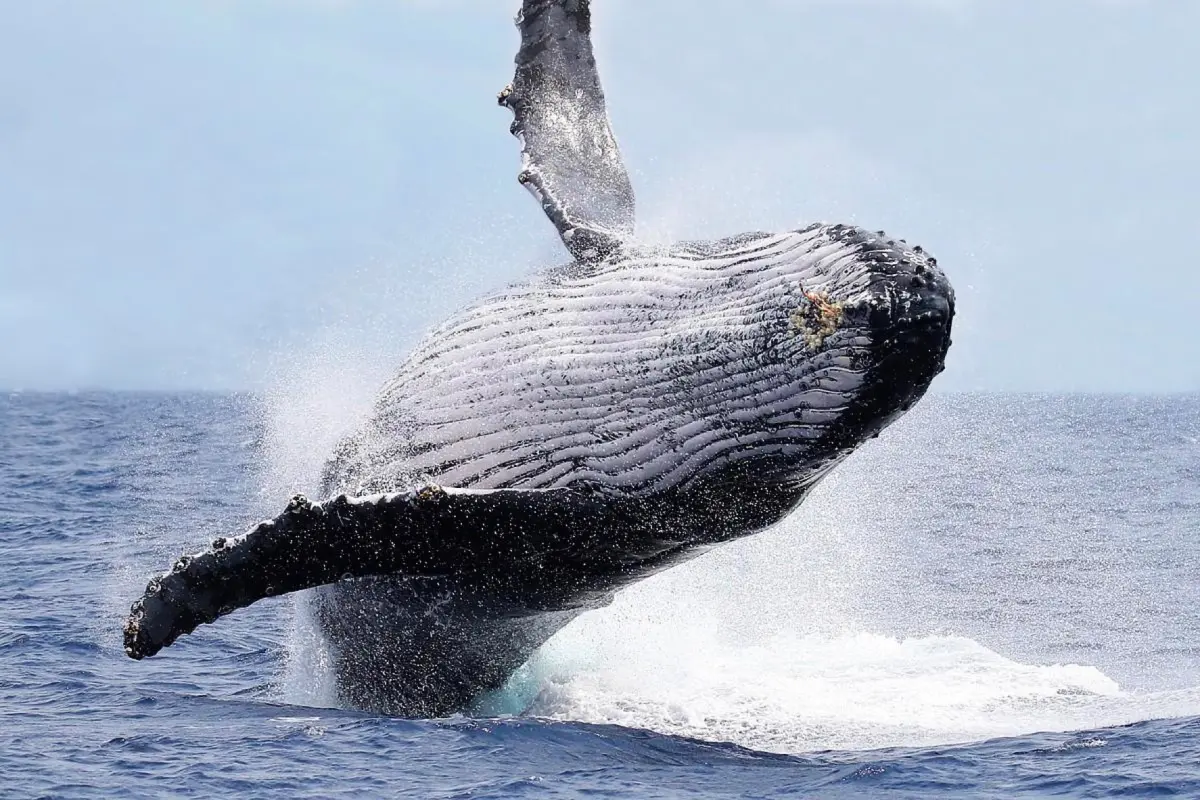
Adult humpback whales typically reach lengths of 40 to 50 feet (12 to 15 meters). Females are generally larger than males, often…
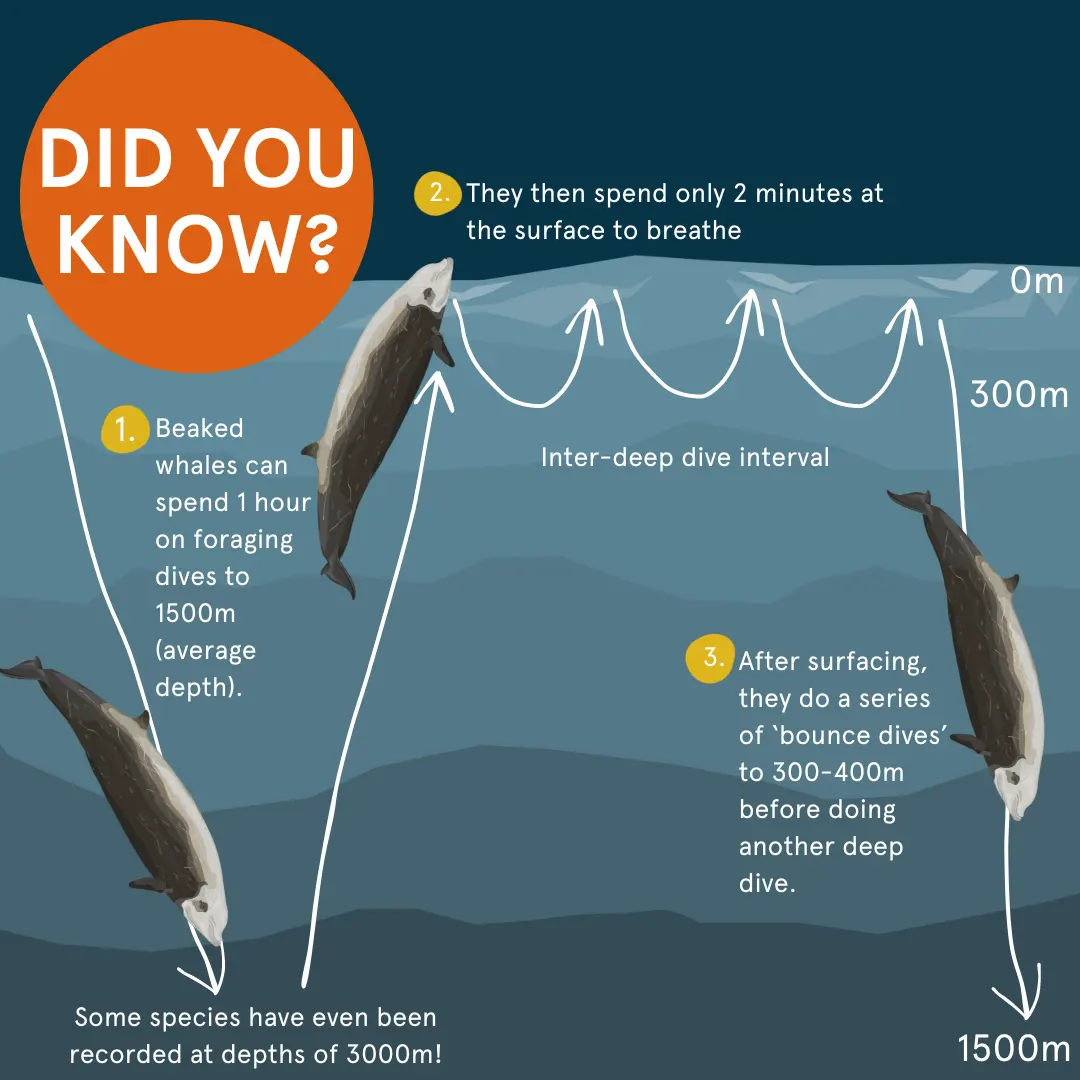
Whales exhibit a wide range of diving capabilities depending on their species. While smaller whales and dolphins typically stay…
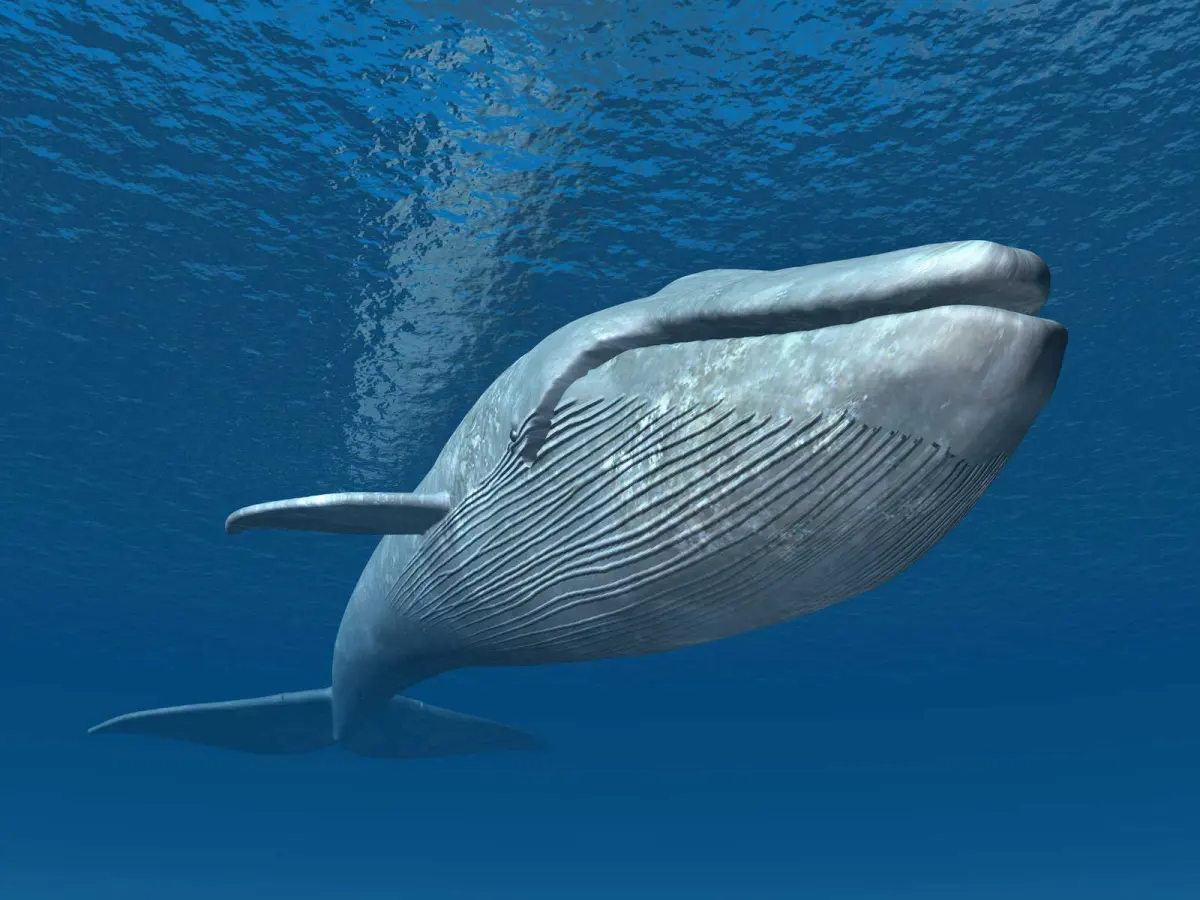
Blue whales typically live between 80 and 90 years in the wild. Scientists determine these ages by counting the growth layers…
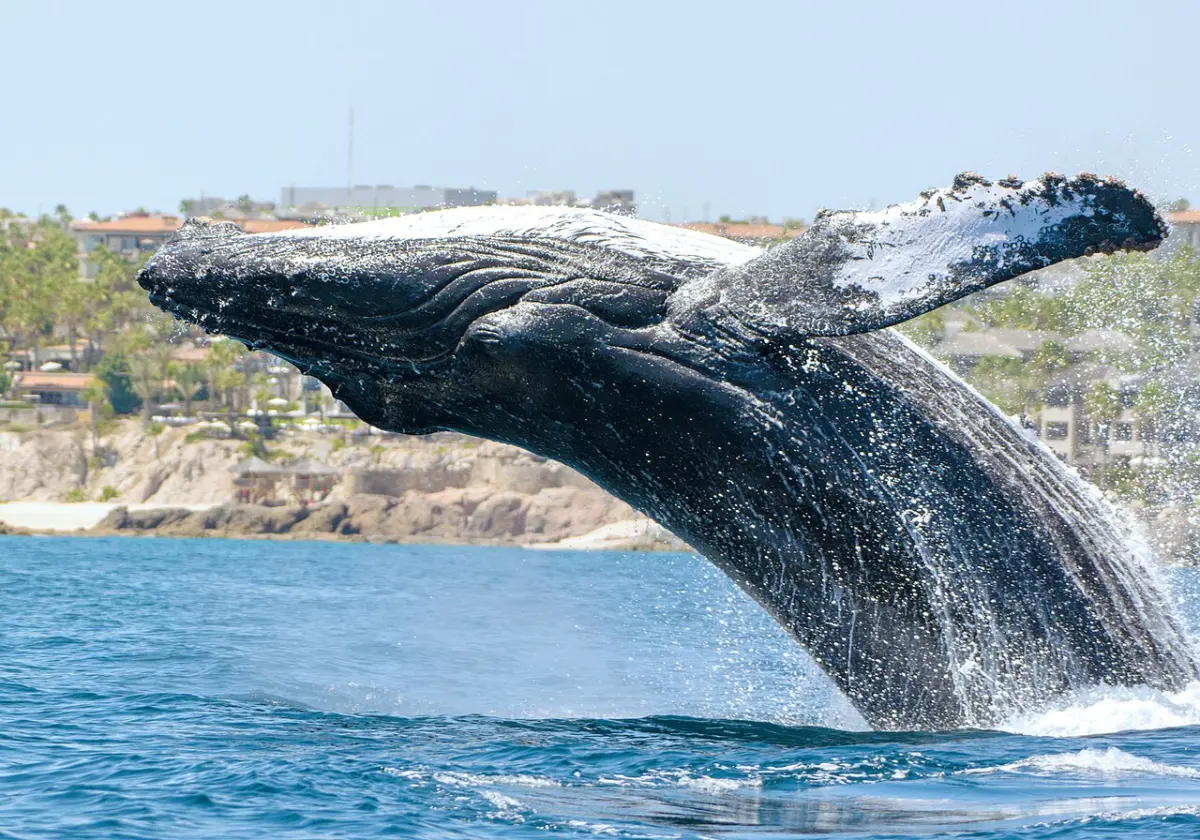
Humpback whales inhabit all major oceans across the globe, from tropical breeding grounds near the equator to nutrient-rich…
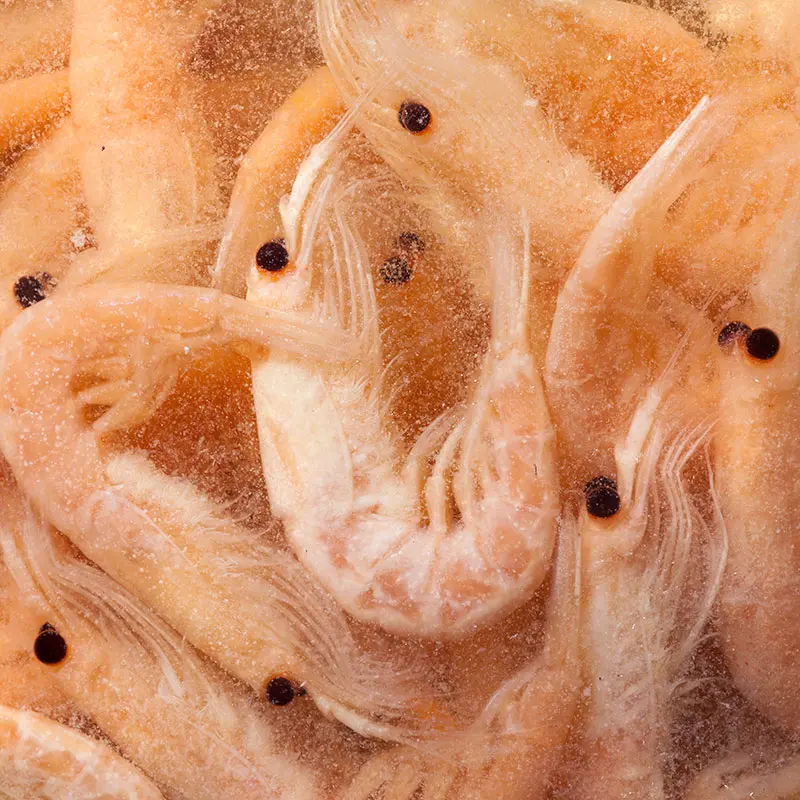
Blue whales eat almost exclusively small, shrimp-like crustaceans called krill. Despite their massive size, these marine mammals…
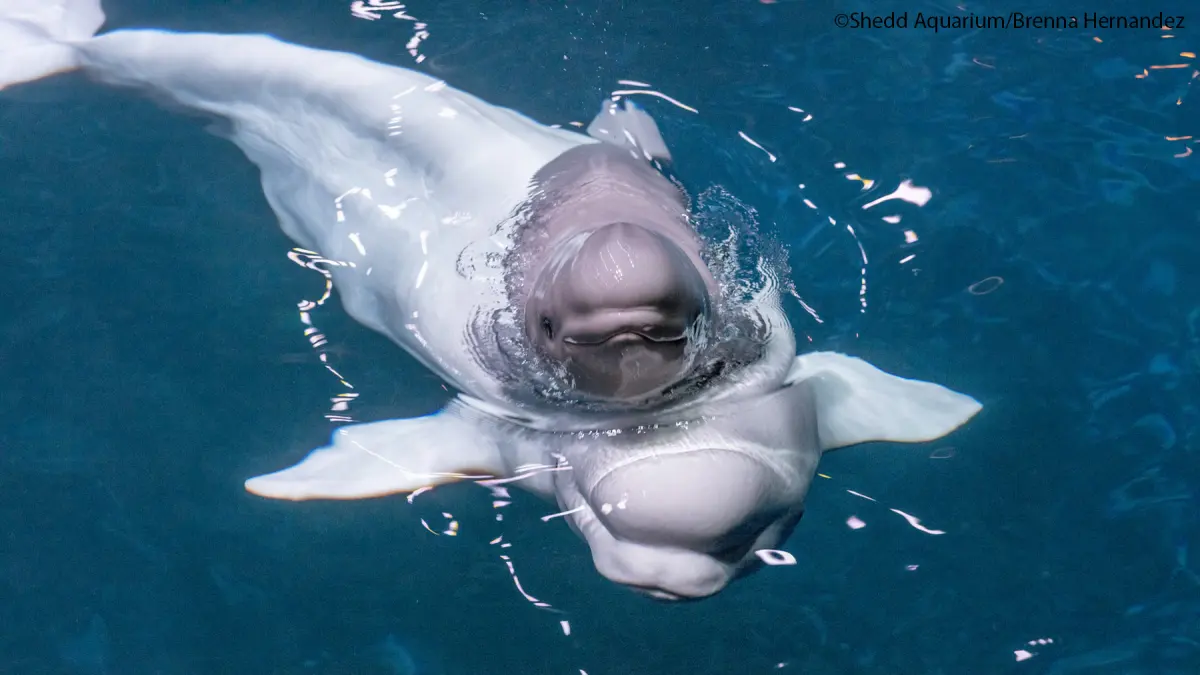
Whales almost always give birth to a single calf at a time. Twins are extremely rare and often do not survive in the wild…
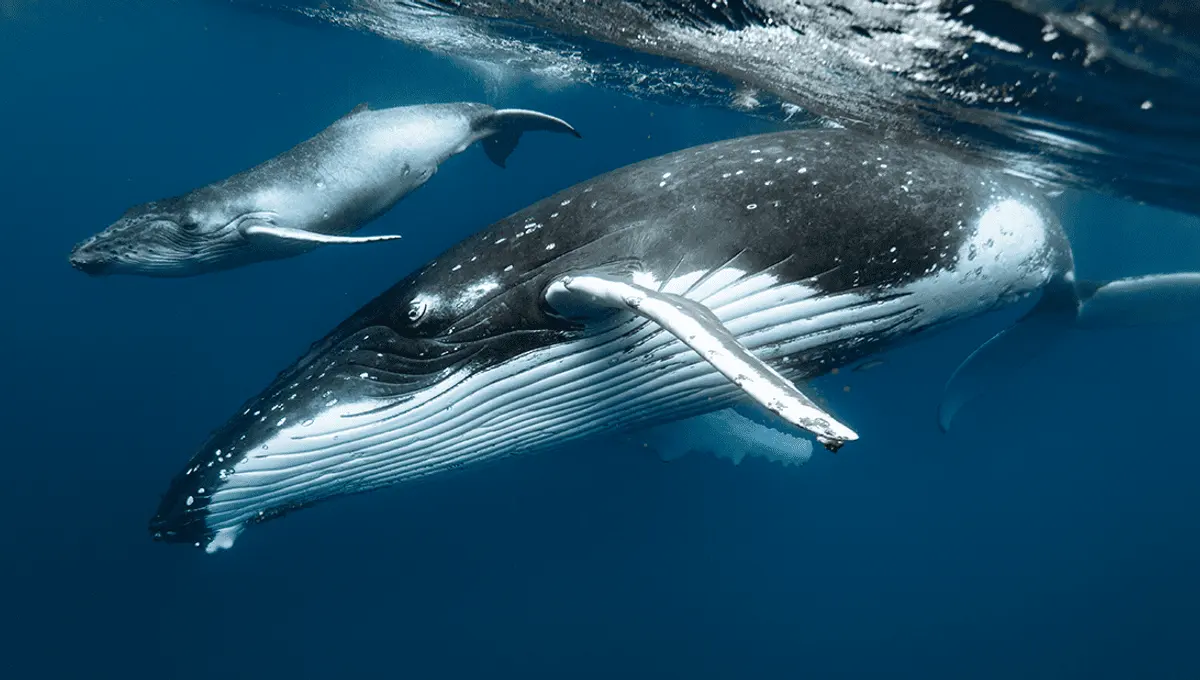
A baby whale is called a calf. This term applies to the young of all whale species, including massive baleen whales like the…
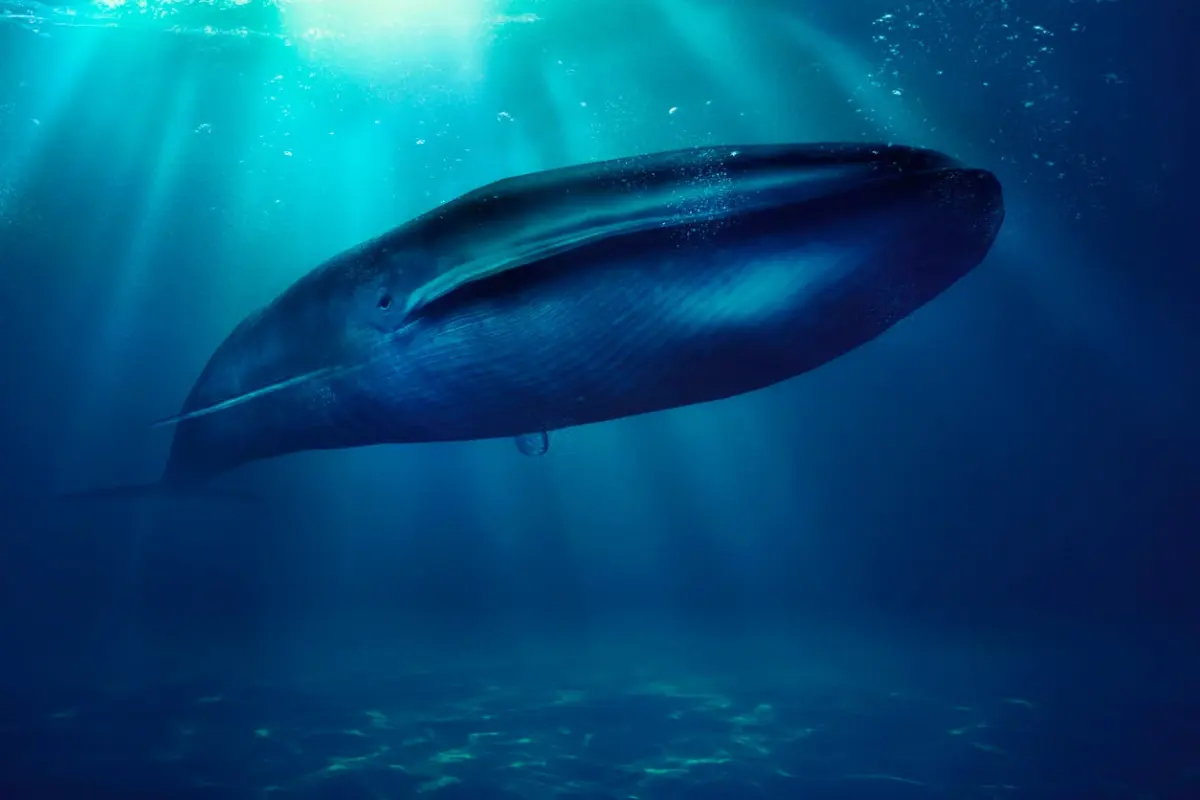
Blue whales are officially classified as endangered. While their populations have shown signs of recovery since the global ban…
Whales sleep through a process called unihemispheric slow-wave sleep, where they shut down only one half of their brain at a…
A group of whales is most commonly called a pod. While this term applies to most smaller cetaceans, larger whales or those…
Drawing a cute whale requires focusing on rounded, soft shapes rather than realistic anatomy. By sketching a large oval body…
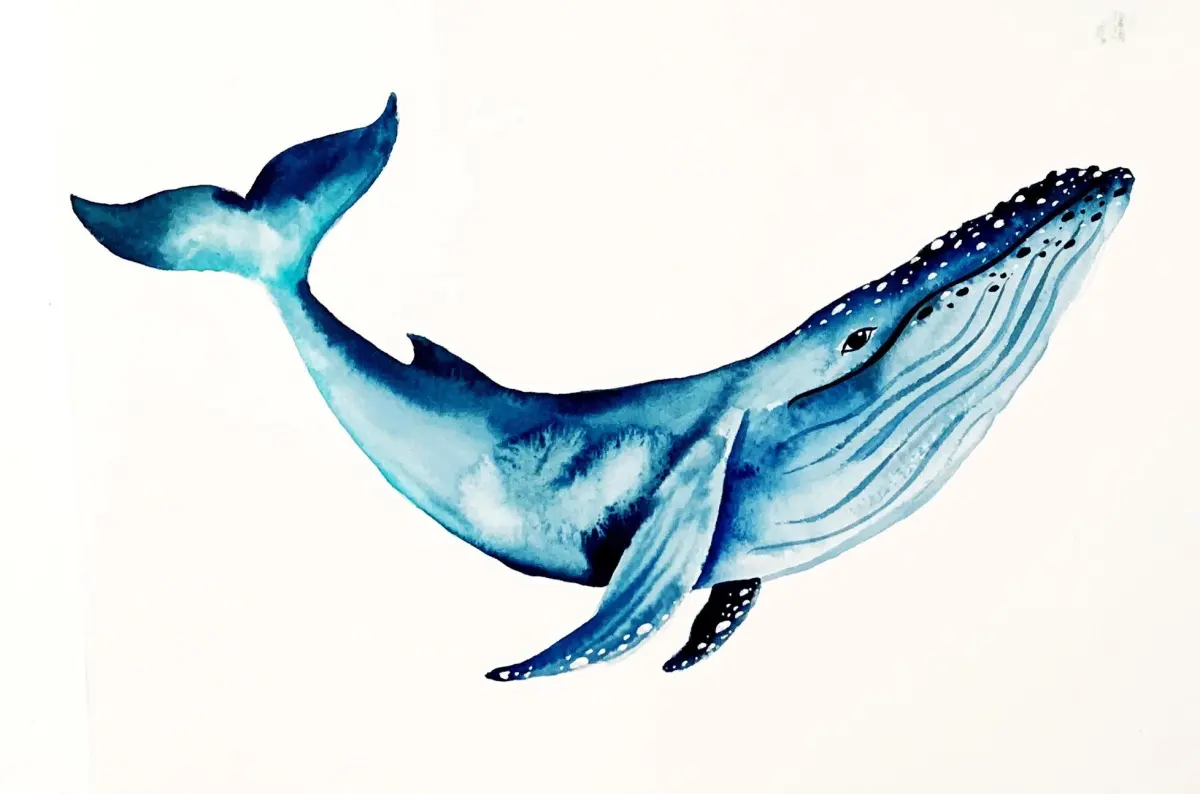
Painting a whale in watercolor requires layering washes to capture the animal's massive, fluid form. Begin by sketching the…
Drawing a whale involves capturing its massive, streamlined silhouette through basic geometric shapes. Start by sketching a…