How long do blue whales live?
Short answer
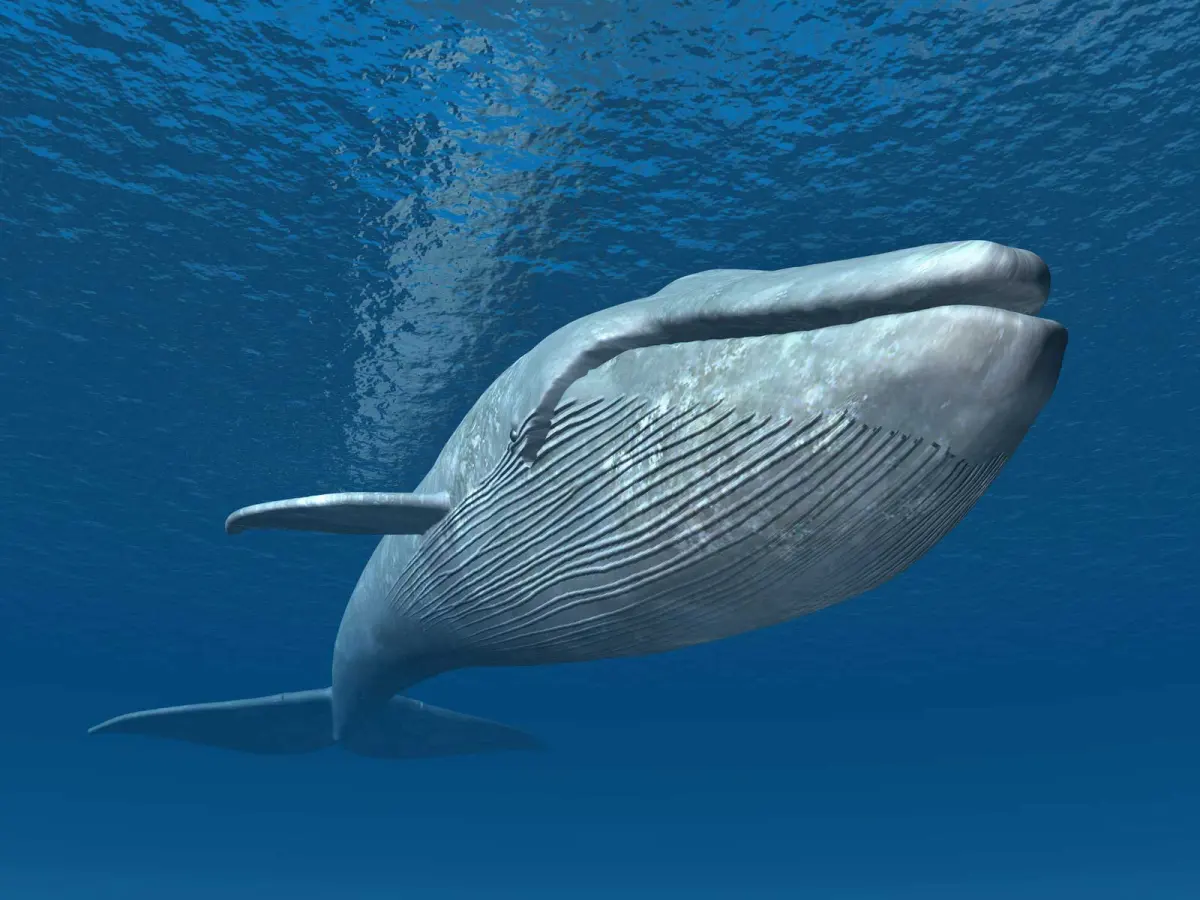
Blue whales typically live between 80 and 90 years in the wild. Scientists determine these ages by counting the growth layers within the waxy earplugs of deceased whales, similar to counting rings on a tree. While some individuals may reach 100 years, environmental stressors and historical whaling impacts influence overall longevity.
On this page
How do scientists determine the age of a blue whale?
Determining the exact age of a massive marine mammal is a complex scientific process. Because blue whales do not have teeth, researchers cannot use traditional dental aging methods. Instead, they analyze the earplugs, which are dense, waxy structures located in the whale's ear canal. These plugs accumulate layers of keratin and fats throughout the animal's life, creating distinct patterns that correspond to seasonal changes and physiological growth.
By sectioning these earplugs and using high-resolution imaging, biologists can count the light and dark bands. Each pair of bands generally represents one year of life. This method has provided researchers with a reliable timeline for understanding the life history of these giants. It has also helped scientists reconstruct the population demographics of blue whale groups that were heavily impacted by commercial whaling activities during the 20th century.
Why does the lifespan of a blue whale vary?
While the average lifespan is estimated between 80 and 90 years, external factors play a significant role in individual longevity. Environmental health, food availability, and the presence of predators like orcas can affect how long a whale survives. Furthermore, the recovery of populations from the whaling era has created a demographic shift, as older whales that survived the intensive hunting periods are now rarer in some regions.
Several factors contribute to the variations in lifespan among these marine mammals:
- Exposure to environmental toxins and microplastics in the ocean.
- Frequency of entanglement in commercial fishing gear or ship strikes.
- The availability of krill, which is the primary food source for blue whales.
- Reproductive success rates, which can be influenced by climate-driven changes in ocean temperatures.
These variables mean that while a blue whale has the biological potential to reach a century, the reality of the modern ocean environment often presents significant challenges to achieving that maximum age.
How do blue whales survive for decades in the ocean?
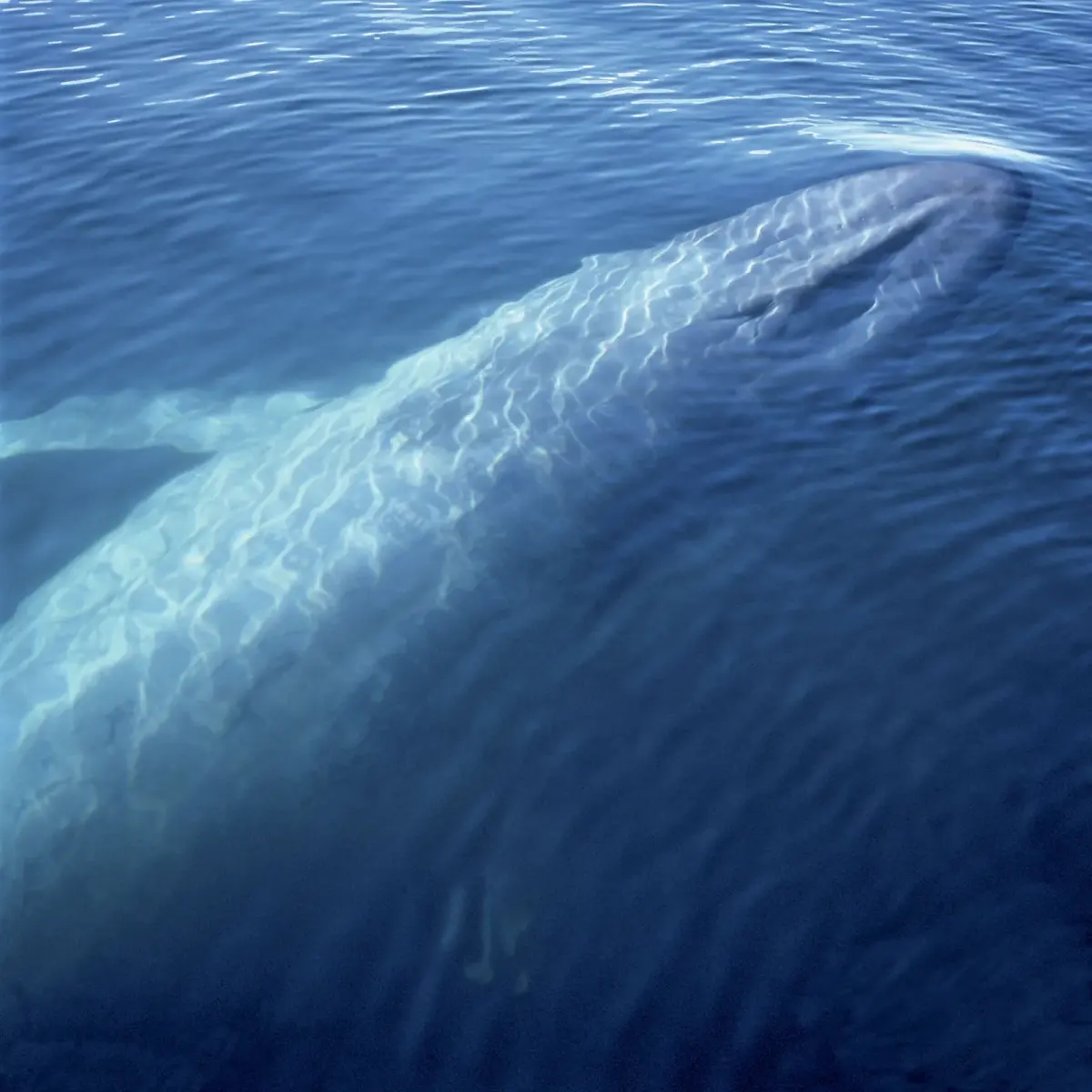
Blue whales possess unique physiological adaptations that allow them to thrive in harsh, deep-sea environments for nearly a century. Their massive size provides a natural defense against most predators, and their slow metabolism helps them conserve energy during long migrations between feeding and breeding grounds. By efficiently storing fat in their blubber, they can survive periods of low food availability, which is essential for maintaining health over many decades.
The social structure and migratory patterns of these whales also contribute to their survival. They often travel thousands of miles to reach nutrient-rich polar waters, ensuring they have the caloric intake necessary for growth and maintenance. Because they have few natural threats once they reach adulthood, their survival is largely dictated by their ability to navigate the vast, changing oceans and maintain their massive body mass through consistent feeding.
Common mistakes when estimating whale ages
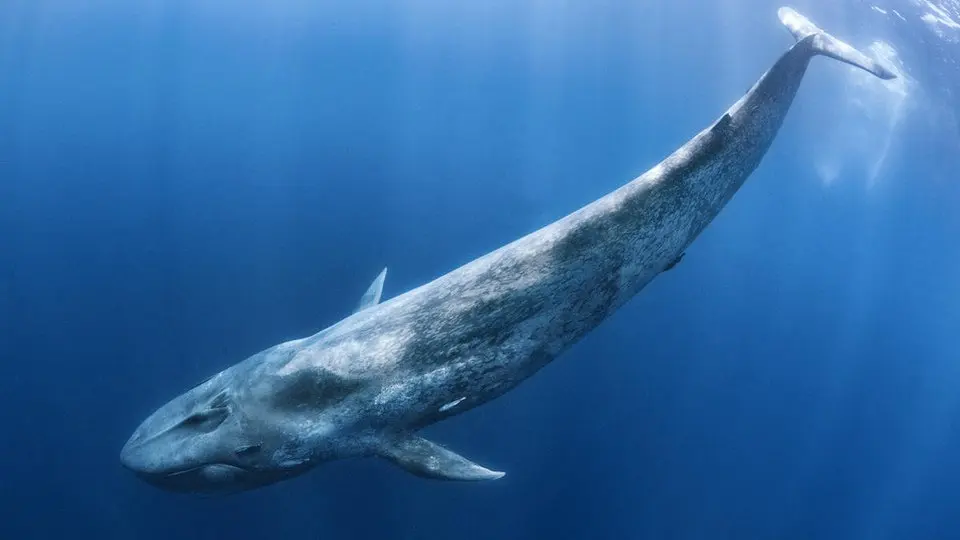
One common error in public perception is assuming that all whales of a certain size are the same age. Size is not a direct indicator of age, as growth rates can vary based on nutrition and health. Another mistake is relying on visual observations of skin condition or barnacle coverage to guess age; these features are often more indicative of current health or travel history rather than the actual number of years an individual has lived.
To avoid inaccuracies when learning about whale longevity, keep these points in mind:
- Distinguish between biological potential and average life expectancy in a changing climate.
- Avoid using body length as a definitive proxy for age, as it only reflects growth stages.
- Understand that historical data from the whaling era may skew current averages.
- Recognize that earplug analysis is the only scientifically validated method for aging.
By avoiding these misconceptions, you can better appreciate the complex biology that allows these animals to live for such an extended period.
What is the future of blue whale longevity?
The future of blue whale longevity remains tied to global conservation efforts. As human activity continues to impact marine ecosystems, the ability of these whales to reach their full lifespan depends on the reduction of ocean noise, the prevention of ship collisions, and the protection of critical krill habitats. If these stressors are managed effectively, it is likely that the average lifespan of the species will remain stable or even increase as populations recover from historical declines.
Protecting these animals requires a long-term commitment to ocean health. Scientists continue to monitor populations using acoustic tracking and satellite tagging to better understand their movements and health status. By studying the long-term survival of individuals, researchers hope to gain insights that will help ensure these magnificent creatures continue to inhabit the world's oceans for many generations to come. Through careful observation and global cooperation, we can help protect the longevity of the largest animals to have ever lived on Earth.
Key facts
- Blue whales have an average lifespan of 80 to 90 years in the wild.
- Scientists determine a whale's age by counting the layers of wax in its earplug, similar to counting tree rings.
- The oldest blue whale ever recorded was estimated to be approximately 110 years old.
- Female blue whales generally live slightly longer than males, though the reason for this remains a subject of ongoing research.
- Environmental factors like climate change and plastic pollution can negatively impact the longevity of these marine mammals.
- Avoid relying on visual estimates of size to determine age, as growth rates vary significantly based on food availability and health.
The bottom line
Blue whales are among the longest-lived mammals on Earth, typically surviving between 80 and 90 years. By analyzing earplug wax layers, scientists have confirmed that some individuals reach over a century in age. While they face modern threats like ship strikes and habitat degradation, these majestic giants continue to play a vital role in ocean ecosystems, demonstrating remarkable resilience throughout their long, solitary lives at sea.
People also ask
How do scientists count the age of a blue whale?
Researchers examine the earplug of a deceased whale, which accumulates layers of wax over time. By counting these alternating light and dark bands, experts can estimate the animal's age with high precision.
Do blue whales have natural predators that shorten their lives?
Aside from humans, the only significant threat to blue whales is the orca, or killer whale. While adult blue whales are rarely killed, packs of orcas may attack calves, which can lead to premature death.
Does the size of a blue whale indicate how old it is?
Size is not a reliable indicator of age once a whale reaches maturity. A whale's physical dimensions are largely determined by its nutritional intake and overall health rather than just the number of years it has lived.
Are blue whales currently endangered?
Yes, blue whales are listed as endangered due to the legacy of commercial whaling. While their populations are slowly recovering, they remain vulnerable to ship strikes and entanglement in fishing gear.
How long is the gestation period for a blue whale?
A blue whale pregnancy lasts between 10 and 12 months. Calves are born at an impressive size, often reaching 23 feet in length and weighing up to 3 tons at birth.
Do blue whales live in pods like other cetaceans?
Blue whales are generally solitary creatures or travel in pairs. Unlike dolphins or orcas, they do not maintain complex, long-term social structures that keep them in large groups for their entire lives.
This answer was created with the help of AI research tools and reference sources. Spotted an error? Let us know — we correct mistakes quickly. See our editorial policy.