What do bumblebees eat?
Short answer
Bumblebees consume nectar and pollen from a wide variety of flowering plants. Nectar provides the essential carbohydrates needed for energy and flight, while pollen serves as a protein-rich food source for developing larvae. These insects are generalist foragers, visiting many different species of flowers throughout their active spring and summer seasons.
On this page
What do bumblebees eat in the wild?
Bumblebees are generalist foragers, meaning they are not restricted to a single type of plant. Their diet consists almost exclusively of nectar and pollen gathered from diverse floral sources. Nectar acts as their primary fuel, offering the sugars required to power their flight muscles and maintain their high metabolic rates. Pollen, by contrast, is the vital source of protein, fats, vitamins, and minerals that the colony needs to rear healthy offspring.
Because they are active from early spring until late autumn, bumblebees rely on a succession of blooming plants. They prioritize flowers that offer high concentrations of nectar or easily accessible pollen. While they visit hundreds of species, they show preferences for plants with tubular shapes or those that produce abundant resources. Their foraging behavior is crucial for pollination, as they move between plants to collect these nutritional requirements, inadvertently fertilizing the flowers in the process.
How to choose the best flowers for bumblebees
Creating a bee-friendly habitat requires selecting plants that provide a continuous food supply throughout the entire season. You should aim for a mixture of early-blooming species for queens waking from hibernation and late-blooming flowers for colonies preparing for winter. Diversity is key, as different bee species may prefer specific floral architectures or bloom times.
When planning your garden, consider incorporating these plant types to ensure a steady food supply:
- Early season: Crocuses, lungwort, and willow catkins provide vital energy for emerging queens.
- Mid-season: Lavender, foxgloves, and snapdragons offer dense nectar and pollen sources for workers.
- Late season: Asters, goldenrod, and sedum are essential for sustaining the colony before the season ends.
- Native species: Always prioritize local wildflowers, as they are often more nutritious and easier for native bumblebees to access than highly bred ornamental varieties.
Why do bumblebees need both nectar and pollen?
The nutritional needs of a bumblebee change depending on its life stage and role within the colony. Adult bees primarily consume nectar to sustain their physical activity. Because flight is an energy-intensive process, they must constantly refuel to maintain their body temperature and navigate between foraging sites. Without a regular intake of carbohydrates, a bumblebee would quickly exhaust its energy reserves.
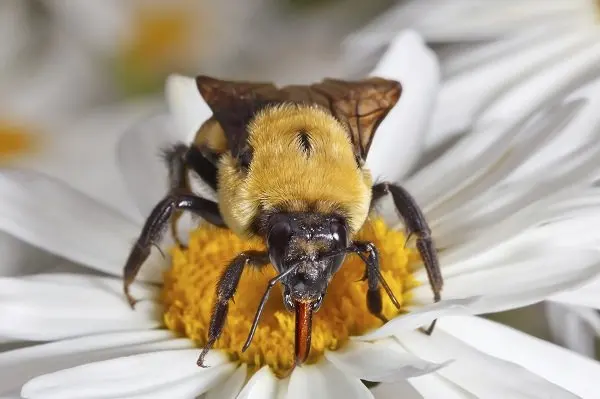
Pollen is fundamentally different, serving as the "building block" for the colony. Foraging workers collect pollen in specialized structures on their hind legs, known as pollen baskets, to bring back to the nest. Inside, this protein-rich substance is mixed with nectar and glandular secretions to create "bee bread." This mixture is the primary food source for developing larvae. Without adequate protein intake, the queen cannot lay as many eggs, and the resulting larvae may fail to develop into healthy, robust adult bees.
Common mistakes when feeding bumblebees
Many well-meaning people attempt to help bumblebees by providing artificial food sources, but this often leads to unintended consequences. One of the most frequent errors is leaving out sugar water or honey in open dishes. This can spread diseases between bees, attract unwanted pests like wasps or ants, and discourage bees from visiting natural flowers where they perform essential pollination services.
If you find a bee that appears exhausted or unable to fly, you can provide temporary assistance by following these steps:
- Mix a small amount of white granulated sugar with water in a ratio of one part sugar to two parts water.
- Place a single drop of this solution on a spoon or near the bee’s head, ensuring it does not get stuck in the liquid.
- Allow the bee a few minutes to drink; do not use honey, as it can contain pathogens that are harmful to bee populations.
- Once the bee has recovered and begins to groom itself, it will typically fly away on its own.
How to support bumblebee health long-term
Supporting bumblebee populations involves more than just providing food; it requires protecting their environment from chemical interference. Pesticides, particularly neonicotinoids, can be devastating to bee health by impairing their ability to navigate, forage, and reproduce. Avoiding the use of synthetic chemicals in your garden is the most effective way to ensure that the nectar and pollen you provide remain safe for consumption.
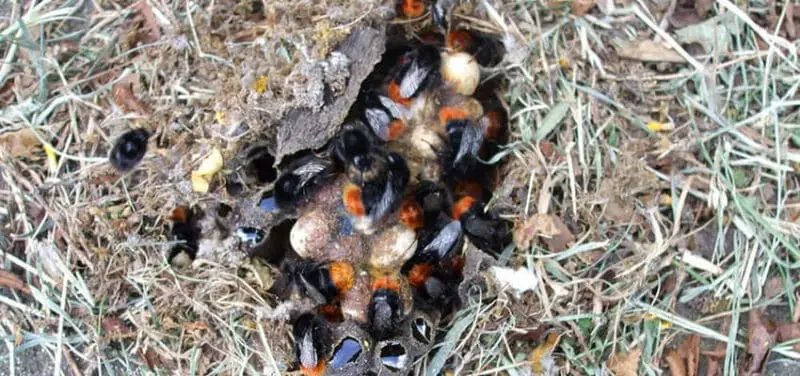
In addition to avoiding chemicals, consider the physical structure of your garden. Bumblebees need safe nesting sites, such as undisturbed patches of soil, old rodent burrows, or piles of brush. By maintaining a natural, slightly "messy" landscape, you provide the necessary shelter where they can rear their young. Combining these habitat features with a diverse, seasonal selection of nectar-rich flowers creates a sustainable environment. This holistic approach ensures that bumblebees have the nutrition and safety required to thrive throughout their entire life cycle, ultimately benefiting the health of your local ecosystem and the broader environment.
Key facts
- Bumblebees primarily consume nectar for energy and pollen for protein to feed their developing larvae.
- A single colony can require hundreds of pounds of nectar and dozens of pounds of pollen throughout a season.
- They are generalist foragers, meaning they visit a wide variety of native wildflowers rather than relying on one species.
- Bumblebees use "buzz pollination" to vibrate their flight muscles, shaking pollen loose from flowers that hold it tightly.
- Avoid using chemical pesticides in your garden, as these can contaminate the nectar and pollen that bees collect.
- Plant a diverse range of flowers that bloom at different times to ensure a steady food supply from early spring to late autumn.
The bottom line
Bumblebees are essential pollinators that sustain themselves on a diet of nectar for fuel and pollen for protein. To support these insects, maintain a garden with diverse, native blooms that provide resources from spring through fall. By avoiding pesticides and offering sugar water only to exhausted individuals, you ensure these vital pollinators remain healthy and productive, ultimately strengthening the local ecosystem and your own garden’s vitality.
People also ask
Do bumblebees eat honey?
Yes, bumblebees produce a small amount of honey from nectar to sustain themselves during periods of bad weather. However, they do not store honey in large quantities like honeybees, so they rely heavily on fresh floral resources.
Can I feed bumblebees sugar water?
If you find an exhausted bumblebee, you can offer a drop of sugar water on a spoon to provide a quick energy boost. Mix two parts white granulated sugar with one part water, but avoid honey, which can carry diseases.
Why do bumblebees prefer certain flowers?
Bumblebees are attracted to flowers with high sugar content in their nectar and those that provide easy access to pollen. They often favor tubular, blue, purple, or yellow flowers that are shaped to accommodate their large, fuzzy bodies.
Do bumblebees eat fruit?
While they are not fruit eaters, bumblebees may occasionally sip juice from damaged or overripe fruit if nectar is scarce. This is an opportunistic behavior rather than a primary food source for the colony.
How do bumblebees find food?
They use a combination of scent and vision to locate floral patches, often traveling up to two miles from their nest. Once they find a good source, they communicate the location to other workers through chemical signals.
Is pollen necessary for adult bumblebees?
Adult bumblebees consume some pollen for nutrients, but it is primarily harvested to feed the growing larvae back at the nest. Without a consistent supply of protein-rich pollen, a queen cannot produce a healthy new generation of workers.
This answer was created with the help of AI research tools and reference sources. Spotted an error? Let us know — we correct mistakes quickly. See our editorial policy.