What do moths eat?
Short answer
Adult moths primarily consume liquids, such as flower nectar, tree sap, and rotting fruit, to obtain essential sugars for energy. Some species, including the Luna moth, lack functional mouthparts and do not eat at all. In contrast, moth larvae, or caterpillars, are voracious herbivores that consume solid plant matter to fuel growth.
On this page
What do adult moths eat?
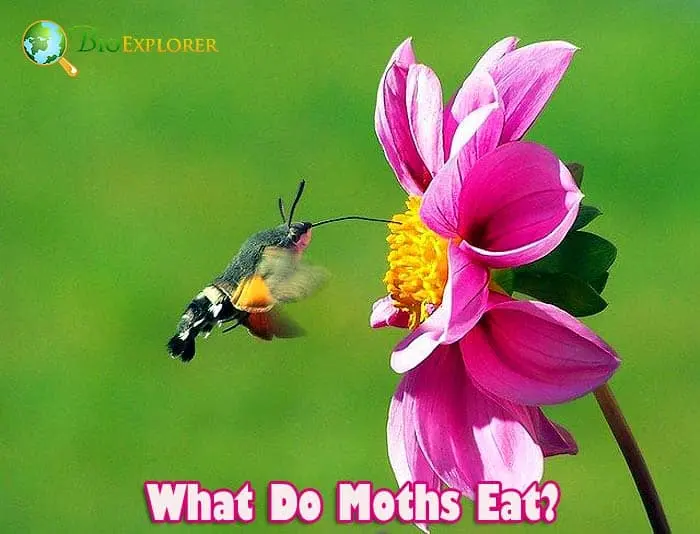
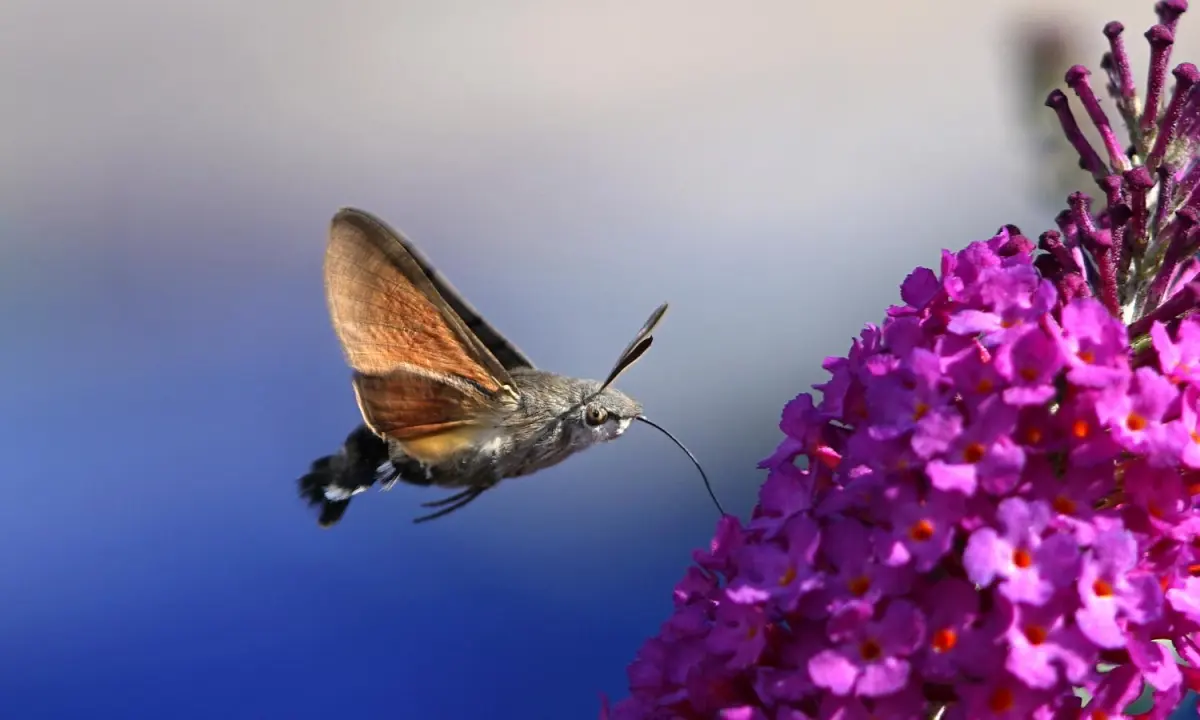
Most adult moths feed on high-energy liquids that provide the fuel necessary for flight and reproduction. Their primary food source is flower nectar, which they access using a long, straw-like appendage called a proboscis. By hovering near blossoms, they reach deep into the petals to extract sugar-rich fluids. This process also makes them vital nocturnal pollinators for many plant species.
Beyond nectar, adult moths are attracted to various other liquid sources that provide essential minerals and salts. These include:
- Fermenting fruit juices that have fallen to the ground.
- Sap oozing from tree wounds or damaged bark.
- Animal dung or urine, which provides necessary sodium.
- Moisture from damp soil or mud puddles.
It is a common misconception that all moths eat throughout their lives. Many species, such as the Cecropia or Luna moth, emerge from their cocoons with vestigial mouthparts. These moths live only for a few days or weeks, relying entirely on the energy reserves they stored while they were caterpillars. Their sole purpose during this final stage is to find a mate and reproduce before they die.
What do moth larvae eat?
The larval stage, commonly known as the caterpillar, is the primary feeding phase of the moth's life cycle. Unlike their parents, caterpillars possess strong mandibles designed for chewing solid plant material. They are often highly specialized, meaning a specific species may only be able to digest the leaves of one particular type of plant. This dietary restriction is why certain moths are found exclusively in specific habitats or gardens.
Caterpillars are incredibly efficient at converting plant biomass into body mass. Their diet typically consists of:
- Fresh leaves of trees, shrubs, and garden flowers.
- Roots and stems of grasses or agricultural crops.
- Seeds, grains, and stored food products in pantries.
- Lichen, fungi, or even decaying organic matter.
Because they grow so rapidly, caterpillars must consume massive amounts of foliage. A single caterpillar can increase its body weight by several thousand times in just a few weeks. This voracious appetite is why some moth larvae are considered agricultural pests, as they can defoliate entire trees or destroy vegetable patches if their populations remain unchecked.
Why do pantry moths eat stored food?
Pantry moths, such as the Indian meal moth, have adapted to thrive in human environments by consuming processed food items. These pests are frequently introduced into homes through contaminated grocery products like flour, cereal, nuts, or dried fruit. Once inside, the larvae feed on these dry goods, which provide a stable and concentrated source of nutrition that allows them to complete their life cycle indoors.
If you suspect an infestation, you should follow these steps to manage the situation:
- Inspect all dry food packages for webbing or small larvae.
- Discard any infested items immediately in an outdoor trash bin.
- Clean pantry shelves thoroughly with vinegar to remove eggs.
- Transfer remaining dry goods into airtight glass or plastic containers.
A common mistake is assuming that only open packages are at risk. Pantry moth larvae are capable of chewing through thin plastic bags and cardboard boxes to reach the food inside. Always prioritize storing bulk grains and pet food in sealed, hard-sided containers to prevent these insects from accessing your supplies.
How to attract moths to your garden?
Creating a moth-friendly environment involves providing both liquid food for adults and host plants for larvae. To support adult moths, plant night-blooming flowers that release fragrance after sunset, such as jasmine, evening primrose, or honeysuckle. These plants provide the nectar necessary for moths to thrive and pollinate your garden effectively.
To encourage a healthy population, you must also provide host plants for the caterpillars. Without these, the moths will not have a place to lay their eggs. Consider incorporating a variety of native plants, as these are the most reliable food sources for local moth species. Avoid using chemical pesticides, as these can kill the larvae and contaminate the nectar sources that adult moths rely on for survival.
Common mistakes when managing moths
One of the most frequent errors people make is attempting to eradicate all moths from their property. While some species are pests, the vast majority are harmless and serve as essential links in the food chain for birds, bats, and other beneficial insects. Before taking action, identify whether the moth is actually causing damage to your home or garden.
Another mistake is relying on outdated methods like mothballs to protect clothing. Mothballs contain toxic chemicals that can be harmful to humans and pets if inhaled. Instead, use preventative measures to protect your wool or silk items:
- Clean all clothing thoroughly before storing it for the season.
- Use cedar chests or lavender sachets as natural deterrents.
- Store garments in vacuum-sealed bags to prevent access.
- Regularly shake out and inspect stored textiles during the summer.
By understanding the specific dietary needs of moths, you can better coexist with them. Whether you are trying to protect your pantry or foster a diverse garden ecosystem, focusing on habitat management is far more effective than relying on harsh chemical interventions. Proper storage and natural planting choices will keep your home and garden healthy for years to come.
Key facts
- Adult moths do not have chewing mouthparts; most species feed exclusively on liquids like flower nectar, tree sap, or rotting fruit.
- The infamous "clothes moth" does not eat fabric as an adult; only the larvae consume keratin found in wool, silk, and fur.
- Some adult moth species, such as the Luna moth, lack a digestive system entirely and live for only about one week.
- Moths are essential pollinators for many night-blooming plants that rely on their long, straw-like proboscis to reach deep nectar stores.
- To prevent moth damage in your closet, store woolens in airtight plastic bins rather than cardboard boxes, which larvae can easily penetrate.
- Cedar wood and lavender sachets act as mild repellents, but they will not kill an existing infestation of moth larvae.
The bottom line
Understanding moth behavior requires distinguishing between the feeding habits of adults and larvae. While adults primarily act as vital pollinators by sipping nectar, it is the larval stage that poses a threat to household textiles. By keeping your woolens clean and stored in airtight containers, you can easily protect your wardrobe from damage while appreciating the ecological role these diverse insects play in our environment.
People also ask
Do moths eat holes in my sweaters?
Adult moths are harmless to clothing, but their larvae are voracious eaters of natural fibers. They specifically seek out animal-based materials like cashmere, wool, and silk because they contain the protein keratin.
How long can a moth survive without eating?
Many adult moths survive for only a few days to a few weeks. Species that do not feed at all rely entirely on the energy reserves they stored while they were in the caterpillar stage.
Are moths attracted to light because they are hungry?
Moths are not seeking food when they fly toward artificial lights. Scientists believe they use celestial navigation, like the moon, to orient themselves, and artificial bulbs confuse their internal compass.
Can moths eat synthetic fabrics like polyester?
Moths generally avoid synthetic materials unless they are heavily soiled with food stains or oils. They prefer natural animal fibers because these materials provide the specific nutrients their larvae need to grow.
Do moths bite or sting humans?
Moths do not have biting mouthparts, nor do they possess stingers. While some caterpillar species have stinging hairs or spines for defense, the adult moths themselves are physically incapable of harming humans.
How can I tell if I have a moth infestation?
Look for small, irregular holes in your clothing or notice tiny silk webbing in the corners of your storage areas. You may also see small, buff-colored moths fluttering near your closet or pantry.
This answer was created with the help of AI research tools and reference sources. Spotted an error? Let us know — we correct mistakes quickly. See our editorial policy.