What is the difference between a moth and a butterfly?
Short answer
Butterflies and moths belong to the order Lepidoptera, but they differ significantly in physical traits and behavior. Butterflies are generally diurnal, possess club-tipped antennae, and fold their wings vertically at rest. Moths are typically nocturnal, feature feathery or thread-like antennae, and hold their wings flat or tented over their bodies while resting.
On this page
How to tell a butterfly from a moth
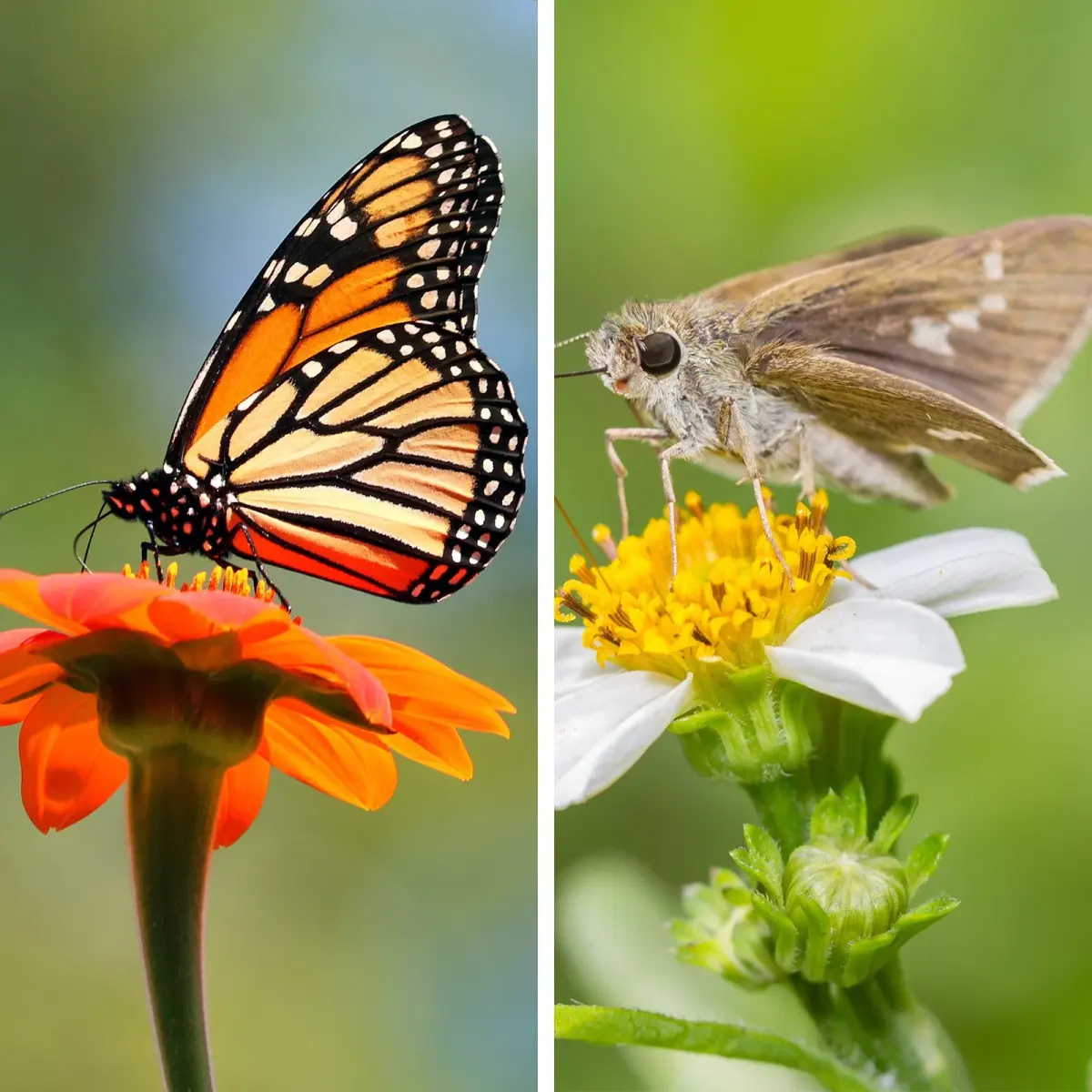
The most reliable way to distinguish between these insects is by examining their antennae. Butterflies have thin, slender antennae that end in a distinct club or bulb shape. In contrast, moth antennae are often feathery, saw-edged, or thread-like, lacking any clubbed ends. This structural difference helps them navigate their specific environments and detect pheromones or environmental cues effectively.
Beyond antennae, body shape provides a clear visual indicator. Butterflies typically have slender, smooth bodies that appear delicate. Moths, however, often possess stout, furry, or fuzzy bodies designed to retain heat during cooler nocturnal hours. Their wings also differ in texture and resting position:
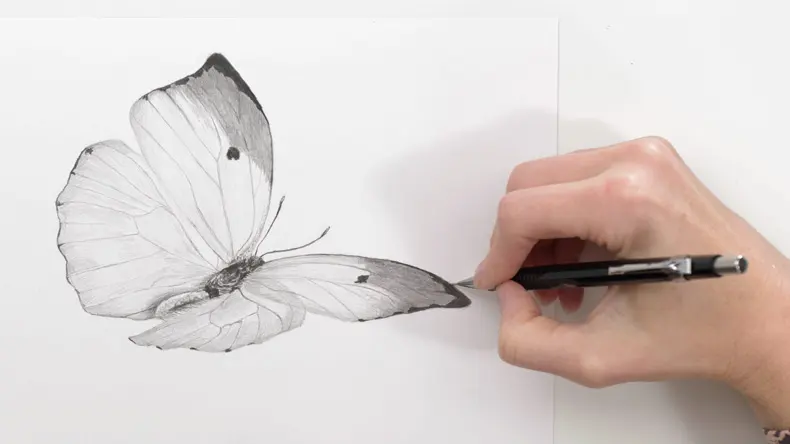
- Butterflies hold their wings vertically above their backs like a sail.
- Moths usually fold their wings flat against their backs or drape them like a tent.
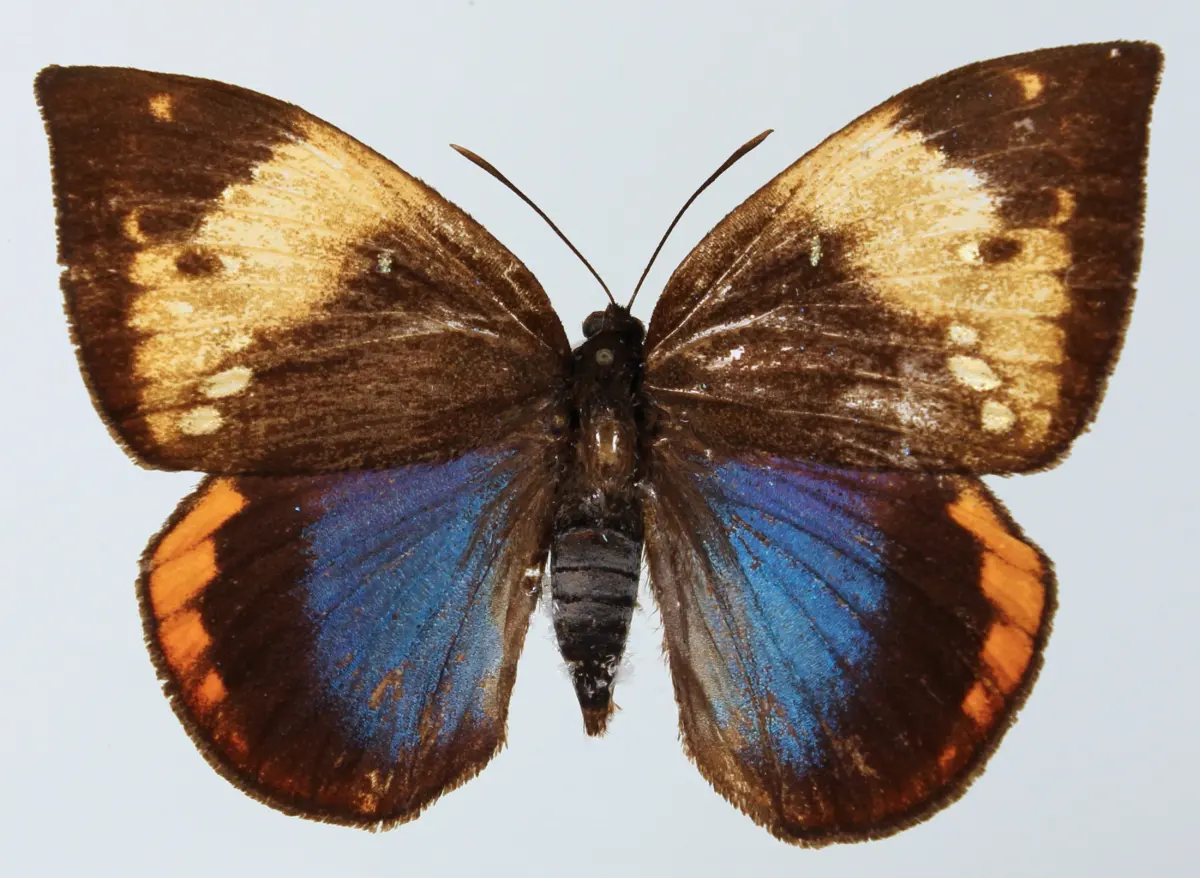
- Butterfly wings are often brightly colored to signal toxicity or attract mates.
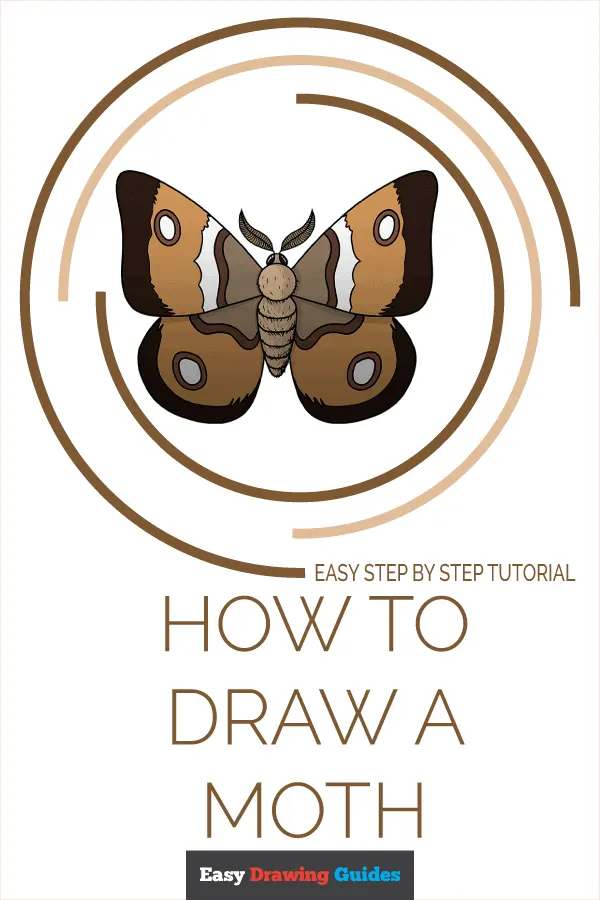
- Moth wings frequently display camouflaged, earthy tones to blend into bark or leaves.
Why moths are active at night and butterflies during the day
The primary difference in activity cycles—diurnality for butterflies and nocturnality for most moths—is an evolutionary adaptation for survival. Butterflies rely on the sun to warm their flight muscles, allowing them to remain active and forage for nectar during daylight hours. By being active during the day, they utilize their vibrant colors to interact with other members of their species while remaining visible to potential predators.
Moths have evolved to exploit the night, which offers a different set of ecological opportunities and challenges. By flying after sunset, they avoid many of the diurnal predators that hunt by sight. They utilize specialized sensory organs to detect the faint light of the moon or stars for navigation. To distinguish between them in the field, look for these behavioral cues:
- Observe the time of day: If it is flying in bright sunlight, it is almost certainly a butterfly.
- Check the resting posture: If the wings are held flat against the surface, it is likely a moth.
- Monitor flight patterns: Butterflies often exhibit a fluttering, erratic flight, while many moths fly in more direct or rapid paths.
Where do butterflies and moths build their cocoons
A common misconception is that all moths spin cocoons and all butterflies form chrysalises. In reality, the pupal stage is where the most significant developmental differences occur. A butterfly larva forms a chrysalis, which is a hardened, protective exoskeleton created from the insect's own skin. This structure is often smooth, green, or brown, allowing it to blend into the surrounding vegetation.
Moths, conversely, typically spin a protective silk casing known as a cocoon before they pupate. This silk is produced by the larva and acts as an additional layer of insulation and protection against the elements. While some moths pupate underground or in leaf litter, the presence of a silk-spun exterior is a hallmark of the moth life cycle. Understanding these developmental stages helps researchers and enthusiasts identify which species are local to their gardens.
Common mistakes when identifying Lepidoptera
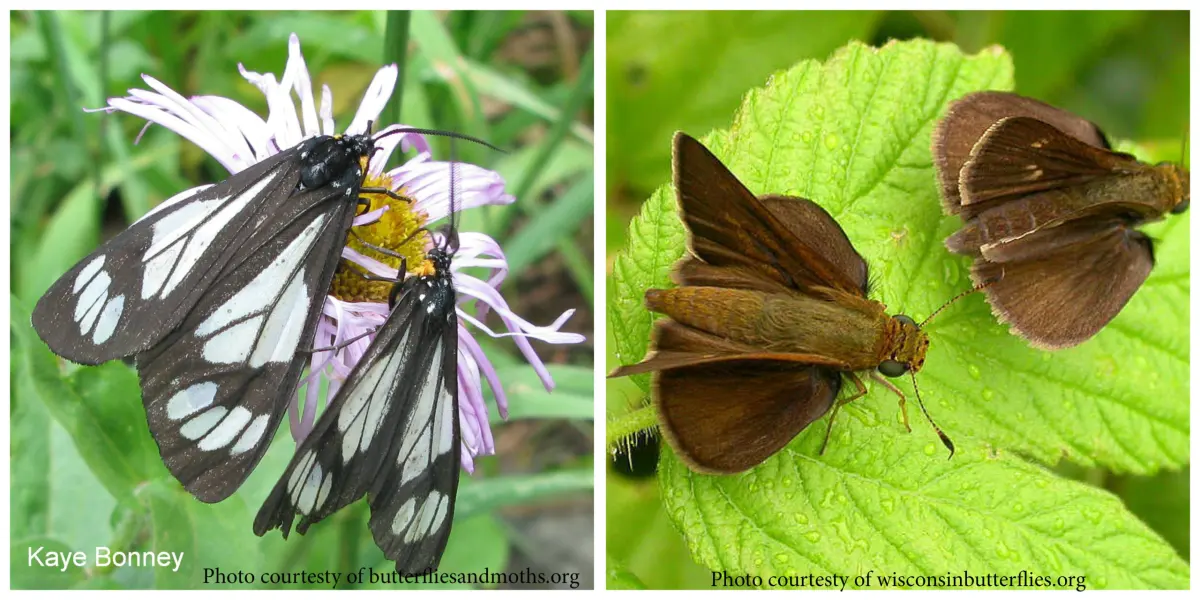
One frequent error is assuming that all brightly colored insects are butterflies. While many moths, such as the tiger moth or the sunset moth, exhibit brilliant patterns, their body structure remains the key identifier. Relying solely on color can lead to misidentification, as some butterflies, such as the mourning cloak, possess darker, more muted tones that mimic the appearance of a moth.
Another mistake is ignoring the wing coupling mechanism. Moths possess a specialized structure called a frenulum, which is a bristle that hooks the forewing and hindwing together to ensure they move as a single unit during flight. Butterflies lack this structure and instead rely on the overlapping shape of their wings to achieve efficient flight. When observing an insect, look closely at how the wings move; if they appear to function as a single, cohesive surface, it is likely a moth utilizing its frenulum.
Best ways to observe butterflies and moths in your garden
To attract these insects, you must provide the right host plants and nectar sources. Butterflies prefer open, sunny spaces with large, flat flowers that serve as landing pads, such as zinnias or coneflowers. Moths are attracted to night-blooming flowers that emit strong fragrances, such as jasmine, evening primrose, or moonflowers. By planting a diverse selection of native flora, you can support the entire life cycle of these species.
If you want to observe moths specifically, you can set up a simple light trap. Moths are naturally drawn to ultraviolet light sources, which mimic the moon's light. Place a white sheet behind a light source and wait for the visitors to arrive. Remember to follow these practical tips for ethical observation:
- Always use a soft light to avoid disorienting the insects.
- Never handle the wings, as the scales can easily rub off and hinder flight.
- Keep your distance to avoid causing stress or forcing the insect to fly prematurely.
- Document your findings with photographs rather than capturing specimens to maintain local populations.
Key facts
- Butterflies typically have club-tipped antennae, while moths usually have feathery or saw-edged antennae.
- Most butterflies are diurnal, meaning they are active during the day, whereas most moths are nocturnal.
- When resting, butterflies hold their wings vertically above their backs, but moths typically fold their wings flat against their bodies.
- Butterflies generally possess slender, smooth bodies, while moths often have stout, fuzzy, or hair-covered bodies.
- Butterfly pupae form a hard, smooth chrysalis, while moth pupae are often enclosed in a protective silk cocoon.
- You can identify a moth by its frenulum, a small bristle that locks the forewing and hindwing together during flight.
The bottom line
Distinguishing between these two insects relies on observing physical traits like antenna shape, resting wing position, and body texture. While butterflies are generally day-flying creatures with smooth bodies and chrysalises, moths are typically nocturnal with fuzzy bodies and silk cocoons. Understanding these biological differences helps observers appreciate the incredible diversity within the order Lepidoptera, ensuring accurate identification during outdoor exploration or scientific study in nature.
People also ask
Do all moths eat clothes?
Only a few species, such as the webbing clothes moth and the casemaking clothes moth, feed on natural fibers like wool or silk. Most adult moths do not eat clothes at all and instead focus on consuming nectar or nothing during their short lifespans.
Are butterflies more colorful than moths?
While butterflies are often associated with bright, vivid colors, many moths display intricate patterns or even brilliant metallic hues. Some moths, such as the Luna moth, are prized for their striking appearance, though many others have evolved dull, camouflaged colors to blend into tree bark.
How can I tell if a caterpillar will become a moth or a butterfly?
Butterfly caterpillars are often smooth or have simple fleshy spikes, while moth caterpillars frequently feature dense hairs or bristles. If you find a caterpillar spinning a silk cocoon, it is almost certainly a moth, as butterflies do not produce silk cocoons.
Do moths and butterflies have the same life cycle?
Both undergo complete metamorphosis, consisting of four stages: egg, larva, pupa, and adult. The primary difference lies in the pupal stage, where the butterfly creates a chrysalis and the moth often constructs a silk cocoon.
Can moths fly as well as butterflies?
Both are highly capable fliers, but they utilize different flight patterns to navigate their environments. Butterflies tend to have a more erratic, gliding flight, while moths are often faster and more direct, especially when navigating toward light sources at night.
Are there any species that blur the lines between moth and butterfly?
Yes, the skipper butterfly is a prime example of a creature that shares traits with both groups. Skippers have hooked antennae and stout, moth-like bodies, yet they are taxonomically classified as butterflies due to their diurnal habits and wing structures.
This answer was created with the help of AI research tools and reference sources. Spotted an error? Let us know — we correct mistakes quickly. See our editorial policy.