Where do bighorn sheep live?
Short answer
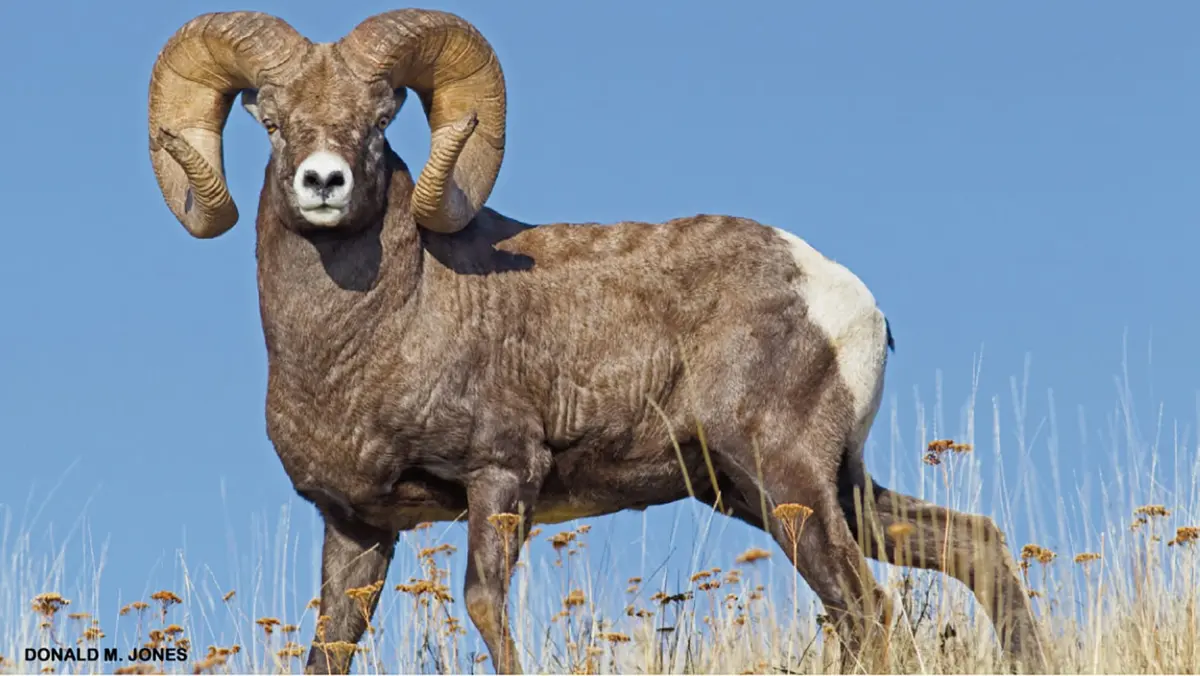
Bighorn sheep inhabit mountainous regions across western North America, ranging from southern Canada through the United States into northern Mexico. They prefer rugged, rocky terrain with steep slopes, which provide essential protection from predators. These animals are typically found in alpine meadows, subalpine forests, and dry, desert canyon ecosystems.
On this page
Where can you find bighorn sheep?
Bighorn sheep primarily reside in the western half of North America, spanning a vast latitudinal range from the Canadian Rockies down to the deserts of northern Mexico. Their distribution is not continuous but rather fragmented into isolated populations occupying suitable "islands" of habitat. These animals are highly specialized for life in steep, precipitous environments that offer both forage and security.
Within this broad geography, bighorn sheep are categorized into three distinct subspecies based on their specific environmental adaptations:
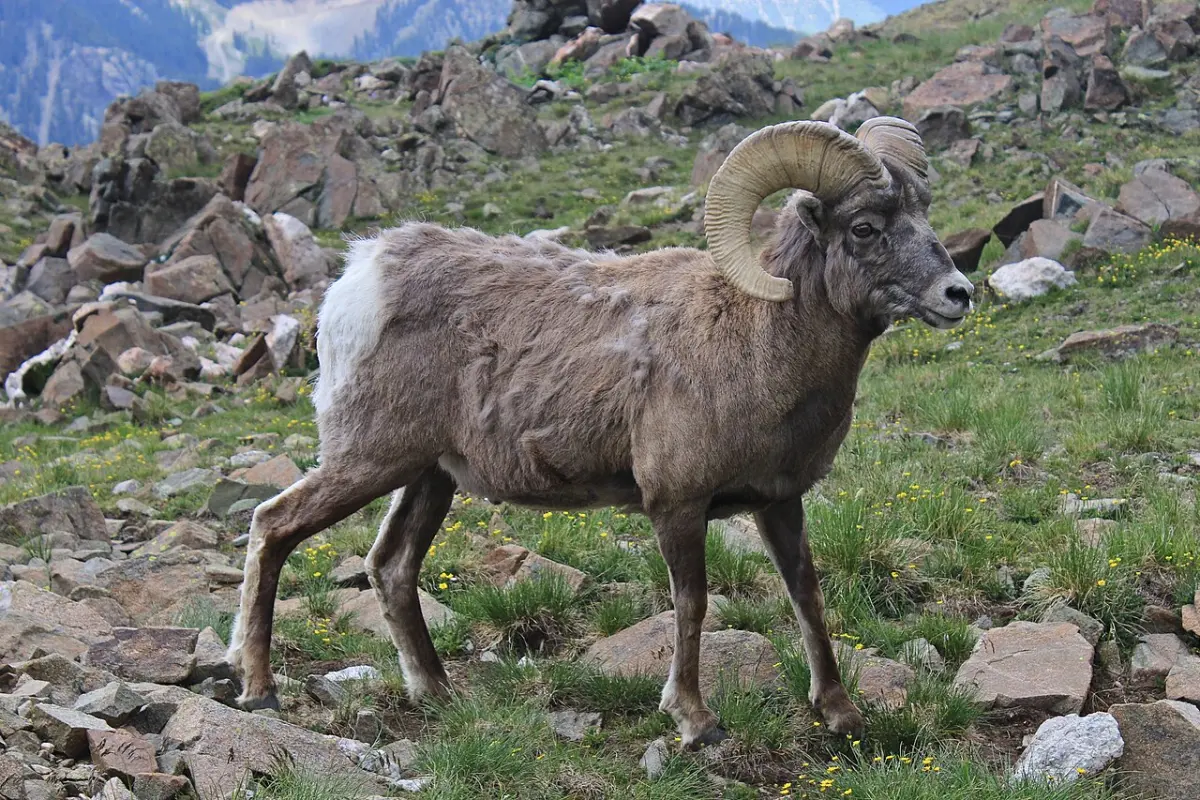
- Rocky Mountain bighorn sheep: Found in the high-elevation ranges of the Rocky Mountains.
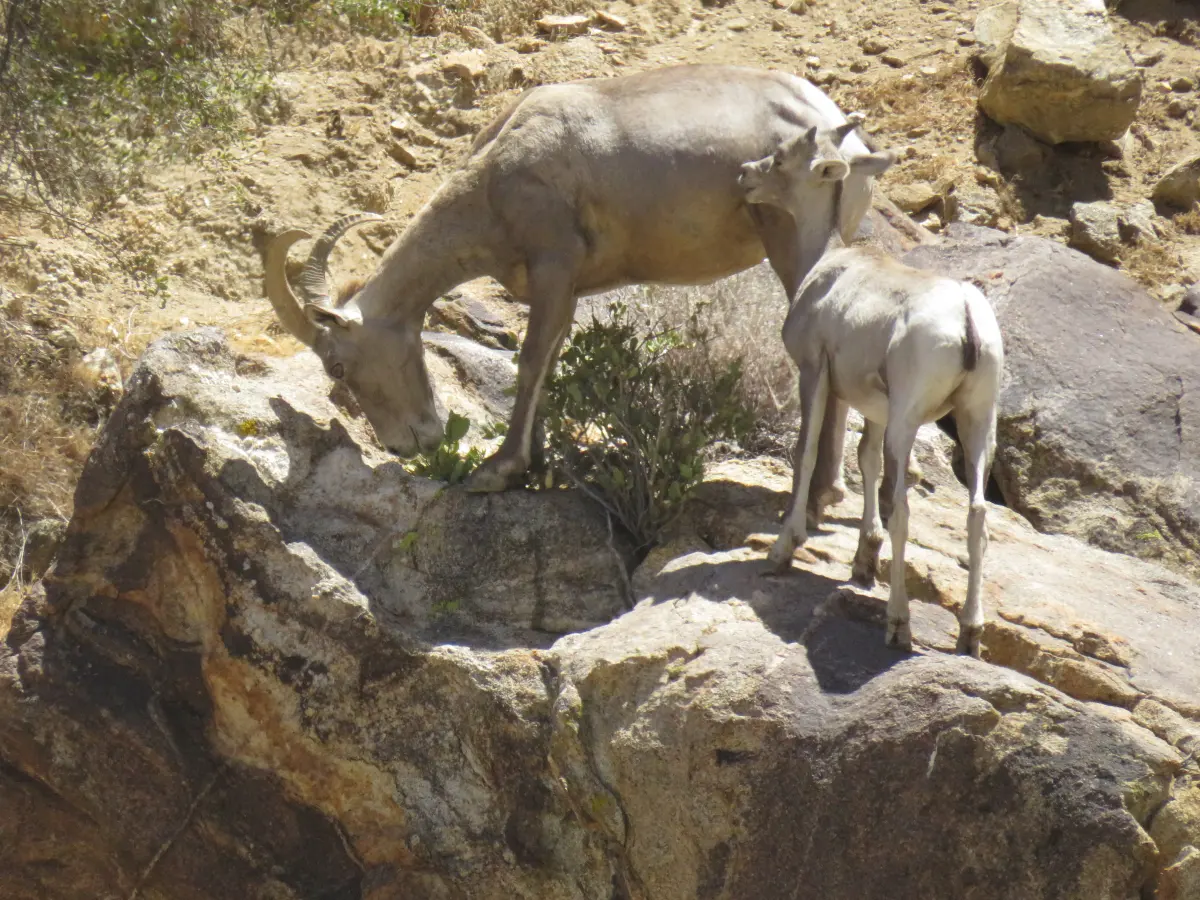
- Desert bighorn sheep: Adapted to the arid, low-elevation canyon lands of the American Southwest.
- California bighorn sheep: Occupy the mountainous regions of the Sierra Nevada and the Great Basin.
Each group has evolved to thrive in its respective climate, yet all share a fundamental requirement for escape terrain. If you are searching for these animals, focus your efforts on areas where high-angle cliffs meet open foraging grounds.
Why do bighorn sheep choose steep terrain?
The primary reason bighorn sheep inhabit vertical landscapes is predator avoidance. Because they are not built for long-distance sprinting on flat ground, they rely on their extraordinary agility to navigate near-vertical rock faces where wolves, mountain lions, and coyotes cannot follow. This "escape terrain" is the single most important feature of any bighorn sheep habitat.
Beyond safety, these rugged areas provide specific biological advantages:
- Visibility: High vantage points allow the sheep to spot potential threats from long distances.
- Thermal regulation: Rocky slopes often provide varied microclimates, allowing sheep to move between sun and shade.
- Foraging access: Steep cliffs often feature pockets of vegetation that are inaccessible to other large herbivores, reducing competition for food.
When observing these animals, you will notice they rarely venture far from these protective cliffs. Even when they descend into valleys to graze on succulent grasses, they usually stay within a few hundred yards of a reliable escape route.
What is the best time to see bighorn sheep?
Timing is critical for successful wildlife viewing, as the activity patterns of bighorn sheep fluctuate significantly throughout the year. During the summer months, these animals often move to higher elevations to take advantage of lush alpine grasses and cooler temperatures. As winter approaches, deep snow forces them to migrate down to lower, wind-swept slopes where forage remains accessible.
To maximize your chances of a sighting, consider these seasonal behaviors:
- Rutting season: During the autumn months, males become highly active and visible as they compete for dominance.
- Lambing season: In late spring, females seek out the most inaccessible cliff ledges to give birth, making them harder to spot.
- Daily cycles: They are most active during the early morning and late afternoon, spending the heat of the day resting in shaded rock crevices.
Always use binoculars or a spotting scope to monitor these animals from a distance. Because they are sensitive to human presence, approaching too closely will cause them to flee, wasting their valuable energy reserves.
Common mistakes when looking for bighorn sheep
Many enthusiasts fail to spot bighorn sheep because they look for them in the wrong types of vegetation. A common error is searching in dense forests where visibility is limited. Bighorn sheep prefer open, grassy slopes and meadows that offer clear lines of sight. If you are hiking in a thick, overgrown woodland, you are unlikely to encounter a herd.
Another frequent mistake involves ignoring the wind and your own silhouette. Bighorn sheep possess keen eyesight and a highly developed sense of smell. If you hike along a ridgeline against the skyline, you will be spotted long before you see them.
- Avoid wearing bright, contrasting colors that stand out against the landscape.
- Do not hike directly toward a herd; instead, move slowly and stay low to the ground.
- Never attempt to feed or approach the animals, as this disrupts their natural foraging patterns and can lead to dangerous human-wildlife conflicts.
How to identify suitable bighorn habitat
Identifying potential habitat requires looking for specific geological and botanical markers. Look for areas characterized by "broken" terrain, which includes talus slopes, rocky outcrops, and narrow canyons. These features must be interspersed with patches of grasses, sedges, and shrubs. If the terrain is entirely flat or entirely forested, it is unlikely to support a population of bighorn sheep.
When scouting for these animals, follow these steps:
- Consult topographic maps to identify steep, cliff-heavy areas near river drainages.
- Look for "bedding grounds," which are small, cleared areas on rocky ledges where sheep rest.
- Scan the slopes systematically using a grid pattern with your optics, focusing on the transition zones between cliffs and meadows.
By understanding these environmental requirements, you can better predict where these animals are likely to be found. Remember that their presence is always dictated by the availability of high-quality forage and the proximity of reliable, vertical escape routes.
Key facts
- Bighorn sheep primarily inhabit the mountainous regions of western North America, ranging from southern Canada to northern Mexico.
- They thrive in rugged, steep terrain, such as rocky cliffs and canyons, which provide natural protection from predators.
- These animals are highly adapted to high-altitude environments, often living at elevations between 3,000 and 10,000 feet.
- To avoid predators, bighorn sheep require open areas with good visibility to spot threats like mountain lions or wolves.
- During winter months, herds often migrate to lower elevations to find forage that is not buried under deep snow.
- When observing them in the wild, always maintain a distance of at least 25 yards to avoid stressing the animals or disrupting their feeding.
The bottom line
Bighorn sheep are iconic symbols of the American West, perfectly evolved for life in rugged, mountainous landscapes. By utilizing steep cliffs for protection and migrating to follow seasonal food sources, they survive in some of the most challenging environments on the continent. Protecting their habitat from fragmentation and preventing disease transmission from domestic livestock are the most critical steps for ensuring their long-term survival in the wild.
People also ask
How do bighorn sheep climb such steep cliffs?
They possess specialized hooves with hard, sharp edges for gripping and soft, rubbery pads that provide traction on smooth rock surfaces. This unique anatomy allows them to navigate near-vertical terrain with remarkable agility and balance.
What do bighorn sheep eat in their rocky habitats?
Their diet consists primarily of grasses, sedges, and forbs, supplemented by woody shrubs during the winter. They are ruminants, meaning they graze and then retreat to safer, higher ground to chew their cud.
Why are bighorn sheep populations often fragmented?
Habitat loss due to human development, roads, and fences often isolates herds in small mountain ranges. This fragmentation limits genetic diversity and makes individual populations more vulnerable to disease outbreaks.
Can bighorn sheep survive in desert environments?
Yes, the desert bighorn sheep subspecies is specifically adapted to the arid climates of the southwestern United States and Mexico. They can go long periods without standing water by obtaining moisture from succulent plants.
What is the biggest threat to wild bighorn sheep?
Respiratory disease, often transmitted through contact with domestic sheep or goats, remains the primary threat to wild populations. These pathogens can cause large-scale die-offs, making it critical to keep domestic livestock separated from wild herds.
Do bighorn sheep stay in the same area year-round?
Many herds are migratory, moving between high-altitude summer ranges and lower-elevation winter ranges to follow food availability. However, some populations in milder climates remain in the same home range throughout the entire year.
This answer was created with the help of AI research tools and reference sources. Spotted an error? Let us know — we correct mistakes quickly. See our editorial policy.