What does a moth tattoo mean?
Short answer
Moth tattoos symbolize transformation, intuition, and a profound attraction to the light amidst darkness. Often associated with the soul's journey, they represent resilience and the pursuit of truth. Because moths navigate by moonlight, these designs frequently signify spiritual guidance, hidden wisdom, and the delicate balance between vulnerability and personal endurance.
On this page
What is the symbolism behind moth tattoos?
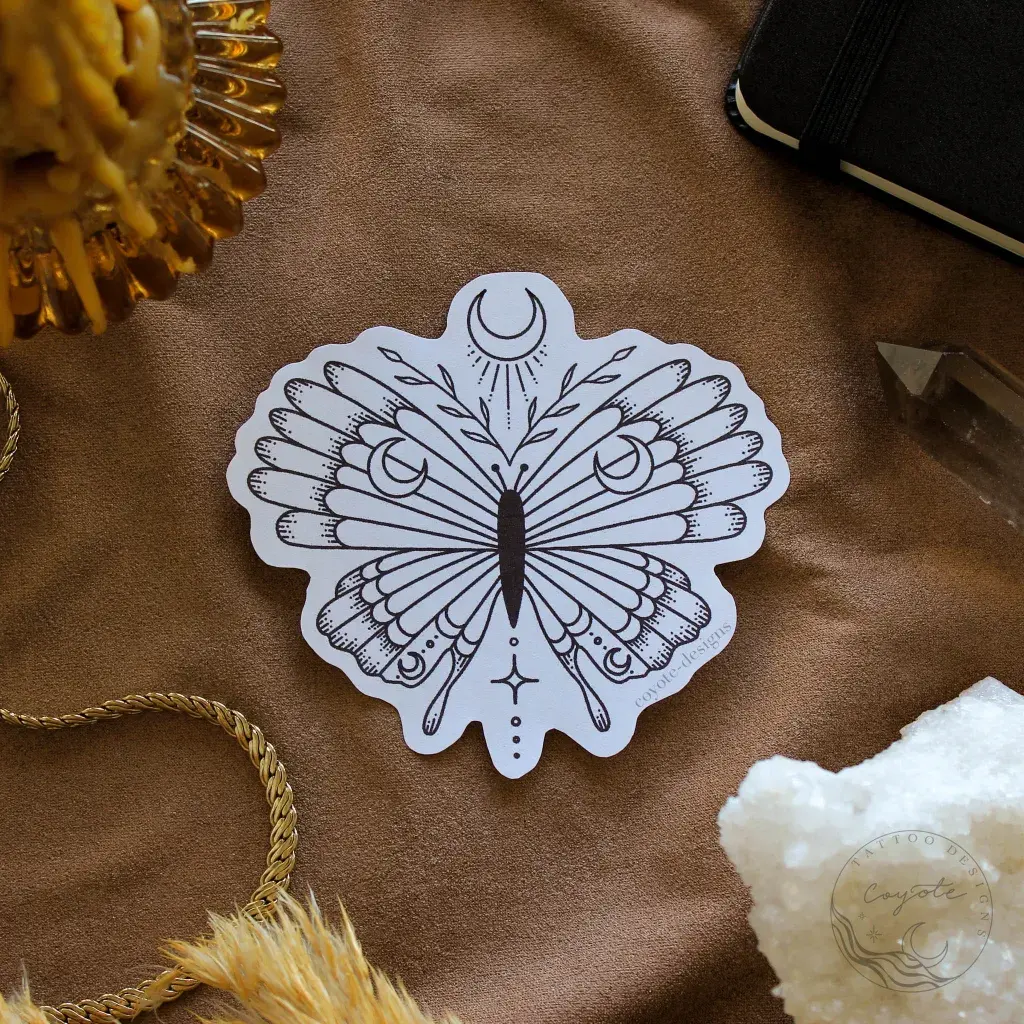
Moths are frequently viewed as symbols of metamorphosis and the cyclical nature of life. Unlike butterflies, which are often associated with daylight and overt beauty, moths are creatures of the night. This nocturnal nature ties them to the subconscious, dreams, and the ability to find one's way through uncertainty. Many people choose this design to represent their own internal growth or a period of significant personal change.
In various cultural contexts, the moth is seen as a messenger from the spiritual realm. Because they are drawn to light, they are interpreted as seekers of enlightenment or truth. This symbolism makes them a popular choice for individuals who value introspection and the pursuit of knowledge. The moth serves as a reminder that even in the darkest circumstances, one can remain focused on their goals and inner light.
How do different moth species change the meaning?
The specific species of moth chosen for a tattoo can drastically alter its deeper significance. While the general moth represents transformation, individual species bring unique cultural and biological associations to the design. Selecting a species that aligns with your personal values or experiences can add a layer of authenticity to the artwork.
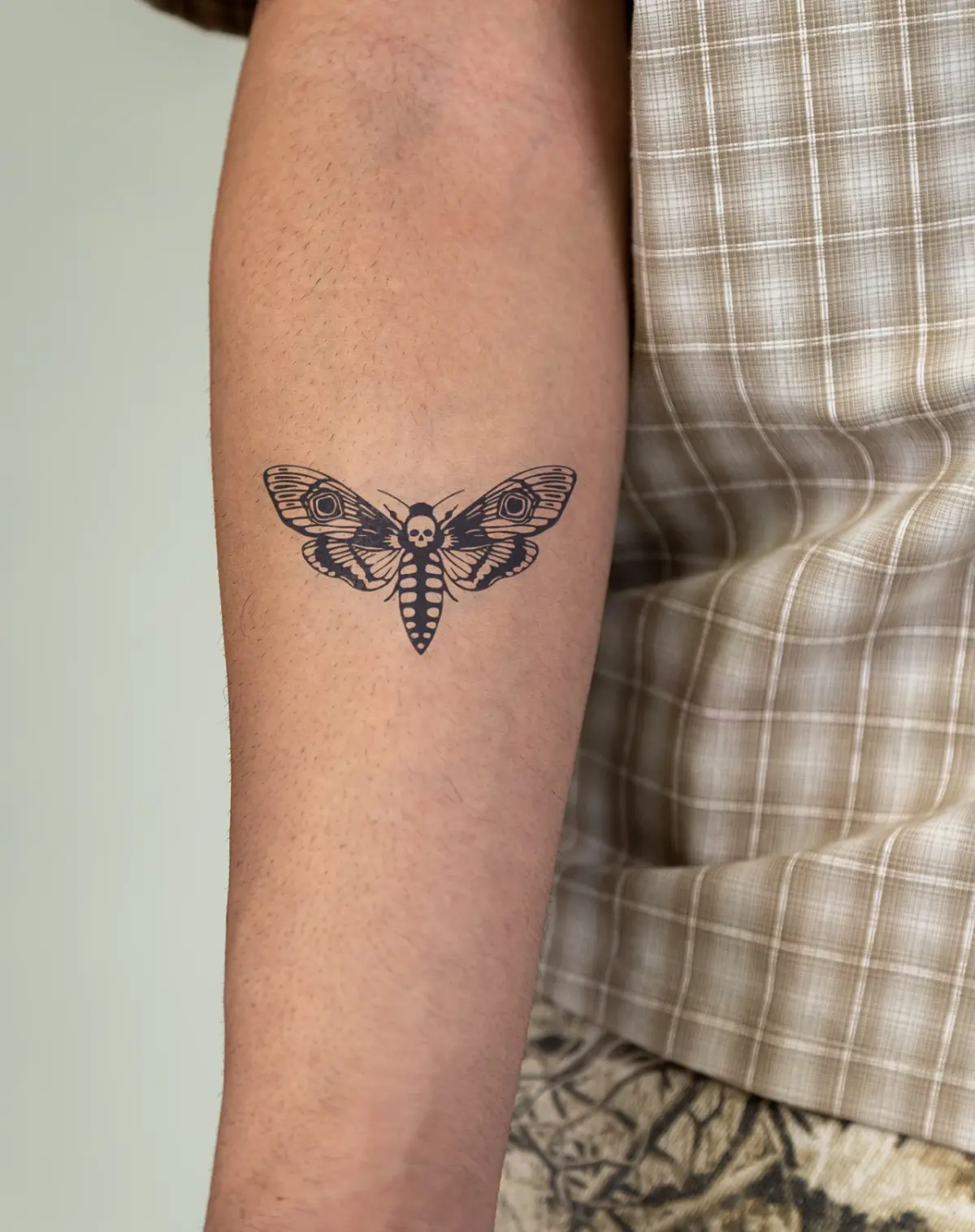
- Death’s-head Hawkmoth: Often associated with mystery, the occult, and the inevitability of mortality due to the skull-like pattern on its thorax.
- Luna Moth: Known for its pale green, ethereal appearance, this species symbolizes new beginnings, intuition, and the beauty of fleeting moments.
- Cecropia Moth: Represents strength and resilience, as it is one of the largest moths in North America and signifies a powerful presence.
- Atlas Moth: Due to its sheer size and intricate wing patterns, it is frequently linked to wisdom, patience, and the grandeur of the natural world.
What are the best placement options for a moth tattoo?
Choosing the right placement depends on the size of the moth and the level of detail in the wing patterns. Moths are naturally symmetrical, making them ideal for areas of the body that allow for balanced, centered designs. Large, expansive wings often require flat surfaces to ensure the anatomy of the insect remains proportional and visually striking.
- Sternum: A popular choice for symmetrical moth designs, allowing the wings to span across the chest area.
- Forearm: Ideal for medium-sized moths, providing a canvas that is easy to view and showcase.
- Upper Back: Perfect for large-scale, highly detailed moth tattoos that incorporate intricate patterns or background elements.
- Thigh: Offers ample space for larger designs and allows for more artistic freedom regarding the moth's surroundings.
When selecting a placement, consider how the skin moves and stretches. Areas with more muscle or fat tend to hold detail better over time, whereas joints like the elbow or knee may cause the tattoo to distort as you move.
Why do people choose moth tattoos over butterflies?
While butterflies are universally recognized as symbols of joy and rebirth, moths offer a more nuanced, grounded alternative. Many individuals prefer the moth because it represents the "shadow self"—the parts of our personality that exist in the dark or remain hidden from public view. This choice reflects a deeper appreciation for the complexities of the human experience rather than just the sunny, positive aspects.
The aesthetic of the moth also tends to be more gothic or vintage, appealing to those who prefer muted tones and intricate, lace-like wing textures. Because moths are often nocturnal, they resonate with night owls, artists, and those who feel most creative when the world is quiet. Choosing a moth is an intentional rejection of the conventional, signaling a preference for the mysterious, the quiet, and the inherently transformative power of the night.
Common mistakes when getting a moth tattoo
One of the most frequent errors is failing to account for the level of detail in the wing patterns. Moth wings are highly intricate, and if the tattoo is too small, the ink can blur over time, causing the design to lose its definition. Always consult with your artist about the minimum size required to maintain the clarity of the patterns, particularly if you want to include fine-line work or stippling.
- Choosing an artist who lacks experience in fine-line or illustrative tattooing styles.
- Ignoring the importance of proper aftercare, which can lead to fading in the delicate, thin lines of the wings.
- Overloading the design with too many background elements that distract from the moth's natural beauty.
- Failing to research the specific moth species, leading to a design that does not accurately reflect the intended symbolism.
To avoid these issues, bring high-quality reference photos to your consultation and allow the artist to adjust the design for skin longevity. A well-placed, well-executed moth tattoo is a timeless emblem of personal evolution that remains relevant throughout your life.
Key facts
- Moths are nocturnal creatures that navigate by moonlight, symbolizing a journey toward light and spiritual guidance.
- In folklore, moths are often viewed as messengers from the afterlife or symbols of the soul's transition.
- Because they are drawn to flames, they represent the concept of "burning" for one's passion or self-destruction.
- The metamorphosis from caterpillar to moth serves as a powerful metaphor for personal growth and transformation.
- Death's-head hawkmoths are frequently chosen for tattoos due to their distinct skull-like markings on the thorax.
- Before getting a moth tattoo, research specific species to ensure the visual representation matches your intended meaning.
The bottom line
A moth tattoo is a versatile symbol representing transformation, the pursuit of light, and the mysteries of the night. Whether you are drawn to their gothic aesthetic or their deep connection to spiritual metamorphosis, these designs offer a unique way to express personal growth. By selecting a specific species and working with a skilled artist, you can create a meaningful piece that reflects your own life journey.
People also ask
Does a moth tattoo always symbolize death?
While some species like the Death's-head hawkmoth are associated with mortality, many people choose moths to represent resilience, transformation, or a connection to the natural world. The meaning is highly subjective and depends on the wearer's personal intent.
Are moth tattoos more popular than butterfly tattoos?
Butterfly tattoos are traditionally more common, but moth tattoos have surged in popularity due to their "darker" or more mysterious aesthetic. They appeal to those who prefer gothic or occult-inspired imagery over the bright, colorful nature of butterflies.
What is the best placement for a moth tattoo?
Moths have symmetrical wings that look best on flat areas of the body, such as the center of the chest, the upper back, or the forearm. These areas allow the artist to showcase the intricate patterns and textures of the wings.
Do moth tattoos have to be black and grey?
No, moth tattoos can be rendered in vibrant colors or intricate stipple shading. Many artists specialize in "illustrative" or "blackwork" styles that emphasize the moth's velvet-like wing texture.
What is a common mistake when getting a moth tattoo?
A common error is neglecting the level of detail in the wings, which can blur over time if the tattoo is too small. Always consult with your artist about the ideal size to ensure the fine lines remain crisp as the ink ages.
Can a moth tattoo represent a specific person?
Many individuals use moth tattoos as memorial pieces to honor a loved one who has passed away. The moth acts as a symbolic bridge between the physical world and the spiritual realm.
This answer was created with the help of AI research tools and reference sources. Spotted an error? Let us know — we correct mistakes quickly. See our editorial policy.