How many babies do beavers have?
Short answer
Beavers typically give birth to a single litter each year, usually consisting of two to four kits. While litters can occasionally range from one to six offspring, three is the most common number. These young beavers remain with their parents in the lodge for approximately two years before seeking their own territory.
On this page
How many kits are in a beaver litter?
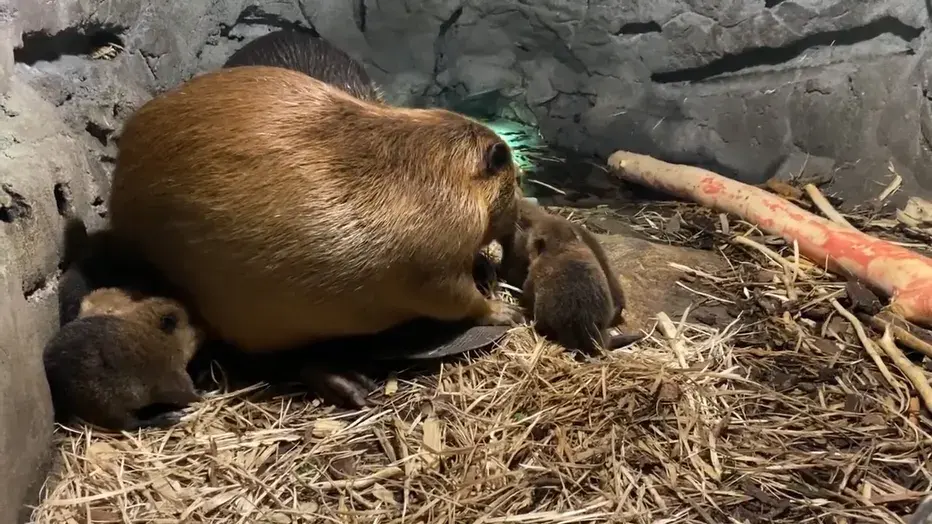
A female beaver, known as a queen, produces only one litter annually. The number of kits depends largely on the age and health of the mother, as well as the availability of food resources within the colony's territory. While a litter of three is standard, environmental stressors can sometimes result in smaller litters.
In optimal conditions with abundant aquatic vegetation and woody stems, a mother may successfully raise up to six kits. However, larger litters require significant energy expenditure and increased protection within the lodge. Most beaver populations maintain stability through this reproductive rate, ensuring that the colony does not exceed the carrying capacity of its local habitat.
When do beavers have their babies?
Beaver mating season occurs during the winter months, typically between January and March, depending on the latitude. Following a gestation period of approximately 105 to 107 days, the kits are born in the spring or early summer. This timing is critical, as it allows the young to grow and gain strength before the harsh winter arrives.
By timing birth with the peak of spring growth, the mother ensures that high-quality forage is available for nursing. The kits are born fully furred, with their eyes open and their incisors already erupted, allowing them to begin nibbling on soft vegetation almost immediately. This rapid development is an evolutionary adaptation to the cold climates where beavers thrive.
How do beavers care for their young?
Beaver kits are highly dependent on their parents for the first few months of life. Both the mother and the father participate in the care of the young, which includes grooming, feeding, and teaching them how to navigate the lodge and the surrounding pond. The family unit is tight-knit and essential for the survival of the kits.
- Nursing: Kits rely on the mother’s milk for the first few weeks before transitioning to solid food.
- Lodge Maintenance: The parents continuously repair the lodge to keep the interior dry and warm for the growing kits.
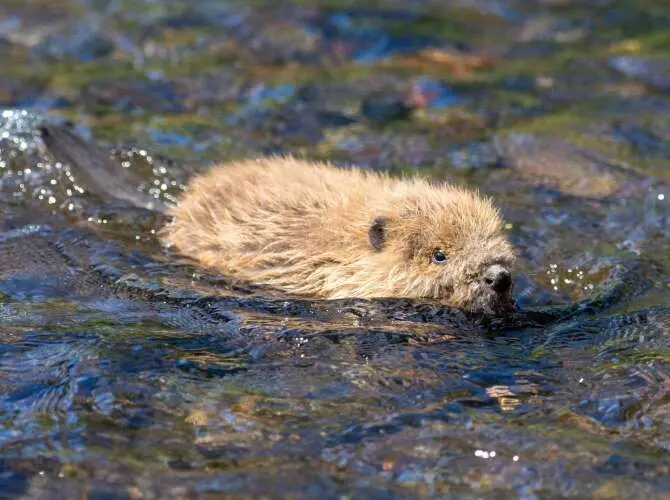
- Foraging Lessons: As they grow, the kits follow their parents into the water to learn how to identify and harvest suitable tree bark and aquatic plants.
- Social Bonding: Kits engage in play and social grooming, which helps establish the hierarchy and bonds necessary for the colony to function.

How long do kits stay with their parents?
Young beavers, known as yearlings, typically remain with their birth colony for two years. During this time, they learn the complex engineering skills required to build dams and lodges. This extended period of parental care is vital, as it allows the young to master the survival techniques needed for independent life in the wild.
- Year One: The kits focus on rapid growth and learning the layout of the home pond and surrounding forest.
- Year Two: The yearlings assist in lodge repairs and dam maintenance, gaining practical experience under the supervision of the adults.
- Dispersal: Once they reach their second year, the young beavers leave the colony to find a mate and establish their own territory, often traveling several miles to find an unoccupied stream.
Common mistakes when observing beaver kits
Many well-meaning wildlife enthusiasts accidentally disturb beaver families by getting too close to the lodge. Beavers are naturally shy and defensive of their young; if they perceive a threat, they will slap their tails against the water to warn others and dive into the safety of the lodge. This causes unnecessary stress and can disrupt the feeding schedule of the kits.
When attempting to observe or photograph beavers, keep these guidelines in mind to avoid common errors:
- Maintain a significant distance: Use binoculars or a telephoto lens rather than approaching the lodge on foot.
- Avoid dawn and dusk interference: These are the most active times for beavers; presence during these hours can prevent them from foraging.
- Do not leave food: Feeding beavers is harmful, as it can lead to dependency and health issues, and it is illegal in many jurisdictions.
- Respect the habitat: Stay on designated trails and avoid trampling the vegetation that the colony relies on for food and building materials.
Key facts
- Female beavers, known as does, typically give birth to a litter of two to four kits once per year.
- The gestation period for a beaver lasts approximately 105 to 107 days, usually occurring in the spring.
- Kits are born fully furred, with their eyes open, and are capable of swimming within 24 hours of birth.
- Weaning generally begins around six weeks of age, though kits remain dependent on their parents for food and protection for up to two years.
- To support a growing family, ensure the local habitat has a consistent water source and an abundance of willow or aspen trees.
- Avoid disturbing a beaver lodge during the spring months, as the kits are highly vulnerable to predators and environmental stress during this time.
The bottom line
Beavers typically produce one litter of two to four kits annually, born in the safety of their lodge during the spring. These young animals are remarkably precocious, swimming shortly after birth, yet they remain under parental guidance for two years. By providing a stable, undisturbed habitat with plenty of woody vegetation, you support the natural life cycle and long-term population health of these essential ecosystem engineers.
People also ask
How long do beaver kits stay with their parents?
Kits typically remain with their family unit for two years. After this period, they reach sexual maturity and leave the lodge to establish their own territories and find mates.
What do newborn beavers eat?
For the first few weeks, kits rely exclusively on their mother’s milk. By the time they are six weeks old, they begin transitioning to a diet of soft aquatic vegetation and tree bark.
Do male beavers help raise the young?
Yes, beavers are monogamous and exhibit strong parental care. The male, or buck, plays an active role in maintaining the lodge and protecting the kits from potential threats.
Are beaver kits born in the water?
No, kits are born inside the lodge, which is a dry, chambered structure built above the water line. The lodge provides a safe, insulated environment protected from harsh weather and predators.
How can you tell the difference between a male and female beaver?
Determining the sex of a beaver is difficult because their reproductive organs are internal. Experts typically require specialized training or physical examination to identify the gender accurately.
Why do beavers have so few kits per year?
Beavers invest significant energy into building complex environments and providing long-term care for their offspring. This reproductive strategy ensures a higher survival rate for each kit in the competitive wilderness.
This answer was created with the help of AI research tools and reference sources. Spotted an error? Let us know — we correct mistakes quickly. See our editorial policy.