How many babies do cheetahs have?
Short answer
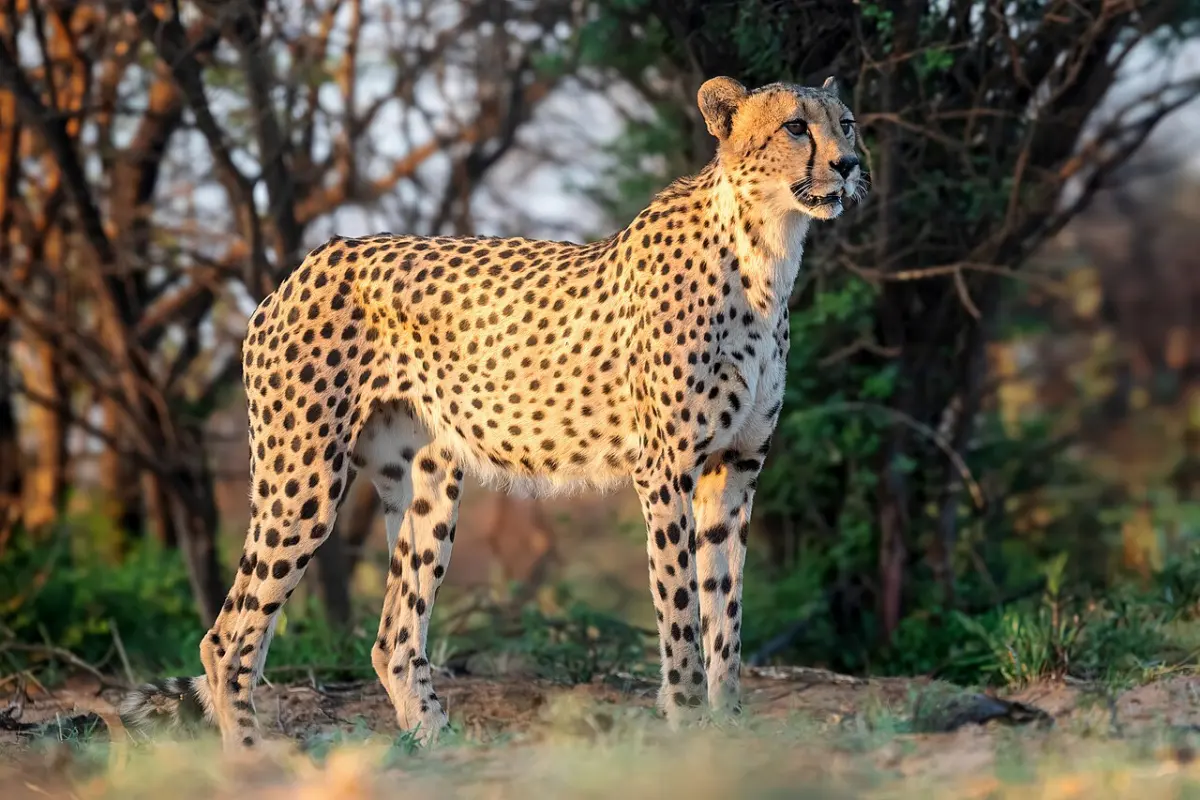
Cheetah litters typically consist of three to five cubs, though they can range from one to eight. A mother cheetah raises her young alone, as males do not participate in cub rearing. Due to high predation and environmental challenges, the survival rate for cubs in the wild remains remarkably low.
On this page
How many cubs are in a cheetah litter?
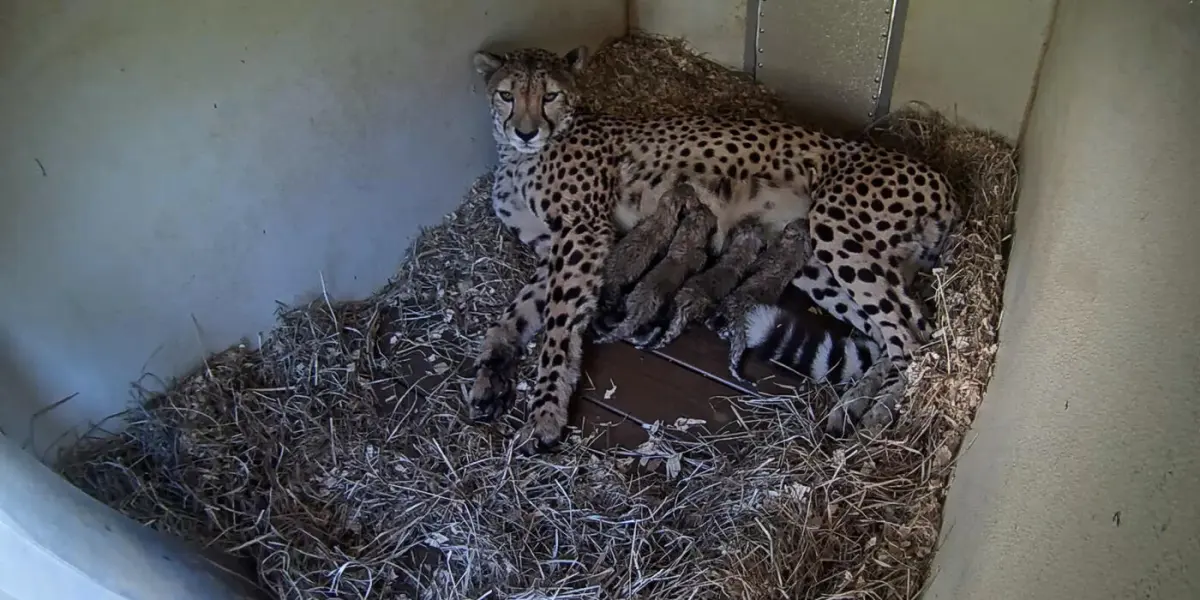
A typical cheetah litter contains between three and five cubs, though the number can vary significantly depending on the mother's health and environmental conditions. While litters as large as eight have been documented, these are rare exceptions rather than the norm. The gestation period for a cheetah lasts approximately 90 to 95 days, after which the mother gives birth in a secluded, hidden den.
Because cheetahs are solitary animals, the female bears the full responsibility of protecting and feeding her offspring. This maternal investment is intense, as she must balance hunting for her own sustenance with the constant need to guard the cubs from larger predators like lions, hyenas, and leopards. The size of the litter often dictates how frequently the mother must leave the cubs to hunt, which directly influences their overall safety.
How do cheetah cubs survive in the wild?
Survival for cheetah cubs is notoriously difficult, with estimates suggesting that fewer than 10 percent of cubs in some regions reach adulthood. The primary threats include predation by larger carnivores and the risk of starvation if the mother is unable to secure enough food. To mitigate these risks, the mother frequently moves her den to prevent scent buildup from attracting predators.
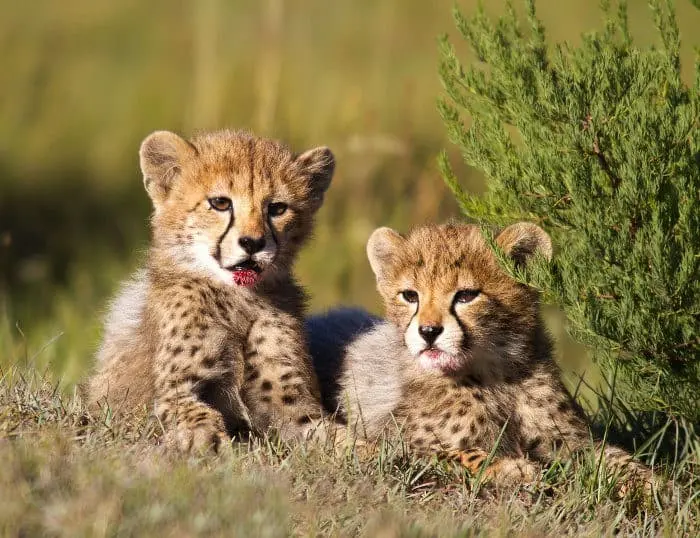
The cubs are born with a unique feature that aids in their survival: a long, mantle of silver-gray hair running down their backs. This "cape" helps them blend into tall grass and may mimic the appearance of a honey badger, a creature that many predators prefer to avoid. As they grow, they develop the following survival traits:
- Grooming and social bonding to strengthen family ties.
- Practicing pouncing and stalking techniques on siblings.
- Learning to identify and avoid potential threats in the savanna.
- Developing the speed and agility necessary for future hunting success.
How long do cheetah cubs stay with their mother?
Cheetah cubs remain dependent on their mother for a significant period, usually staying with her until they are between 16 and 24 months old. During this time, the mother teaches them essential hunting skills, starting with bringing live prey to the den so the cubs can practice killing and handling it. This apprenticeship is vital, as the cubs must learn to hunt efficiently to survive on their own.
Once the cubs reach independence, the siblings often stay together for a few months in a group known as a coalition. This social structure provides additional protection and increases their chances of successful hunting as they transition into adulthood. The mother, meanwhile, typically enters estrus again to begin a new reproductive cycle, continuing the process of population replenishment for the species.
Why is cub mortality so high?
High mortality rates are a natural but tragic reality for cheetah populations. In addition to predation, environmental factors such as drought and disease play a major role in cub loss. Because cheetahs have very low genetic diversity, they are often more susceptible to viral outbreaks, which can devastate an entire litter or even local populations.
Human activity also exacerbates these challenges. Habitat loss and fragmentation force cheetahs into smaller areas where they are more likely to encounter larger predators or human-related hazards. To protect cheetah cubs in managed environments, conservationists follow specific protocols:
- Monitoring the mother’s health and stress levels during pregnancy.
- Providing secure, quiet denning areas away from human disturbance.
- Ensuring the mother has access to high-quality, consistent nutrition.
- Minimizing direct human contact to prevent the cubs from becoming habituated.
Common mistakes when observing cheetah families
One common mistake made by wildlife enthusiasts and photographers is approaching a den too closely. Cheetah mothers are extremely protective and will abandon a den if they feel threatened or if they believe their location has been compromised by intruders. Maintaining a respectful distance is essential to ensure the mother feels secure enough to continue caring for her litter.
Another error is assuming that a lone cub is abandoned. It is common for a mother to leave her cubs in a safe, hidden spot while she hunts for several hours. Observers should never attempt to "rescue" a cub that appears to be alone, as the mother is likely nearby and will return. Always prioritize the following practices when observing these animals:
- Use high-powered binoculars or camera lenses rather than approaching on foot.
- Stay inside vehicles if you are in a designated wildlife reserve.
- Avoid making loud noises or sudden movements that could startle the mother.
- Report any sightings of injured animals to local park authorities rather than intervening yourself.
Key facts
- Cheetah litters typically consist of three to five cubs, though a female may give birth to as few as one or as many as eight.
- Cubs are born blind and helpless, weighing only 150 to 300 grams at birth.
- Mother cheetahs are solitary parents and must hide their cubs in dense vegetation to protect them from predators like lions and hyenas.
- The mortality rate for cheetah cubs is extremely high, with nearly 70 to 90 percent failing to reach adulthood in the wild.
- Cubs develop a distinct mantle of long, silver-gray hair along their backs, which helps them camouflage in tall grass and mimics the appearance of the honey badger.
- To ensure cub survival, avoid approaching or disturbing a den site, as a mother will often abandon her litter if she senses human interference.
The bottom line
Cheetahs typically give birth to litters of three to five cubs, though survival remains a significant challenge due to high predation rates in the wild. Mothers raise their young entirely on their own, keeping them hidden for safety until they are ready to learn hunting skills. Understanding these biological patterns highlights the intense dedication required for the species to persist in their natural African and Iranian habitats.
People also ask
How long is the gestation period for a cheetah?
A female cheetah is pregnant for approximately 90 to 95 days. This relatively short period allows the mother to prepare for the arrival of her cubs in a secluded area.
At what age do cheetah cubs start eating solid food
Cubs begin to show interest in meat around three weeks of age. By six weeks, they start consuming small portions of their mother’s kills alongside their milk.
How long do cubs stay with their mother?
Cheetah cubs typically remain with their mother for 16 to 24 months. During this time, they learn essential hunting skills and survival strategies before becoming independent.
Do male cheetahs help raise the cubs?
No, male cheetahs play no role in the rearing of offspring. The female is solely responsible for protecting, feeding, and teaching the cubs until they reach maturity.
Why do cheetah cubs have a mantle of hair on their backs?
The mantle serves as a form of camouflage and defense. It helps the cubs blend into the environment and may deter predators by making the cubs look like aggressive, unpalatable honey badgers.
When do cheetah cubs learn to hunt?
Cubs begin practicing hunting techniques at about six months old by chasing small prey like hares. They refine these skills through play and observation until they are fully independent hunters.
This answer was created with the help of AI research tools and reference sources. Spotted an error? Let us know — we correct mistakes quickly. See our editorial policy.