How do you start an Etsy shop?
Short answer
Starting an Etsy shop involves creating an account, configuring your shop preferences, and listing your handmade or vintage items. You must define your shop’s currency and language, set up payment processing via Etsy Payments, and establish a clear brand identity. Successfully launching requires diligent preparation of product photography, pricing, and shipping policies.

On this page
How to set up an Etsy shop account
To begin, navigate to Etsy.com and click the "Sell on Etsy" link to initiate the registration process. You will need to provide basic account information, including your name and email address, or sign in using an existing Google, Facebook, or Apple account. Once your account is active, you must configure your shop preferences. This includes selecting your shop language, the country where you are located, and the currency you will use for your listings.
After setting these global preferences, you must choose a unique name for your shop. This name can be between 4 and 20 characters long and cannot contain spaces or special characters. If your desired name is taken, Etsy will suggest alternatives. Once the name is finalized, you move to the stock phase. You must create at least one active listing to officially open your shop to the public. During this stage, you will also set up your billing information to cover the listing fees and your deposit method to receive earnings.
How to list products for sale
Listing an item requires high-quality photography and detailed descriptions to attract potential buyers. Each listing can include up to 10 photos and one video, which should showcase the item from multiple angles and in a lifestyle context. Providing clear, accurate information helps build buyer trust and reduces the likelihood of returns.
Follow these steps to create an effective product listing:
- Upload clear, well-lit photos that show the product scale and texture.
- Write a descriptive title using keywords that customers are likely to search for.
- Select the appropriate category and attributes, such as color, material, or occasion.
- Set a competitive price that accounts for materials, labor, and Etsy’s transaction fees.
- Define your shipping profile, specifying processing times and carrier options.
Ensure that your tags are fully utilized. Etsy allows for 13 tags per listing, which function as search terms. Use multi-word phrases, such as "handmade silver ring" rather than just "ring," to improve your visibility in search results.
Best practices for shop branding and policies
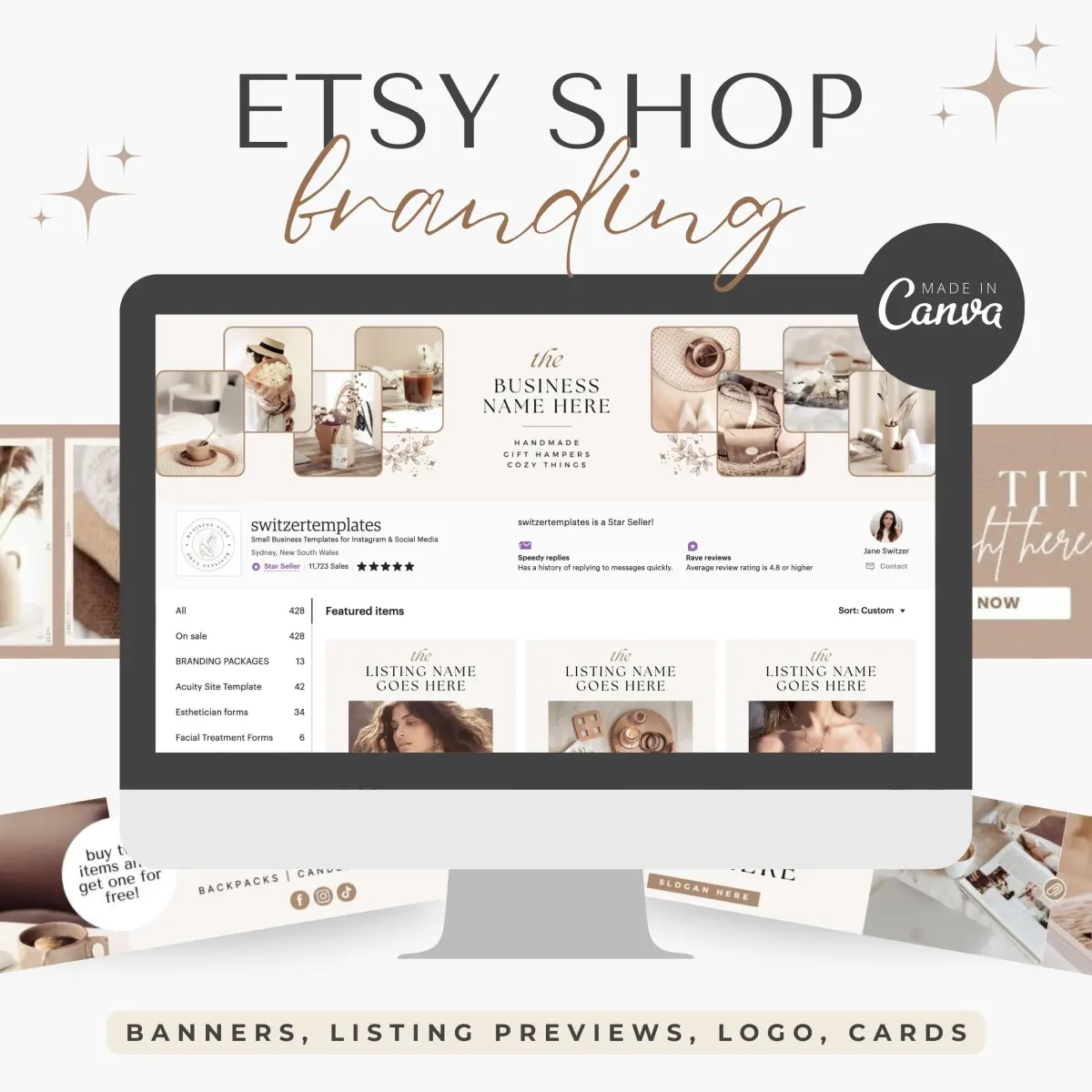
Professionalism is essential for long-term success on the platform. Your shop should have a cohesive look that reflects your brand identity. Upload a shop icon and a banner that represent your aesthetic, and write a compelling "About" section that tells the story behind your business. This personal touch differentiates independent sellers from mass-market retailers.
You must also establish clear shop policies to manage customer expectations. These policies should cover:
- Processing times, which indicate how long it takes you to prepare an order.
- Shipping policies, including which carriers you use and whether you offer international delivery.
- Return and exchange policies, which must be clearly stated to avoid disputes.
- Privacy policies regarding how you handle customer data.
By setting these parameters early, you protect yourself from potential conflicts and demonstrate that you run a reliable, organized operation. Keep your policies updated as your business grows and your shipping capabilities evolve.

Common mistakes when starting an Etsy shop
Many new sellers fail because they do not account for the total cost of doing business. Etsy charges a $0.20 listing fee for every item, which lasts for four months or until it sells. Additionally, there is a 6.5% transaction fee on the total sale price, including shipping. If you do not factor these costs into your pricing strategy, your profit margins will be significantly thinner than anticipated.
Another frequent error is neglecting search engine optimization (SEO). Many sellers write vague titles or ignore the tag section entirely, making it nearly impossible for customers to find their products. Additionally, poor photography is a major deterrent. If your images are blurry, dark, or lack context, shoppers are likely to move on to a competitor. Finally, avoid launching with only one or two items. A sparse shop often looks inactive or unprofessional, which can discourage potential buyers from making a purchase. Aim for at least 10 to 15 items to show that your shop is active and established.
How long does it take to see sales
The time it takes to make your first sale varies significantly based on your niche, your marketing efforts, and your SEO strategy. Some sellers make a sale within days of launching, while others may wait several months. Because Etsy is a competitive marketplace, you cannot rely solely on the platform's internal search traffic to drive sales. You should actively promote your shop on social media platforms like Instagram, Pinterest, or TikTok to bring external traffic to your listings.
Consistency is the most important factor in long-term growth. Regularly adding new items keeps your shop fresh and signals to the Etsy algorithm that you are an active seller. Respond to customer inquiries promptly and maintain high standards for packaging and shipping. Positive reviews are the lifeblood of an Etsy shop, as they provide social proof that encourages future shoppers to trust your brand. Focus on building a loyal customer base, and your sales volume will likely increase as your shop gains authority and visibility within the Etsy search ecosystem.
Key facts
- Etsy charges a $0.20 listing fee for each item, which lasts for four months or until the item sells.
- Sellers pay a 6.5% transaction fee on the total sale price, including shipping and gift wrapping costs.
- You must provide a bank account number and identity verification to receive payouts through Etsy Payments.
- Photos should be high-resolution and show your product from multiple angles against a clean, well-lit background.
- SEO, or search engine optimization, is essential; use descriptive tags and titles that match what customers type into the search bar.
- Etsy requires sellers to have a clear shop policy regarding returns, exchanges, and processing times to build buyer trust.
The bottom line
Starting an Etsy shop is a straightforward process that requires attention to detail, clear branding, and consistent maintenance. By focusing on high-quality product images, effective search engine optimization, and transparent customer service, you can build a sustainable online business. Remember to track your expenses carefully to account for listing fees and transaction costs, ensuring that your pricing remains profitable while staying competitive within your niche.
People also ask
Do I need a business license to sell on Etsy?
Whether you need a license depends on your local government regulations and the scale of your business. Many hobbyists start without one, but registering as a sole proprietorship or LLC is often required once you reach a certain income threshold.
Can I sell digital products on Etsy?
Yes, Etsy allows the sale of digital files such as printables, patterns, and templates. These items are delivered automatically to the buyer upon purchase, eliminating the need for physical shipping and inventory management.
How do I get my first sale?
Focus on high-quality photography and competitive pricing to attract initial interest. Sharing your shop link on social media platforms like Instagram or Pinterest can also drive traffic to your listings when you are first starting out.
What is the difference between Etsy Payments and PayPal?
Etsy Payments is the primary method that allows customers to pay via credit card, debit card, or Apple Pay directly through Etsy. While some sellers still offer PayPal, integrating through Etsy Payments is mandatory for most shops to manage finances centrally.
How long does it take to get paid?
New sellers may experience a "deposit delay" where funds are held for a few days to ensure order fulfillment. Once your shop is established, you can set your payout schedule to daily, weekly, or monthly intervals.
Can I run sales or discounts in my shop?
Etsy provides built-in marketing tools that allow you to create coupon codes or run percentage-off sales. These features are useful for clearing out old inventory or encouraging repeat purchases from existing customers.
This answer was created with the help of AI research tools and reference sources. Spotted an error? Let us know — we correct mistakes quickly. See our editorial policy.