What do coyotes eat?
Short answer
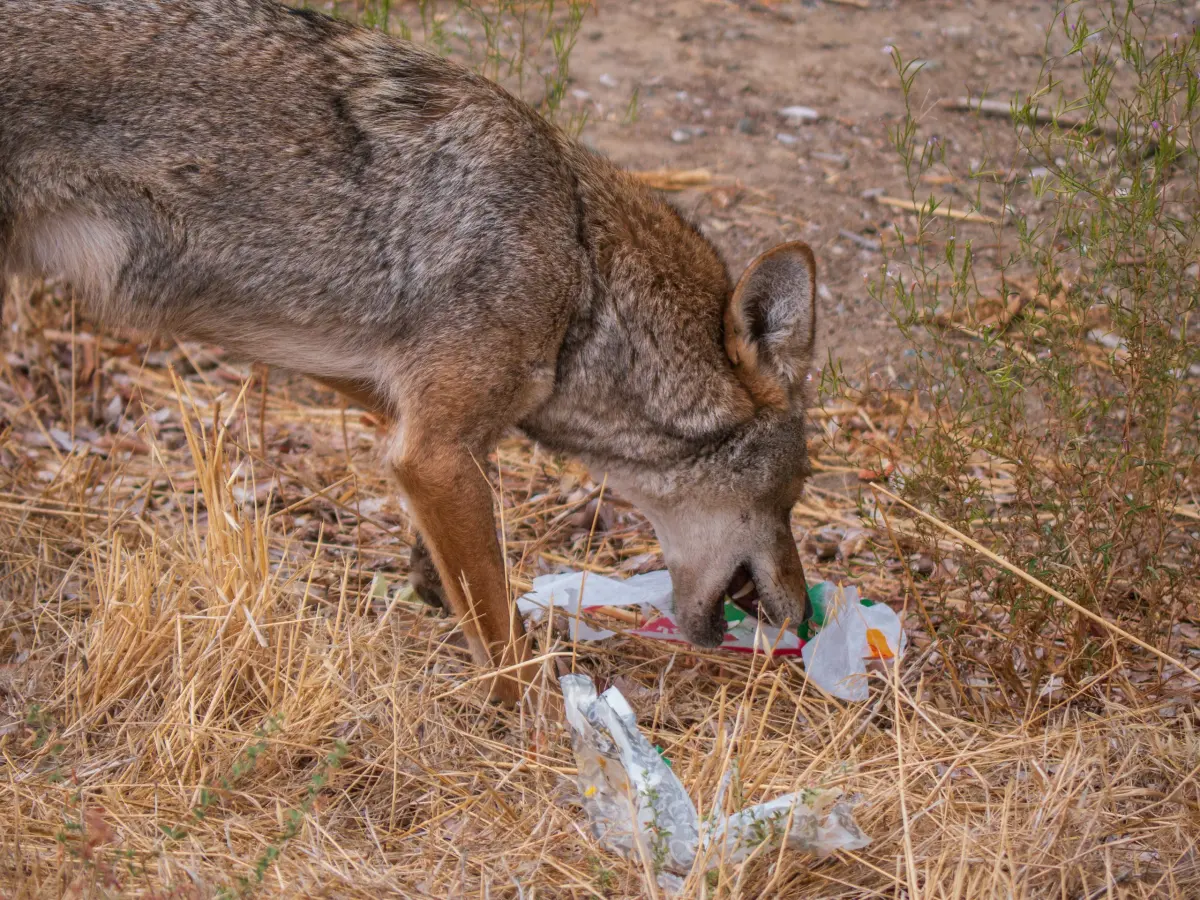
Coyotes are highly adaptable opportunistic omnivores. Their diet typically consists of small mammals like rodents and rabbits, supplemented by insects, fruit, and vegetation. In suburban environments, they frequently scavenge human-provided food, including pet food, garbage, and fallen birdseed. Their consumption habits shift seasonally to prioritize whatever food sources are most readily available.
On this page
What do coyotes eat in the wild?
In their natural habitat, coyotes function as essential predators that help maintain ecological balance. Their primary prey consists of small mammals such as voles, mice, rats, and rabbits. These animals provide the bulk of the coyote’s protein requirements. When these small mammals are scarce, coyotes will broaden their hunting scope to include ground-nesting birds, snakes, lizards, and large insects like grasshoppers or beetles.
During the warmer months, coyotes diversify their nutrient intake by consuming seasonal vegetation. They are particularly fond of wild berries, prickly pear fruit, and various grasses. This omnivorous behavior allows them to survive in diverse environments ranging from deserts to dense forests. By consuming a wide variety of prey and plant matter, coyotes ensure they remain well-nourished even when their preferred small-mammal prey populations fluctuate due to environmental changes.
- Voles, mice, and rats
- Rabbits and hares
- Ground-nesting birds and eggs
- Insects such as grasshoppers
- Wild berries and seasonal fruits
How do coyotes find food in suburban areas?
Coyotes have demonstrated remarkable intelligence in adapting to human-dominated landscapes. In suburban areas, they frequently transition from hunting wild prey to scavenging human-provided food sources. This behavior is driven by the ease of access to high-calorie items that require less energy to obtain than traditional hunting. Common attractants include overflowing trash cans, unsecured compost piles, and fallen fruit from backyard trees.
Pet owners often inadvertently invite coyotes into their yards by leaving food outside. Bowls of dog or cat food left on porches are major draws for hungry coyotes, especially during winter months when natural food sources are limited. Additionally, bird feeders that drop seeds to the ground attract rodents, which in turn lure coyotes to the area. Once a coyote identifies a consistent food source in a residential neighborhood, it is likely to return frequently.
- Secure all garbage bins with locking lids.
- Feed pets exclusively indoors.
- Remove fallen fruit from trees immediately.
- Clean up spilled birdseed under feeders.
- Compost food scraps in enclosed, animal-proof containers.
Why do coyotes hunt domestic pets?
While coyotes primarily target small wild animals, they may view domestic cats and small dogs as potential prey. This is not necessarily due to a preference for pets but rather a result of opportunistic hunting. A small dog or cat roaming outdoors at night occupies the same niche as a rabbit or a raccoon, making them vulnerable to a coyote that is patrolling its territory for food.
Coyotes are most active during dawn and dusk, which are also times when many pet owners allow their animals outside. If a pet is small and unsupervised, a coyote may perceive it as an easy, high-protein meal. This conflict often occurs in neighborhoods bordering open space or wooded areas. To protect pets, owners should keep them on a leash during walks and ensure they are indoors before sunset, as this significantly reduces the likelihood of a negative encounter.
Common mistakes when dealing with coyotes
One of the most significant errors people make is intentionally feeding coyotes. While some residents find it fascinating to observe wildlife up close, providing food causes coyotes to lose their natural fear of humans. This process, known as habituation, leads to bolder behavior and increases the risk of conflict. Once a coyote associates humans with food, it may begin approaching people or entering homes, which often necessitates lethal management by local animal control agencies.
Another common mistake is failing to secure property attractants. Many homeowners assume that a fence will keep coyotes away, but these animals are excellent jumpers and diggers. Relying solely on a fence without removing food sources like pet food or unsecured trash is ineffective. Furthermore, ignoring signs of coyote presence, such as sightings or scat, allows the animals to establish a routine in the area. Proactive management of attractants is the only way to discourage them from frequenting residential properties.
How to manage coyote encounters safely
If you encounter a coyote, the most important rule is to maintain your distance and never attempt to feed or approach the animal. If a coyote appears in your yard, you should practice "hazing" to discourage it from staying. Hazing involves making yourself appear large and intimidating, shouting in a loud, authoritative voice, and using noise-makers like air horns or whistles. The goal is to make the coyote feel uncomfortable and unwelcome in your space.
It is vital to remain calm during these encounters. Do not turn your back on the animal or run away, as this may trigger a predatory chase response. Instead, maintain eye contact and slowly back away while continuing to make noise. By consistently hazing coyotes whenever they appear, you reinforce their natural fear of humans. This approach helps keep the animals in the wild and minimizes the potential for dangerous interactions between coyotes and the human community.
Key facts
- Coyotes are opportunistic omnivores, meaning they consume almost any available food source including small mammals, fruits, and human refuse.
- Rabbits, rodents, and hares constitute the primary protein source for most coyote populations throughout North America.
- They are highly adaptable hunters that can switch their diet based on seasonal availability, such as eating insects in summer and berries in autumn.
- To prevent coyotes from being attracted to your property, secure all trash cans with locking lids and remove fallen fruit from trees.
- Never feed coyotes, as this causes them to lose their natural fear of humans and leads to dangerous habituation.
- Pet food left outdoors is a common attractant that draws coyotes into residential areas, so always feed pets inside.
The bottom line
Coyotes are incredibly versatile survivors that thrive by eating a diverse range of meat and vegetation. By understanding their opportunistic feeding habits, you can better protect your property and pets. The most effective way to discourage coyotes is to remove accessible food sources like trash and pet bowls. Respecting their role as wild predators while securing your home remains the best approach for peaceful coexistence.
People also ask
Do coyotes hunt domestic pets?
Yes, coyotes may view small cats and dogs as prey. It is essential to keep pets indoors at night and supervise them closely in fenced yards to prevent potential encounters.
Are coyotes dangerous to humans?
While attacks on humans are extremely rare, they can occur if a coyote has been fed by people or feels cornered. Maintaining a healthy distance and using hazing techniques like loud noises can help keep them wary.
Read the full answer →Do coyotes eat deer?
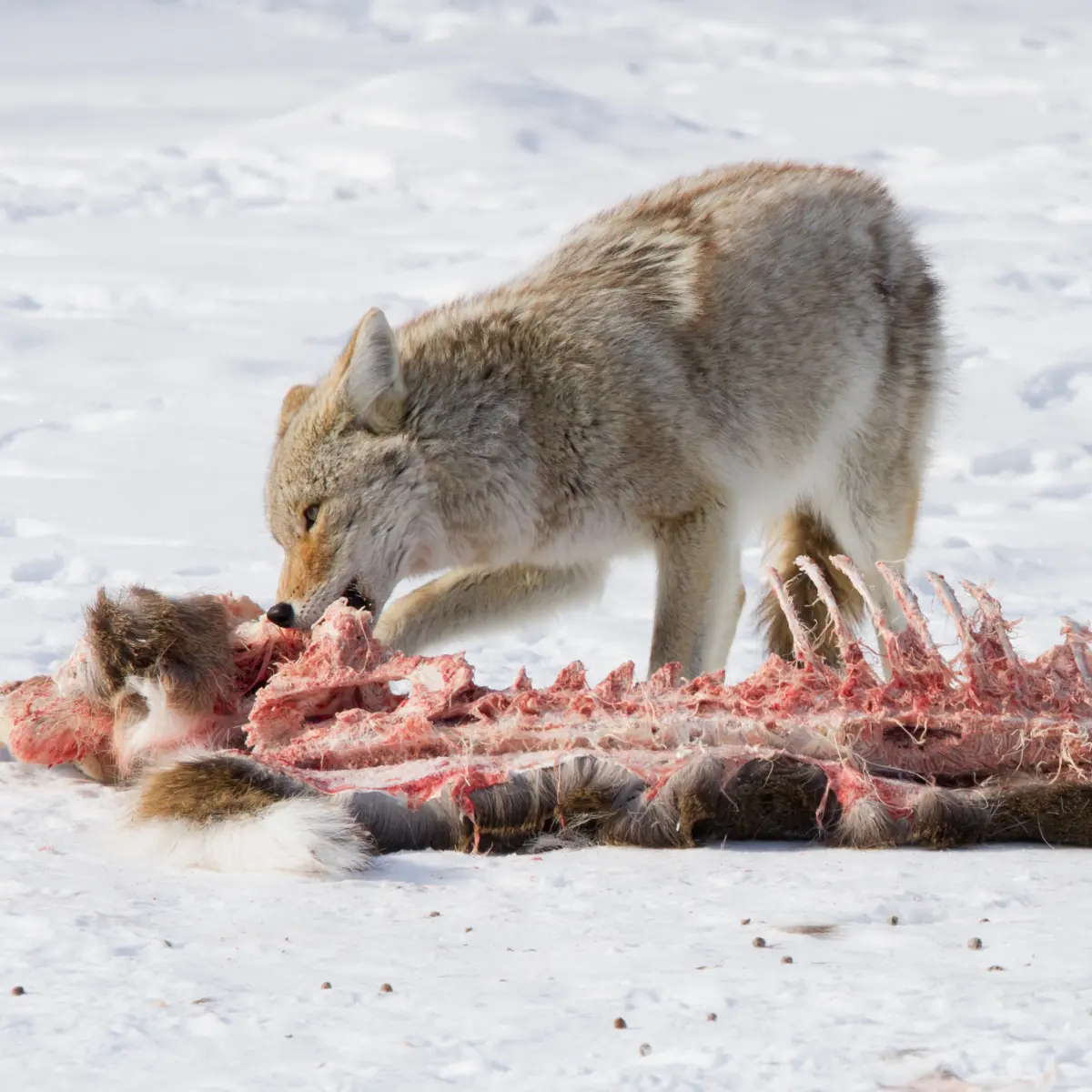
Coyotes occasionally hunt fawns or scavenge on deer carcasses, especially during harsh winter months. They are more likely to target weakened or injured adult deer rather than healthy, fully grown individuals.
How much food does a coyote need daily?
An adult coyote typically requires about two pounds of food per day to maintain its health. Because they are efficient foragers, they can easily find this amount in both rural and urban environments.
Do coyotes eat garden vegetables?
Coyotes are known to eat various garden crops, including watermelons, pumpkins, and corn. Their omnivorous nature allows them to supplement their meat-heavy diet with these sugary or starchy plant foods.
Can coyotes survive in large cities?
Coyotes are remarkably successful in urban areas because they exploit human-provided food sources like garbage and pet food. Their ability to navigate complex environments and hunt urban rodents makes them highly resilient city dwellers.
This answer was created with the help of AI research tools and reference sources. Spotted an error? Let us know — we correct mistakes quickly. See our editorial policy.