What do meerkats eat?
Short answer
Meerkats are primarily insectivores that sustain themselves on a diverse diet of beetles, spiders, scorpions, and small vertebrates. While they occasionally consume plant matter like tubers or roots for hydration, insects constitute the vast majority of their caloric intake. They are opportunistic foragers, constantly digging to uncover prey hidden underground.
On this page
What do meerkats eat in the wild?
Meerkats are highly specialized foragers that spend much of their waking hours digging for food in the arid landscapes of southern Africa, such as the Kalahari Desert. Their diet is predominantly insectivorous, meaning they rely on invertebrates to meet their nutritional requirements. Because they live in harsh, dry environments, they have evolved to be incredibly efficient at locating hidden prey beneath the sand.
The primary components of a meerkat's diet include:
- Beetles and beetle larvae
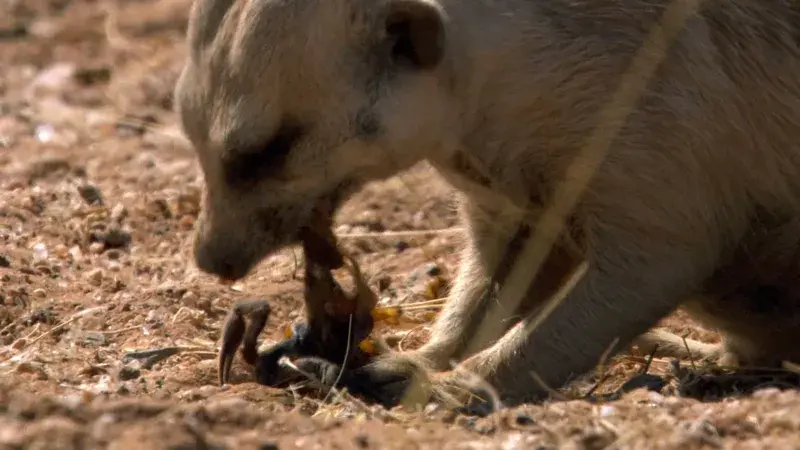
- Scorpions (they are famously immune to many scorpion venoms)
- Spiders and solifugids (camel spiders)
- Crickets and grasshoppers
- Small lizards and snakes
- Bird eggs and occasionally small rodents
While insects provide the bulk of their protein and fat, meerkats also consume plant material when water sources are scarce. They dig up tubers and roots, which serve as a vital source of moisture during the intense heat of the dry season. This opportunistic behavior allows them to survive in regions where surface water is rarely available.
How do meerkats hunt for food?
Hunting is a collaborative effort within a meerkat mob, characterized by a system of sentinels and foragers. While the majority of the group digs for prey, one or more individuals stand guard at elevated positions to watch for aerial and terrestrial predators. This division of labor allows the foragers to focus entirely on digging without needing to constantly scan the horizon for danger.
When a meerkat detects prey beneath the soil, it uses its long, non-retractable claws to excavate the area rapidly. They possess a nictitating membrane, a translucent third eyelid, which protects their eyes from flying sand while they dig. Once they uncover a meal, they use their sharp teeth to kill the prey quickly. If the prey is a dangerous animal like a scorpion, they have developed specific techniques to remove the stinger before consumption, demonstrating a remarkable level of learned behavior passed down through generations.
Why do meerkats eat scorpions?
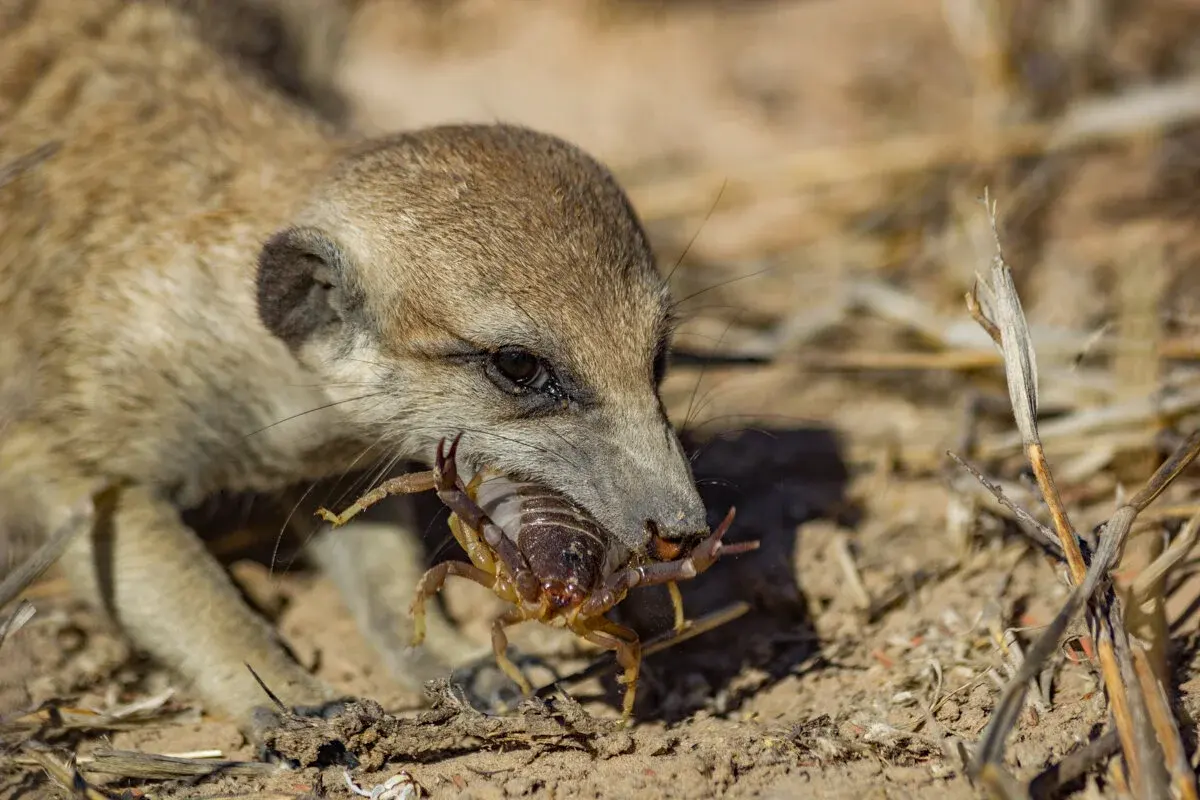
Scorpions are a staple of the meerkat diet, providing a dense source of energy and protein. Many observers are surprised by this, as scorpions are venomous and potentially lethal to many other small mammals. However, meerkats have evolved a high resistance to scorpion neurotoxins, allowing them to consume these arachnids with minimal risk of harm.
To safely consume a scorpion, a meerkat typically follows a precise set of actions:
- Locate the scorpion by scent or sight in the sand.
- Pin the scorpion down with its forepaws.
- Bite off the stinger or rub the tail against the sand to neutralize the venom.
- Consume the body of the scorpion while discarding the dangerous parts.
This dietary adaptation is a classic example of evolutionary specialization. By exploiting a food source that other predators avoid, meerkats reduce competition and ensure a steady food supply in a resource-poor environment.
Common mistakes when feeding meerkats in captivity
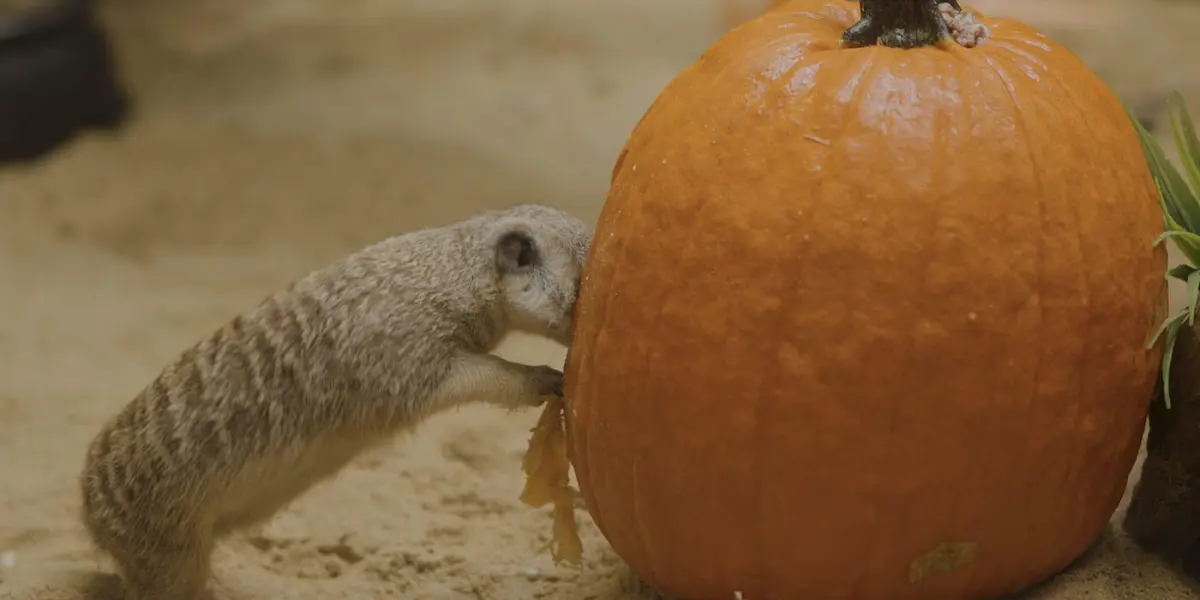
Feeding meerkats in a captive or sanctuary setting requires careful attention to their natural dietary needs. A common mistake is providing a diet that is too high in fruit or processed sugar, which can lead to obesity and dental issues. Meerkats are not frugivores, and their digestive systems are optimized for processing high-protein insect matter rather than simple carbohydrates.
Another frequent error is failing to provide "live" food or enrichment. In the wild, meerkats spend nearly their entire day active and digging. If food is simply placed in a bowl, they become sedentary, which leads to muscle atrophy and behavioral problems. Caretakers should encourage natural foraging behaviors by:
- Scattering live insects in deep sand pits.
- Hiding food inside hollow logs or puzzle feeders.
- Varying the types of insects provided to mimic seasonal dietary shifts.
- Ensuring that any plant matter provided is strictly limited to water-rich tubers.
How much do meerkats need to eat?
Because meerkats have a very high metabolic rate, they must consume a significant amount of food relative to their body weight every single day. An adult meerkat typically weighs between 1.5 and 2.5 pounds and must spend six to eight hours daily searching for food to maintain its energy levels. If they fail to find enough food for a few consecutive days, they can lose weight rapidly, which severely impacts their ability to reproduce or defend their territory.
During the winter months, when the ground is harder and insects are less active, the mob may need to travel further distances to find sufficient sustenance. Young meerkats learn to hunt by watching their elders, who often bring dead or injured prey to the pups to teach them how to handle different types of food. This social learning process is essential for the survival of the group, ensuring that every member is capable of contributing to the caloric needs of the mob.
Key facts
- Meerkats are primarily insectivores, meaning their diet consists mostly of insects like beetles, spiders, and scorpions.
- They are opportunistic foragers and will also consume small reptiles, amphibians, bird eggs, and occasionally plant roots or tubers.
- A meerkat’s metabolism is very fast, requiring them to spend most of their waking hours foraging to maintain energy levels.
- They are immune to the venom of many scorpions and snakes found in their native Kalahari Desert habitat.
- Foraging is a social activity, with one meerkat often acting as a "sentry" to watch for predators while the others eat.
- Never attempt to feed wild meerkats, as human food can cause severe digestive issues and disrupt their natural survival instincts.
The bottom line
Meerkats are highly specialized insectivores that thrive in the harsh conditions of the Kalahari Desert by maintaining a diverse, opportunistic diet. By relying on insects, small reptiles, and moisture-rich tubers, they sustain their rapid metabolism. Understanding that these social animals require constant foraging helps clarify why they are unsuitable as pets and why their natural behaviors are essential for their survival in the wild.
People also ask
Do meerkats drink water?
Meerkats get most of their hydration from the moisture found in the insects and roots they consume. They rarely need to drink standing water, though they will do so if it is readily available in their environment.
How do meerkats handle venomous prey?
Meerkats have evolved a high resistance to the toxins found in scorpions and venomous snakes. They typically use their sharp claws to disable a scorpion’s stinger before consuming the rest of the body.
Do meerkats eat plants?
While they are primarily carnivores, meerkats supplement their diet with plant matter during dry seasons. They dig for tubers and roots to obtain essential water and nutrients when insect populations are low.
How much do meerkats eat in a day?
Because of their high metabolic rate, meerkats must consume a significant amount of food relative to their body weight daily. They spend approximately 6 to 8 hours every day actively searching for prey to sustain themselves.
Do meerkats store food?
Meerkats do not store or cache food for later consumption. They consume their prey immediately upon capture, as their social structure and high energy needs favor constant, active foraging over food storage.
Can meerkats be kept as pets?
Meerkats are wild animals with complex social needs and specific dietary requirements that are nearly impossible to replicate in a home environment. Keeping them as pets is illegal in many regions and often leads to health problems for the animal.
This answer was created with the help of AI research tools and reference sources. Spotted an error? Let us know — we correct mistakes quickly. See our editorial policy.