Where do jellyfish live?
Short answer
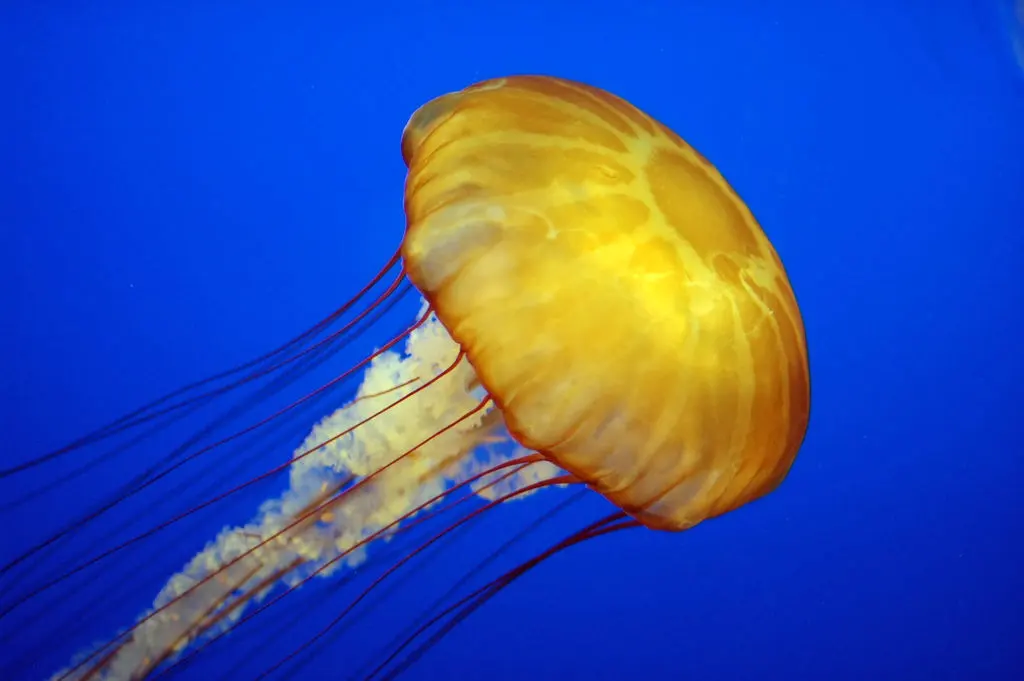
Jellyfish inhabit every ocean on Earth, ranging from the sunlit surface to the deepest, darkest trenches. While most species thrive in saltwater environments, a few rare types dwell in freshwater lakes. Their distribution is dictated primarily by water temperature, salinity levels, and the availability of plankton, which serves as their primary food source.
On this page
Where do jellyfish live in the ocean?
Jellyfish are found in all marine environments, from the frigid waters of the Arctic and Antarctic to the warm, tropical currents of the equator. They are pelagic creatures, meaning they spend the majority of their lives drifting through the open water column. Because they lack complex brains or hearts, they rely entirely on ocean currents to transport them across vast distances.
Their habitat preferences often shift based on the species' life cycle and environmental needs. Some jellyfish, like the Moon Jellyfish, prefer calm, shallow coastal waters and estuaries where nutrients are abundant. Others, such as the deep-sea Atolla jellyfish, have adapted to the high-pressure, freezing conditions of the bathypelagic zone, thousands of meters below the surface. Regardless of the depth, these gelatinous animals are ubiquitous in the global marine ecosystem.
How do jellyfish survive in different water conditions?
Survival for jellyfish depends on their ability to tolerate specific ranges of salinity and temperature. Most species require high-salinity saltwater to maintain their buoyancy and physiological functions. However, some jellyfish have evolved remarkable adaptations to survive in fluctuating environments, such as brackish water found in river deltas where freshwater meets the sea.
- Temperature regulation: Jellyfish are ectothermic and rely on the ambient water temperature to regulate their bodies.
- Salinity tolerance: Species living in estuaries can adjust their internal salt balance to survive changing tides.
- Nutrient availability: They gravitate toward areas with high plankton density, often following seasonal blooms.
When water conditions become unfavorable, such as during extreme heatwaves or pollution events, certain jellyfish species can enter a dormant state or reproduce rapidly to ensure the survival of their population. This resilience explains why jellyfish blooms are becoming more frequent in degraded marine habitats.
Can jellyfish live in freshwater?
While the vast majority of jellyfish are marine, there is one notable exception: the freshwater jellyfish, Craspedacusta sowerbii. Originally native to the Yangtze River basin in China, this species has spread to freshwater lakes, ponds, and reservoirs across almost every continent. Unlike their oceanic cousins, these tiny, translucent jellies are often overlooked because they are small and appear only sporadically.
- Identify the water source: Freshwater jellyfish typically inhabit stagnant or slow-moving bodies of water.
- Monitor seasonal changes: They are most visible during late summer when water temperatures rise above 25°C (77°F).
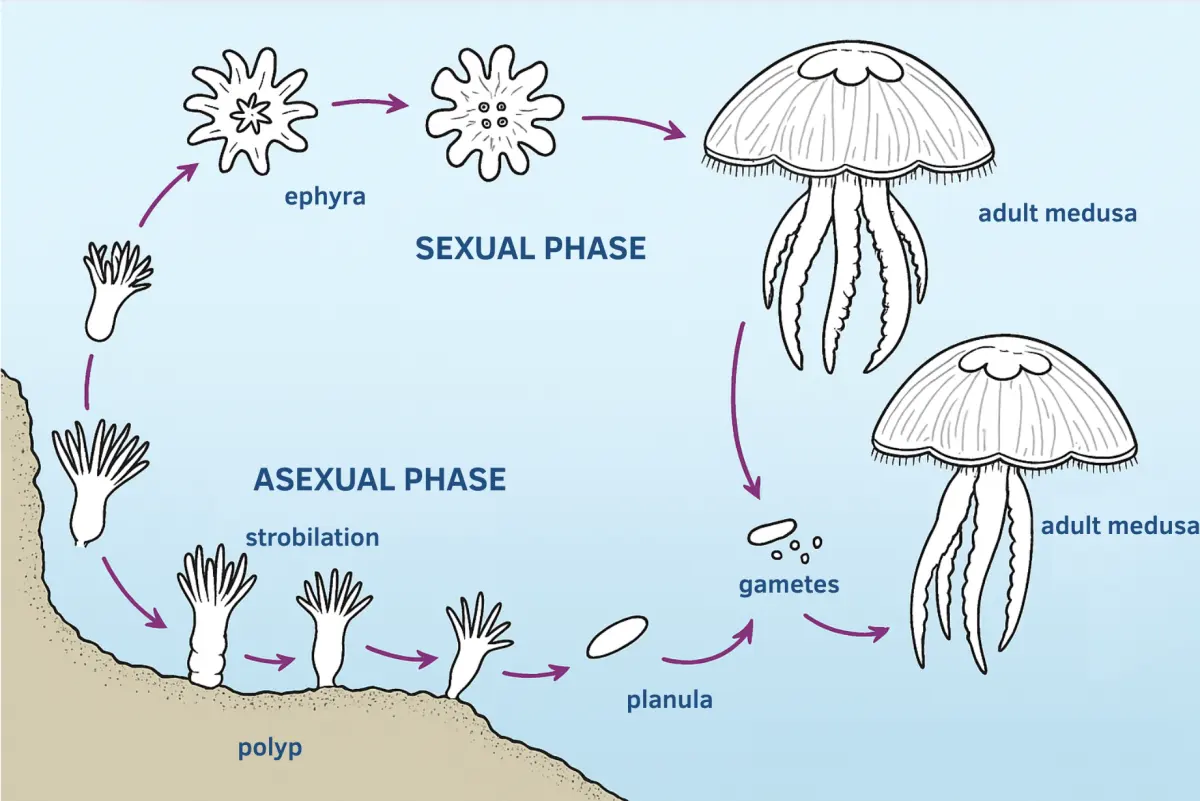
- Observe the life cycle: They spend most of their time as tiny polyps attached to rocks or vegetation on the lake bed.
The presence of these creatures is often an indicator of a healthy, stable freshwater ecosystem. They do not pose a significant threat to humans, as their sting is generally too weak to penetrate human skin.
What are the most common habitats for jellyfish?
Jellyfish occupy specific ecological niches that provide them with the best chance for survival and reproduction. Coastal regions, particularly those with protected bays and harbors, are prime real estate for many species. These areas provide shelter from strong offshore currents and offer a steady supply of small crustaceans, fish larvae, and other plankton.
- Coastal estuaries: Rich in nutrients and protected from deep-ocean turbulence.
- Open ocean gyres: Massive circular currents that trap jellyfish and their food sources together.
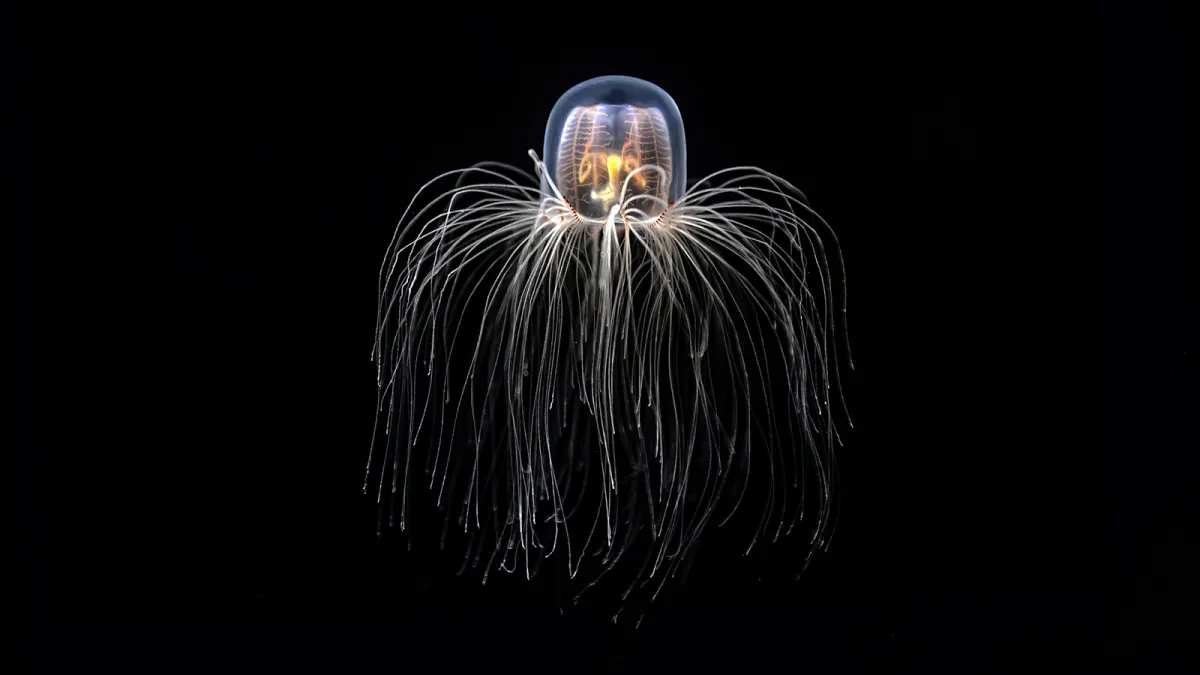
- Deep-sea trenches: Specialized environments where bioluminescent species thrive in total darkness.
- Coral reefs: Often serve as nurseries for jellyfish polyps that attach to hard surfaces.
Understanding these habitats helps researchers predict where large swarms might occur. By mapping water temperature and current patterns, scientists can identify "hotspots" where jellyfish populations are likely to congregate during their peak reproductive seasons.
Common mistakes when looking for jellyfish
One common mistake is assuming that jellyfish only live near the surface of the water. While many species are visible from the shore, the deep-sea varieties remain hidden from casual observation. Another error is believing that jellyfish are always dangerous; while some, like the Box Jellyfish, possess potent venom, the vast majority of species are harmless to humans.
To safely observe jellyfish in their natural habitat, follow these guidelines:
- Always wear protective gear, such as a rash guard or wetsuit, if you are swimming in areas known for jellyfish.
- Avoid touching any jellyfish you find, as even non-lethal species can cause skin irritation.
- Check local beach reports for "jellyfish warnings" before entering the water, as winds can push large swarms toward the shore.
By respecting their space and understanding their environmental requirements, you can safely appreciate these fascinating, ancient organisms in their natural homes without risking injury or disturbing their delicate life cycles.
Key facts
- Jellyfish inhabit every ocean on Earth, from the sunlit surface waters to the deepest, darkest trenches.
- While most species thrive in saltwater, a few rare types, such as Craspedacusta sowerbii, live in freshwater lakes and rivers.
- They are found in all temperature zones, ranging from the freezing Arctic and Antarctic waters to the balmy tropics.
- Jellyfish do not have brains or central nervous systems, so they rely on ocean currents to drift through their habitats.
- Coastal areas are common hotspots, but many species spend their entire life cycles in the open ocean, known as the pelagic zone.
- If you encounter a jellyfish while swimming, avoid touching it; even beached or dead specimens can still deliver painful stings.
The bottom line
Jellyfish are remarkably adaptable creatures found in every marine environment across the globe, from shallow coastal bays to the deepest ocean basins. While they primarily inhabit saltwater, their ability to drift with currents allows them to colonize diverse ecosystems. Whether you are swimming in the tropics or exploring a freshwater lake, understanding their distribution helps you appreciate these ancient, drifting organisms that have successfully mastered the world's waters.
People also ask
Can jellyfish survive in a home aquarium?
Yes, but they require specialized tanks with rounded corners and gentle water flow to prevent them from getting stuck or damaged. You must maintain precise water quality and provide specific live food like brine shrimp to keep them alive.
Are all jellyfish dangerous to humans?
No, the vast majority of jellyfish stings are mild and cause only minor irritation. However, species like the box jellyfish possess potent toxins that can be life-threatening to humans.
Do jellyfish migrate across the ocean?
Jellyfish do not migrate with purpose like birds or whales; instead, they are transported long distances by prevailing ocean currents and tides. Large groups, called blooms, often appear in specific areas when environmental conditions favor rapid reproduction.
How do jellyfish handle extreme water pressure?
Jellyfish lack gas-filled cavities like swim bladders, which allows their bodies to withstand immense pressure at great depths. Their gelatinous composition is mostly water, making them structurally suited for deep-sea environments.
Why do jellyfish sometimes wash up on the beach?
Strong winds, changing tides, and ocean currents often push jellyfish toward the shore where they become stranded. Once out of the water, they cannot return to the ocean on their own and will eventually dry out.
How long do jellyfish live in the wild?
Most jellyfish have short lifespans, often living only a few months during the warmer seasons. Some species, however, can survive for years, and the Turritopsis dohrnii is biologically immortal, capable of reverting to its juvenile polyp stage.
This answer was created with the help of AI research tools and reference sources. Spotted an error? Let us know — we correct mistakes quickly. See our editorial policy.