How long do seahorses live?
Short answer
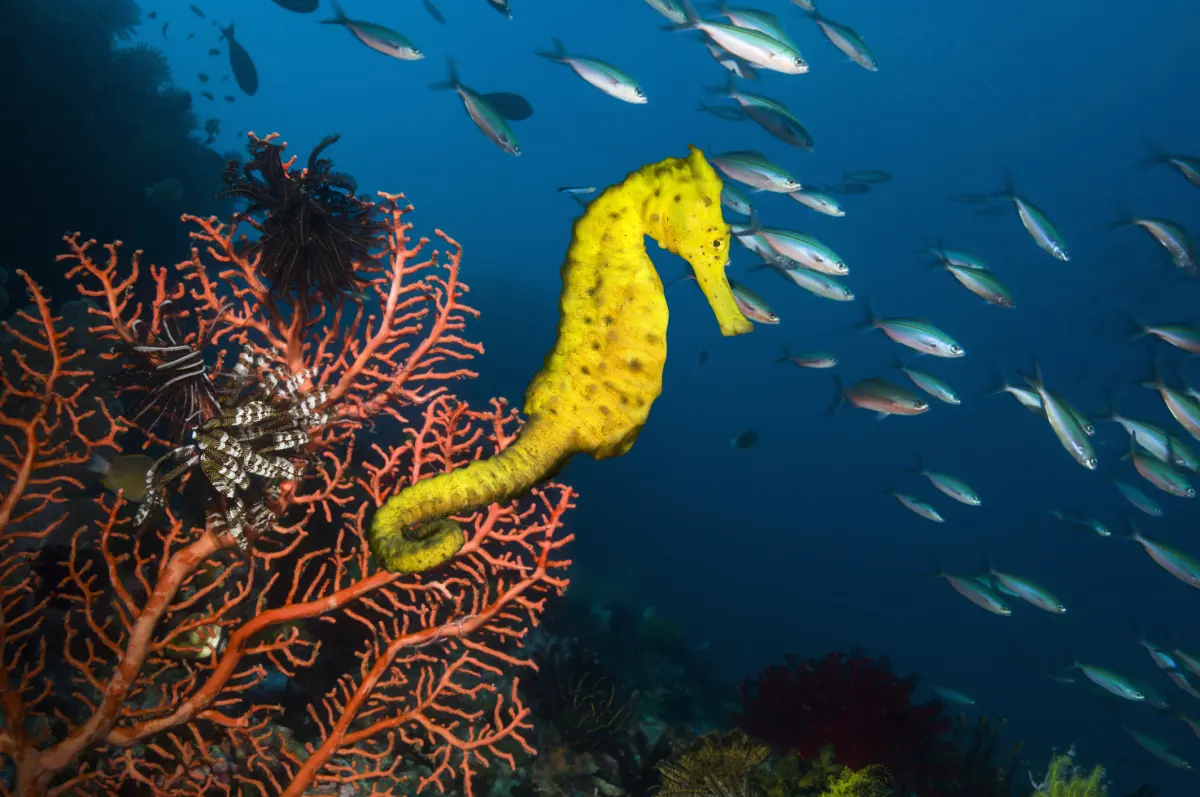
Seahorses typically live between one and five years in the wild, depending on their specific species and environmental conditions. Smaller species, such as the dwarf seahorse, often have shorter lifespans of about one year, while larger species like the lined seahorse can survive up to five years in optimal, stable habitats.
On this page
How long do different seahorse species live?
The lifespan of a seahorse is significantly influenced by its biological classification and physical size. Scientists have identified over 40 species of seahorses, and their life expectancy varies based on their metabolic rates and natural predators. Smaller species, such as the Hippocampus zosterae, reach maturity quickly and often complete their entire life cycle within 12 months.
In contrast, larger species such as the Big-belly seahorse (Hippocampus abdominalis) are more robust and can live for several years. These larger seahorses inhabit deeper, more stable waters, which provides a buffer against the rapid environmental changes that often threaten smaller, shallow-water varieties. Regardless of the species, the following factors generally dictate their longevity:
- Predation rates in their specific geographic region.
- The availability of consistent food sources like copepods and brine shrimp.
- The presence of complex habitats, such as seagrass beds or coral reefs, for camouflage.
Why do seahorses have such short lifespans?
Seahorses face extreme biological pressures that limit their survival in the wild. As poor swimmers, they rely entirely on their ability to blend into their surroundings to avoid being eaten by crabs, rays, and larger fish. Because they lack scales and possess a bony, rigid exterior, they are not fast enough to escape predators, making them highly vulnerable during their daily search for food.
Furthermore, their reproductive strategy involves a high turnover rate. Male seahorses carry eggs in a brood pouch, and they can produce hundreds of offspring in a single cycle. However, the survival rate for these fry is exceptionally low, often less than 0.5 percent. This evolutionary trade-off means that nature prioritizes rapid reproduction over individual longevity. Because they are constantly exposed to the dangers of the open ocean, the majority of seahorses do not reach their theoretical maximum age.
How to care for seahorses in an aquarium
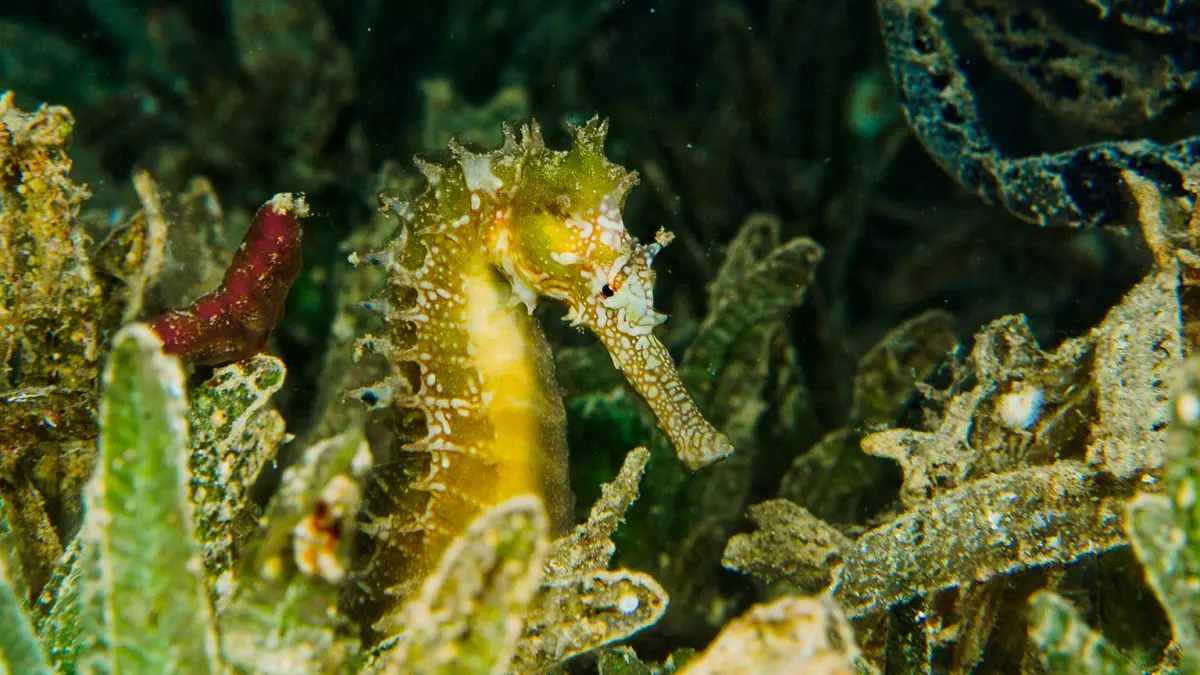
Keeping seahorses in captivity requires a high level of commitment and specialized equipment to ensure they live toward the upper end of their lifespan. Unlike standard tropical fish, seahorses are extremely sensitive to water quality and stress. They require a dedicated tank that is tall enough to allow for their natural vertical swimming behavior and a low-flow filtration system that does not exhaust them.
If you are considering keeping seahorses, follow these essential steps to maintain their health:
- Establish a mature, cycled tank with plenty of hitching posts like artificial seagrass or macroalgae.
- Maintain a consistent temperature between 72 and 75 degrees Fahrenheit, as higher temperatures increase bacterial growth.
- Provide live, gut-loaded food such as mysis shrimp at least twice daily to meet their high metabolic needs.
- Perform weekly water changes of 10 to 20 percent to keep nitrate and ammonia levels at absolute zero.
Common mistakes when keeping seahorses
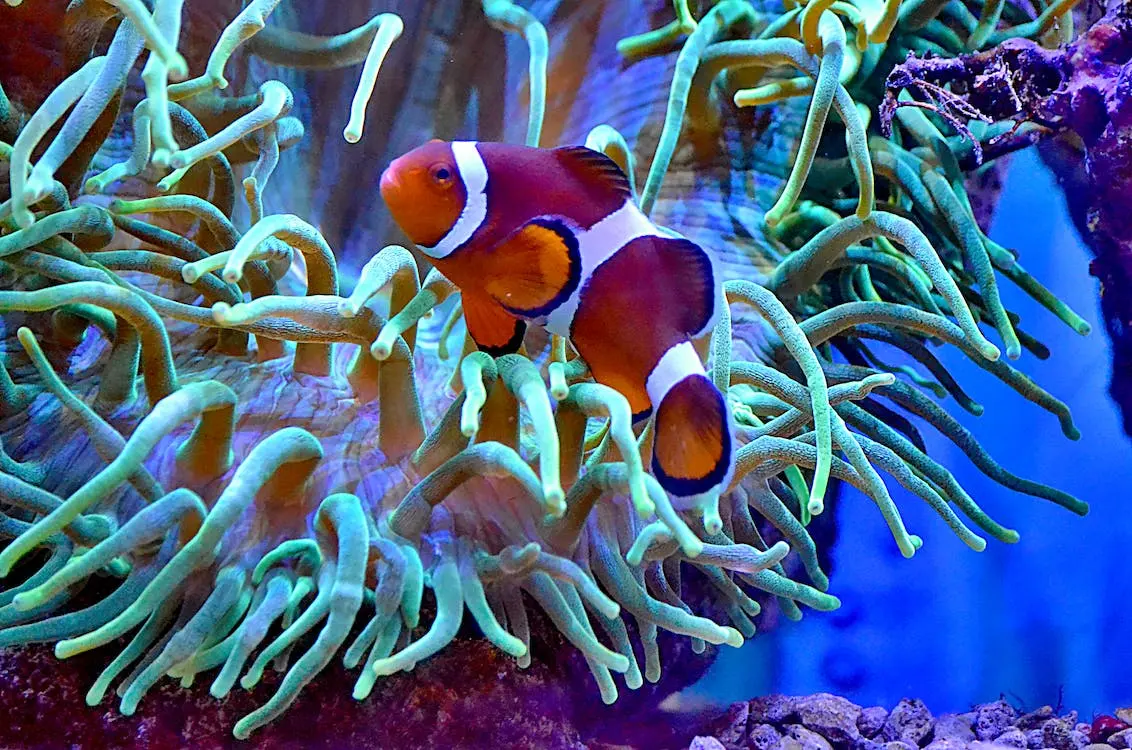
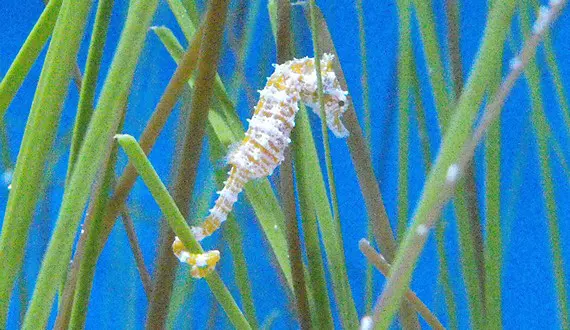
One of the most frequent errors hobbyists make is placing seahorses in a community tank with aggressive or fast-moving fish. Seahorses are slow eaters; if they are forced to compete for food with species like clownfish or tangs, they will inevitably starve. Furthermore, aggressive tank mates can cause physical injury to the seahorse’s delicate skin, leading to fatal infections.
Another common mistake is failing to provide a specialized diet. Seahorses have a primitive digestive system and require frequent, small feedings throughout the day. Owners who only feed them once daily often see their seahorses become lethargic and susceptible to diseases. Additionally, ignoring the need for "hitching posts" is detrimental. Because they are not strong swimmers, seahorses must be able to anchor themselves to objects using their prehensile tails to rest. Without these structures, they become stressed, which significantly shortens their lifespan and weakens their immune system against common marine pathogens.
What environmental factors affect seahorse survival?
The wild environment is the ultimate determinant of how long a seahorse will survive. Pollution, habitat destruction, and climate change are currently the greatest threats to their longevity. As seagrass meadows and coral reefs are degraded by human activity, seahorses lose the essential camouflage they need to hide from predators. When their environment becomes fragmented, they are forced to travel across open, exposed areas, which dramatically increases their mortality rate.
Ocean acidification also poses a hidden threat, as it can weaken the bony plates that form the seahorse's protective armor. When these structures are compromised, the seahorse becomes more prone to injury and disease. Conservation efforts are currently focusing on protecting these vital coastal ecosystems to ensure that seahorse populations can maintain their natural lifespans. By reducing chemical runoff and protecting seagrass beds from trawling, we can help these unique creatures survive for their full potential duration in the wild. Protecting their habitat is the single most effective way to ensure the long-term viability of these fascinating marine animals.
Key facts
- Most seahorse species live between one and five years in the wild.
- Larger species, such as the Big-belly seahorse, tend to live longer than smaller varieties.
- Captive seahorses often have shorter lifespans due to the difficulty of replicating their complex dietary needs.
- High water temperatures in home aquariums can accelerate a seahorse's metabolism, potentially shortening its lifespan.
- Seahorses are monogamous during a breeding season, which influences their reproductive output and survival strategies.
- Avoid housing seahorses with aggressive fish, as their slow swimming speed makes them vulnerable to starvation and stress.
The bottom line
The lifespan of a seahorse is relatively short, typically ranging from one to five years depending on the species and environmental conditions. While they are fascinating creatures to observe, their specific requirements for diet, water quality, and tank mates make them challenging to keep in captivity. Understanding these limitations is essential for anyone interested in their biology or considering them for a professional marine aquarium setting.
People also ask
Do seahorses make good pets for beginners?
Seahorses are considered expert-level pets because they require specialized care, including live food and pristine water conditions. Beginners often struggle to maintain the strict environment necessary to keep them healthy.
What do seahorses eat in the wild?
They primarily consume tiny crustaceans like brine shrimp and copepods. They use their specialized snouts to create suction, pulling prey into their mouths with remarkable speed.
Why are seahorses considered endangered?
Many species face threats from habitat destruction, pollution, and overfishing for the traditional medicine trade. Their low reproductive rate makes it difficult for populations to recover quickly from these pressures.
How do seahorses reproduce?
The female deposits eggs into the male’s brood pouch, where he fertilizes and carries them until they hatch. This unique biological role reversal is one of the most famous traits of the seahorse.
Can seahorses survive in freshwater?
Almost all seahorse species are strictly marine and require saltwater to survive. Only a few rare species can tolerate brackish water for short periods, but they are not true freshwater animals.
How fast do seahorses swim?
Seahorses are among the slowest swimmers in the ocean, relying on a small dorsal fin for propulsion. They prefer to anchor themselves to seagrass or coral using their prehensile tails to conserve energy.
This answer was created with the help of AI research tools and reference sources. Spotted an error? Let us know — we correct mistakes quickly. See our editorial policy.