Why do cats knead?
Short answer
Cats knead as a vestigial behavior rooted in kittenhood, where they rhythmically push their paws against their mother to stimulate milk flow. In adulthood, this instinctual motion serves as a sign of contentment, comfort, and territorial marking. It is a natural way for cats to signal that they feel safe and relaxed.
On this page
Why do cats knead?
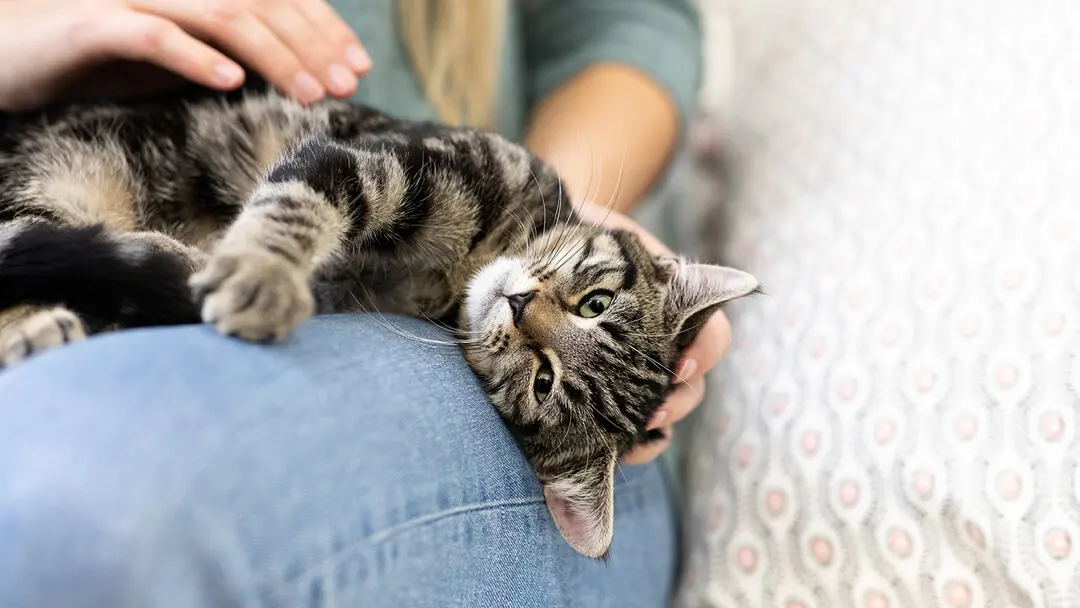
Kneading, often colloquially called "making biscuits," is a rhythmic motion where a cat pushes its front paws in and out against a soft surface. This behavior begins shortly after birth when kittens knead their mother’s abdomen to trigger the release of milk. Even after weaning, the neural pathway associated with this action remains, linking the physical sensation to feelings of security and warmth.
When an adult cat kneads, it is often a sign that they associate their current environment or human companion with the safety they felt as kittens. By mimicking this early developmental stage, the cat is expressing deep trust and contentment. It is common for cats to purr while kneading, which further reinforces their state of relaxation and emotional well-being.
What does it mean when cats knead?
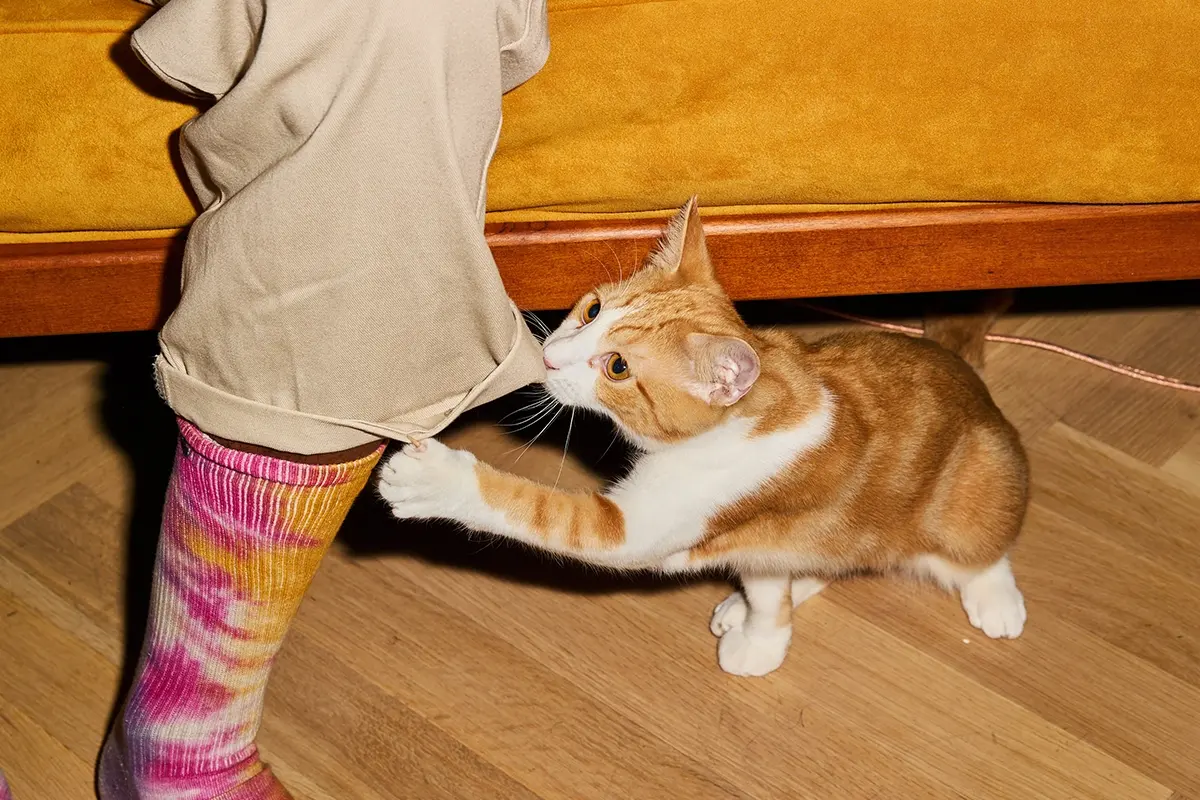
Beyond simple comfort, kneading serves several practical purposes for a feline. Cats possess scent glands located in the soft pads of their paws. When they push rhythmically against a surface, they release these pheromones, effectively marking the area as their own. This behavior helps establish a sense of territory and familiarity within their living space.
Additionally, kneading can be a form of self-soothing. If a cat is feeling stressed or anxious, the repetitive nature of the motion can act as a calming mechanism. Some experts also suggest that wild ancestors of the domestic cat kneaded tall grass to create a soft, flat bed for sleeping or giving birth, making the behavior a deeply ingrained survival instinct.
How to handle kneading on your lap
Because cats have sharp claws, kneading can be physically uncomfortable for owners. However, it is important to remember that the cat is not trying to be aggressive. Instead of punishing the cat, which can cause confusion and damage the bond you share, consider these gentle management techniques:
- Place a thick, soft blanket between your lap and the cat to act as a barrier against sharp claws.
- Keep the cat’s nails trimmed regularly to minimize the impact of the kneading motion.
- Gently redirect the cat to a different spot or offer a toy if the pressure becomes too painful for your skin.
By providing a designated surface for them to knead, you allow them to express their natural behaviors without causing you discomfort.
Common mistakes when dealing with kneading
A frequent error owners make is pushing the cat away abruptly or scolding them during a kneading session. Because the behavior is an expression of affection, a negative reaction can lead the cat to feel rejected or confused, potentially causing them to withdraw. Avoid these common pitfalls to maintain a healthy relationship with your pet:
- Do not yell at or spray the cat with water for kneading, as this creates fear rather than teaching a lesson.
- Never grab the cat’s paws to stop the motion, as this can be startling and may lead to defensive scratching.
- Do not assume that kneading is always a sign of happiness; if the behavior is accompanied by heavy panting or pacing, it may indicate underlying health issues.
If you observe sudden, obsessive kneading that results in self-injury or destruction of furniture, consult a veterinarian to rule out behavioral or medical concerns.
When should you be concerned?
While kneading is usually a harmless and endearing behavior, there are instances where it warrants closer attention. If your cat begins to knead excessively, particularly if they are also chewing on the fabric or their own skin, it could be a sign of compulsive behavior. This is sometimes linked to early weaning or high levels of environmental stress.
Monitor your cat for the following signs that suggest the behavior might be problematic:
- Excessive grooming of the area being kneaded, which may lead to bald spots or skin irritation.
- Inability to settle down or sleep after a long period of kneading.
- Intense focus that makes the cat unresponsive to your voice or surroundings.
If you notice these patterns, try to enrich their environment with more play and mental stimulation. If the behavior persists and causes physical harm, a professional animal behaviorist can help you identify and address the root cause of the anxiety.
Key facts
- Kneading, often called "making biscuits," is a rhythmic motion where cats push their paws in and out against a soft surface.
- This behavior originates in kittenhood, as nursing kittens knead their mother’s belly to stimulate milk flow.
- Adult cats often knead when they feel safe, content, or are preparing a comfortable place to sleep.
- Kneading releases feel-good endorphins in the cat, which helps them self-soothe and relax.
- Because cats have scent glands in their paw pads, kneading allows them to mark their territory and claim an object or person as their own.
- To protect your skin or furniture, keep your cat’s claws trimmed regularly or provide a thick blanket for them to knead on.
The bottom line
Kneading is a deeply ingrained instinctual behavior that serves as a primary way for cats to express comfort, mark territory, and self-soothe. By mimicking the nursing motions of kittenhood, cats create a sense of security and emotional well-being. Understanding this rhythmic habit allows owners to better bond with their pets, ensuring that this display of affection remains a positive and pain-free experience for both parties involved.
People also ask
Why do cats knead me specifically?
When a cat kneads you, it is a high compliment indicating they view you as a source of comfort and security. They are essentially treating you like a parent, signaling that they feel safe enough to enter a vulnerable, relaxed state in your presence.
Is it normal for a cat to knead and bite at the same time?
While kneading is usually soothing, some cats combine it with gentle biting or "nursing" on fabric. This is often a sign of early weaning or extreme comfort, though you should discourage biting skin by gently redirecting them to a toy.
Should I stop my cat from kneading?
You should never punish a cat for kneading, as it is a natural, instinctual behavior that helps them regulate their emotions. If the claws are painful, simply place a soft towel or thick fleece blanket between your lap and the cat to act as a protective barrier.
Do all cat breeds knead?
Yes, kneading is a universal feline behavior observed across all domestic cat breeds. While the intensity and frequency vary based on personality and upbringing, every cat possesses the biological drive to perform this rhythmic motion.
Why do some cats purr while they knead?
Kneading and purring are both physiological markers of feline contentment and relaxation. When performed together, they indicate that the cat is in a state of total bliss and is likely preparing to drift off to sleep.
Does excessive kneading indicate a medical problem?
Excessive kneading is rarely a medical issue, but it can sometimes signify stress or anxiety in a cat. If your cat is kneading constantly to the point of exhaustion or seems unable to settle down, consult a veterinarian to rule out underlying health concerns.
This answer was created with the help of AI research tools and reference sources. Spotted an error? Let us know — we correct mistakes quickly. See our editorial policy.