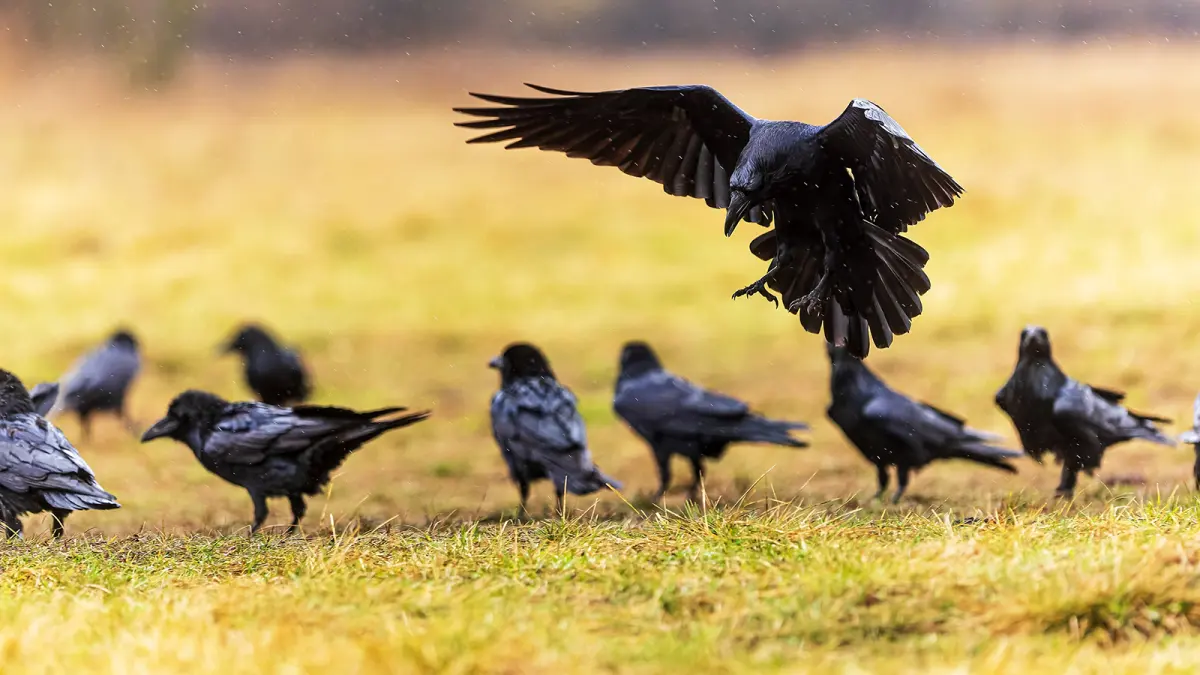
Where do crows live?
Short answer
Crows inhabit every continent except Antarctica and South America, thriving in diverse environments ranging from dense forests to bustling urban centers. They are highly adaptable birds, commonly found in agricultural fields, parks, woodlands, and suburban neighborhoods. Their global success stems from their intelligence and ability to utilize various human-altered landscapes.
On this page
Where do crows live in the world?
Crows belong to the genus Corvus, a widespread group of birds found across nearly all terrestrial habitats on Earth. While they are absent from the frozen expanses of Antarctica and the vast rainforests of South America, they occupy almost every other major landmass. The American crow is ubiquitous across North America, while the carrion crow and hooded crow dominate much of Europe and Asia.
Their distribution is remarkably broad because they are dietary generalists. Unlike specialized birds that rely on specific plants or insects, crows consume almost anything, including grains, carrion, insects, and human refuse. This flexibility allows them to establish populations in extreme climates, from the arid deserts of the Middle East to the temperate forests of Scandinavia. They are highly mobile creatures, often traveling significant distances to find reliable food sources or communal roosting sites.
How to identify crow habitats near you
If you want to spot crows, look for areas that provide both high vantage points and proximity to food. Crows prefer nesting in tall trees, such as pines, oaks, or maples, which offer protection from ground predators. They often choose locations near open fields, golf courses, or trash collection sites where scavenging is easy. During the day, you will frequently see them perched on power lines, fence posts, or the tops of buildings.
To effectively locate them in your local area, follow these steps:
- Scan the tops of tall trees during the early morning for large, stick-built nests.
- Check local parks or school athletic fields, as these open spaces are prime foraging grounds.
- Listen for their distinct, harsh "caw" calls, which are often used to communicate with other group members.
- Look for large gatherings in late afternoon, as they often congregate in communal roosts before nightfall.
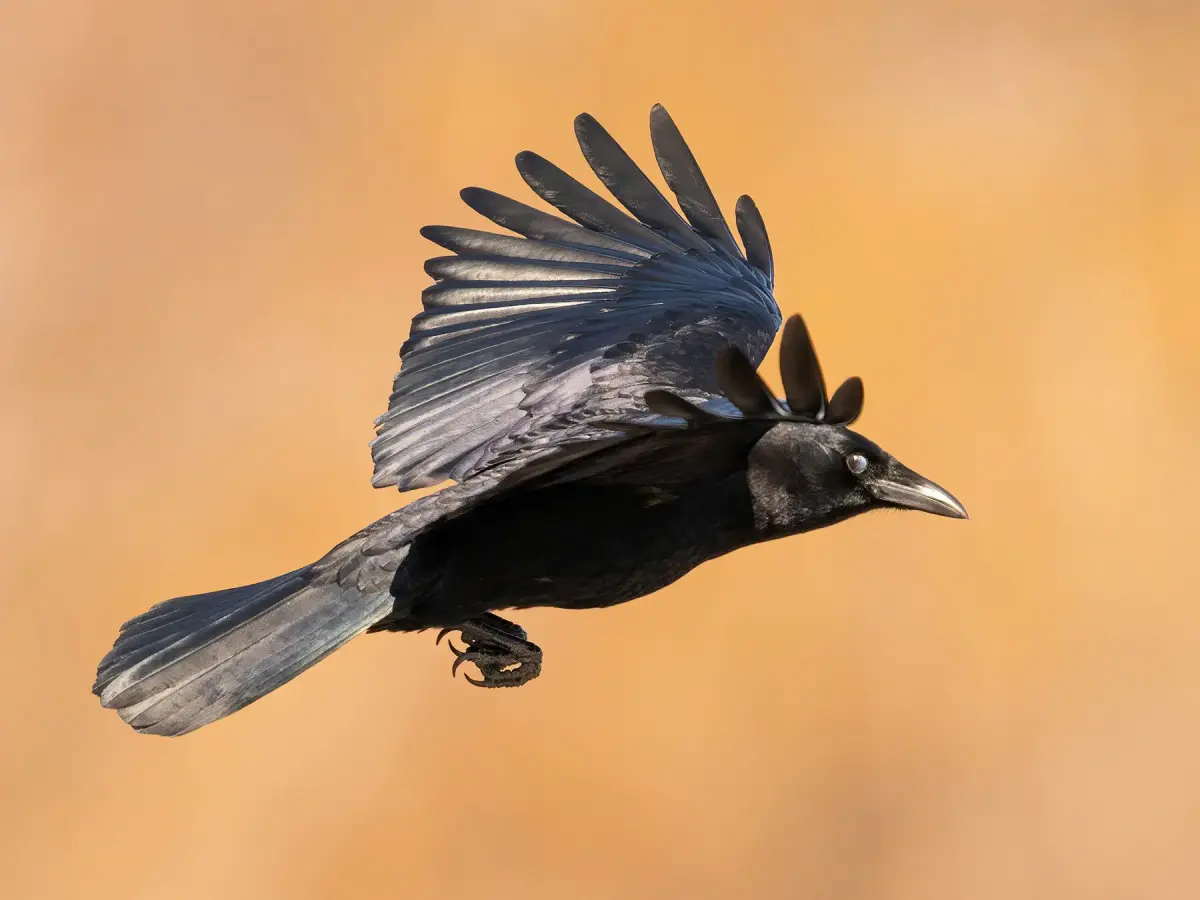
Why do crows live in cities?
Urban environments provide crows with a consistent supply of food and a relative lack of natural predators. Cities offer high-calorie waste products, such as discarded fast food and trash, which allow crows to maintain high population densities. Furthermore, the heat island effect of urban centers keeps temperatures slightly higher than in surrounding rural areas, making winter survival easier for these birds.
Crows have also learned to navigate human activity with surprising sophistication. They utilize street lights to hunt for insects at night and have been observed dropping hard-shelled nuts onto roads so that passing cars will crack them open. The vertical architecture of cities provides artificial cliffs, which mimic the rocky outcrops they might use in the wild. By adapting to these human-made features, crows have secured a permanent place in the modern metropolitan landscape.
Common mistakes when looking for crows
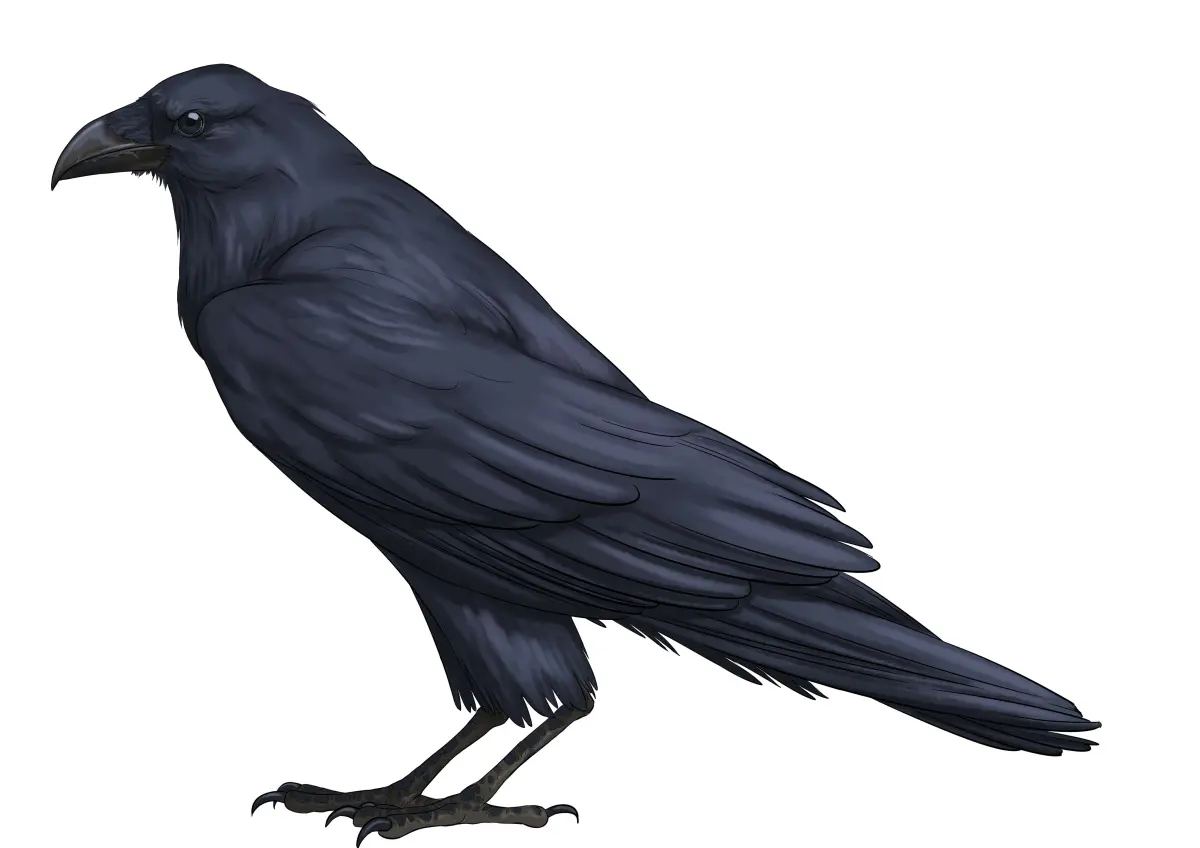
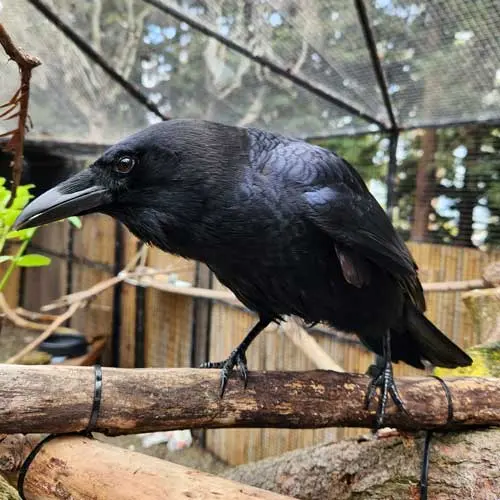
Many observers fail to distinguish between crows and their close relatives, the ravens. While they look similar, ravens are significantly larger, possess a thicker bill, and have a wedge-shaped tail compared to the crow's fan-shaped tail. Another frequent error is assuming that crows are always solitary; in reality, they are highly social birds that often form large, complex family groups.
Avoid these common pitfalls when studying their behavior:
- Confusing a crow with a blackbird or starling, which are much smaller and lack the crow's heavy, robust beak.
- Expecting to see them in deep, undisturbed wilderness, as they generally prefer areas with some level of human influence.
- Ignoring the time of day, as crows are diurnal and most active during daylight hours.
- Overlooking communal roosts, which can contain thousands of birds during the winter months.
How to attract crows to your backyard
If you wish to observe crows closely, you can create an environment that appeals to their scavenging nature. The most effective method is to provide consistent food sources, such as unsalted peanuts in the shell, corn, or suet. Because they are intelligent, they will quickly learn your routine and may begin to recognize you as a provider, sometimes even bringing small "gifts" or tokens to the feeding site.
When attempting to attract them, keep these guidelines in mind:
- Use a platform feeder or simply scatter food on the ground in an open area.
- Provide a source of fresh water, such as a birdbath, as they need it for both drinking and bathing.
- Maintain a consistent schedule, as crows are creatures of habit and will return to reliable sources.
- Be patient, as it may take several weeks for a local murder of crows to trust your presence and begin visiting regularly.
Key facts
- Crows inhabit every continent except Antarctica and South America.
- They are highly adaptable, thriving in dense urban centers, agricultural lands, and forests.
- A crow’s territory typically covers a radius of several miles, centered around a nesting site.
- These birds prefer tall trees for nesting to maintain a clear line of sight for predators.
- In winter, crows often congregate in massive communal roosts that can contain thousands of individuals.
- To attract crows to your yard, provide a consistent source of water and avoid using chemical pesticides.
The bottom line
Crows are among the most successful avian species due to their remarkable intelligence and ability to exploit diverse habitats. Whether nesting in a secluded forest or a bustling city park, they demonstrate high levels of adaptability. By understanding their preference for tall trees and communal roosting, you can better observe these complex birds as they navigate their environment and interact with the human-dominated world around them.
People also ask
Do crows migrate during the winter?
Most crows are year-round residents, but populations in the northernmost parts of their range may move south to find food. They do not migrate long distances like songbirds, preferring to stay within a familiar regional territory.
Why do crows gather in such large groups?
Communal roosting provides warmth during cold nights and safety from predators through the "many eyes" effect. It also serves as an information center where birds can share knowledge about the location of food sources.
Can crows live in the middle of a city?
Yes, crows are synanthropes, meaning they benefit from living near humans. They utilize city structures for nesting and scavenge food waste, making urban environments highly suitable for their survival.
How can I tell if a crow is nesting nearby?
You may notice increased territorial behavior, such as loud "cawing" or dive-bombing, if you approach a tree containing a nest. Nests are typically bulky structures made of sticks, twigs, and mud, usually placed in the upper canopy.
Do crows return to the same nest every year?
While they often return to the same general territory, they frequently build a new nest or renovate an old one each spring. If a previous nest was successful, they are more likely to reuse that specific site.
Are crows considered a nuisance in residential areas?
Some people find their loud vocalizations and scavenging habits disruptive. However, they play a vital role in the ecosystem by controlling insect populations and cleaning up organic waste.
This answer was created with the help of AI research tools and reference sources. Spotted an error? Let us know — we correct mistakes quickly. See our editorial policy.