What do crows eat?
Short answer
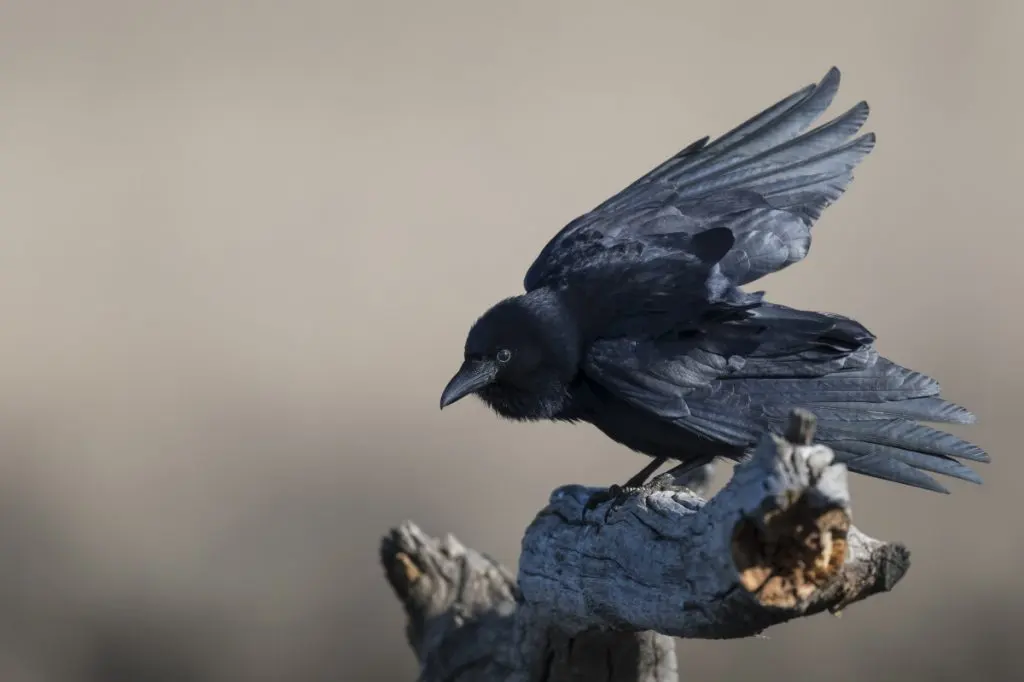
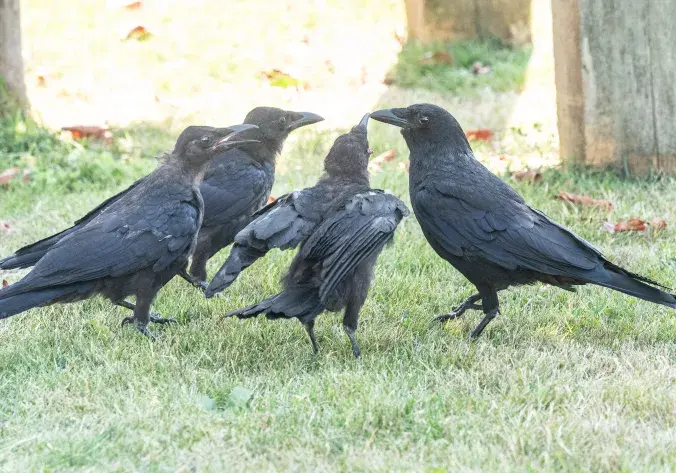
Crows are opportunistic omnivores with a highly varied diet. They consume almost anything edible, including insects, small mammals, reptiles, seeds, fruits, nuts, and carrion. They also frequently scavenge human food scraps, refuse, and agricultural crops. Their ability to adapt their diet to available local resources is key to their survival.
On this page
What do crows eat in the wild?
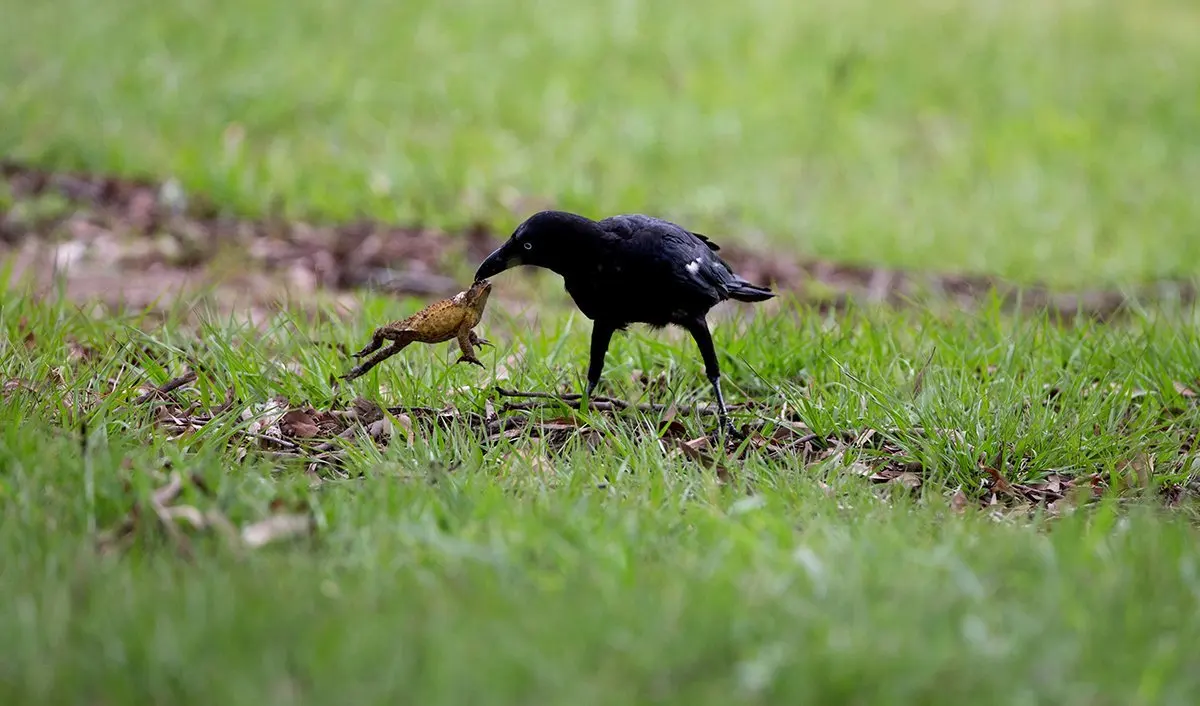
In their natural habitats, crows function as generalist foragers. They primarily consume invertebrates such as beetles, earthworms, grasshoppers, and caterpillars. During the spring and summer months, these protein-rich insects form a significant portion of their daily intake. When insects are less available, crows shift their focus toward plant-based nutrition, including acorns, walnuts, corn, and various wild berries.
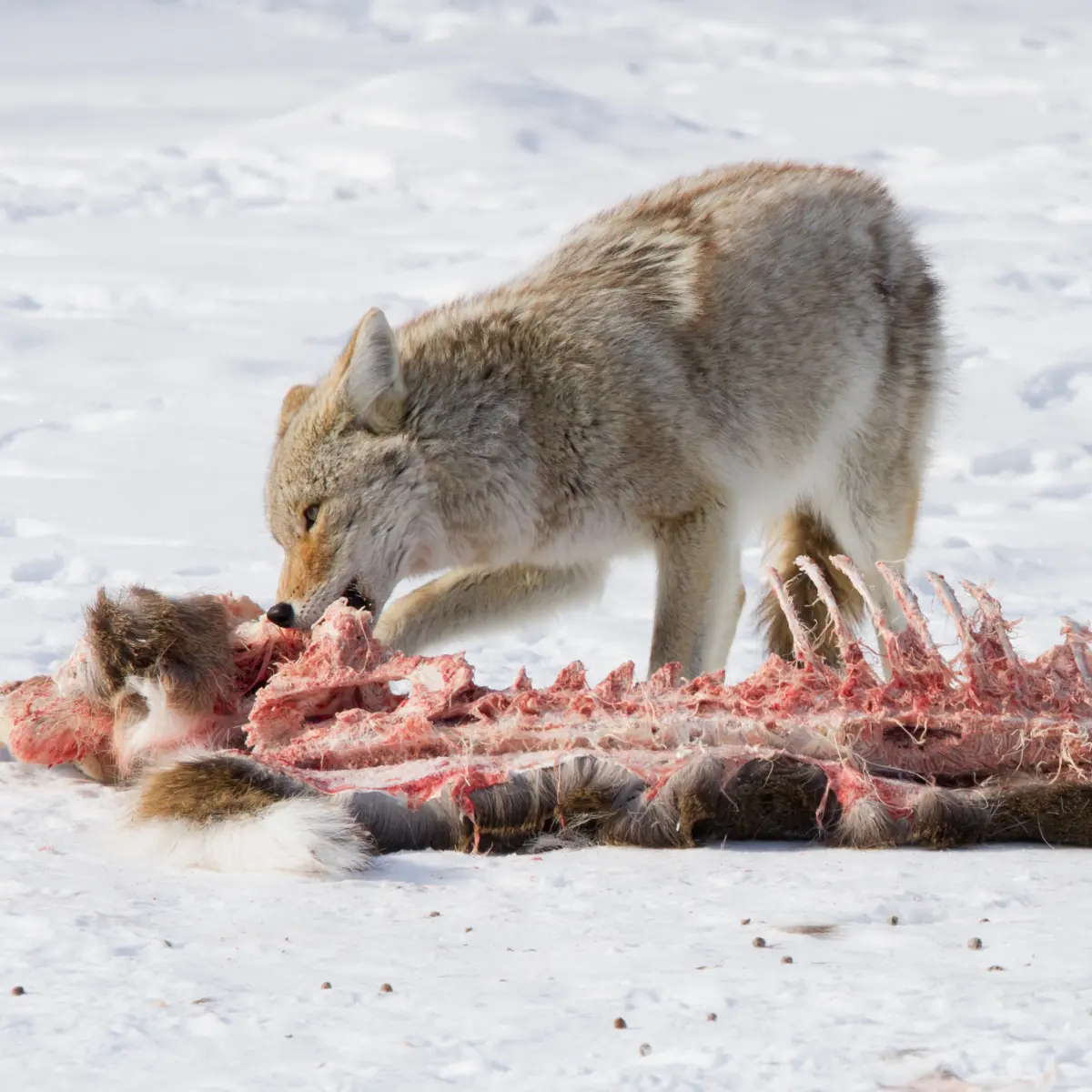
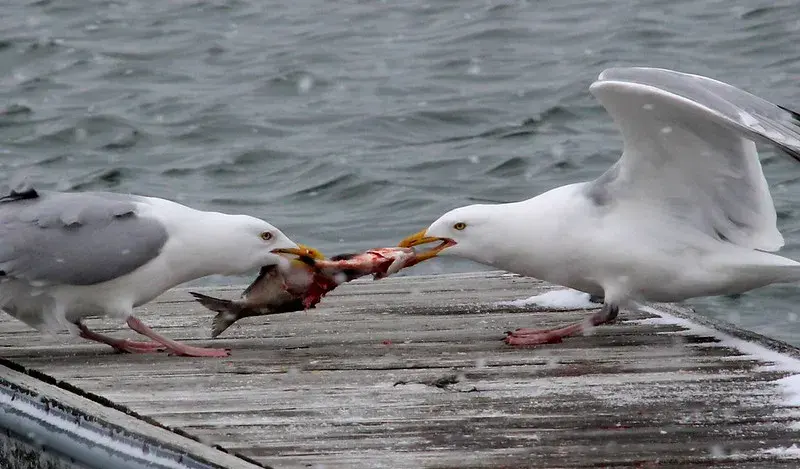
Crows are also skilled predators and scavengers. They hunt small rodents, young birds, and eggs, often raiding nests to supplement their protein requirements. Furthermore, they frequently feed on carrion, acting as vital cleanup crews in ecosystems by consuming the remains of animals killed by vehicles or other predators. This dietary flexibility allows them to thrive in diverse environments ranging from dense forests to open grasslands.
How do crows find food in urban areas?
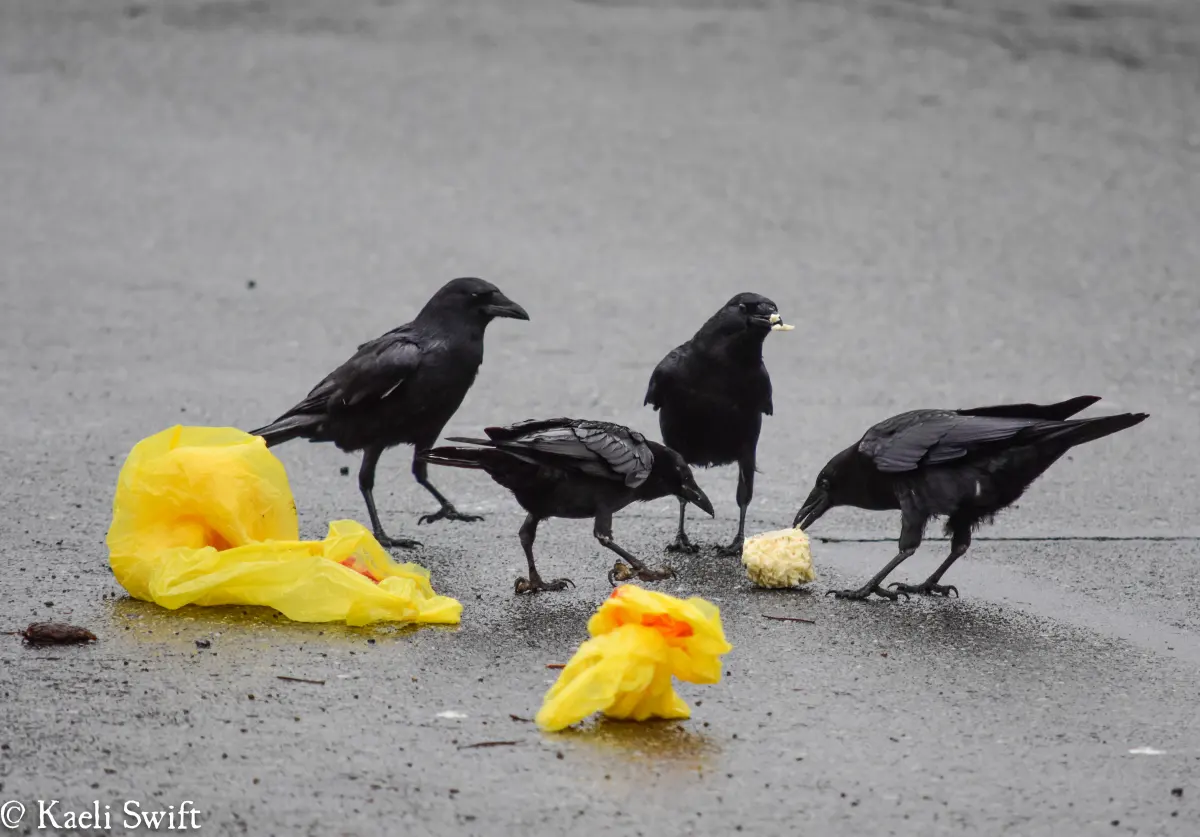
Urban environments provide a bounty of resources for crows, which have learned to exploit human activity. They are commonly seen patrolling parks, parking lots, and residential neighborhoods for discarded food items. Their diet in cities often includes bread, fast-food scraps, pet food left outdoors, and refuse found in open trash containers. They are highly observant and will follow human patterns to identify reliable food sources.
Crows also exhibit remarkable problem-solving skills to access food. They have been observed dropping hard-shelled nuts onto roads so that passing cars will crack them open. They also use their beaks to manipulate containers or tear open plastic bags. To successfully forage in urban settings, they rely on:
- Identifying consistent trash collection schedules.
- Watching other birds to locate new food sources.
- Storing excess food in hidden caches for later consumption.
Best foods for attracting crows to your yard
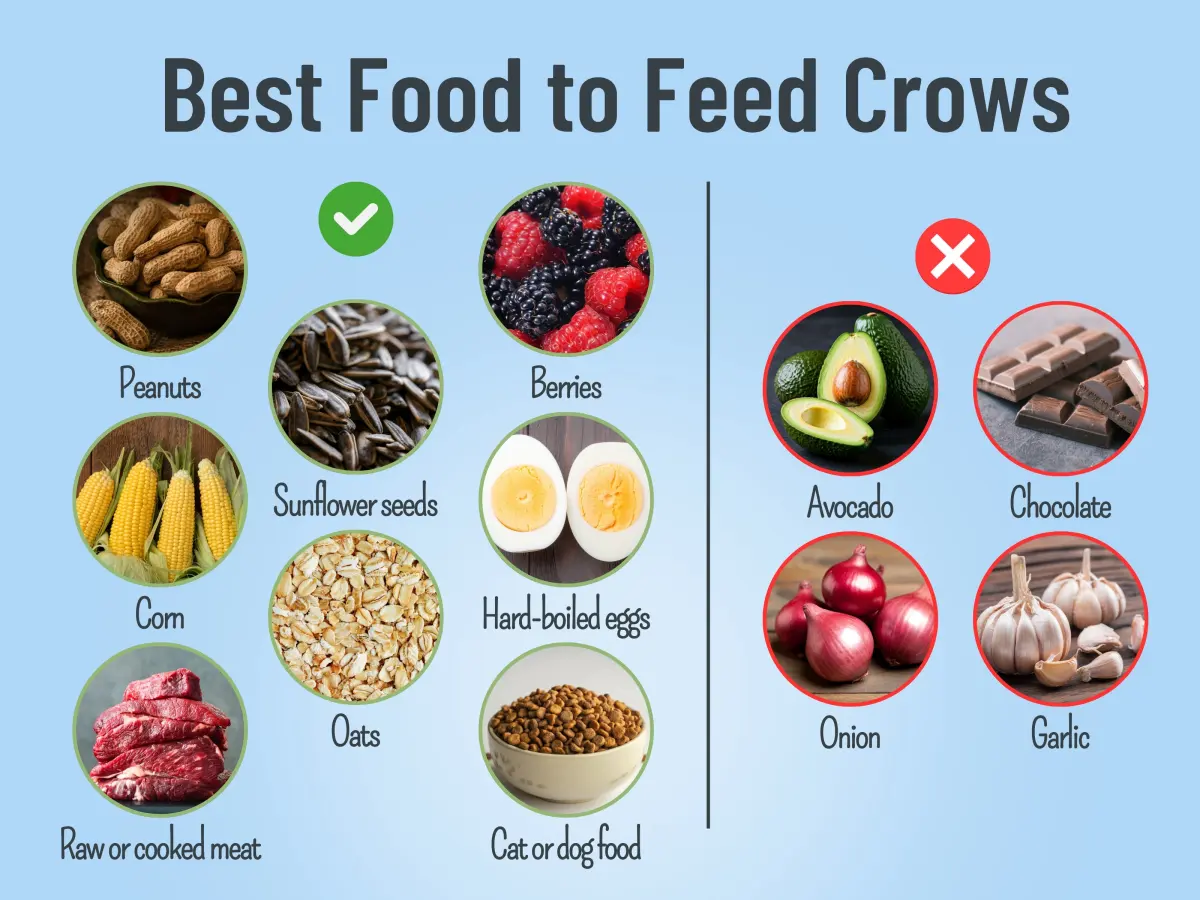
If you wish to attract crows to your property, providing the right types of food can encourage frequent visits. Because they are intelligent and social, they often return to locations where they have had positive experiences. High-energy foods are particularly effective, especially during the colder winter months when natural food sources become scarce.
To attract crows effectively, consider offering the following items:
- Whole peanuts in the shell, which provide both entertainment and nutrition.
- Unsalted, raw sunflower seeds or cracked corn.
- Hard-boiled eggs with the shells crushed, providing essential calcium.
- Small pieces of meat or suet during freezing temperatures.
- Fresh fruit, such as apple slices or grapes, which they find highly palatable.
Common mistakes when feeding crows
Feeding wildlife requires care to ensure the health of the birds and the cleanliness of your surroundings. A frequent mistake is providing processed foods that are high in salt, sugar, or preservatives, such as salty chips, chocolate, or moldy bread. These items can be detrimental to the birds' long-term health and may lead to nutritional deficiencies or illness.
Another common error is overfeeding or leaving food out in a way that attracts unwanted pests. Large piles of food can draw rats, mice, or raccoons to your yard, creating secondary problems for homeowners. To avoid these issues, follow these guidelines:
- Offer food in small, manageable portions rather than large heaps.
- Clean up any uneaten food at the end of the day to prevent rodent attraction.
- Provide a clean, shallow birdbath, as crows require fresh water for both drinking and bathing.
- Avoid feeding crows directly from your hand to prevent them from becoming overly bold.
Why do crows stash their food?
Caching, or the act of hiding food for later use, is a sophisticated survival strategy employed by crows. When they encounter a surplus of food, they do not consume it all at once. Instead, they carry individual items to secluded locations, such as under mulch, inside rain gutters, or beneath dense vegetation. This behavior serves as an insurance policy against periods of food scarcity.
Crows possess excellent spatial memory, allowing them to relocate hundreds of hidden caches across a wide territory. They are also wary of being watched while hiding their food; if they spot another crow or a potential thief observing them, they may perform "false caches" to mislead the observer. By pretending to bury an item in one spot while actually concealing it elsewhere, they protect their resources. This complex behavior highlights their high level of cognitive function and their commitment to long-term survival through strategic resource management.
Key facts
- Crows are opportunistic omnivores that consume almost any organic material, including insects, seeds, fruits, small mammals, and carrion.
- They frequently scavenge human food waste, making them common visitors to landfills, compost piles, and urban trash bins.
- Crows often cache, or hide, excess food in holes in the ground or tree crevices to retrieve and consume during periods of scarcity.
- They are known to drop hard-shelled nuts or mollusks onto roads so that passing vehicles crack the shells for easier access to the meat.
- Providing high-protein snacks like unsalted peanuts, sunflower seeds, or mealworms is the most effective way to attract crows to a backyard.
- Avoid feeding crows processed human foods like salty chips, chocolate, or moldy bread, as these can cause long-term health issues for the birds.
The bottom line
Crows are highly adaptable omnivores that thrive by consuming a diverse diet ranging from insects and seeds to human refuse and carrion. Their intelligence allows them to exploit various food sources, including using tools and caching supplies for later. While they are fascinating to observe, providing healthy, natural snacks is essential to supporting their well-being without introducing harmful processed ingredients into their local ecosystem.
People also ask
Do crows eat other birds' eggs?
Yes, crows are notorious nest predators and will readily consume the eggs and nestlings of smaller songbirds. This behavior is most common during the spring breeding season when they need high-protein food to support their own offspring.
Can crows digest dairy products?
Crows are lactose intolerant and cannot properly digest dairy products like milk, cheese, or yogurt. Feeding these items to crows can lead to digestive distress and should be strictly avoided.
Do crows eat pet food?
Crows are highly attracted to dry dog or cat kibble left outdoors. Because pet food is nutritionally dense, it serves as a reliable food source for them, though it should not be their primary diet.
Are crows harmful to garden crops?
Crows can be significant pests in agricultural settings because they eat sprouting corn, ripening fruit, and vegetables. Farmers often use scarecrows or reflective tape to deter them from damaging valuable crops.
How much do crows eat in a single day?
A crow typically consumes about 10 to 20 percent of its own body weight daily to maintain its high energy levels. This requirement fluctuates based on the ambient temperature and the bird's activity level.
Do crows eat carrion?
Crows are efficient scavengers and frequently feed on roadkill and other animal carcasses. This habit makes them essential to the ecosystem by helping to clear decaying organic matter from the environment.
This answer was created with the help of AI research tools and reference sources. Spotted an error? Let us know — we correct mistakes quickly. See our editorial policy.