How long is the Stanley Park Seawall?
Short answer
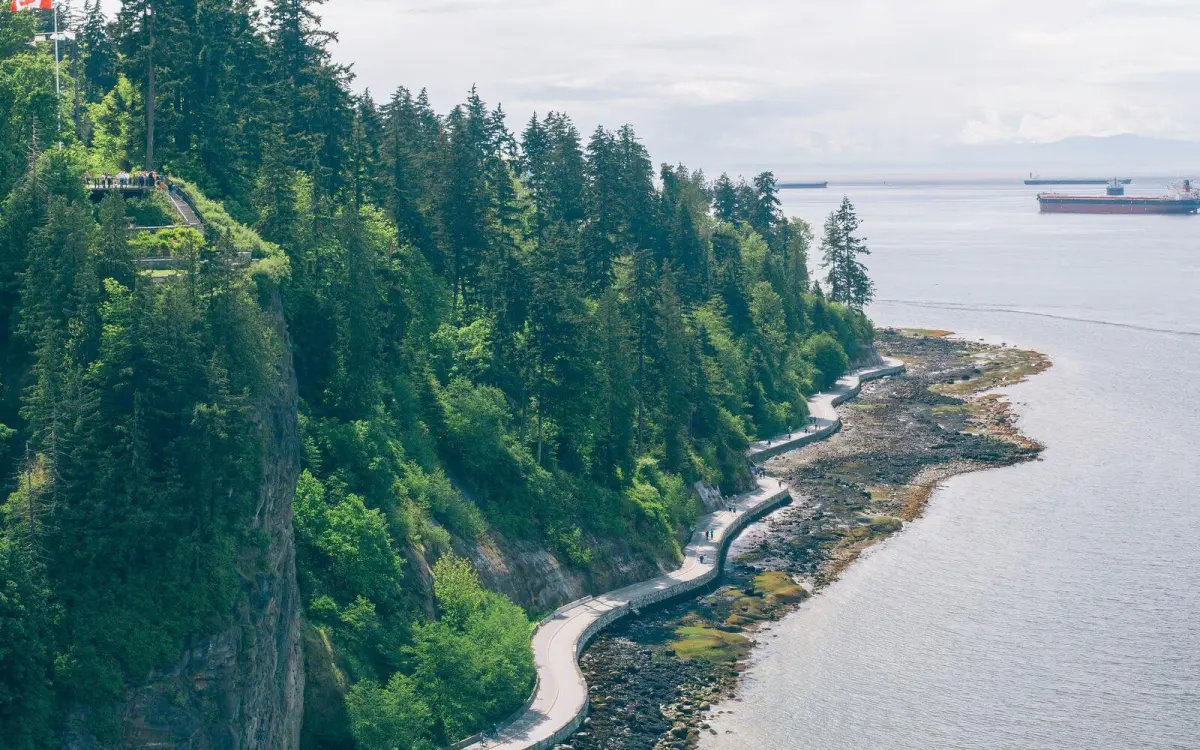
The Stanley Park Seawall is 8.8 kilometers (5.5 miles) long. This iconic paved path encircles the entire park, offering uninterrupted views of the Vancouver skyline, Burrard Inlet, and the North Shore Mountains. It serves as the most popular segment of the larger 28-kilometer Vancouver Seawall system that stretches across the city’s waterfront.
On this page
How long does it take to walk or cycle the Seawall?
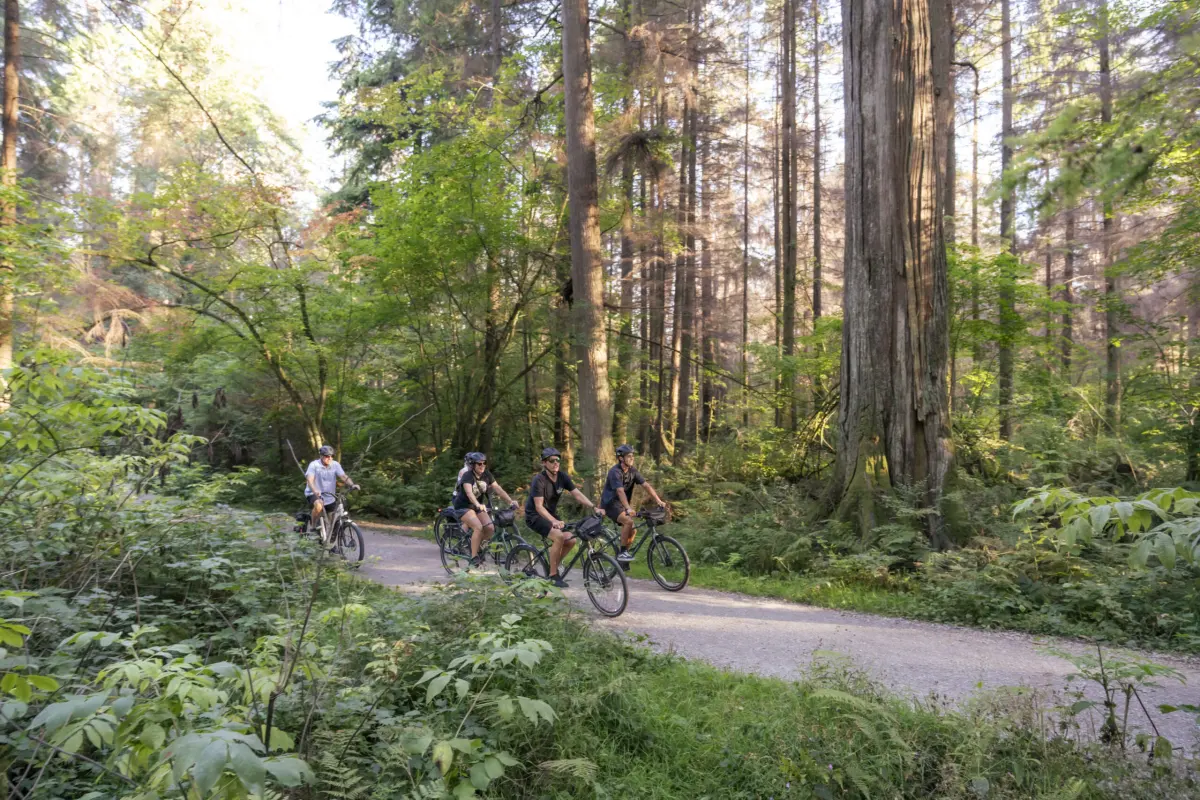
The time required to complete the 8.8-kilometer loop depends entirely on your mode of transportation and your pace. For most casual cyclists, the trip takes approximately 60 to 90 minutes, assuming a leisurely speed with occasional stops for photography. If you are walking the entire loop, plan for two to three hours of steady movement, as the path is quite lengthy and often crowded.
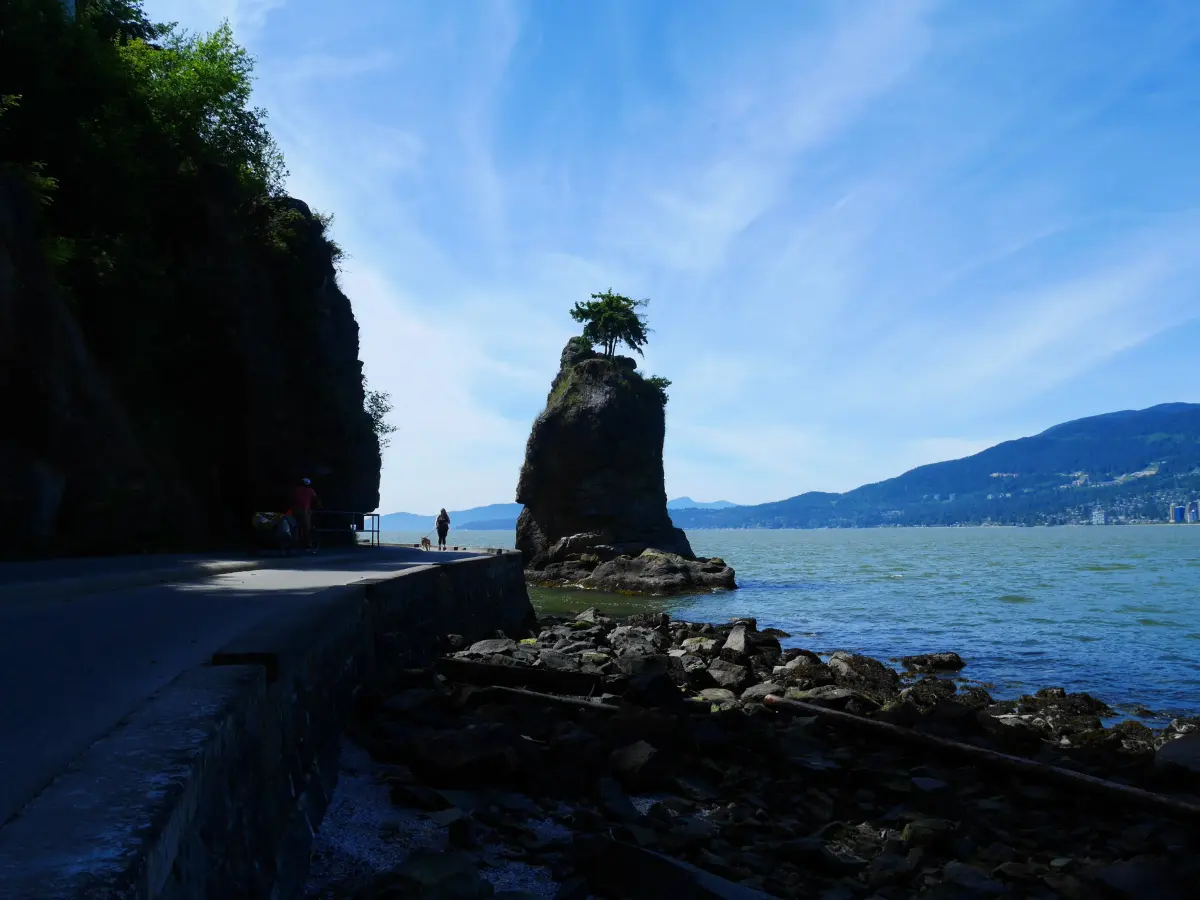
Athletic runners can typically complete the circuit in 45 to 60 minutes, depending on their fitness level and the congestion on the path. Because the Seawall is a shared-use facility, your speed will often be dictated by the volume of other visitors. During peak summer weekends or sunny afternoons, expect to move significantly slower due to high pedestrian traffic near popular landmarks like the Totem Poles or Siwash Rock.
- Casual cyclists: 60–90 minutes.
- Leisurely walkers: 2–3 hours.
- Dedicated runners: 45–60 minutes.
Best times to visit for a smooth experience
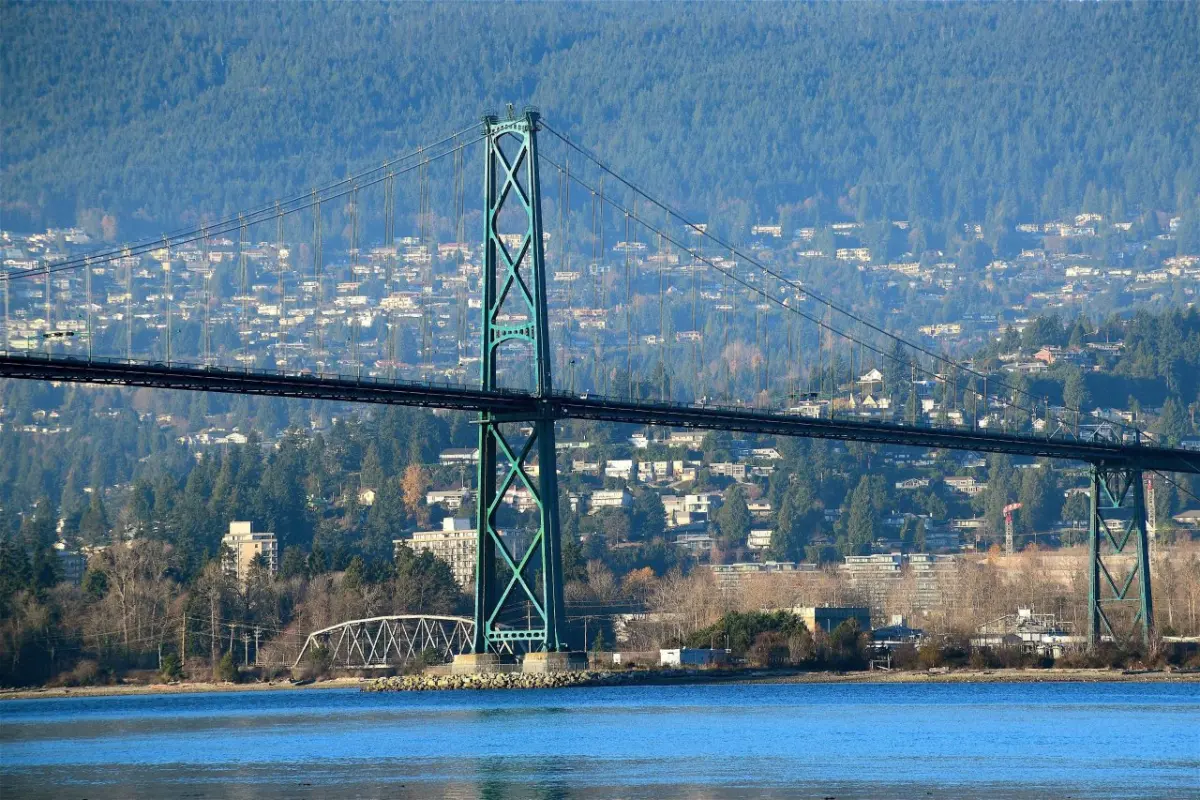
To avoid the intense crowds that frequent the Seawall, timing is essential. Weekday mornings, particularly before 10:00 AM, offer the most tranquil experience, allowing you to enjoy the coastal scenery without navigating around large groups of tourists. Early evening, just before sunset, is another excellent window, as the lighting provides spectacular views of the Lions Gate Bridge and the downtown cityscape.
Avoid visiting during weekend afternoons in the summer months if you prefer a quiet ride or walk. During these times, the path becomes a bottleneck, especially near the entrance at Coal Harbour and the area surrounding the Vancouver Aquarium. If you must visit on a busy day, consider starting your journey from the Third Beach side, which is often slightly less congested than the Coal Harbour entry point.
- Weekday mornings: Best for quiet, uninterrupted movement.
- Sunset hours: Ideal for photography and scenic views.
- Mid-day weekends: Expect heavy congestion and limited space.
Why the Seawall is split into two lanes
The Seawall is strictly divided into two distinct lanes to ensure safety for both pedestrians and cyclists. The lane closest to the water is reserved exclusively for cyclists and inline skaters, while the inner lane is designated for walkers and joggers. Following these lane markings is not just a suggestion; it is a critical safety requirement to prevent collisions, which are common during the busy summer season.
Cyclists are expected to maintain a steady pace and must yield to pedestrians at designated crossings. If you are cycling, always stay to the right of your lane to allow faster riders to pass safely. Pedestrians should remain within their designated path and avoid stepping into the cycling lane to take photos, as high-speed bikes often approach from behind without warning. Staying alert and respecting these boundaries ensures a pleasant experience for everyone sharing the path.
Common mistakes when planning your trip
One of the most frequent mistakes visitors make is underestimating the length of the loop. While 8.8 kilometers may seem short, it can be physically taxing if you are not prepared, especially if you encounter strong headwinds on the western side of the park. Additionally, many people fail to bring adequate hydration, as water fountains are spaced out and can be difficult to find during the heat of the day.
Another common error is starting the loop without checking the direction of travel. While the path is two-way for pedestrians, cyclists generally follow a one-way flow during peak times to manage traffic. Ignoring signage or attempting to cycle against the flow of traffic creates dangerous situations and frustrates other park users. Always check the official Vancouver Parks Board signage at the entrance to confirm current traffic flow rules and any temporary construction closures.
- Forgetting to bring water or snacks for the journey.
- Underestimating the physical effort required for the full loop.
- Ignoring directional signage for cyclists and skaters.
- Wearing inappropriate footwear for a long-distance walk.
How to prepare for your journey
Preparation starts with choosing the right equipment. If you are renting a bicycle, ensure the seat height is adjusted correctly before you leave the rental shop near Denman Street. Test the brakes and the bell, as you will need to signal your presence to pedestrians frequently. For walkers, comfortable, broken-in athletic shoes are essential, as the pavement is unforgiving over an 8.8-kilometer distance.
Check the weather forecast before heading out, as the Seawall is fully exposed to the elements. Even on clear days, the wind coming off the Burrard Inlet can be surprisingly cold, so carrying a light, windproof jacket is a smart move. Finally, familiarize yourself with the map of the park to identify key exit points. If you find yourself exhausted or short on time, you can cut through the interior park trails to return to your starting point more quickly.
Key facts
- The Stanley Park Seawall loop is exactly 8.8 kilometers (5.5 miles) long.
- A full loop typically takes 60 to 90 minutes to cycle and 2 to 3 hours to walk.
- The path is divided into two distinct lanes: one for cyclists and inline skaters, and one for pedestrians.
- Construction of the seawall began in 1917 and took over 60 years to complete.
- Always travel in a counter-clockwise direction, as this is the mandatory flow for cyclists.
- Avoid stopping in the middle of the path to take photos, as this creates dangerous bottlenecks for commuters.
The bottom line
The Stanley Park Seawall is a world-renowned 8.8-kilometer waterfront pathway offering unparalleled views of the Vancouver skyline and the Pacific Ocean. Whether you choose to walk or cycle, adhering to the counter-clockwise traffic flow and staying in your designated lane ensures a safe experience. Plan for a few hours to fully enjoy the scenery, and remember to respect the shared space for all park visitors.
People also ask
Is the Stanley Park Seawall flat?
The path is almost entirely flat, making it accessible for all fitness levels and families. There are no significant inclines throughout the 8.8-kilometer loop.
Are dogs allowed on the seawall?
Dogs are permitted on the pedestrian side of the seawall, but they must be kept on a leash at all times. They are strictly prohibited from the cycling lane for safety reasons.
Can I rent a bicycle near the entrance?
Yes, there are numerous bike rental shops located on Denman Street near the park entrance. These shops provide helmets and locks, which are essential for your excursion.
Is the seawall open 24 hours a day?
The park itself is open from dawn until dusk, and the seawall is generally accessible during these hours. It is not recommended to traverse the path in the dark due to limited lighting.
Are there public washrooms along the route?
There are several public washrooms and water fountains located at major landmarks like Second Beach, Third Beach, and near the Brockton Point totem poles.
Does the seawall connect to other parts of Vancouver?
The Stanley Park Seawall is part of a larger 28-kilometer greenway that stretches from the Vancouver Convention Centre to Spanish Banks. You can easily continue your journey beyond the park boundaries.
This answer was created with the help of AI research tools and reference sources. Spotted an error? Let us know — we correct mistakes quickly. See our editorial policy.