Where can you go tide pooling in Vancouver?
Short answer
You can find excellent tide pooling in Vancouver at Stanley Park’s Second Beach, Spanish Banks, and Lighthouse Park. These locations offer diverse intertidal zones accessible during low tide. For the most rewarding experience, visit during negative tide events, which occur most frequently in the spring and summer months throughout the region.
On this page
Where to find the best tide pools in Vancouver
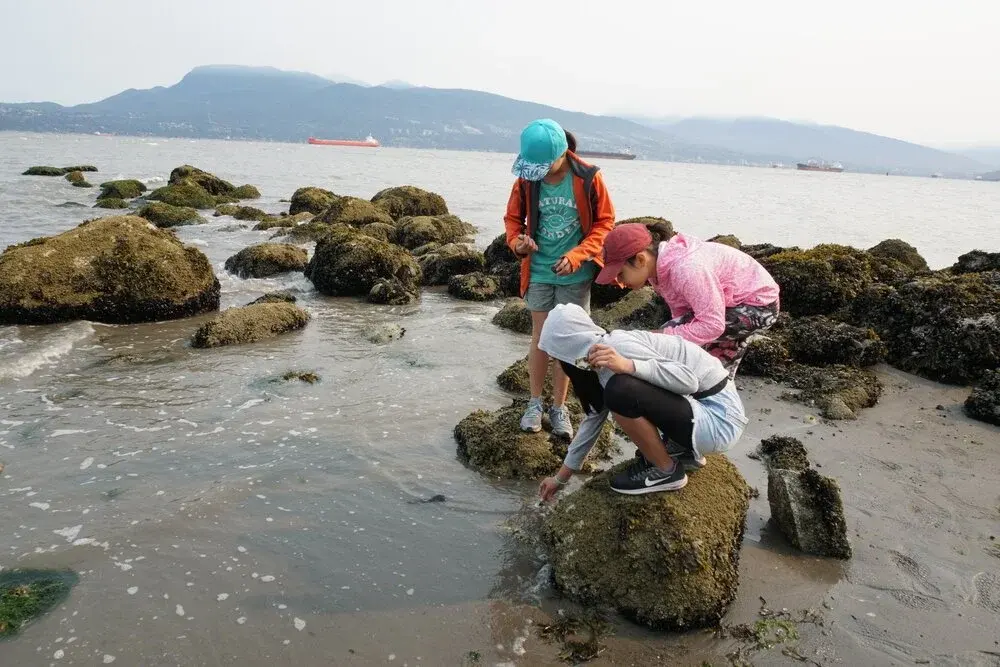
The most accessible tide pooling locations in Vancouver are situated along the city’s western and northern shorelines. Stanley Park’s Second Beach is a favorite for families due to its proximity to urban amenities and expansive rocky outcrops that emerge as the water recedes. At low tide, visitors can explore small pools teeming with crabs, anemones, and sea stars.
Spanish Banks, located further west, offers a vast sandy intertidal zone that stretches for hundreds of meters during extreme low tides. While it lacks the deep rocky crevices found elsewhere, it is an ideal spot for observing sand-dwelling organisms and small fish. For a more rugged experience, Lighthouse Park in West Vancouver features steep granite cliffs and deep, sheltered pools that host a wider variety of marine life, including colorful sea urchins and nudibranchs.
How to time your visit for low tide
Timing is the most critical factor for a successful tide pooling excursion. You must plan your visit around the tidal cycle, specifically aiming for the lowest point of the tide, known as "low tide." In Vancouver, the best opportunities occur during "negative tides," where the water level drops below the average low water mark, exposing deeper sections of the reef that are usually submerged.
- Check the official Fisheries and Oceans Canada tide tables online before leaving your house.
- Aim to arrive at your chosen location at least one hour before the predicted low tide.
- Stay until the tide begins to turn, as this gives you the maximum amount of time to explore safely.
- Always keep a close eye on the incoming water to ensure you do not become stranded on a rock or sandbar.
What creatures can you see in Vancouver tide pools
The intertidal zones of the Pacific Northwest are incredibly biodiverse, supporting a range of hardy organisms adapted to the harsh conditions of the shoreline. Common species you will encounter include:
- Ochre sea stars, which are often found clinging to rocks in shades of purple or orange.
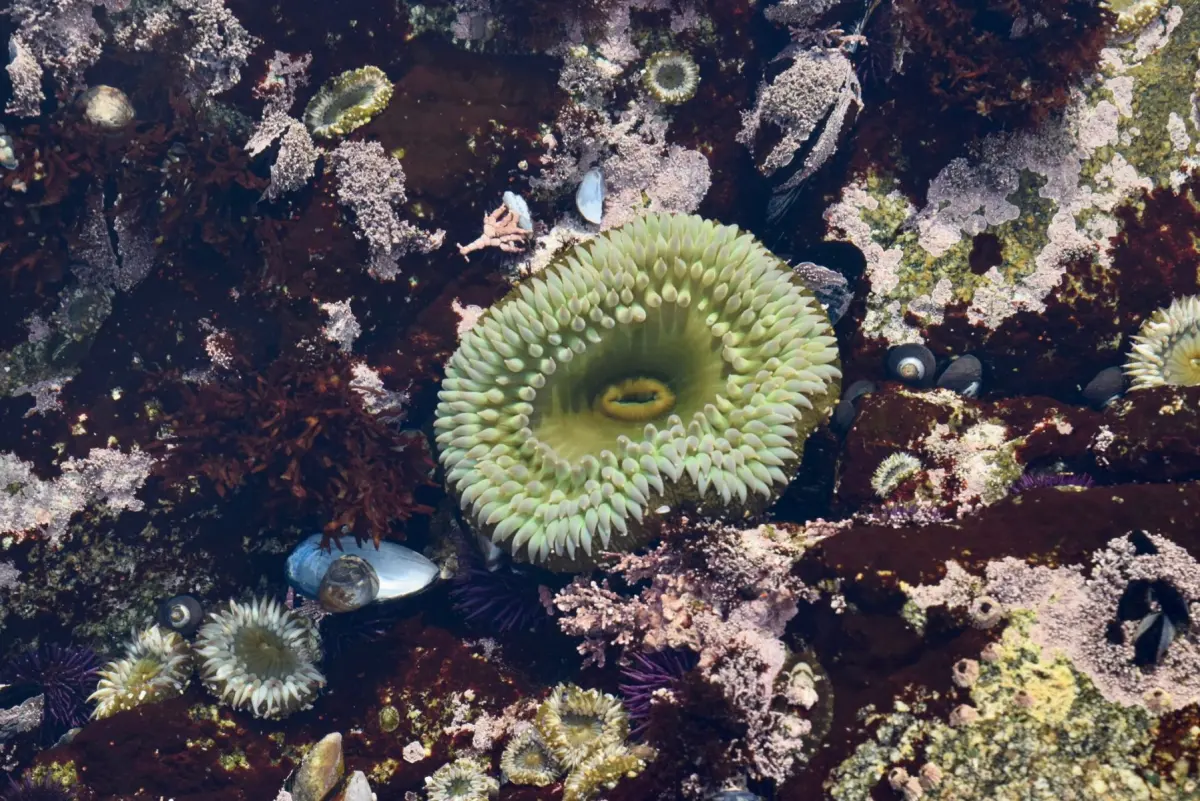
- Green sea anemones, which look like soft, pulsing flowers when submerged.
- Shore crabs, which scuttle quickly under rocks and seaweed when disturbed.
- Periwinkle snails and limpets, which graze on the algae covering the rocks.
- Barnacles and mussels, which form dense, protective mats across the rocky surfaces.
Observing these animals requires patience and a gentle touch. Many of these creatures are sensitive to changes in temperature and light, so it is important to observe them in their natural state without removing them from their pools or handling them roughly.
Common mistakes when exploring tide pools
One of the most frequent errors beginners make is stepping directly onto the rocks without checking for hidden life. Barnacles and mussels are living organisms, and crushing them damages the fragile ecosystem that supports the entire food web. Always walk on bare rock or sand whenever possible, and move slowly to avoid slipping on the wet, algae-covered surfaces that dominate the intertidal zone.
Another common mistake is attempting to pick up or move animals. Many tide pool inhabitants, such as sea stars and anemones, have delicate structures that can be easily damaged by human contact. Additionally, using sunscreen or insect repellent on your hands before touching the water can introduce harmful chemicals into these sensitive environments. If you must touch the water, ensure your hands are clean and free of lotions, and always prioritize the safety and well-being of the marine life over your desire for a close-up photograph.
Essential gear for a safe tide pooling trip
Preparation is key to enjoying a day at the beach while protecting yourself from the elements. Because the intertidal zone is often slippery and uneven, wearing the right footwear is essential. Avoid flip-flops or sandals, as they provide little traction and offer no protection against sharp shells or barnacles. Instead, opt for sturdy water shoes or old sneakers with a good grip that you do not mind getting wet.
- A waterproof jacket, as coastal weather in Vancouver can change rapidly without warning.
- A small field guide or identification card to help you learn about the species you encounter.
- A reusable water bottle to stay hydrated during your walk.
- A camera with a waterproof housing or a protective bag to capture the scenery.
- A small backpack to keep your hands free for balancing while navigating the rocky terrain.
By bringing the right equipment and maintaining a respectful distance from the wildlife, you ensure that these beautiful coastal environments remain healthy for future generations of explorers to enjoy. Remember that you are a guest in their home, and your primary goal should be to leave the area exactly as you found it, with all rocks replaced in their original positions and no litter left behind.
Key facts
- The best time to tide pool is during a low tide, specifically when the tide is 1.0 meter or lower.
- Always check the official Fisheries and Oceans Canada tide tables for your specific location before heading out.
- Wear sturdy, non-slip footwear like water shoes or old sneakers to protect your feet from sharp barnacles and slippery rocks.
- Never remove animals or shells from the tide pools, as they are part of a protected marine ecosystem.
- Tread carefully on bare rock surfaces to avoid crushing delicate organisms like anemones or mussels.
- Visit during the early morning or late afternoon to avoid the harshest midday sun and to see more active marine life.
The bottom line
Tide pooling in Vancouver offers a rewarding glimpse into the Pacific Northwest’s vibrant intertidal ecosystems. By visiting during low tides at spots like Lighthouse Park or Stanley Park, you can observe fascinating creatures in their natural habitat. Always prioritize safety and environmental stewardship by wearing proper footwear and leaving all organisms undisturbed. With careful planning and respect for the shoreline, you will enjoy a memorable coastal experience.
People also ask
What are the best beaches in Vancouver for tide pooling?
Stanley Park’s Second Beach and the rocky shores of Lighthouse Park in West Vancouver are premier spots. Spanish Banks also offers extensive tidal flats that reveal diverse marine life during extreme low tides.
Can I touch the animals I find in the tide pools?
It is generally best to observe without touching to protect the animals' delicate protective coatings. If you must touch, do so very gently with a single wet finger and never pick creatures up from their homes.
What kind of sea life can I expect to see?
You will commonly find purple and ochre sea stars, green anemones, hermit crabs, and various species of barnacles. Keep an eye out for small sculpins, which are tiny fish that hide in shallow rock pools.
Do I need special equipment to go tide pooling?
A pair of binoculars is helpful for spotting birds, and a waterproof camera can capture photos without disturbing the habitat. A small magnifying glass can also help you see the intricate details of small crustaceans.
Is tide pooling safe for young children?
Tide pooling is a great educational activity for children, provided they are supervised near slippery rocks. Ensure they understand the "look, don't touch" rule to keep both the children and the marine life safe.
What should I do if I find an injured marine animal?
Do not attempt to move or treat the animal yourself. Contact the Vancouver Aquarium’s Marine Mammal Rescue Centre or the local Department of Fisheries and Oceans office for professional guidance.
This answer was created with the help of AI research tools and reference sources. Spotted an error? Let us know — we correct mistakes quickly. See our editorial policy.