What do sea urchins eat?
Short answer
Sea urchins are primarily herbivores that graze on marine algae, particularly kelp, using a specialized jaw mechanism called Aristotle’s lantern. While they favor seaweed, many species are opportunistic omnivores that consume sponges, bryozoans, and decaying organic matter. Their diet varies significantly based on their species and the available resources in their habitat.
On this page
What do sea urchins eat in the wild?
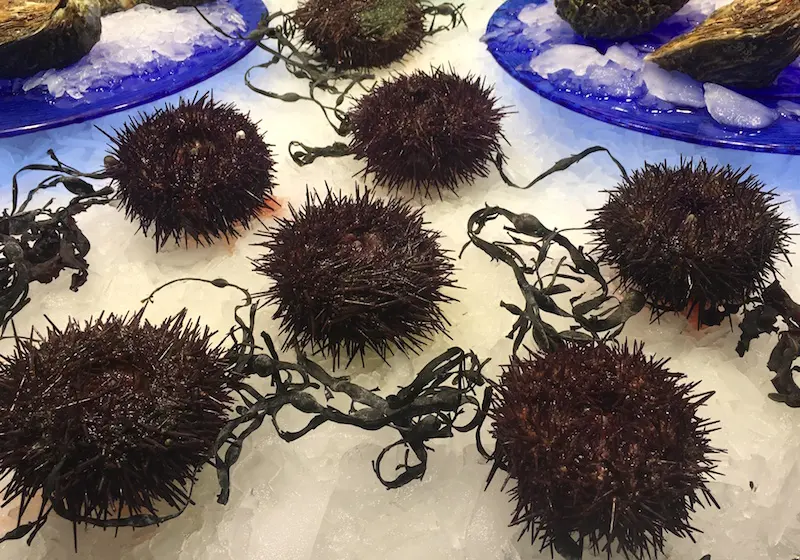
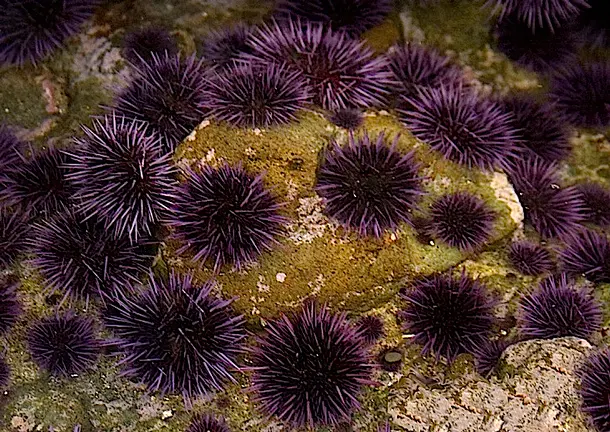
In their natural ocean environments, sea urchins are most famous for their role as kelp forest gardeners. They use five calcium carbonate teeth to scrape algae and kelp off rocky substrates. By constantly grazing, they prevent algae from overgrowing, which maintains a healthy balance within the reef ecosystem. If urchin populations explode, however, they can consume entire kelp forests, turning vibrant ecosystems into barren "urchin barrens."
Beyond kelp, these echinoderms are highly opportunistic. Their diet often includes a variety of sessile organisms found on the seafloor. Depending on the local biodiversity, a sea urchin might consume:
- Encrusting sponges
- Coralline algae
- Bryozoans
- Small barnacles
- Detritus or decomposing organic material
This flexibility allows them to survive in diverse environments, from shallow tide pools to deep-sea trenches. By consuming both living plant matter and decaying debris, they act as essential recyclers of nutrients in the marine food web.
How do sea urchins feed?
The feeding process is made possible by a complex structure known as Aristotle’s lantern. This organ is located on the underside of the urchin and consists of five hard, self-sharpening teeth arranged in a circular formation. The structure is named after the Greek philosopher Aristotle, who first described it in his writings on natural history, noting its resemblance to a five-sided lantern.
The mechanism works through a combination of muscular contraction and structural movement. The urchin extends its lantern to scrape surfaces, effectively grinding down tough plant tissues or scraping biofilm off rocks. This process is remarkably efficient, allowing the urchin to process food at a rate that keeps its digestive tract constantly moving. Because the teeth are constantly worn down by the abrasive surfaces they scrape, they are continuously regrown throughout the animal's life.
Is it safe to feed sea urchins in an aquarium?
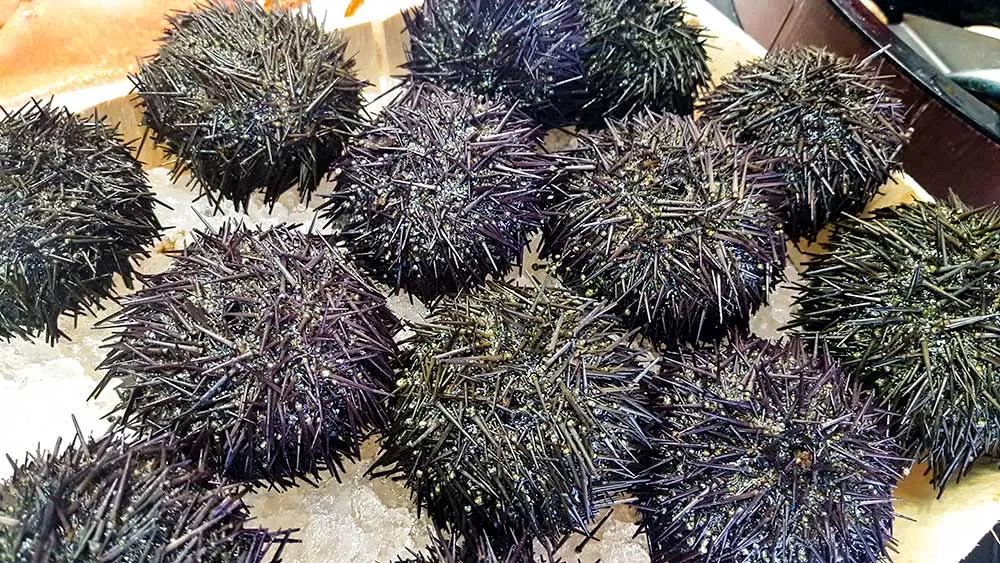
If you keep sea urchins in a home saltwater aquarium, providing a consistent and appropriate diet is critical for their survival. Many hobbyists make the mistake of assuming urchins will find enough food on their own, but most tanks do not have enough natural algae to sustain them long-term. You should monitor your urchin's activity levels and physical condition to ensure it is receiving enough nutrients.
To supplement their diet in a captive environment, consider the following steps:
- Provide dried seaweed sheets, commonly sold as "nori," by clipping them to a rock or using a feeding clip.
- Offer blanched vegetables, such as zucchini or spinach, which are soft enough for their teeth to process.
- Use sinking algae wafers if the urchin is not finding enough natural growth on the tank glass or rocks.
- Ensure the water quality remains high, as uneaten vegetable matter can quickly decay and spike nitrate levels.
Common mistakes when feeding sea urchins
One of the most frequent errors owners make is overfeeding or providing the wrong types of food. While urchins are omnivorous, they require a high-fiber diet to maintain their digestive health. Feeding them high-protein fish flakes or processed pellets can lead to health issues or poor shell development. Furthermore, uneaten food left in the tank creates a significant waste problem that can lead to ammonia spikes, which are often fatal to invertebrates.
Another common mistake is failing to provide calcium-rich sources. Because sea urchins possess a hard, calcified test (shell), they require adequate minerals to maintain their structure. If a tank lacks proper mineral content, the urchin may become lethargic and its spines might become brittle. Avoid using copper-based medications in the tank, as these are highly toxic to urchins and will cause them to drop their spines and eventually die. Always research the specific genus of your urchin, as some species have highly specialized dietary needs that differ from common varieties.
Why do sea urchin diets change?
A sea urchin's diet is rarely static; it shifts based on seasonal availability and environmental stressors. In the spring and summer, when light levels are higher, algae growth increases, providing an abundance of preferred food. During winter months or in deeper waters where light is limited, urchins often switch to a more scavenging-based diet, consuming whatever organic matter settles on the seafloor. This shift is a survival mechanism that prevents starvation during periods of low primary productivity.
Environmental changes, such as rising ocean temperatures or acidification, can also alter what urchins eat. These factors can impact the growth rate of kelp and algae, forcing urchins to travel further in search of food or to switch to less nutritious prey items. This change in diet can have cascading effects on the ecosystem, as the urchin's health directly impacts its ability to reproduce and maintain its population. Understanding these dietary shifts is essential for marine biologists studying how climate change affects the delicate balance of coastal marine life and the future of kelp forest health.
Key facts
- Sea urchins are primarily herbivores that graze on algae, kelp, and seagrass using a specialized jaw structure called Aristotle’s lantern.
- Some species are omnivorous and will consume animal matter, including sponges, mussels, barnacles, and decaying organic detritus on the seafloor.
- Their feeding process is highly efficient; they can clear entire kelp forests, often leaving behind "urchin barrens" where little else grows.
- When keeping sea urchins in a saltwater aquarium, provide dried seaweed or nori sheets clipped to a rock to simulate natural grazing.
- Avoid overfeeding captive urchins, as excess food will decay and spike nitrate levels, which can be fatal to sensitive marine life.
- Monitor their movement; if a sea urchin is stationary for several days, it may be starving or suffering from poor water quality.
The bottom line
Sea urchins are versatile feeders that play a critical role in marine ecosystems by controlling algae populations. Whether grazing on kelp forests or scavenging on the seafloor, they rely on their unique Aristotle’s lantern to process food. For hobbyists, providing consistent access to algae is key to their health, though maintaining water quality remains the most important factor for their long-term survival in captivity.
People also ask
How do sea urchins eat without teeth?
They possess a complex, five-plated mouth structure known as Aristotle’s lantern. This organ acts like a set of self-sharpening teeth that can scrape algae off rocks or drill into shells.
Can sea urchins eat fish?
While they do not hunt active fish, they are opportunistic scavengers. If a fish dies and sinks to the bottom, sea urchins will congregate to feed on the carcass.
Do sea urchins eat coral?
Yes, certain species like the long-spined sea urchin can consume coral polyps if their primary food source, such as algae, is scarce. This can be detrimental to reef health.
How often should I feed a pet sea urchin?
Feed them small portions of macroalgae or dried seaweed every two to three days. Observe their behavior to ensure they are actively grazing on the provided food.
Do sea urchins help clean a fish tank?
They are excellent cleaners that consume nuisance algae from glass and rock surfaces. However, they are not a substitute for regular water changes and filter maintenance.
Are all sea urchins vegetarians?
No, the dietary habits of sea urchins vary by species and environmental availability. While most favor plant material, many are flexible omnivores that adapt to whatever nutrients are available.
This answer was created with the help of AI research tools and reference sources. Spotted an error? Let us know — we correct mistakes quickly. See our editorial policy.