How long do sea urchins live?
Short answer
Sea urchins exhibit remarkably varied lifespans depending on their species. While many common varieties live for 10 to 30 years, certain species, such as the red sea urchin, are among the longest-lived animals on Earth, potentially surviving for over 200 years. Their longevity is primarily determined by environmental conditions and natural predation.
On this page
How long do different sea urchin species live?
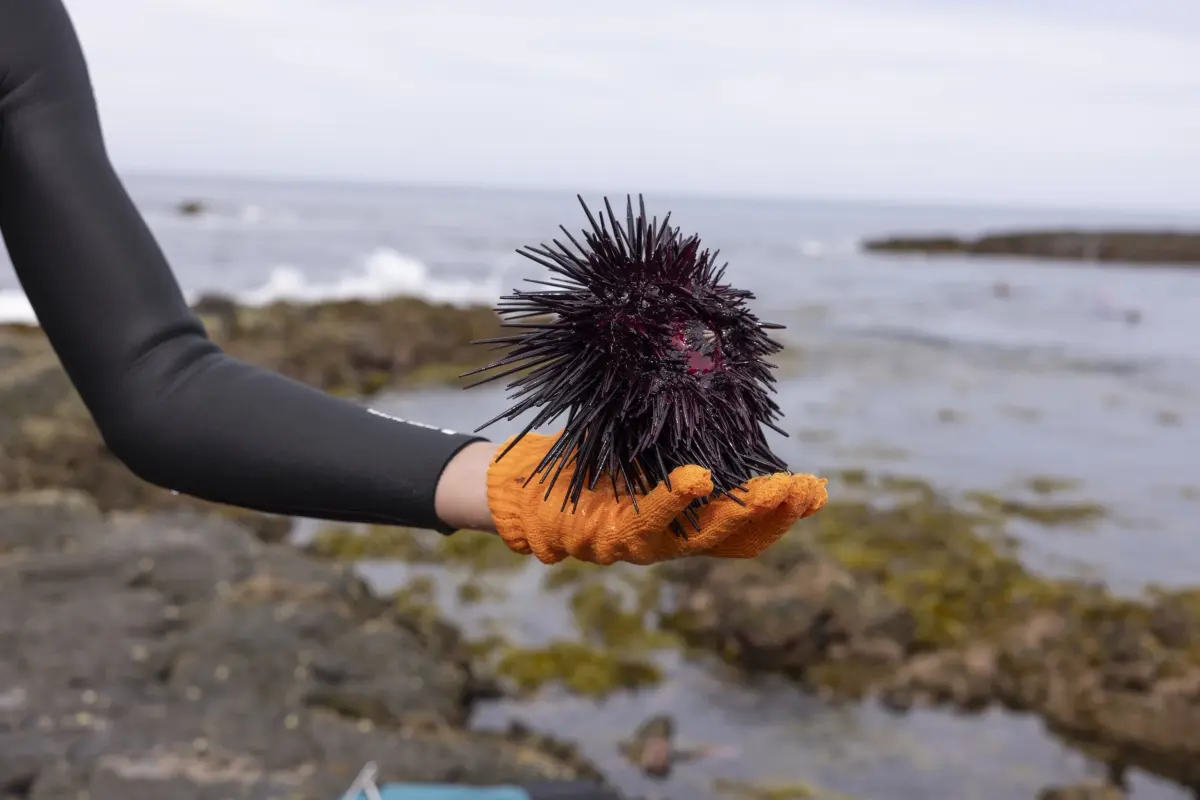
The lifespan of a sea urchin is highly dependent on its biological classification and environment. Most shallow-water species, such as the purple sea urchin (Strongylocentrotus purpuratus), typically live between 20 and 30 years in the wild. However, these averages can fluctuate significantly based on local water temperatures, food availability, and the density of predators in their specific ecosystem.
Extreme longevity is found in specific deep-water or cold-water species. The red sea urchin (Mesocentrotus franciscanus), native to the Pacific Ocean, is a biological marvel. Researchers have discovered that these urchins do not show traditional signs of aging, such as declining metabolic rates or cellular degradation. Consequently, they can live for two centuries or more.
- Red sea urchin: 100–200+ years.
- Purple sea urchin: 20–30 years.
- Collector urchin: 5–10 years.
- Slate pencil urchin: 10–15 years.
Why do some sea urchins live so long?
The secret to the extreme longevity of certain sea urchins lies in their unique biological resilience and cellular repair mechanisms. Unlike many organisms that experience rapid senescence, or the biological process of aging, red sea urchins maintain high levels of tissue regeneration. Their cells remain active and capable of division throughout their entire lives, allowing them to constantly replace damaged structures.
Furthermore, their slow metabolic rate plays a crucial role in their survival. By maintaining a low-energy lifestyle, they reduce the oxidative stress that typically causes damage to DNA and proteins in other animals. This physiological efficiency allows them to endure harsh conditions, such as limited food sources or fluctuating ocean temperatures, without suffering the same wear and tear that limits the lifespans of faster-growing marine creatures.
How to care for sea urchins in an aquarium?
Keeping sea urchins in a home aquarium requires careful attention to water quality and diet. Because they are sensitive to changes in salinity and nitrate levels, maintaining a stable environment is essential for their health. If you are planning to keep them, ensure your tank has adequate surface area for algae growth, as this is their primary food source.
- Test your water parameters weekly for ammonia, nitrites, and nitrates.
- Provide a stable pH level between 8.1 and 8.4.
- Supplement their diet with dried seaweed or algae wafers if natural growth is insufficient.
- Ensure the tank has enough rockwork for them to graze upon safely.
- Avoid introducing copper-based medications, as these are toxic to all echinoderms.
Common mistakes when keeping sea urchins?
One of the most frequent errors hobbyists make is introducing a sea urchin into a newly cycled tank. Urchins require a mature environment with an established population of microalgae and coralline algae to graze upon. Placing them in a "sterile" tank often leads to starvation, as they cannot easily adapt to artificial flake foods or pellets.
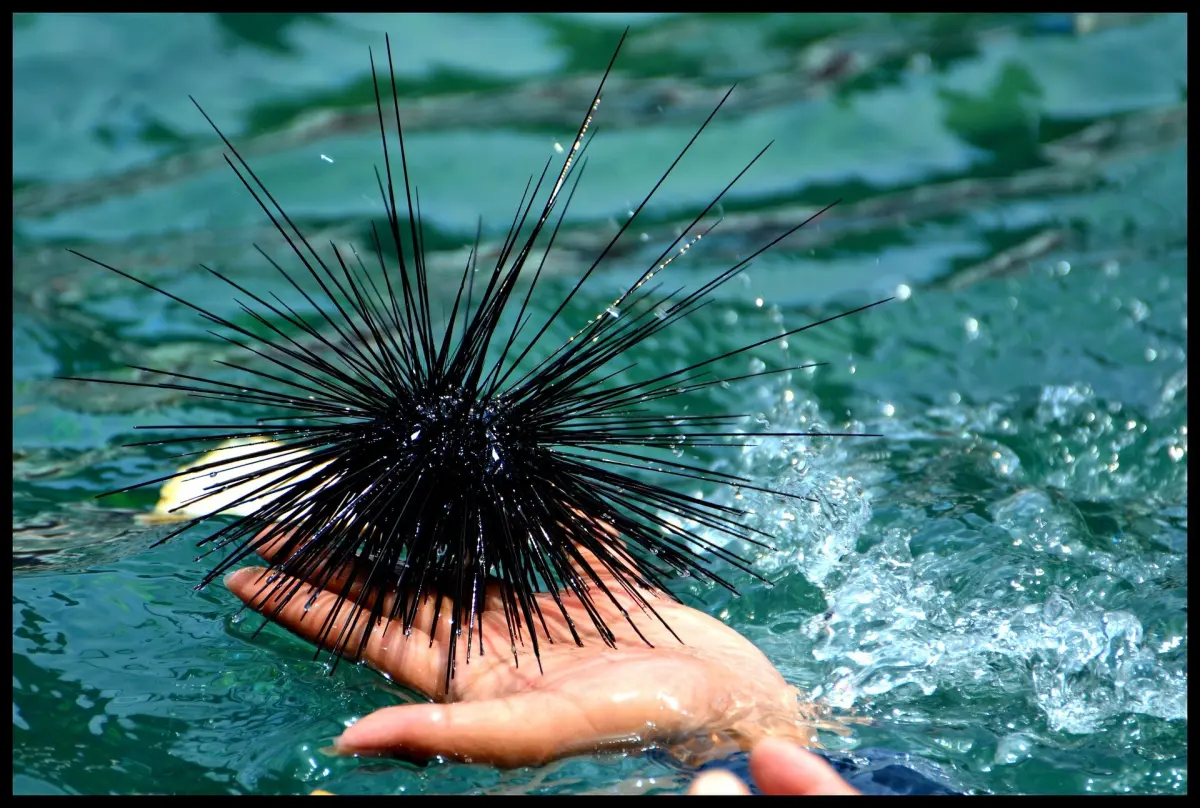
Another common mistake is ignoring the urchin's physical sensitivity to handling. Many beginners attempt to move urchins by hand, which can damage their delicate tube feet or cause them to drop their spines. Furthermore, failing to acclimate them slowly to new water can lead to "osmotic shock," which often proves fatal within days. Always use a drip-acclimation method over several hours to ensure the animal adjusts to the specific chemistry of your aquarium water.
What factors shorten a sea urchin's lifespan?
In the wild, the lifespan of a sea urchin is frequently cut short by external pressures rather than natural aging. Predation is the leading cause of mortality, with sea otters, crabs, lobsters, and certain species of fish acting as primary hunters. When predator populations increase, the average age of the local urchin population drops significantly, as younger individuals are consumed before they can reach maturity.
Environmental degradation also poses a severe threat. Ocean acidification, caused by increased carbon dioxide absorption, makes it difficult for urchins to maintain their calcium carbonate tests, or shells. Additionally, pollution and warming waters can trigger disease outbreaks, such as "bald sea urchin disease," which causes them to lose their spines and eventually die. Protecting coastal habitats and maintaining water quality are the most effective ways to ensure these creatures reach their full, natural lifespan in the wild.
Key facts
- Most common sea urchin species live between 10 and 30 years in the wild.
- The red sea urchin (Mesocentrotus franciscanus) is famous for living over 100 years.
- Scientists determine an urchin's age by counting growth rings in its calcite plates, similar to tree rings.
- Predators like sea otters, crabs, and sunflower stars significantly shorten the average lifespan of urchins.
- Water temperature and food availability are the primary environmental factors that dictate growth rates and longevity.
- Avoid keeping sea urchins in home aquariums unless you have advanced expertise, as they require precise water chemistry and constant algae supplies.
The bottom line
Sea urchins exhibit a wide range of lifespans, typically living between one and three decades, though some species can survive for over a century. Their longevity is largely determined by species-specific biology, predation pressure, and environmental stability. While they are fascinating creatures, their survival in the wild depends on healthy ecosystems, making them vital indicators of ocean health and the complex balance of marine food webs.
People also ask
Do sea urchins die of old age?
While they do eventually succumb to senescence, most sea urchins die from predation or disease long before reaching their biological limit. Their ability to regenerate spines and tissue makes them remarkably resilient to minor injuries.
How can you tell how old a sea urchin is?
Researchers use carbon-14 dating or examine the growth increments found within the ossicles, which are the small plates that make up their shell. These internal structures record seasonal growth patterns throughout the animal's life.
Do all sea urchins live for a long time?
No, lifespan varies greatly by species and environmental conditions. Smaller species often live less than a decade, while larger, cold-water species exhibit much slower metabolisms and significantly longer lifespans.
What is the biggest threat to a sea urchin's lifespan?
Predation is the most common cause of premature death. Sea otters are particularly effective at controlling urchin populations, often consuming them in large quantities to maintain kelp forest health.
Can sea urchins survive in polluted water?
They are highly sensitive to changes in water quality, especially ocean acidification and chemical runoff. Pollution can weaken their shells and disrupt their reproductive cycles, leading to population declines.
Are sea urchins immortal?
No, they are not biologically immortal. While some species show negligible senescence, meaning their risk of death does not increase with age, they are still subject to physical damage, starvation, and environmental stressors.
This answer was created with the help of AI research tools and reference sources. Spotted an error? Let us know — we correct mistakes quickly. See our editorial policy.