Are black bears dangerous to humans?
Short answer
Black bears are generally timid and rarely aggressive toward humans, but they remain wild animals capable of causing serious injury. While fatal attacks are extremely rare, you should always maintain a respectful distance and practice proper food storage. Understanding bear behavior is the most effective way to stay safe in their habitat.
On this page
Are black bears aggressive toward people?
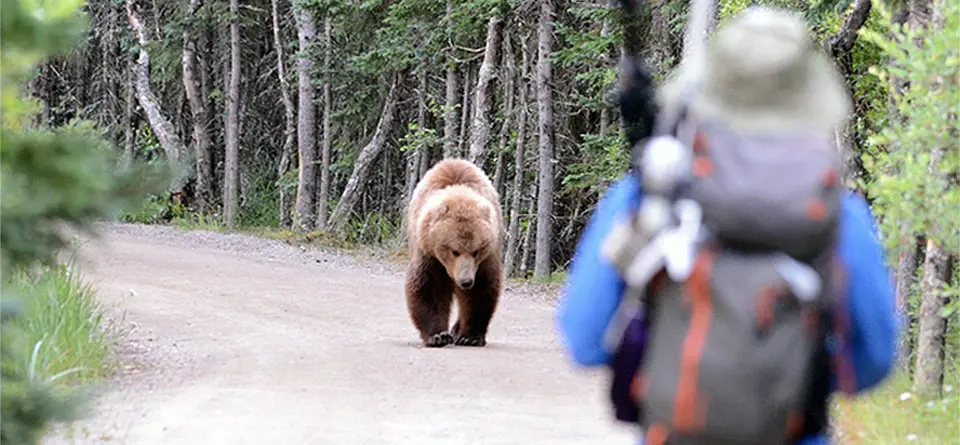
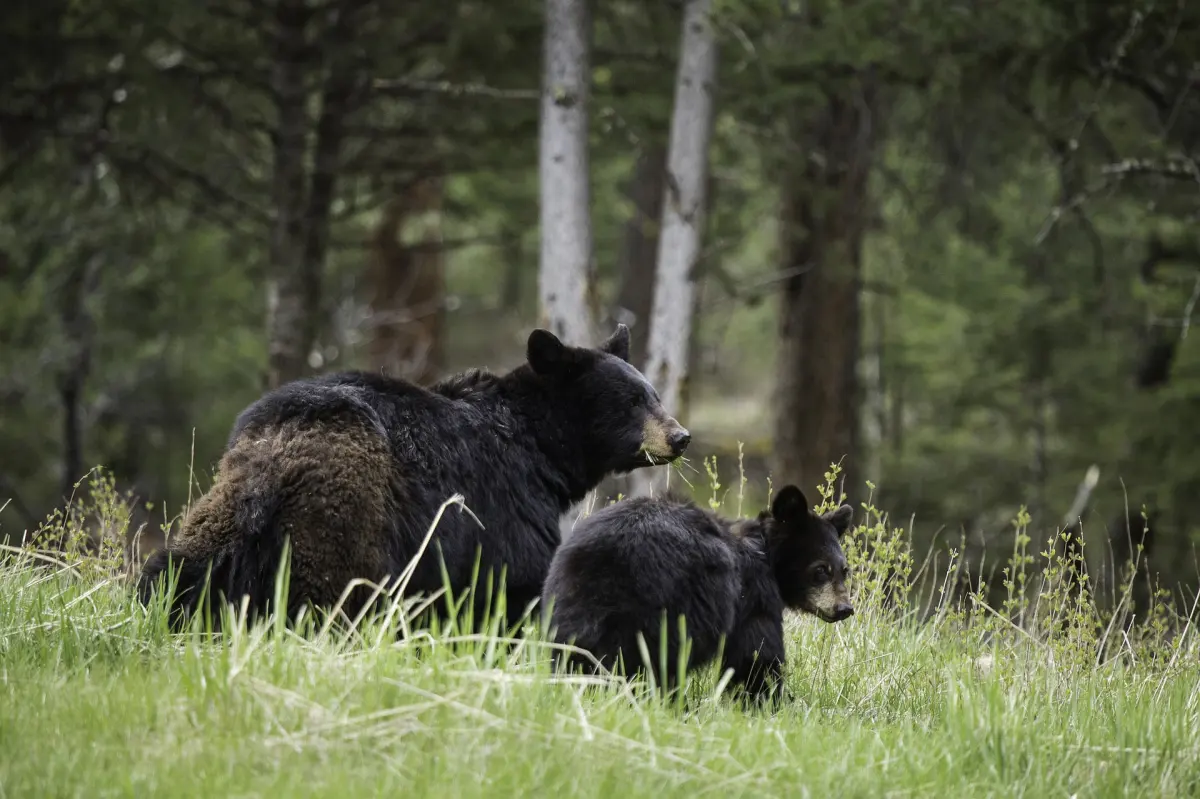
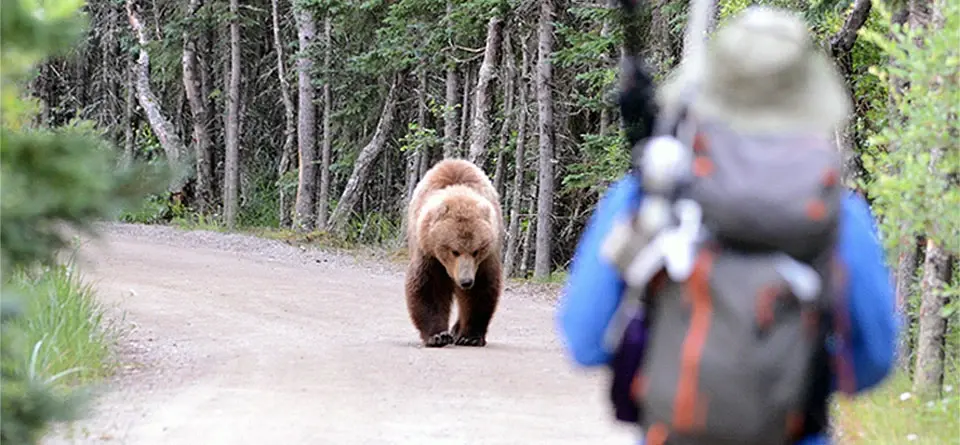
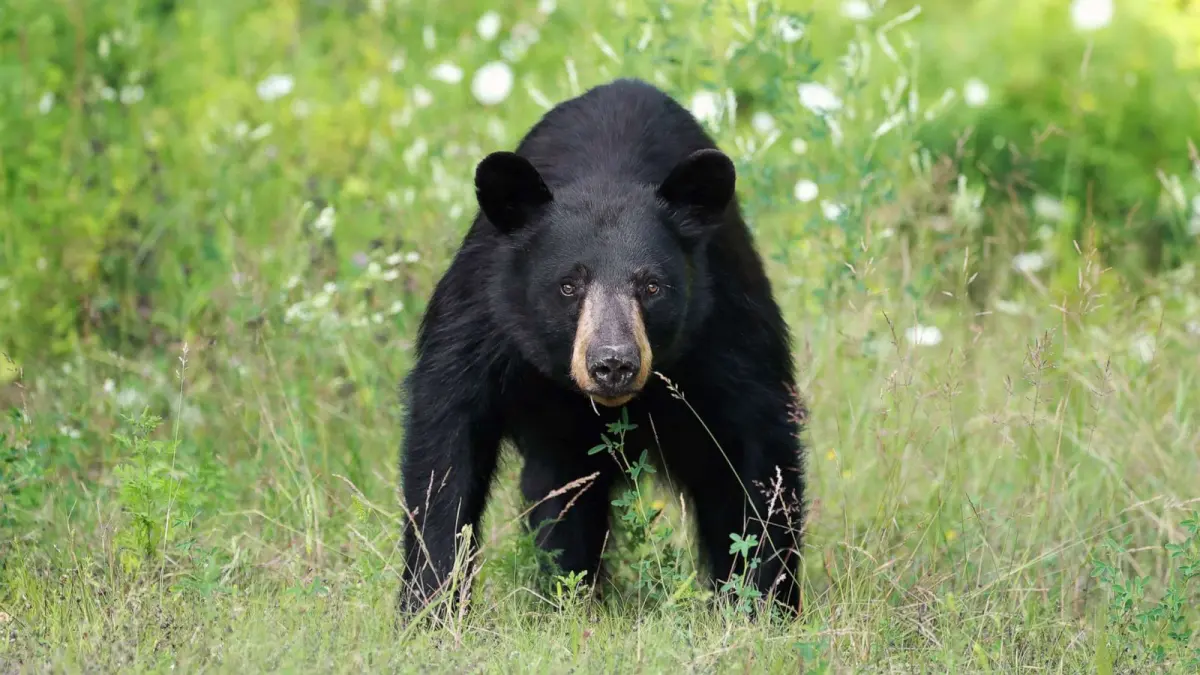
Black bears (Ursus americanus) are naturally shy and typically prefer to avoid human contact. Unlike grizzly bears, which may act defensively to protect cubs or food sources, black bears are more likely to flee when they encounter a person. Most aggressive behaviors observed in black bears are actually bluff charges, where the animal rushes toward you but stops short to intimidate you into leaving.
Despite their generally docile nature, black bears are opportunistic feeders that can become habituated to human presence if they find easy food sources. A bear that loses its natural fear of humans is significantly more dangerous than one living in the deep wilderness. Attacks are statistically infrequent, but they usually occur when a bear feels cornered, is protecting cubs, or is predatory. Predatory attacks are the rarest form of engagement but are the most serious, as they indicate the bear is viewing a human as a potential food source rather than a threat.
How to react during a black bear encounter
If you encounter a black bear, your primary goal is to remain calm and demonstrate that you are not a threat. Never run from a black bear, as their predatory instinct to chase can be triggered by rapid movement. Instead, follow these established safety protocols to de-escalate the situation:
- Stand your ground and slowly wave your arms to appear larger.
- Speak to the bear in a calm, firm, and low-pitched voice.
- Back away slowly while keeping your eyes on the bear, but avoid direct, prolonged eye contact, which the animal may perceive as a challenge.
- If the bear follows you, stop and hold your ground.
If a black bear makes physical contact, the strategy changes significantly. Unlike with grizzly bears, where you should play dead, experts recommend fighting back against an attacking black bear. Use any available objects, such as rocks, sticks, or your bare hands, to strike the bear in the face and muzzle. The goal is to convince the bear that you are too difficult or dangerous to handle, which often causes them to disengage.
Why do black bears attack humans?
Most bear-human conflicts are rooted in the bear’s search for food. Black bears have a keen sense of smell and can detect human food, trash, or scented toiletries from over a mile away. When bears associate humans with easy meals, they may lose their natural wariness, leading to bold behavior. This is why proper food storage in campgrounds and residential areas is the most critical factor in preventing dangerous encounters.
Other attacks occur due to accidental proximity, such as surprising a bear on a trail or near a berry patch. A bear that is startled may lash out instinctively before it has a chance to assess the situation. Furthermore, female bears with cubs are highly protective; if you find yourself between a mother and her offspring, the risk of an defensive attack increases exponentially. Always stay alert in areas with high bear activity and make noise to avoid catching an animal off guard.
Common mistakes when hiking in bear country
Many hikers inadvertently invite trouble by failing to manage their scent or surroundings. A frequent error is hiking with headphones, which prevents you from hearing a bear’s warning sounds, such as huffing or jaw-popping. Another common mistake is leaving food scraps or wrappers on the trail, which creates a "food reward" that encourages bears to frequent human-traveled paths.
- Storing food in a tent or backpack while sleeping.
- Failing to carry bear-resistant canisters or hanging food at least 10 feet high and 4 feet from a tree trunk.
- Hiking alone in dense brush or during dawn and dusk when bears are most active.
- Leaving pets off-leash, as they can provoke a bear and lead it back to you.
By avoiding these habits, you significantly reduce the likelihood of a negative interaction. Always research local regulations regarding food storage and bear spray before entering a wilderness area, as rules vary by park and region.
Best ways to stay safe around bears
The most effective tool for personal protection is bear spray. This aerosol deterrent, which contains capsaicin, is highly effective at stopping an aggressive bear in its tracks. To use it properly, you must keep it in an accessible location—not buried deep inside your backpack—and practice removing it from its holster quickly. Aim slightly downward in front of the bear to create a cloud that the animal must pass through.
In addition to carrying spray, situational awareness is your best defense. Keep your group together, as bears are less likely to approach a larger number of people. If you are camping, keep a clean site by disposing of all trash in bear-proof bins immediately. By respecting the bear's space and minimizing your impact on their environment, you can enjoy the outdoors safely while ensuring these magnificent animals remain wild and wary of humans.
Key facts
- Black bears are generally timid and prefer to avoid human contact whenever possible.
- Fatal attacks by black bears are extremely rare, averaging fewer than one per year in North America.
- Never run from a black bear, as this can trigger their natural predatory chase instinct.
- Store all food, trash, and scented items in bear-resistant containers to prevent attracting them to campsites.
- If a black bear approaches, stand your ground, make yourself look large, and speak in a calm, firm voice.
- In the unlikely event of an attack, fight back aggressively using any available objects rather than playing dead.
The bottom line
Black bears are naturally shy animals that pose a very low risk to humans when proper precautions are taken. By securing food sources, maintaining situational awareness, and knowing how to react during an encounter, you can safely enjoy the outdoors. Remember that most conflicts arise from human negligence; staying calm and acting decisively remains your best defense against the rare possibility of a dangerous interaction.
People also ask
Does playing dead work when attacked by a black bear?
No, playing dead is only recommended for grizzly bear encounters. If a black bear attacks you, you should fight back with everything you have to convince the animal you are a threat.
Are black bears more aggressive if they have cubs?
Unlike grizzly bears, black bear mothers rarely attack to defend their cubs. They typically prefer to send their cubs up a tree while they retreat or bluff-charge to scare you away.
Should I carry bear spray while hiking in black bear country?
Yes, bear spray is a highly effective, non-lethal deterrent for all bear species. It is easy to use and provides a significant safety margin if a bear becomes curious or aggressive.
Will a black bear attack if I make eye contact?
Direct eye contact can be perceived as a challenge or threat by some animals, but it is not the primary trigger for a black bear attack. It is best to keep the bear in sight while slowly backing away without staring intensely.
Do black bears hunt humans for food?
Predatory attacks are exceptionally uncommon and usually involve bears that have become habituated to human food sources. Most interactions occur because a bear is startled or defending its personal space.
Can I climb a tree to escape a black bear?
Climbing a tree is not an effective escape strategy because black bears are excellent climbers. You are safer staying on the ground and using your size and voice to deter the animal.
This answer was created with the help of AI research tools and reference sources. Spotted an error? Let us know — we correct mistakes quickly. See our editorial policy.