Are octopuses dangerous to humans?
Short answer
Most octopuses are not dangerous to humans and generally prefer to flee rather than fight when encountered in the wild. While all species possess venom, only the tiny blue-ringed octopus is lethal to people. Most other encounters result in nothing more than a minor, localized sting or a small, clean bite.
On this page
Are octopuses aggressive toward humans?
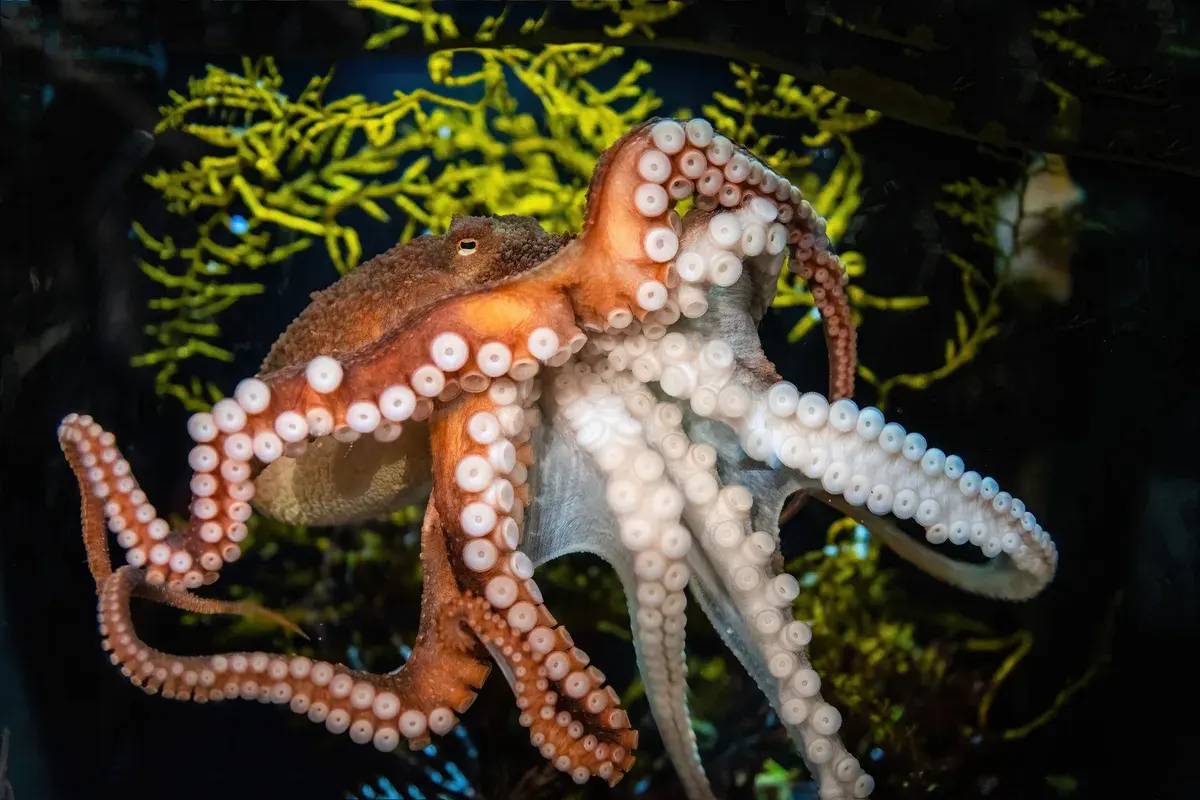
Octopuses are famously shy, intelligent creatures that prioritize self-preservation over confrontation. In their natural marine habitats, they rely on sophisticated camouflage and rapid jet propulsion to escape potential threats. Humans are far too large to be viewed as prey, meaning an octopus has no evolutionary incentive to attack a diver or swimmer. Most interactions occur only when a human inadvertently corners an animal or attempts to handle it directly.
When an octopus feels threatened, it typically displays a series of warning signals before resorting to physical contact. These include changing color, expanding its body size, or releasing a cloud of ink to create a visual distraction. If these defensive maneuvers fail, the animal may bite as a final measure of protection. However, such bites are rare and almost always the result of a human ignoring the animal's clear attempts to retreat.
Which octopuses are actually dangerous?
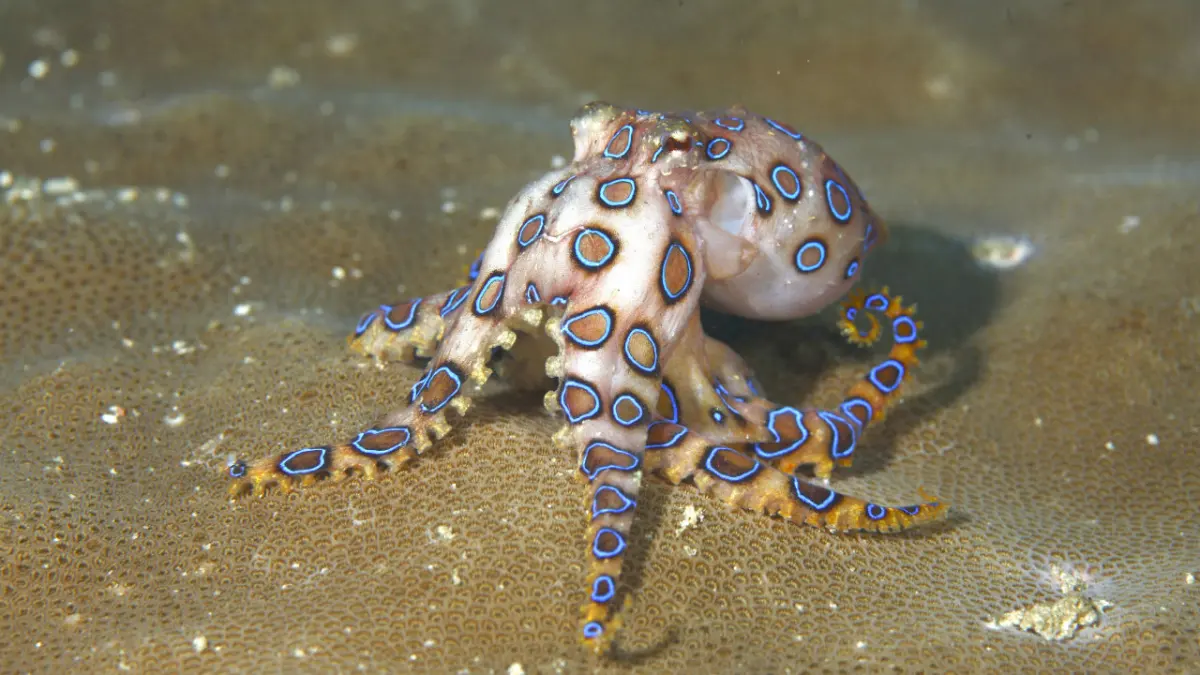
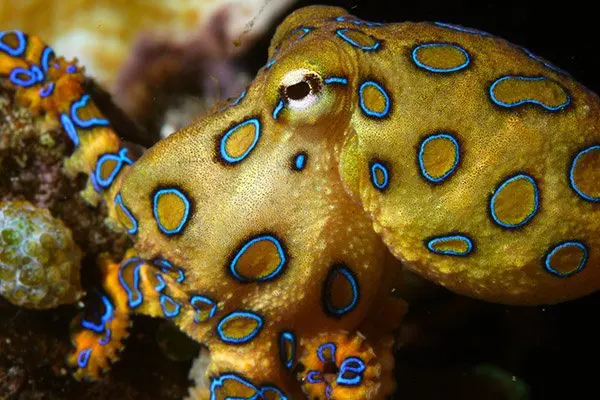
The blue-ringed octopus, belonging to the genus Hapalochlaena, is the only group known to be deadly to humans. These small cephalopods, often no larger than a golf ball, inhabit tide pools and coral reefs in the Pacific and Indian Oceans. They contain tetrodotoxin, a potent neurotoxin that is 1,200 times more toxic than cyanide. This toxin causes paralysis and respiratory failure, and there is currently no known antivenom for a blue-ringed octopus bite.
Despite their lethal reputation, these creatures are remarkably docile. They only reveal their signature iridescent blue rings when they feel severely threatened. Most human fatalities occur because individuals pick up the attractive, colorful animals without realizing they are handling one of the world's most venomous creatures. To stay safe in regions like Australia or Southeast Asia, follow these precautions:
- Never touch an octopus found in tide pools or shallow reefs.
- Wear thick gloves if you are working or exploring in areas where these animals reside.
- Observe all marine life from a distance to avoid triggering defensive behaviors.
- Educate yourself on the specific species local to the region you are visiting.
What happens if you get bitten?
Most non-lethal octopus bites cause minor swelling, redness, and localized itching, similar to a bee sting. The beak of an octopus is made of chitin, which is sharp enough to pierce human skin, but the venom injected is usually mild and intended for small crustaceans like crabs. In most cases, the wound is clean and heals quickly without professional medical intervention.
If you are bitten by a non-venomous octopus, follow these steps to ensure proper care:
- Wash the area thoroughly with soap and clean, fresh water to prevent secondary infection.
- Apply a cold compress or ice pack to the site to reduce inflammation and numb the pain.
- Monitor the wound for signs of infection, such as increasing heat, pus, or red streaks spreading from the site.
- Seek medical attention if you experience difficulty breathing, dizziness, or muscle weakness, as these could indicate an allergic reaction or, in rare cases, exposure to more potent toxins.
Common mistakes when interacting with marine life
The most frequent mistake people make when encountering an octopus is attempting to handle it. Octopuses are curious and may reach out to touch a diver's hand, but this should never be interpreted as an invitation to pick the animal up. Removing an octopus from its den or the water causes extreme stress and can lead the animal to bite in desperation. Furthermore, handling can damage the animal's delicate skin and protective slime coat.
Another common error is failing to respect the environment. Many divers prioritize getting a "perfect" photograph, which often involves poking at rocks or coral to flush an octopus out of its hiding spot. This behavior is invasive and disruptive to the ecosystem. Always remember that you are a guest in their home. If the animal is hiding, it is doing so for a reason, and forcing an encounter is both dangerous for you and harmful to the animal's well-being.
How to safely observe octopuses in the wild
Observing an octopus in its natural habitat is a rewarding experience if done with patience and respect. The best way to view them is to remain still and allow the animal to become accustomed to your presence. Many octopuses are naturally inquisitive and will eventually emerge from their dens to investigate if they feel that the observer is not a threat. Use a camera with a zoom lens rather than trying to get physically close to the creature.
If you are snorkeling or diving, maintain a neutral buoyancy and avoid kicking up silt, which can obscure the animal's vision and cause it to panic. By keeping a respectful distance, you allow the octopus to exhibit its natural behaviors, such as hunting, cleaning its den, or changing textures to match its surroundings. Responsible observation ensures that these fascinating creatures remain undisturbed while providing you with a memorable and safe encounter in the wild.
Key facts
- All octopuses possess venom, but only the tiny blue-ringed octopus is lethal to humans.
- Blue-ringed octopuses carry tetrodotoxin, a potent neurotoxin that causes paralysis and respiratory failure.
- Most octopus species are shy and will retreat into crevices when approached by divers or swimmers.
- Bites from non-lethal species typically cause minor swelling, itching, or localized pain that heals quickly.
- Never attempt to handle a blue-ringed octopus, as they can bite even if they appear docile.
- If bitten by any octopus, seek immediate medical attention and monitor for difficulty breathing or muscle weakness.
The bottom line
While octopuses are fascinating marine creatures, they are generally harmless to humans unless provoked or handled improperly. The only significant danger lies with the blue-ringed octopus, which carries a lethal neurotoxin. By maintaining a respectful distance and avoiding the temptation to touch or capture these animals in their natural habitats, you can safely observe them without any risk of injury or medical emergency.
People also ask
Can an octopus kill a human?
Yes, the blue-ringed octopus is capable of killing a human within minutes due to its highly toxic venom. However, such fatalities are extremely rare and usually occur only when the animal is handled or provoked.
What should I do if I am bitten by an octopus?
Clean the wound thoroughly with soap and water to prevent infection. If you suspect the bite came from a blue-ringed octopus, seek emergency medical care immediately, as respiratory support may be required.
Do octopuses bite often?
Octopuses rarely bite humans because they prefer to use camouflage or ink to escape threats. Bites almost exclusively happen when a person tries to pick up or trap the animal.
How can I identify a dangerous blue-ringed octopus?
These animals are small, often the size of a golf ball, and display vibrant, iridescent blue rings when threatened. They are primarily found in tide pools and coral reefs throughout the Indo-Pacific region.
Are giant Pacific octopuses aggressive?
No, the giant Pacific octopus is generally docile and curious rather than aggressive. While their beaks are strong enough to break shells, they pose virtually no threat to humans in the wild.
Is there an antivenom for blue-ringed octopus bites?
There is currently no known antivenom for the tetrodotoxin found in blue-ringed octopuses. Treatment focuses on life support, such as artificial ventilation, until the body naturally clears the toxin from the system.
This answer was created with the help of AI research tools and reference sources. Spotted an error? Let us know — we correct mistakes quickly. See our editorial policy.