Is Vancouver at risk of a big earthquake?
Short answer
Yes, Vancouver faces a significant risk of a major earthquake. Located near the Cascadia Subduction Zone, the region is prone to powerful seismic events. Experts estimate a 30 percent probability of a magnitude 8.0 or greater earthquake occurring within the next 50 years, necessitating robust emergency preparedness for all residents.
On this page
Why does the earthquake risk exist in Vancouver?
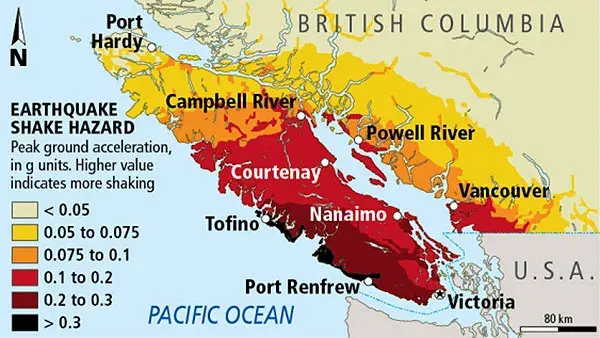
Vancouver sits near the Cascadia Subduction Zone, a 1,000-kilometer-long fault line stretching from Northern Vancouver Island to Northern California. This is where the Juan de Fuca tectonic plate is slowly sliding beneath the North American plate. When these plates become locked, pressure builds up over centuries until it is released in a sudden, violent rupture.
Geological records indicate that these "megathrust" earthquakes occur roughly every 300 to 500 years. The last major event in this zone took place on January 26, 1700, with an estimated magnitude of 9.0. Because the region has been quiet for over three centuries, scientists consider it overdue for a significant seismic event, making Vancouver one of the most seismically active areas in Canada.
What are the different types of earthquakes?
Residents in Vancouver must prepare for three distinct types of seismic threats. Each carries different characteristics and potential impacts on the city's infrastructure and residential areas:
- Megathrust earthquakes: Occur at the subduction zone; these are the largest, longest-lasting, and most destructive events.
- Crustal earthquakes: These happen within the North American plate closer to the surface, potentially causing intense shaking in localized areas.
- Deep-focus earthquakes: These occur within the subducting Juan de Fuca plate deep beneath the surface and are the most frequent type in the region.
While deep-focus quakes are common and often felt, they typically cause less structural damage than shallow crustal or megathrust events. Understanding these differences helps residents recognize that even smaller, frequent tremors are indicators of the active tectonic environment that defines the Pacific Northwest landscape.
How to prepare a home for an earthquake?
Securing your living space is the most effective way to reduce the risk of injury during a major tremor. Focus on heavy objects that could fall or shift during intense shaking. Follow these essential steps to harden your home environment:
- Secure tall furniture, such as bookshelves and cabinets, to wall studs using heavy-duty straps or L-brackets.
- Move heavy items, including mirrors and framed art, away from beds and seating areas to prevent them from falling on occupants.
- Install child-proof latches on kitchen cupboards to keep dishes and glassware from spilling out during violent movement.
- Use earthquake putty to secure small collectibles or electronics to shelves or tables.
- Ensure your water heater is strapped to the wall frame, as it is a critical source of emergency water.
Avoid the common mistake of ignoring "hidden" hazards like gas lines. Ensure you know exactly where your main gas shut-off valve is located and keep a wrench nearby. If you smell gas after an earthquake, turn off the supply immediately to prevent fires.
What should be in an emergency kit?
A well-stocked emergency kit is vital for survival during the first 72 hours following a disaster. Because emergency services will be overwhelmed, you must be self-sufficient. Your kit should be stored in an accessible, waterproof container and include the following essentials:
- At least four liters of water per person per day for drinking and sanitation.
- Non-perishable food items like canned goods, energy bars, and dried fruit, along with a manual can opener.
- A battery-powered or hand-crank radio to receive updates from local authorities.
- A comprehensive first-aid kit, including prescription medications and copies of important medical documents.
- Flashlights with extra batteries and a whistle to signal for help if trapped.
- Cash in small denominations, as electronic payment systems will likely be non-functional.
Check your supplies every six months to replace expired food or water. Many residents make the mistake of leaving their kit in a basement or a locked shed; instead, keep it in a location that is easy to reach from an exit.
Common mistakes when preparing for a disaster
Many people underestimate the psychological and logistical challenges of a major earthquake. One common error is assuming that help will arrive immediately. In a catastrophic event, bridges, roads, and power lines may be destroyed, meaning professional responders might not reach your neighborhood for several days. Do not rely solely on mobile phones, as cellular networks are frequently overloaded or damaged during disasters.
Another mistake is failing to create a family communication plan. If your family members are at work or school when an earthquake strikes, you may not be able to reunite immediately. Establish a designated out-of-area contact person whom everyone can call or text to check in. Finally, avoid the tendency to panic; practicing "Drop, Cover, and Hold On" regularly ensures that your reaction during an actual earthquake is instinctive rather than hesitant. By taking these proactive steps today, you significantly increase your safety and resilience when the next major seismic event inevitably occurs.
Key facts
- Vancouver sits near the Cascadia Subduction Zone, where the Juan de Fuca tectonic plate slides beneath the North American plate.
- Experts estimate a 30 percent probability of a magnitude 8.0 or greater "megathrust" earthquake occurring in the region within the next 50 years.
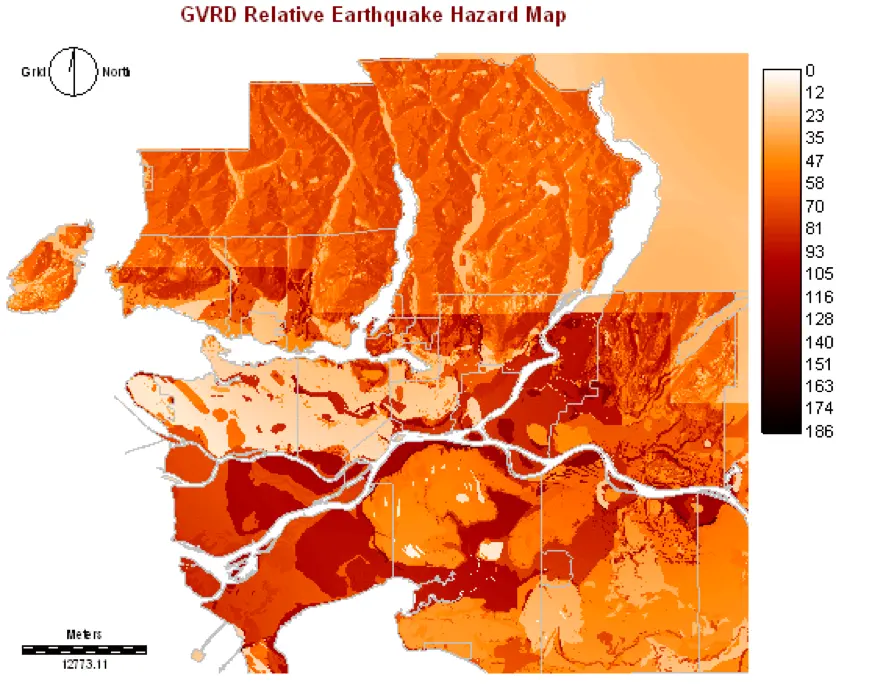
- The city is also vulnerable to shallow, crustal earthquakes occurring directly beneath the metropolitan area, which can cause intense localized shaking.
- Emergency management officials recommend maintaining a "72-hour kit" containing water, non-perishable food, a flashlight, and a battery-powered radio.
- Securing heavy furniture, such as bookshelves and water heaters, to wall studs is a critical step to prevent injuries during seismic activity.
- The "Drop, Cover, and Hold On" method remains the standard safety protocol for protecting yourself during the shaking of an earthquake.
The bottom line
Vancouver is situated in a high-risk seismic zone, making a significant earthquake a geological certainty over the long term. While the threat is serious, residents can drastically improve their safety by securing heavy furniture, creating emergency kits, and developing a family communication plan. Preparedness is the most effective tool for minimizing personal danger and ensuring a faster recovery when the inevitable shaking eventually occurs in the region.
People also ask
What is the "Big One"?
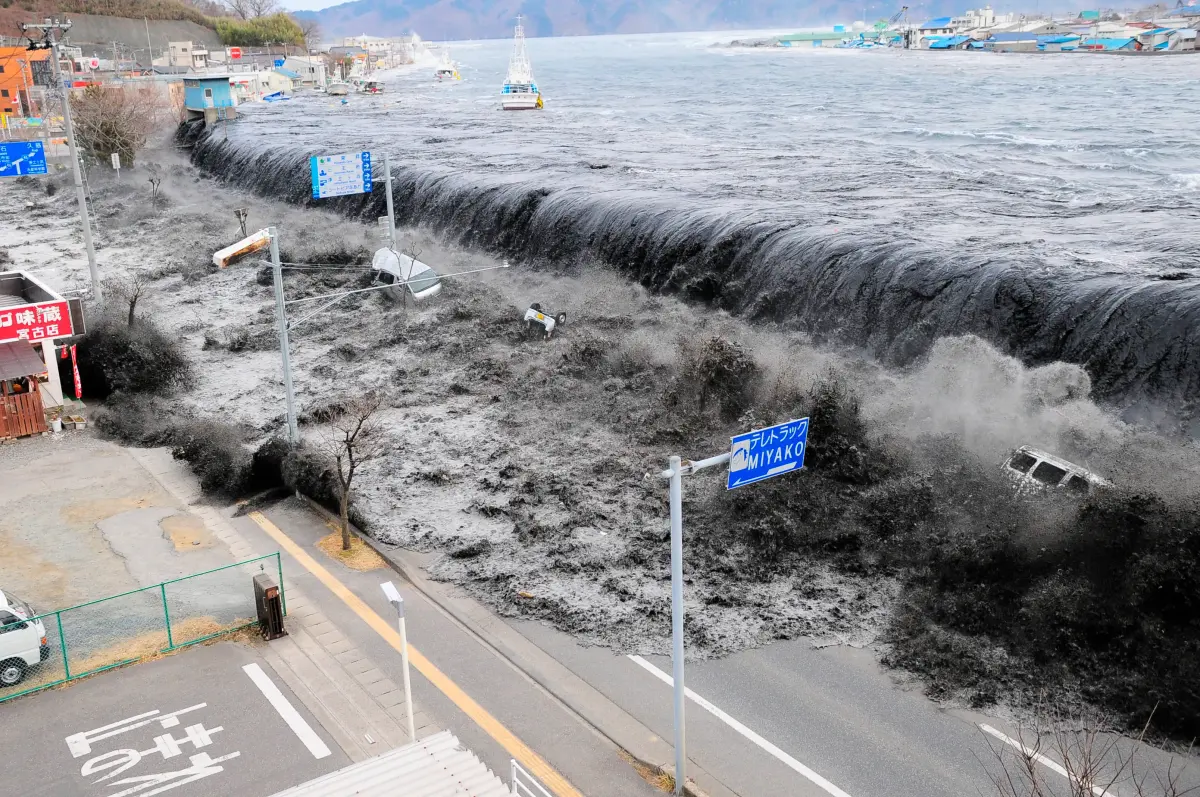
The "Big One" refers to a potential magnitude 9.0 megathrust earthquake along the Cascadia Subduction Zone. Such an event would cause prolonged, violent shaking across the Pacific Northwest and could trigger significant tsunamis along the coast.
Will Vancouver experience a tsunami?
While Vancouver is protected by Vancouver Island, the outer coast of British Columbia faces a high risk of tsunamis. Localized waves could still reach parts of the Burrard Inlet, though the primary threat to the city remains structural damage from ground shaking.
Are modern buildings in Vancouver safe?
Vancouver has some of the strictest seismic building codes in Canada, updated regularly since the 1980s. Newer high-rises are engineered to withstand significant force, though older masonry buildings constructed before modern codes pose a higher risk of collapse.
How long will the shaking last?
A major megathrust earthquake could cause intense shaking for two to four minutes. This duration is significantly longer than typical earthquakes, increasing the likelihood of structural failure and secondary hazards like landslides or fires.
Should I turn off my gas line after an earthquake?
You should only turn off your natural gas if you smell gas, hear a hissing sound, or suspect a leak. Once turned off, a professional technician must restore the service, which can cause significant delays in regaining heat or cooking capability.
Is earthquake insurance worth the cost?
Earthquake insurance is a personal financial decision based on your risk tolerance and property value. Many standard home insurance policies do not cover earthquake damage, so verify your specific coverage limits and deductible amounts with your provider.
This answer was created with the help of AI research tools and reference sources. Spotted an error? Let us know — we correct mistakes quickly. See our editorial policy.