Where do seahorses live?
Short answer
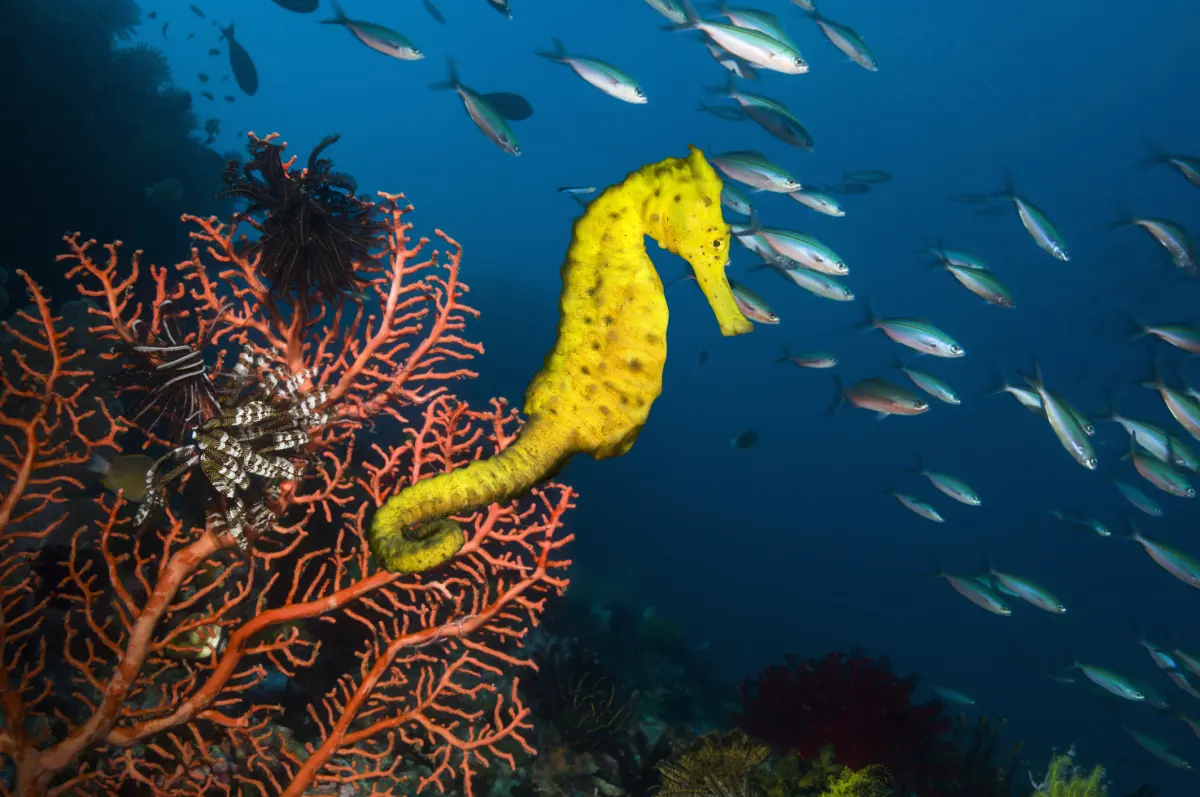
Seahorses inhabit shallow, tropical and temperate coastal waters across the globe. They primarily reside in sheltered environments such as seagrass beds, coral reefs, mangroves, and estuaries. These fish prefer areas with calm currents where they can anchor themselves to vegetation or structures using their prehensile tails to ambush passing prey.
On this page
Where do seahorses live geographically?
Seahorses belong to the genus Hippocampus and are found in almost all temperate and tropical waters worldwide. Their primary habitats are concentrated in the coastal regions of the Atlantic, Pacific, and Indian Oceans. While they are most diverse in the warm, shallow waters of the Indo-Pacific region, populations also thrive as far north as the British Isles and as far south as Tasmania.
These creatures are not migratory in the traditional sense, often spending their entire lives within a very small home range. They favor stable environments where the water temperature remains relatively consistent. Because they are poor swimmers, they avoid turbulent open ocean conditions. Instead, they seek out protected coastal zones where they can remain stationary for long periods without expending excessive energy against strong currents.
What habitats do seahorses prefer?
Seahorses are specialized ambush predators that rely on complex, three-dimensional environments for camouflage and protection. They are most commonly spotted in the following habitats:
- Seagrass meadows: These provide dense cover and abundant food sources.
- Coral reefs: The intricate structure offers safety from larger predators.
- Mangrove roots: The tangled root systems serve as ideal anchor points.
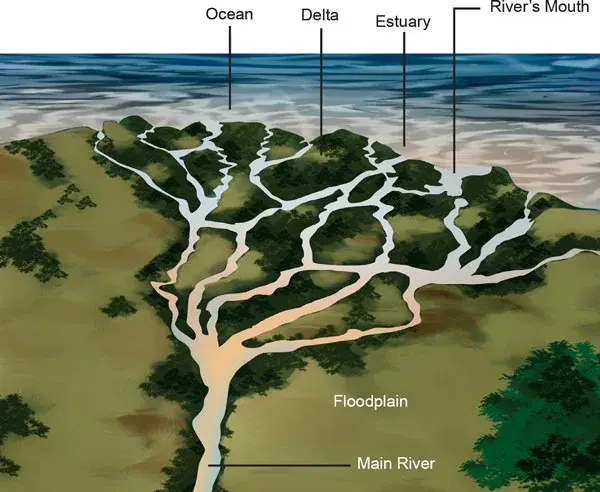
- Estuaries: These brackish environments offer nutrient-rich waters for juvenile survival.
- Sponge gardens: Various sponge species provide both shelter and texture for blending in.
The presence of these structures is vital for their survival. Without the ability to grip onto seagrass blades or coral branches, seahorses would be swept away by currents. Their bodies have evolved to mimic the appearance of these surroundings, allowing them to remain virtually invisible to both the tiny crustaceans they hunt and the predators that might target them.
How do seahorses adapt to their environment?
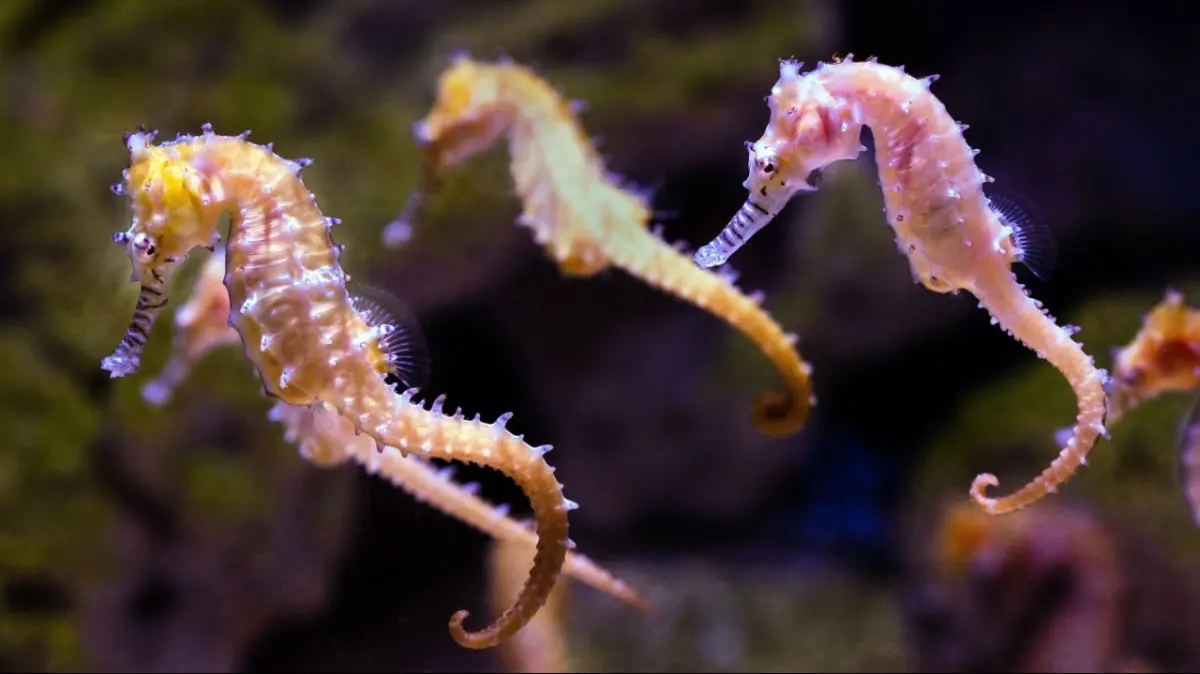
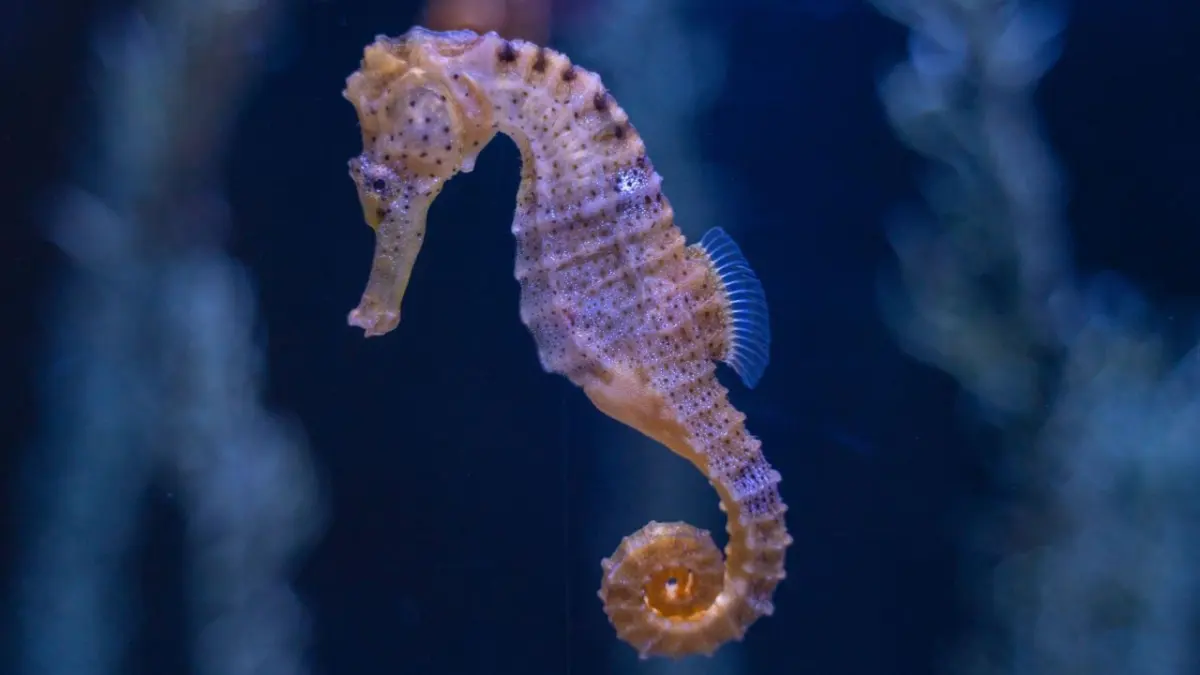
The physical environment dictates the seahorse’s unique evolutionary traits. Their prehensile tail is the most critical adaptation, acting as a biological anchor that allows them to remain tethered to their surroundings. This grip is strong enough to withstand moderate water movement, ensuring they stay within their preferred hunting grounds. Their bony plates, which replace typical fish scales, provide a rigid, armor-like structure that protects them from injury in tight, rocky spaces.
Beyond their physical structure, seahorses utilize advanced camouflage to survive in their chosen habitats. They can change color and grow skin filaments to match the texture of their immediate background. This ability is essential for survival in high-traffic areas like reefs. By staying perfectly still and blending into a piece of algae or coral, they become indistinguishable from the environment, allowing them to wait patiently for small prey like copepods or brine shrimp to drift within striking distance.
Common mistakes when looking for seahorses
Many enthusiasts fail to spot seahorses because they search in the wrong locations or use improper techniques. If you are attempting to observe these animals in the wild, avoid these frequent errors:
- Searching in high-energy, open-water zones where they cannot anchor.
- Moving too quickly, which prevents you from noticing their subtle camouflage.
- Ignoring the "micro-habitats" like small patches of macroalgae or isolated sponges.
- Failing to look at the base of seagrass or coral where they typically hide.
- Disturbing the substrate, which creates silt and obscures visibility.
Patience is the most important tool for any observer. Because seahorses are masters of disguise, they are rarely seen by casual swimmers. You must train your eyes to look for shapes that do not belong, such as a curled tail or a snout protruding from a cluster of seagrass. Moving slowly and maintaining neutral buoyancy will help you scan the environment without scaring the animals away.
Why do seahorse habitats disappear?
Human activity is the primary cause of habitat loss for seahorses globally. Coastal development, pollution, and destructive fishing practices like bottom trawling have decimated the seagrass beds and coral reefs that these creatures depend on. When a seagrass meadow is destroyed by dredging or runoff, the local seahorse population loses its feeding grounds and its protection from predators. This leads to a rapid decline in population numbers, as the species cannot easily relocate to new, distant environments.
Conservation efforts are now focused on protecting these vital coastal ecosystems. By establishing marine protected areas and regulating coastal construction, scientists hope to stabilize the environments where seahorses thrive. Restoring seagrass beds is particularly effective, as it provides an immediate boost to local biodiversity. Protecting these habitats does more than just save the seahorse; it preserves the health of the entire coastal ecosystem, which supports thousands of other marine species and provides essential services like carbon sequestration and shoreline stabilization.
Key facts
- Seahorses inhabit shallow tropical and temperate waters worldwide, typically between 45 degrees north and 45 degrees south latitude.
- They prefer sheltered environments such as seagrass beds, coral reefs, mangroves, and estuaries to anchor themselves.
- Most species are found in the Indo-Pacific region, which holds the highest diversity of seahorse populations globally.
- Because they are poor swimmers, they use their prehensile tails to grasp onto vegetation to avoid being swept away by currents.
- Seahorses rarely migrate long distances, often spending their entire lives within a small home range of only a few square meters.
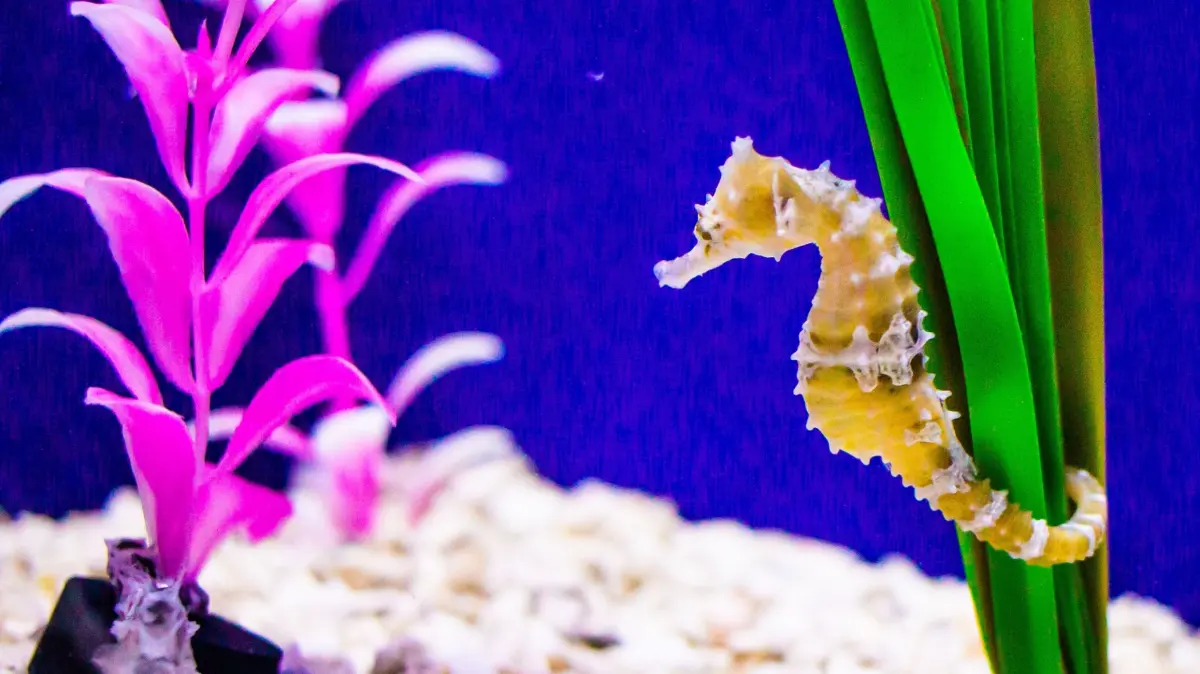
- When keeping seahorses in an aquarium, ensure the tank has low water flow and plenty of hitching posts like artificial plants or coral skeletons.
The bottom line
Seahorses are specialized marine fish that thrive in shallow, protected coastal environments across the globe. By anchoring themselves to seagrasses and coral, they survive in areas with moderate currents. While they are fascinating to observe, their reliance on specific, stable habitats makes them highly susceptible to environmental changes. Protecting these delicate underwater ecosystems is essential for ensuring the continued survival of these unique and vulnerable creatures.
People also ask
Do seahorses live in freshwater?
Almost all seahorse species live in saltwater environments. Only one species, Hippocampus abdominalis, is occasionally found in brackish estuaries, but they are not true freshwater fish.
How deep do seahorses live?
While most species prefer shallow waters less than 20 meters deep, some can be found at depths of up to 100 meters. They generally stay where light penetrates to support the growth of the seagrasses they inhabit.
Are seahorses endangered?
Many seahorse species are considered vulnerable or endangered due to habitat destruction and overfishing. They are frequently harvested for traditional medicine and the aquarium trade, leading to strict international trade regulations.
How do seahorses hide from predators?
Seahorses use advanced camouflage, changing their color and growing skin filaments to blend into their surroundings. This makes them nearly invisible to both predators and prey within complex habitats like coral reefs.
Can seahorses survive in a standard fish tank?
Seahorses are difficult to keep in captivity and require specialized care. Common mistakes include using high-flow filters that exhaust the fish and failing to provide enough vertical structures for them to anchor their tails.
Do seahorses live in groups?
Seahorses are generally solitary animals, though they may live in close proximity to others in high-density habitats. They do not form schools like many other fish species.
This answer was created with the help of AI research tools and reference sources. Spotted an error? Let us know — we correct mistakes quickly. See our editorial policy.