Where do raccoons live?
Short answer
Raccoons are native to North America and inhabit a diverse range of environments, from dense forests and prairies to bustling urban centers. They thrive wherever food, water, and shelter are accessible. Their highly adaptable nature allows them to occupy almost every habitat across the continent, extending from southern Canada into Central America.
On this page
Where do raccoons live in the wild?
Raccoons are indigenous to North America and demonstrate remarkable versatility in their choice of natural habitats. They prefer deciduous and mixed forests that provide abundant water sources, such as streams, lakes, and marshes. These areas offer the necessary humidity and diverse food supplies, including amphibians, crayfish, and seasonal fruits, which are essential for the animal's survival.
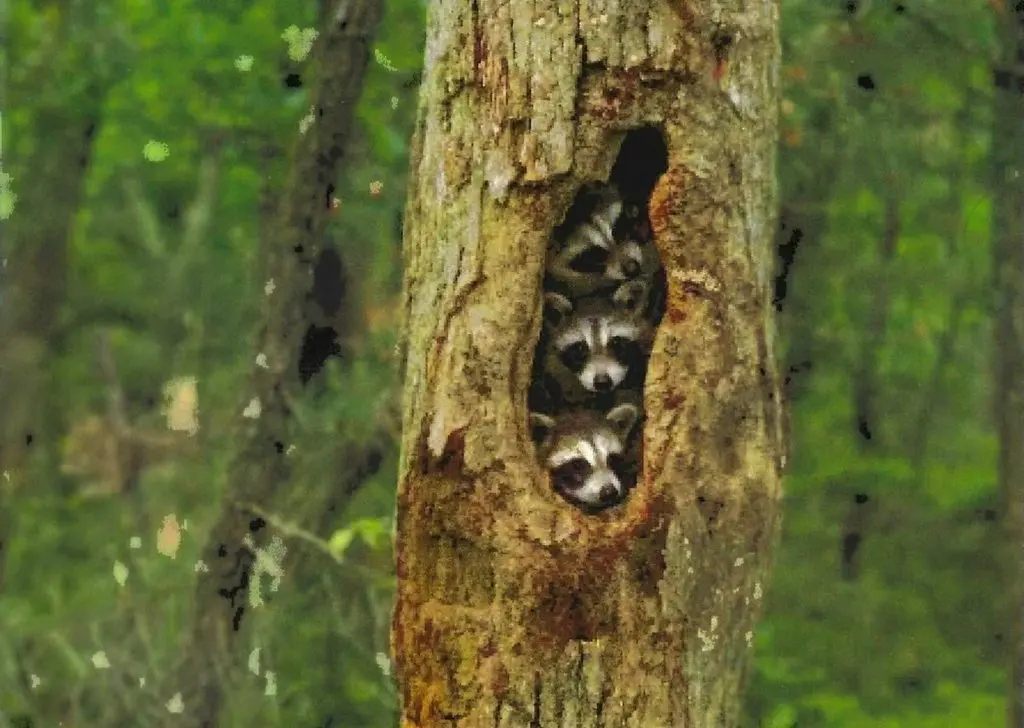
In addition to deep woodlands, raccoons frequently inhabit prairies and coastal areas. They are particularly fond of environments that offer structural complexity, such as hollow trees, rocky crevices, or abandoned burrows, which serve as secure denning sites. Because they are nocturnal and highly intelligent, they select locations that provide both concealment from predators and proximity to foraging grounds. Their population density is typically highest in areas where these natural resources overlap, allowing them to maintain stable home ranges throughout the year.
How do raccoons adapt to urban environments?
The urbanization of North America has provided raccoons with a wealth of artificial habitats that mimic their natural preferences. Cities offer an abundance of food waste, pet food, and anthropogenic structures that serve as excellent shelters. Raccoons have successfully transitioned into these environments, often living in closer proximity to humans than any other medium-sized mammal.
In urban settings, raccoons utilize a variety of man-made structures for denning. Common sites include:
- Attics and crawl spaces of residential homes.
- Abandoned buildings or construction sites.
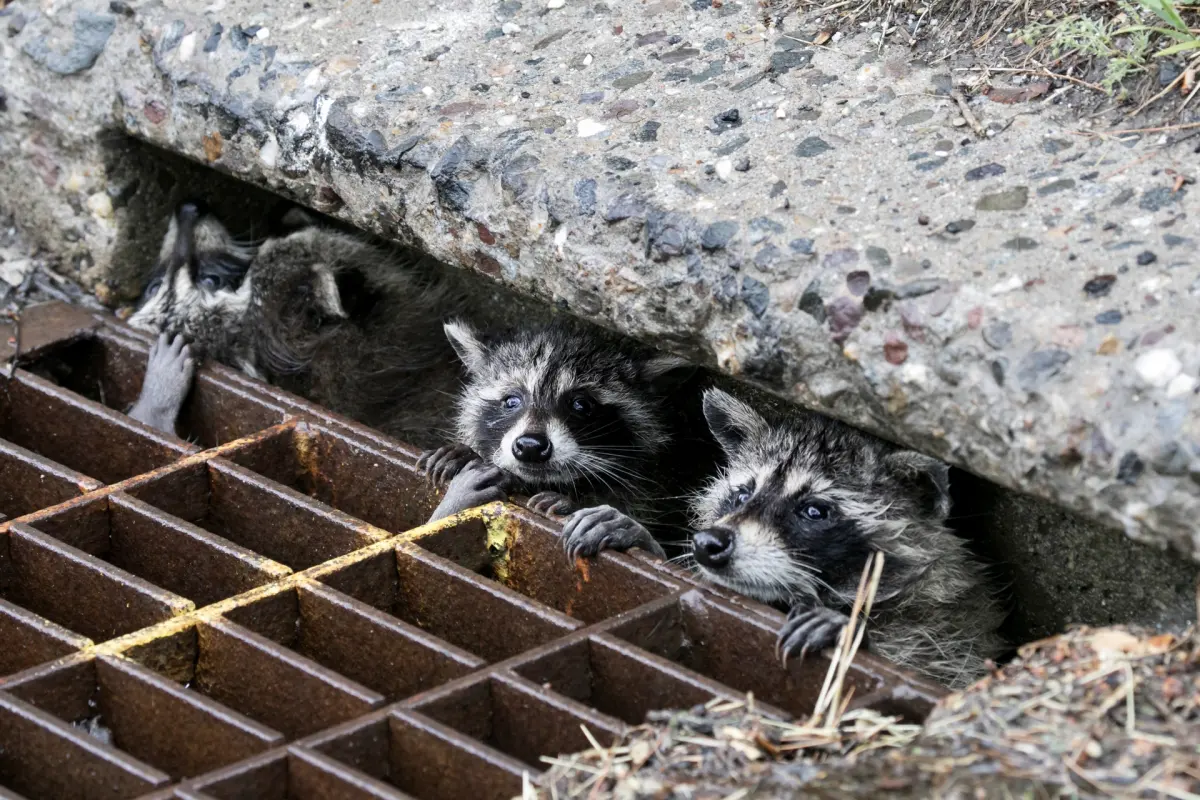
- Storm drains and sewer systems.
- Underneath porches or garden sheds.
- Hollowed-out spaces in ornamental trees.
Their ability to manipulate latches and climb vertical surfaces allows them to exploit these spaces effectively. By shifting their activity patterns to avoid peak human hours, they maintain a successful existence within suburban neighborhoods and dense metropolitan centers alike.
What is the geographic range of raccoons?
The natural range of the common raccoon (Procyon lotor) spans from southern Canada through the majority of the United States and into Mexico and parts of Central America. While they were historically absent from some high-altitude mountain regions and extreme desert environments, they have expanded their territory significantly over the last century. This expansion is largely attributed to human development and the resulting increase in available resources.
Climate plays a significant role in their distribution, as raccoons are not true hibernators. In colder northern regions, they enter a state of torpor during the harshest winter months, relying on stored body fat. This physiological adaptation allows them to survive in climates that would otherwise be inhospitable. Consequently, their range is limited primarily by the availability of denning sites that can offer protection from extreme cold rather than by latitude alone.
How to identify a raccoon den on your property?
If you suspect raccoons are living on your property, look for specific signs of activity. Raccoons are messy inhabitants and their presence is often betrayed by physical evidence. Identifying these signs early can help you determine if you are dealing with a temporary visitor or a permanent resident that has established a den.
- Inspect the perimeter of your home for entry points, such as loose soffits, vents, or holes in the roofline.
- Look for "latrines," which are designated areas where raccoons repeatedly deposit their droppings.
- Listen for scratching, thumping, or chattering noises coming from the attic or walls during the night.
- Check for muddy paw prints, which resemble small human handprints, near potential entry points.
- Observe the area at dusk to see if animals are exiting the structure to forage.
Common mistakes when managing raccoon habitats?
Many homeowners inadvertently encourage raccoons to take up residence by providing easy access to food and shelter. The most common mistake is leaving pet food outside overnight or failing to secure trash receptacles. Raccoons are opportunistic feeders; if they find a reliable food source near your home, they will likely choose a nearby structure for their den.
Another frequent error is failing to properly seal entry points after a raccoon has been evicted. If you block an entrance without ensuring the animal is gone, you may trap a mother away from her kits, leading to significant property damage as she attempts to break back in. To effectively manage the situation, follow these steps:
- Secure all trash cans with heavy-duty locking lids or bungee cords.
- Remove bird feeders and fallen fruit from the yard.
- Trim tree branches that hang within six feet of your roof.
- Install motion-activated lights or sprinklers to deter nocturnal visitors.
- Consult with a professional wildlife removal expert before attempting to seal an active den site.
Key facts
- Raccoons are native to North America but have expanded their range into parts of Europe, Japan, and the Caucasus.
- They are highly adaptable, living in diverse environments ranging from dense forests and marshes to bustling urban centers.
- In the wild, they prefer hollow trees, rock crevices, or abandoned burrows of other animals for shelter.
- Urban raccoons frequently den in chimneys, attics, crawl spaces, and under backyard sheds.
- To prevent raccoons from nesting in your home, seal entry points with heavy-gauge steel mesh and trim tree branches at least six feet away from your roof.
- Avoid leaving pet food or unsecured garbage outside, as these are the primary attractants that draw raccoons into human-populated areas.
The bottom line
Raccoons are remarkably resilient creatures that thrive in almost any environment, from deep forests to dense city neighborhoods. Their ability to exploit human resources makes them common backyard visitors. By securing your property and removing potential food sources, you can discourage these intelligent animals from settling in your home. Understanding their habits is the best way to coexist safely with these widespread and adaptable North American mammals.
People also ask
Do raccoons hibernate during the winter?
Raccoons do not truly hibernate, but they do enter a state of torpor during extreme cold. They may stay in their dens for several weeks at a time to conserve energy while waiting for milder weather.
Are raccoons considered dangerous to humans?
While they are generally shy, raccoons can be aggressive if they feel cornered or are protecting their young. They are also known carriers of rabies and roundworm, so you should never attempt to handle or feed them.
How long do raccoons usually live in the wild?
In the wild, most raccoons live only two to three years due to predators, disease, and vehicle collisions. However, in protected urban environments or captivity, some individuals can live up to 10 years or more.
Are raccoons nocturnal or diurnal?
Raccoons are primarily nocturnal, meaning they are most active at night. They have excellent night vision and highly sensitive paws that help them forage for food in the dark.
Can raccoons swim?
Yes, raccoons are strong swimmers and are often found near water sources like lakes, streams, and ponds. They frequently hunt for frogs, crayfish, and other aquatic prey along the shoreline.
What should I do if I find an injured raccoon?
Do not touch the animal yourself. Contact your local animal control agency or a licensed wildlife rehabilitator who has the training and equipment to handle potentially sick or dangerous wildlife safely.
This answer was created with the help of AI research tools and reference sources. Spotted an error? Let us know — we correct mistakes quickly. See our editorial policy.