Are scorpions dangerous to humans?
Short answer
Most scorpions are not lethal to healthy adults, though their stings are painful and cause localized swelling. Only about 30 to 40 of the nearly 2,500 known scorpion species possess venom potent enough to kill a human. However, children, the elderly, and those with allergies face significantly higher risks from envenomation.
On this page
Are all scorpion stings dangerous?
While the fear of scorpions is widespread, the vast majority of species deliver stings that are medically comparable to a bee or wasp sting. The sensation is typically described as an intense, sharp burning or throbbing pain at the site of the encounter. In most cases, the reaction is limited to redness, minor swelling, and localized numbness that subsides within a few hours.
The danger level depends almost entirely on the specific species involved and the health status of the victim. For a healthy adult, a sting from a common species is an unpleasant experience but rarely a medical emergency. Conversely, certain species, such as the Arizona bark scorpion (Centruroides sculpturatus) in North America or the deathstalker (Leiurus quinquestriatus) in the Middle East and North Africa, possess neurotoxic venom that can be life-threatening. These potent toxins can disrupt the nervous system, leading to respiratory distress, severe muscle spasms, or cardiac complications.
How to identify dangerous scorpions
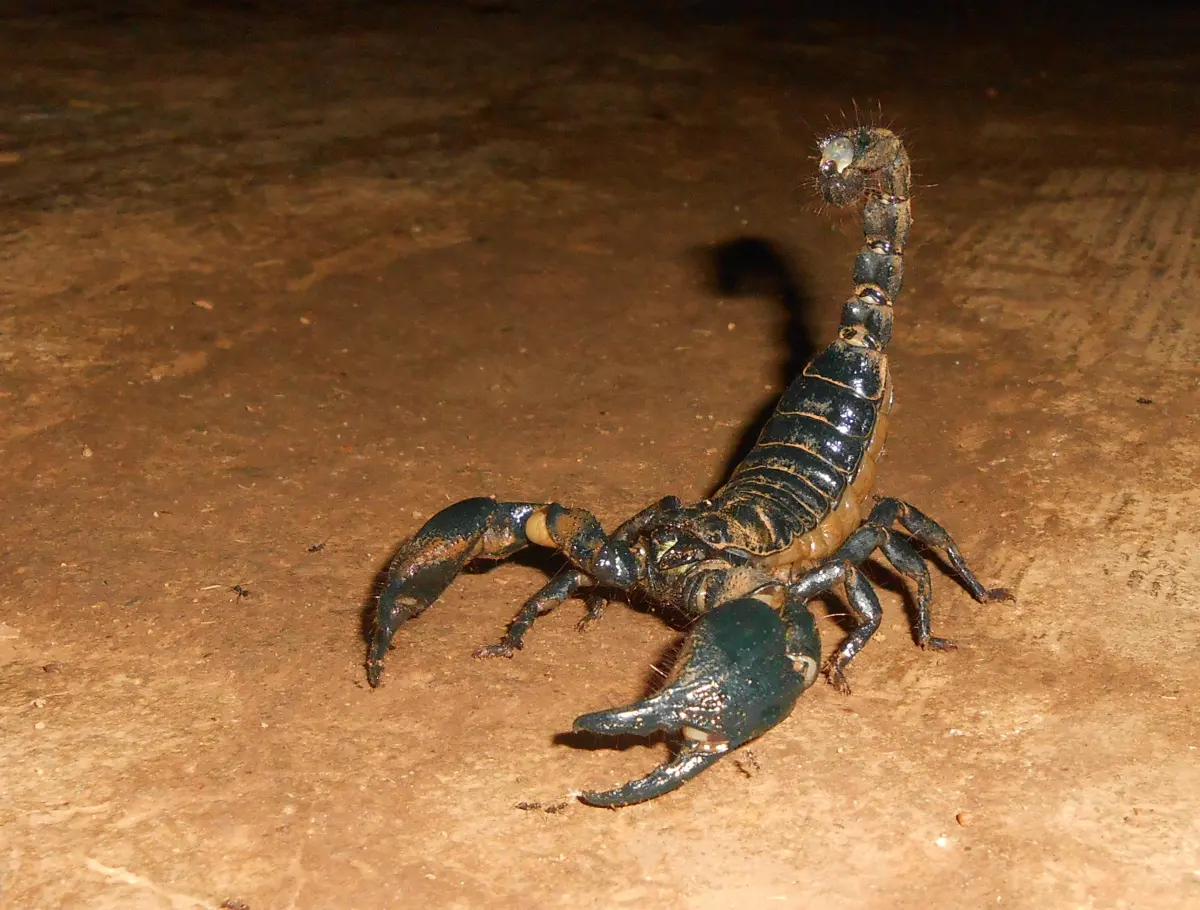
Distinguishing between a harmless scorpion and a medically significant one is difficult for the average person. However, researchers have noted certain physical characteristics that often correlate with higher toxicity. Generally, scorpions with very thin, slender pincers and thick, powerful tails are more likely to possess potent venom. This is because they rely heavily on their sting to incapacitate prey rather than their claws.
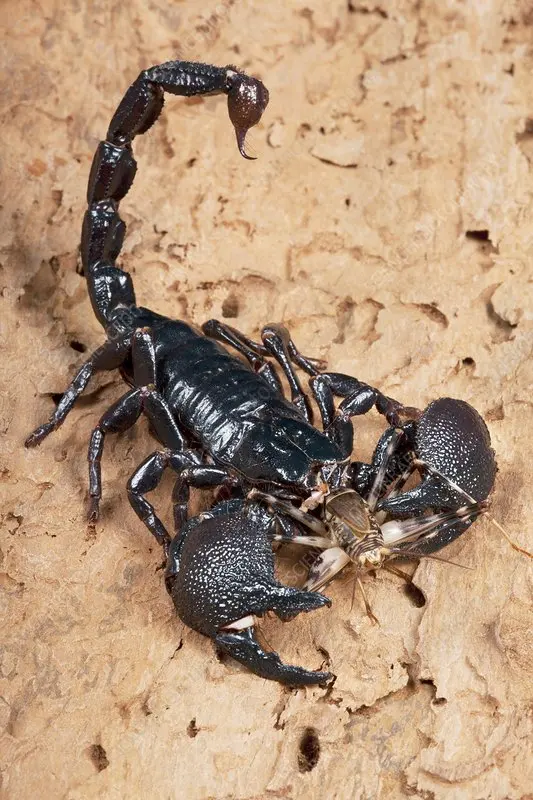
Conversely, species with large, robust pincers often use their physical strength to crush prey and tend to have milder venom. Despite these general rules, relying on physical appearance is risky and should never be used as a definitive diagnostic tool. If you live in an area known for dangerous scorpions, it is safer to treat every sting with caution.
- Slender pincers often indicate a species that relies on potent venom.
- Large, thick pincers often indicate a species that relies on physical force.
- Nocturnal behavior makes identification difficult without a UV light.
- Geographic location is the most reliable indicator of potential danger.
What to do if you get stung
If you are stung by a scorpion, the primary goal is to remain calm and monitor your symptoms closely. Panicking can increase your heart rate, which may cause the venom to spread more rapidly through your bloodstream. If the sting occurs in an area where highly venomous species are known to reside, seek medical attention immediately, even if you feel fine initially.
- Clean the affected area with mild soap and water to prevent secondary infection.
- Apply a cold compress to the site for 10 minutes at a time to reduce pain and swelling.
- Elevate the stung limb if possible to help minimize localized inflammation.
- Take over-the-counter pain relievers like acetaminophen or ibuprofen if necessary.
- Monitor for systemic symptoms such as difficulty breathing, drooling, or muscle twitching.
If you experience systemic reactions, go to the nearest emergency room. Do not wait for symptoms to worsen, as antivenom is most effective when administered early in the clinical progression.
Common mistakes when dealing with scorpions
One of the most frequent errors people make is attempting to capture or kill a scorpion with bare hands or improper tools. Scorpions are resilient, fast, and capable of striking with incredible speed when threatened. Another common mistake is the use of ineffective home remedies, such as cutting the wound or attempting to suck out the venom. These methods are medically useless and can introduce bacteria into the puncture site, leading to staph infections or other complications.
Furthermore, many people fail to realize that scorpions are nocturnal and often hide in dark, undisturbed places. A common mistake is walking barefoot at night or reaching into dark crevices without checking first. If you are cleaning out a garage, shed, or woodpile, always wear thick leather gloves and sturdy boots. Neglecting to shake out shoes or clothing that has been left on the floor is another common oversight that leads to unnecessary stings in endemic regions.
How to prevent scorpion infestations
Preventing scorpions from entering your living space is the most effective way to avoid stings. Scorpions are experts at squeezing through tiny gaps, often as narrow as a credit card. To keep them out, seal all cracks around doors, windows, and foundations using high-quality caulk or weather stripping. Ensure that window screens are in good repair and that there are no gaps where pipes or electrical lines enter the home.
Reducing the scorpion's food source is equally important for long-term control. Scorpions feed on insects like crickets, roaches, and spiders; if you have an insect problem, you will likely have scorpions. Keep your home clean, manage moisture levels, and remove debris from the exterior of your property to discourage them from nesting nearby.
- Seal gaps around doors and windows with weather stripping.
- Remove piles of wood, rocks, or debris from near the home foundation.
- Keep landscaping trimmed back to prevent "bridges" to the house.
- Use yellow or sodium vapor outdoor lighting to attract fewer insects.
- Store firewood away from the house and elevate it off the ground.
By maintaining a tidy environment and sealing potential entry points, you significantly reduce the likelihood of a dangerous encounter.
Key facts
- There are approximately 2,500 known species of scorpions, but only about 25 possess venom potent enough to be lethal to humans.
- The Arizona bark scorpion (Centruroides sculpturatus) is the most venomous species in North America, capable of causing severe pain and respiratory distress.
- Scorpions are nocturnal; they hide in dark, cool places like shoes, piles of wood, or under rocks during the day.
- Always shake out boots, shoes, and bedding before use if you live in an area known for scorpion populations.
- If stung, clean the area with soap and water, apply a cold compress to reduce swelling, and seek medical attention if symptoms worsen.
- Never attempt to capture or handle a scorpion with your bare hands, as their sting is a defensive mechanism triggered by perceived threats.
The bottom line
While scorpions are often feared, most species are not lethal to healthy adults and their stings are comparable to those of wasps or bees. The primary danger lies in specific, highly venomous species, particularly for vulnerable populations. By maintaining a clean living space, checking footwear, and exercising caution in their natural habitats, you can effectively minimize the risk of encounters and ensure your personal safety.
People also ask
How can I tell if a scorpion is dangerous?
Generally, scorpions with thin, slender pincers and thick, heavy tails are more likely to possess highly potent venom. Conversely, those with large, thick pincers and thin tails are usually less dangerous, though all stings should be treated with caution.
What should I do if I find a scorpion in my house?
Do not try to squash it with a bare foot or hand, as you may provoke a sting. Use a long-handled broom to sweep it into a container or contact a professional pest control service to identify and remove the infestation.
Are all scorpion stings fatal?
No, the vast majority of scorpion stings are not fatal and cause only localized pain, swelling, and numbness similar to a bee sting. Fatalities are extremely rare and typically occur only in children, the elderly, or individuals with severe allergic reactions.
Do scorpions glow under ultraviolet light?
Yes, all known species of scorpions contain fluorescent chemicals in their exoskeleton that glow a bright cyan-blue when exposed to blacklight. This trait is frequently used by researchers and homeowners to locate and identify scorpions at night.
How long does the pain from a scorpion sting last?
For most non-lethal stings, the intense burning sensation usually subsides within a few hours. If you experience systemic symptoms like difficulty breathing, muscle twitching, or blurred vision, seek emergency medical care immediately as these indicate a more serious reaction.
Can I prevent scorpions from entering my home?
You can reduce the risk by sealing cracks in walls, installing weather stripping under doors, and removing debris like woodpiles or leaf litter from around your foundation. Keeping your home dry and free of other insects also makes the environment less attractive to them.
This answer was created with the help of AI research tools and reference sources. Spotted an error? Let us know — we correct mistakes quickly. See our editorial policy.