What do hummingbirds eat?
Short answer
Hummingbirds primarily consume floral nectar for high-energy sugar, supplemented by small insects and spiders for essential protein. They possess a high metabolic rate, requiring them to feed every 10 to 15 minutes. To maintain their flight, they visit thousands of flowers daily, balancing carbohydrate intake with the minerals found in arthropods.
On this page
What do hummingbirds eat in nature?
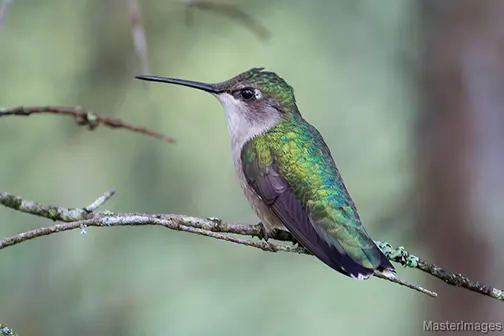
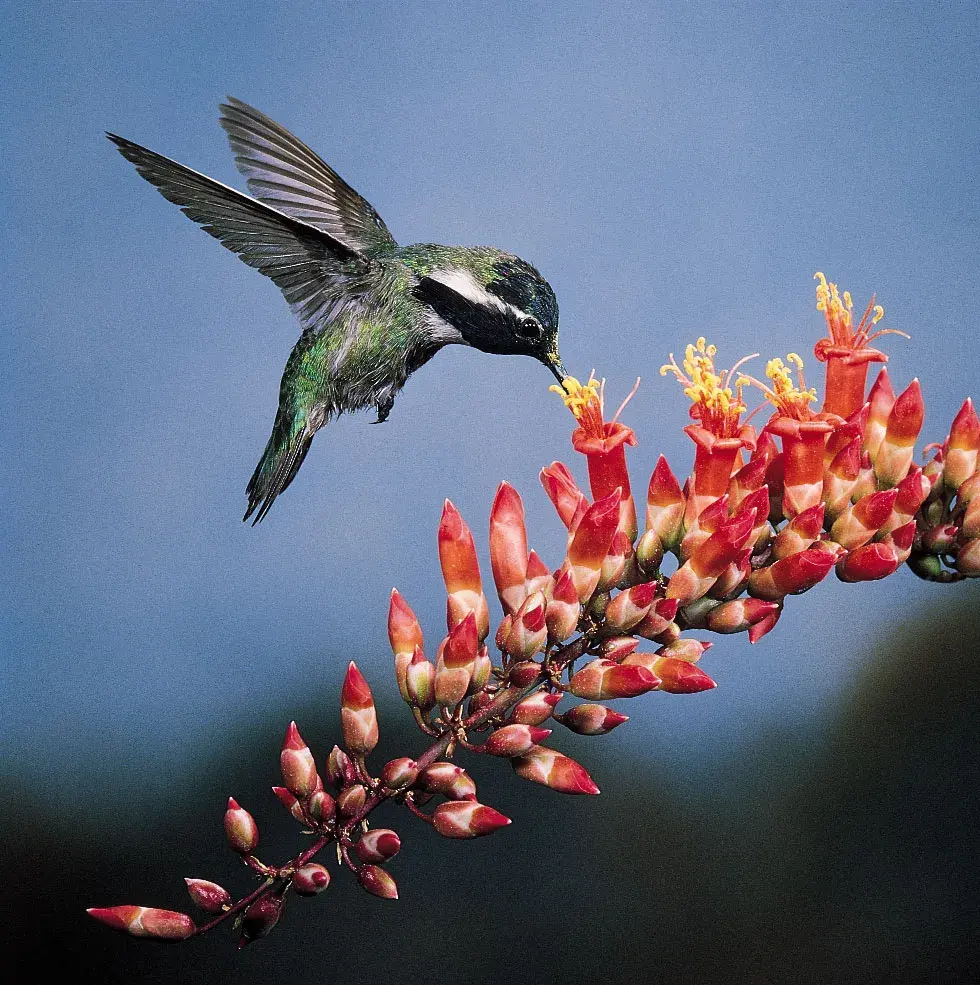
Hummingbirds are specialized nectarivores, meaning their diet is dominated by the sugary liquid found in flowers. They prefer tubular, brightly colored blossoms, particularly those in shades of red, orange, and pink. These flowers often produce high concentrations of sucrose, which provides the rapid energy necessary for the birds' incredibly fast wing beats and hovering flight.
Beyond nectar, these birds rely heavily on protein sources to support muscle growth and egg production. They actively hunt tiny insects such as gnats, fruit flies, mosquitoes, and aphids. They also frequently consume spiders, which provide a vital source of taurine and other amino acids. By gleaning these small arthropods from leaves or catching them mid-air, hummingbirds ensure they receive a balanced nutritional profile that nectar alone cannot provide.
How to make hummingbird food at home
Creating a nectar substitute is a straightforward process that mimics the natural composition of flower nectar. The standard recipe requires only two ingredients: plain white granulated sugar and water. It is crucial to avoid using honey, brown sugar, molasses, or artificial sweeteners, as these can be toxic or lead to fatal fungal infections in the birds' digestive tracts.
- Mix one part white granulated sugar with four parts water.
- Boil the mixture for two minutes to remove impurities and slow fermentation.
- Allow the solution to cool completely to room temperature.
- Fill your feeder and store any remaining liquid in the refrigerator for up to two weeks.
Consistency is key when preparing this mixture. While some enthusiasts add red food coloring to attract birds, this is unnecessary and potentially harmful. The red components of the feeder itself are sufficient to draw their attention, and the chemical dyes offer no nutritional benefit to the birds.
Best plants to attract hummingbirds
Cultivating a garden with native plants is the most effective way to provide a sustainable food source for hummingbirds. Native species have evolved alongside local bird populations, ensuring that the nectar availability aligns with the birds' migration and nesting cycles. By choosing a variety of plants that bloom at different times, you can provide a reliable food supply throughout the entire season.
- Trumpet Vine (Campsis radicans): A vigorous climber that produces abundant, nectar-rich red flowers.
- Bee Balm (Monarda): A favorite for its tubular shape and high sugar content.
- Cardinal Flower (Lobelia cardinalis): Offers a deep red color that is highly attractive to migrating hummingbirds.
- Columbine (Aquilegia): Provides early-season nectar when other food sources may be scarce.
- Salvia: Available in many varieties, these plants offer a long blooming period that sustains birds through the summer.
Common mistakes when feeding hummingbirds
The most frequent error in hummingbird care involves poor feeder hygiene. Sugar water ferments quickly in warm temperatures, leading to the growth of mold and bacteria. If a feeder is not cleaned regularly, it can transmit diseases like candidiasis, which causes the birds' tongues to swell and prevents them from feeding. Always scrub the feeder with hot water and a mild vinegar solution at least twice a week.
Another common mistake is the improper placement of feeders. Hummingbirds are territorial and may be discouraged if feeders are placed in high-traffic areas or too close to windows. To minimize collision risks, place feeders within three feet of a window or further than ten feet away. Additionally, avoid using insecticides in your garden, as these chemicals eliminate the spiders and insects that hummingbirds depend on for their essential protein intake.
Why hummingbirds need protein
While sugar provides the fuel for their high-octane lifestyle, protein is the building block for their physical health. During the breeding season, females require significant amounts of protein to produce eggs and nourish their rapidly growing chicks. Without access to insects and spiders, a hummingbird's diet would be deficient in the essential fats and minerals required for long-distance migration and feather maintenance.
Observing a hummingbird "hawking"—the behavior of darting out to catch a flying insect—is a fascinating glimpse into their complex dietary needs. This behavior confirms that they are not merely "sugar junkies" but are sophisticated foragers. By providing a habitat that supports a healthy population of small insects, you are doing more for these birds than a feeder ever could. A diverse garden environment ensures they receive the full spectrum of nutrients needed to thrive throughout their busy lives.
Key facts
- Hummingbirds require a high-calorie diet, consuming up to double their body weight in nectar daily to fuel their rapid metabolism.
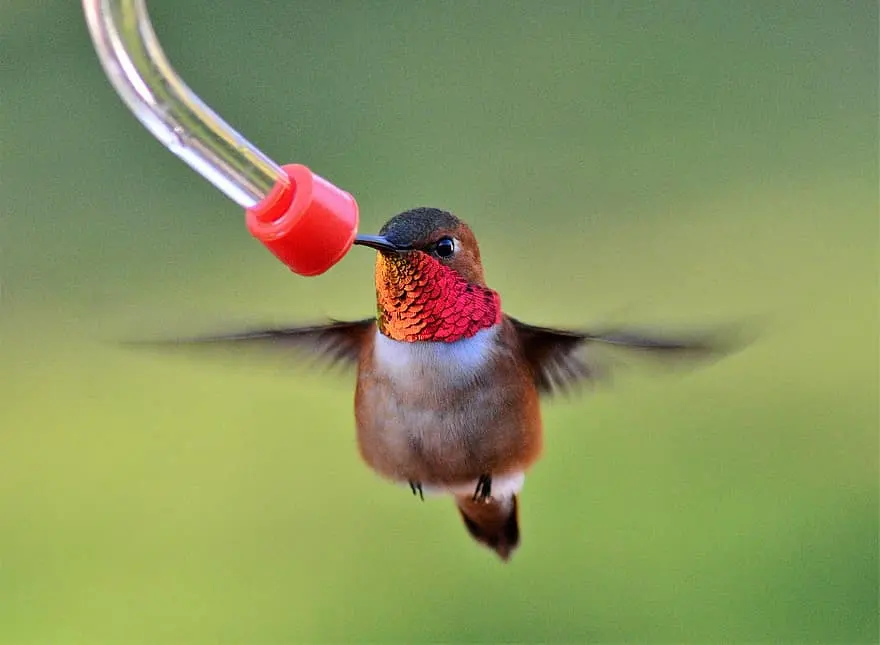
- Their primary energy source is floral nectar, which they access using their long, specialized bills and extendable, bifurcated tongues.
- Protein is essential for muscle growth and feather development, which they obtain by capturing small insects like gnats, fruit flies, and spiders.
- To make homemade nectar, mix one part white granulated sugar with four parts water; never use honey, brown sugar, or artificial sweeteners.
- Avoid using red dye in nectar, as it is unnecessary and potentially harmful to the birds' delicate digestive systems.
- Clean feeders every two to three days in warm weather to prevent the growth of dangerous mold and fermentation.
The bottom line
Hummingbirds are specialized foragers that balance a high-energy diet of floral nectar with a protein-rich intake of small insects. To support these birds, provide a clean, simple sugar-water solution and maintain a garden filled with native, nectar-producing plants. By avoiding harmful additives like honey or red dye and keeping feeders sanitary, you provide a safe, reliable food source that sustains their intense metabolic needs.
People also ask
Do hummingbirds only drink nectar?
No, while nectar provides the necessary carbohydrates for energy, hummingbirds rely on insects and spiders for essential proteins, fats, and minerals. They often catch these small invertebrates in mid-air or pluck them from spiderwebs.
How often should I change the sugar water in my feeder?
You should change the solution every two to three days, or more frequently if the weather is hot. Fermented sugar water can harbor bacteria and fungi that cause fatal infections in birds.
Can I use honey instead of white sugar for nectar?
Never use honey, as it encourages the growth of dangerous fungus when diluted with water. Honey can cause a fatal fungal infection known as candidiasis in the birds' tongues and throats.
Why do hummingbirds visit my flowers even when I have a feeder?
Hummingbirds are naturally curious and forage for a diverse diet. Flowers provide a variety of nutrients and insects that feeders cannot, making a garden with native plants a vital supplement to artificial feeding.
Do hummingbirds eat birdseed?
No, hummingbirds have specialized anatomy designed for nectar and soft-bodied insects. They cannot process seeds, and attempting to feed them anything other than nectar or insects will not provide the nutrition they require.
How do I keep ants and bees away from my feeder?
Use an ant moat filled with water to block crawling insects from reaching the feeder ports. To deter bees, choose feeders with smaller ports or those that require a longer tongue reach, which keeps bees from accessing the liquid.
This answer was created with the help of AI research tools and reference sources. Spotted an error? Let us know — we correct mistakes quickly. See our editorial policy.