Where do swans live?
Short answer
Swans live primarily in the temperate and subarctic regions of the Northern Hemisphere, though some species inhabit parts of the Southern Hemisphere. They are aquatic birds that reside in freshwater habitats such as lakes, ponds, and slow-moving rivers, often migrating to coastal estuaries or sheltered bays during the harsh winter months.

On this page
Where do swans live in the wild?
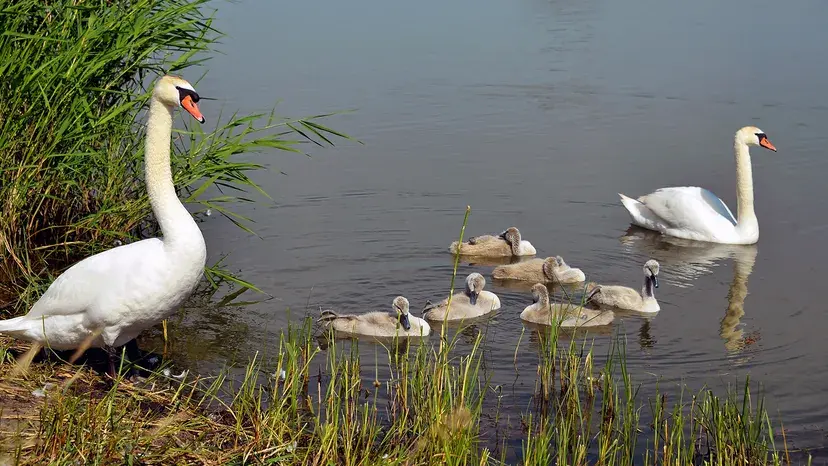
Swans are widely distributed across the globe, with the greatest diversity found in the Northern Hemisphere. The Mute Swan, the most recognizable species in Europe, is native to the British Isles and parts of Scandinavia, though it has been introduced to North America and Australia. In North America, the Trumpeter Swan and Tundra Swan are the primary native species, favoring the vast, secluded wetlands of Canada and the northern United States.
These birds are highly dependent on expansive, shallow water bodies that provide both safety and food. They are rarely found in fast-flowing mountain streams or deep, open oceans, as these environments do not support the submerged aquatic vegetation they require. Instead, they prefer:
- Large, freshwater lakes with thick vegetation.
- Slow-moving rivers or canals with calm banks.
- Protected marshes and wetlands that offer nesting sites.
- Sheltered coastal bays during migration or winter.
Where do swans nest and breed?
Swans are territorial creatures that require significant space to establish a nesting site. They typically choose locations near the water’s edge, often on small islands or amidst dense reeds, which provide a natural barrier against terrestrial predators like foxes or raccoons. The female, or pen, constructs a large mound of sticks, reeds, and grasses, which the pair will often reuse and enlarge over several consecutive breeding seasons.
When searching for a suitable nesting environment, swans look for specific conditions that ensure the safety of their cygnets. If you are observing these birds in the wild, you may notice them exhibiting the following behaviors:
- Selecting a site with a clear view of the surrounding area to spot threats.
- Building a nest on a raised platform to prevent flooding from rising water levels.
- Defending a large perimeter around the nest to discourage other swans and animals from approaching.
- Lining the nest with soft down feathers plucked from their own breasts to insulate the eggs.

Why do swans migrate to different areas?
Migration is a survival strategy driven primarily by the availability of food and the severity of the climate. While some populations in temperate regions are sedentary, meaning they stay in one place year-round, northern populations must move south to escape the freezing of their freshwater habitats. When lakes and ponds turn to ice, the aquatic plants that swans rely on become inaccessible, forcing them to seek open water in coastal estuaries or southern latitudes.
The timing of these movements is dictated by seasonal temperature drops and the shortening of daylight hours. During these journeys, swans often travel in family groups, with the parents guiding the cygnets along established flyways. They are capable of flying at high altitudes and covering hundreds of miles in a single day. Common areas for wintering include:
- The Chesapeake Bay in the United States.
- The coastal wetlands of the North Sea in Europe.
- The sheltered lagoons of East Asia.

How do swans adapt to human-altered environments?
Swans have shown a remarkable ability to adapt to human-modified landscapes, frequently appearing in public parks, ornamental ponds, and suburban waterways. While these environments provide easy access to food, they can also lead to conflicts. Swans are protective of their territory and may become aggressive toward humans or pets if they feel their nest or young are threatened. This often happens in spring when the birds are actively brooding.
To coexist safely with swans in these settings, it is important to follow basic etiquette to avoid common mistakes:
- Do not feed swans bread, as it lacks necessary nutrients and can lead to health issues like "angel wing" deformity.
- Maintain a distance of at least 15 to 20 feet, especially if the swan is hissing or spreading its wings.
- Keep dogs on a leash at all times, as even a well-behaved pet can trigger a defensive attack.
- Avoid approaching a nest, as this causes the birds significant stress and may lead them to abandon their eggs.
Where can you see swans in the Southern Hemisphere?
While the majority of swan species are found in the north, the Southern Hemisphere is home to the unique Black Swan. Native to Australia and New Zealand, these birds thrive in a variety of environments, ranging from large, permanent lakes and rivers to temporary wetlands that appear after heavy rains. Unlike their northern counterparts, Black Swans are not strictly migratory but are nomadic, moving across the continent in response to changing rainfall patterns and water availability.
The Black Swan has successfully colonized diverse habitats across its range, displaying a high level of environmental flexibility. Their presence in urban areas like Perth or Sydney is common, where they inhabit city lakes and parklands. Their ability to survive in both arid inland regions and coastal saltwater marshes highlights the evolutionary success of the species. Whether in the frozen north or the sun-drenched wetlands of the south, swans remain masters of their aquatic domains, provided they have access to clean, shallow water and undisturbed nesting grounds.
Key facts
- Swans are primarily found in the temperate and subarctic regions of the Northern Hemisphere, with a few species inhabiting the Southern Hemisphere.
- These birds are semi-aquatic and require large, open bodies of water like lakes, ponds, and slow-moving rivers to thrive.
- They are highly territorial during the breeding season and will aggressively defend their nesting sites from other swans and predators.
- Most swan species are migratory, traveling thousands of miles between their summer breeding grounds and warmer wintering areas.
- To provide a suitable habitat, ensure the water body has abundant submerged aquatic vegetation, which serves as their primary food source.
- Avoid feeding swans bread, as it lacks nutritional value and can cause serious health issues like "angel wing" deformity in young birds.
The bottom line
Swans are resilient, semi-aquatic birds that thrive in diverse environments ranging from secluded northern lakes to urban park ponds. Their survival depends on access to clean, shallow water and a steady supply of aquatic vegetation. By respecting their territorial nature and avoiding harmful feeding practices, humans can help ensure these majestic birds continue to flourish in their natural habitats across the globe.
People also ask
Do swans live in saltwater environments?
While most swans prefer freshwater habitats, some species, such as the mute swan and the black swan, are occasionally found in brackish estuaries or coastal lagoons. They generally avoid open ocean environments due to the lack of necessary aquatic vegetation.
How do swans choose their nesting sites?
Swans typically select secluded areas near the water's edge, often using islands or dense reed beds to protect their nests from land-based predators. They prefer locations with easy access to shallow water where they can forage for food while keeping an eye on their surroundings.
Are swans capable of living in urban parks?
Yes, swans often adapt to human-made ponds in parks if the water quality is maintained and there is sufficient vegetation. However, these environments can become problematic if the water becomes polluted or if the birds become overly dependent on human-provided food.
Do swans stay in the same place all year?
Many swan populations are migratory, moving to northern latitudes to breed in the summer and returning to milder climates for the winter. Some populations, particularly those in temperate regions, may remain in the same area throughout the year if the water does not freeze.
What should I do if I find an injured swan?
Do not attempt to handle the bird yourself, as swans can be aggressive and cause injury with their wings. Contact a local wildlife rehabilitation center or animal control agency that has the proper equipment to safely capture and transport the bird.
Why do swans always seem to be near water?
Swans are anatomically adapted for an aquatic lifestyle, using their long necks to reach underwater plants that other birds cannot access. Their webbed feet are designed for efficient swimming, and they rely on water as a primary defense mechanism against predators.
This answer was created with the help of AI research tools and reference sources. Spotted an error? Let us know — we correct mistakes quickly. See our editorial policy.