Whose traditional territory is Vancouver on?
Short answer
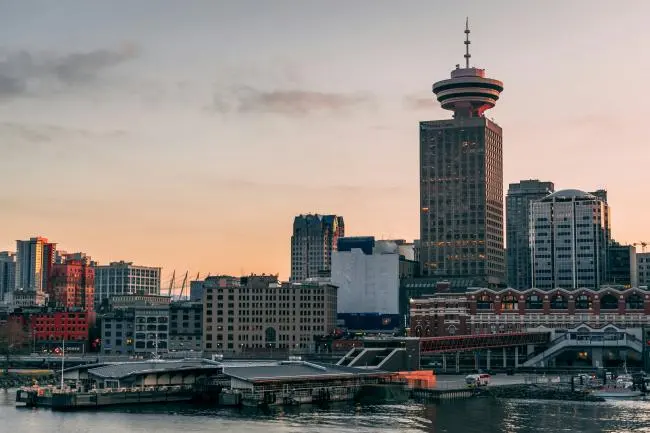
Vancouver is located on the unceded traditional territories of the xʷməθkʷəy̓əm (Musqueam), Sḵwx̱wú7mesh (Squamish), and səlilwətaɬ (Tsleil-Waututh) Nations. These Coast Salish peoples have stewarded these lands since time immemorial. The term "unceded" signifies that these nations never surrendered, signed away, or lost their land through treaty or war with the British Crown.
On this page
Whose traditional territory is Vancouver on?
The city of Vancouver sits entirely on the ancestral, traditional, and unceded lands of three specific Coast Salish Nations. The Musqueam people have historically occupied a vast area spanning from the Fraser River delta to the downtown peninsula. The Squamish people maintain deep connections to the Burrard Inlet, False Creek, and the Howe Sound region. The Tsleil-Waututh, known as the "People of the Inlet," have long stewarded the waters and shores of the Burrard Inlet.
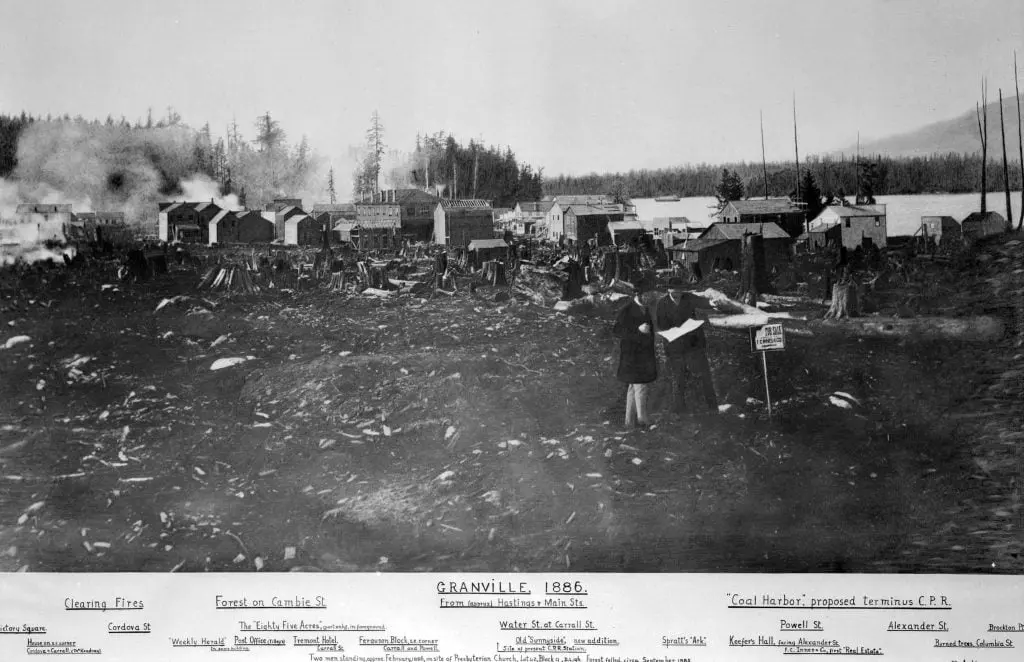
These nations have maintained continuous cultural, spiritual, and economic relationships with this territory for thousands of years. Before European contact, the region supported complex societies with sophisticated governance, trade networks, and resource management systems. Recognizing these territories is not merely a historical acknowledgement but a recognition of ongoing Indigenous presence and rights. Today, these nations continue to exercise their sovereignty and advocate for the protection of their ancestral lands and waters.
How to perform a land acknowledgement correctly
A land acknowledgement is a formal statement that recognizes the Indigenous peoples who have stewarded a specific region. When visiting or living in Vancouver, it is standard practice to acknowledge the Musqueam, Squamish, and Tsleil-Waututh Nations. This practice serves as a reminder of the colonial history of Canada and the ongoing process of reconciliation.
To perform a respectful acknowledgement, follow these steps:
- Research the specific location, as territories can overlap or change depending on the precise neighborhood.
- Use the correct Indigenous names for the nations, such as xʷməθkʷəy̓əm for Musqueam.
- Speak from a place of sincerity rather than reading a generic script.
- Acknowledge that the land is unceded, meaning it was never legally transferred to the Crown.
- Focus on the relationship between the people and the land rather than just the geographic location.
Why is the term "unceded" important?
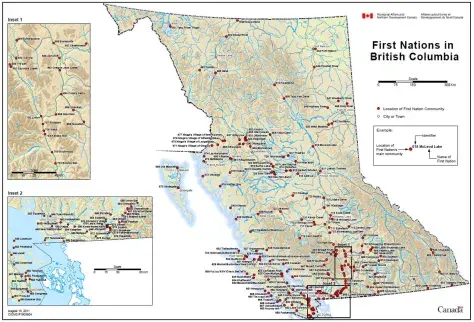
The term "unceded" is central to understanding the legal and political landscape of British Columbia. Unlike much of Canada, where the government signed historic treaties to acquire land, the vast majority of British Columbia remains under unceded territory. This means the British Crown never obtained legal title to the land through formal agreements with the Indigenous inhabitants.
Because these lands were never surrendered, the legal status of the territory remains a subject of ongoing negotiation and court cases. Indigenous nations argue that their inherent title to the land was never extinguished by colonial authorities. This reality influences modern land-use planning, resource extraction projects, and municipal governance. By using the term unceded, individuals and organizations acknowledge the unresolved legal status of the land and the persistence of Indigenous sovereignty.
Common mistakes when acknowledging Indigenous land
Many people make errors when attempting to be respectful, often due to a lack of deep understanding. One common mistake is treating the acknowledgement as a "check-box" exercise to be completed quickly without genuine reflection. Another frequent error is mispronouncing the names of the nations or using outdated colonial terminology that does not reflect the preferences of the communities themselves.
Avoid these common pitfalls to ensure your acknowledgement remains respectful:
- Do not use past tense when referring to Indigenous peoples, as they are contemporary, living cultures.
- Avoid generic phrases like "all Indigenous people" and instead name the specific nations of the area.
- Do not ask Indigenous individuals to provide an acknowledgement for you, as this places an emotional burden on them.
- Avoid performative gestures that are not backed by meaningful action or learning.
- Do not assume that an acknowledgement is a substitute for building a real relationship with local communities.
How to learn more about local Indigenous history
Engaging with the history of the Musqueam, Squamish, and Tsleil-Waututh Nations is a rewarding process that deepens one's connection to Vancouver. There are numerous ways to educate yourself beyond simple statements. Many local cultural centers, museums, and public archives provide extensive resources on the history of the Coast Salish peoples.
You can start your learning journey by visiting the following resources:
- The Musqueam Cultural Centre, which offers exhibitions and educational programming about their history and language.
- The Squamish Lil’wat Cultural Centre in Whistler, which provides deep insights into the traditions of the Squamish and Lil’wat Nations.
- Official websites of the three nations, which often contain historical timelines and current policy information.
- Public library collections that feature works by Indigenous authors and historians from the region.
- Community events that are open to the public, such as cultural festivals or lecture series hosted by local Indigenous organizations.
Key facts
- Vancouver is situated on the unceded traditional territories of the xʷməθkʷəy̓əm (Musqueam), Sḵwx̱wú7mesh (Squamish), and səlilwətaɬ (Tsleil-Waututh) Nations.
- The term "unceded" signifies that these lands were never surrendered, signed away, or given up through treaties with the British Crown.
- A land acknowledgement is a formal statement recognizing the Indigenous peoples who have lived on and cared for the land since time immemorial.
- When delivering an acknowledgement, prioritize the correct pronunciation of the Nations' names and their specific cultural connections to the region.
- Avoid using the term "traditional territory" as a past-tense concept; these Nations maintain ongoing, active relationships with their ancestral lands today.
- Research the specific protocol for land acknowledgements if you are speaking at a formal event, as some organizations have established guidelines.
The bottom line
Vancouver occupies the unceded ancestral lands of the Musqueam, Squamish, and Tsleil-Waututh Nations. Recognizing this territory is a vital step toward reconciliation, acknowledging that these Nations never surrendered their sovereignty. When engaging with this history, prioritize accuracy, respect, and ongoing education. By understanding the deep, enduring connection these peoples have to the region, residents and visitors alike contribute to a more informed and inclusive society.
People also ask
What does "unceded" mean in the context of land rights?
Unceded means that the land was never legally signed over to the Crown through a treaty or other formal agreement. It remains the ancestral territory of the Indigenous Nations who have occupied it for thousands of years.
How do I pronounce the names of the three local Nations?
Many local resources, including the websites of the Musqueam, Squamish, and Tsleil-Waututh Nations, provide audio guides for correct pronunciation. Practicing these names shows respect and demonstrates a commitment to recognizing their linguistic heritage.
Is a land acknowledgement mandatory for every social gathering?
While not legally required, it is standard practice at public events, government meetings, and academic gatherings in Vancouver. It serves as a meaningful gesture of reconciliation and awareness rather than a rigid legal obligation.
Can I use a generic land acknowledgement script?
While templates exist, it is better to personalize your statement to reflect your specific location and intent. A generic script can sometimes feel performative if it lacks genuine connection to the local history.
Are there other Indigenous groups with ties to the Vancouver area?
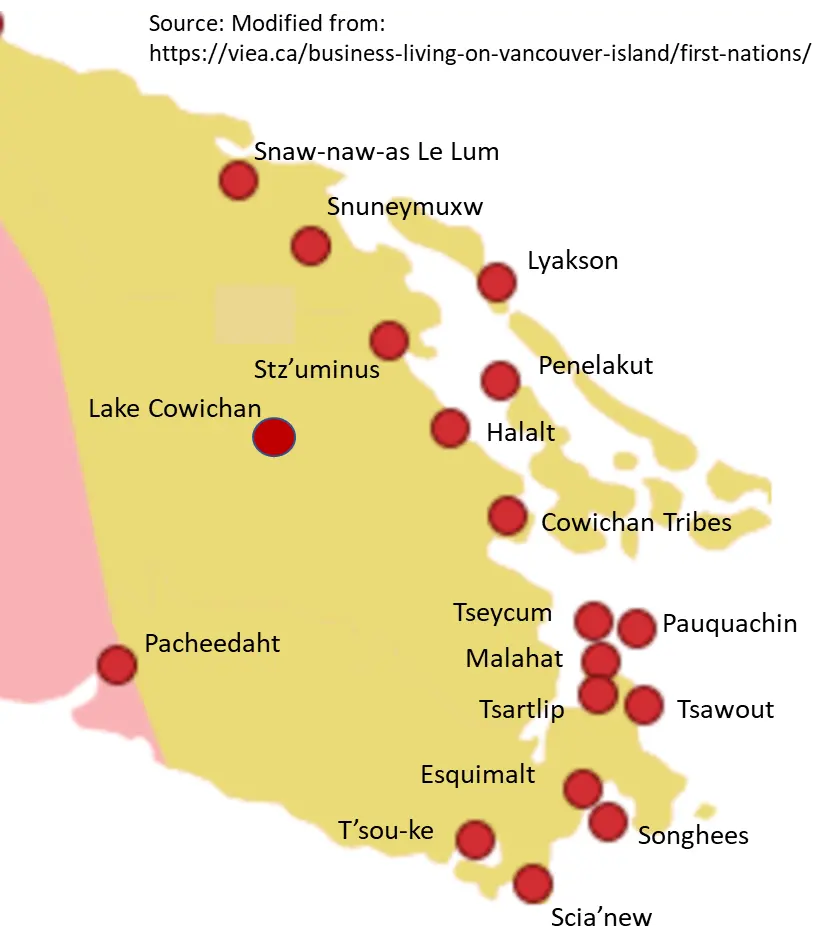
Yes, while the Musqueam, Squamish, and Tsleil-Waututh are the primary Nations in the immediate city, other Coast Salish peoples have overlapping historical and cultural interests in the broader Lower Mainland.
What is the purpose of acknowledging the land?
The purpose is to foster awareness of Indigenous presence and ongoing rights. It encourages settlers and visitors to reflect on the history of colonization and the responsibility to build respectful, equitable relationships with Indigenous communities.
This answer was created with the help of AI research tools and reference sources. Spotted an error? Let us know — we correct mistakes quickly. See our editorial policy.