What is the capital of Canada?
Short answer
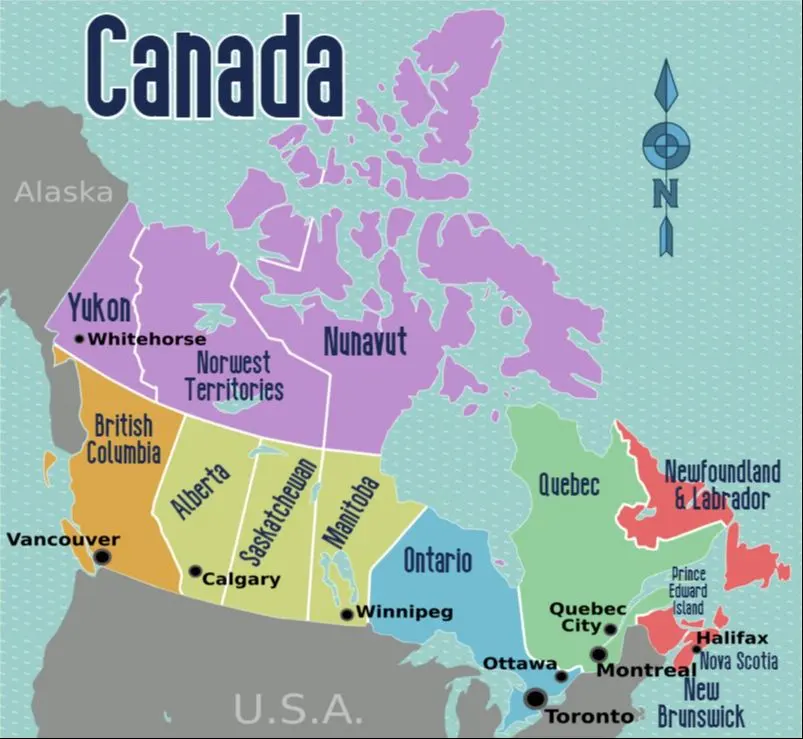
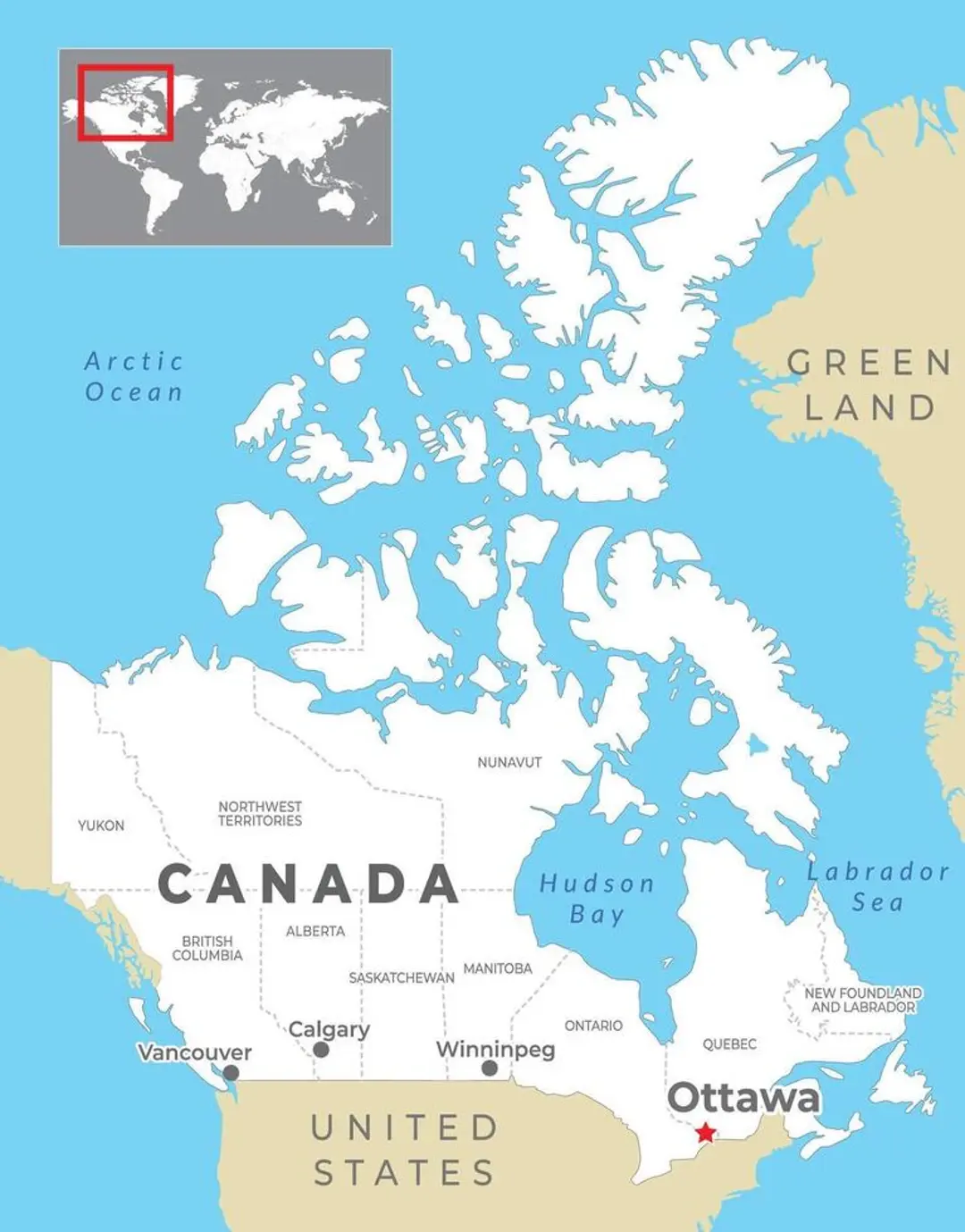
Ottawa is the capital city of Canada. Located in the province of Ontario, it serves as the nation’s political and administrative center. It was officially selected by Queen Victoria in 1857 to serve as the permanent seat of government, chosen for its strategic location between the English-speaking and French-speaking regions of the country.
On this page
Why is Ottawa the capital of Canada?
The selection of Ottawa as the capital was a deliberate political compromise. Before 1857, the seat of government rotated between cities like Quebec City, Toronto, Kingston, and Montreal. This instability caused significant friction between the Province of Canada’s English and French populations. Queen Victoria chose Ottawa because it was situated on the border of Ontario and Quebec, effectively bridging the two cultural divides.
Beyond its central location, Ottawa offered a significant defensive advantage. Its inland position along the Ottawa River made it less vulnerable to potential military attacks from the United States compared to cities located directly on the St. Lawrence River. The construction of the Rideau Canal had already established the city as a vital logistics hub, ensuring it could support the infrastructure required for a growing national government.
How to visit the Parliament Buildings
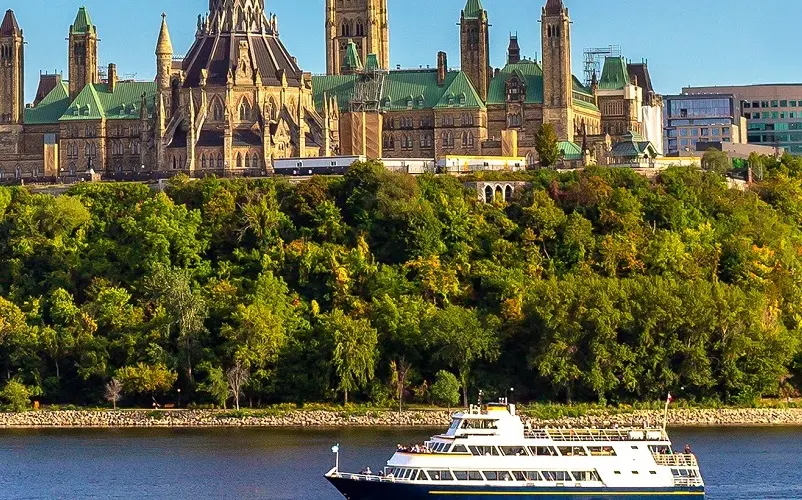
The Parliament Buildings, known as Parliament Hill, are the most iconic landmarks in the capital. Visitors can explore the Centre, East, and West Blocks, which house the Senate and the House of Commons. The Peace Tower, featuring a prominent clock and observation deck, serves as the central focal point of the Gothic Revival architecture that defines the site.
To make the most of your visit, follow these essential steps:
- Book guided tours online in advance, as tickets for the interior of the buildings are limited and often sell out during peak summer months.
- Check the official Parliament of Canada website for current accessibility information, as ongoing renovations may restrict access to certain wings.
- Arrive at least 30 minutes before your scheduled tour time to clear security screenings.
- Visit the grounds during the summer months to witness the daily Changing of the Guard ceremony, a tradition modeled after the British military.
What are the common mistakes when visiting Ottawa?
Many travelers underestimate the impact of the local climate on their itinerary. Ottawa experiences extreme seasonal variations, with humid summers and very cold, snowy winters. A common mistake is failing to pack appropriate footwear for walking, especially if you plan to visit the ByWard Market or explore the historic canal pathways. Always check the weather forecast before finalizing your outdoor plans.
Another frequent error is assuming that all major attractions are within walking distance of each other. While the downtown core is compact, many museums, such as the Canadian Museum of History, are located across the river in Gatineau. Visitors often forget to account for transit time between these two cities. Relying solely on walking can lead to exhaustion, so consider using the local light rail transit system or rideshare services to navigate between the city’s various cultural districts efficiently.
How to get around the capital city
Ottawa features a modern public transportation network that makes navigating the city straightforward for both residents and tourists. The O-Train, a light rail transit system, connects the major downtown hubs and provides quick access to the University of Ottawa and various government offices. Buses complement the rail system, reaching suburban areas and key tourist destinations that are not directly served by the train.
When using public transit, keep these tips in mind:
- Purchase a Presto card if you plan on using transit multiple times, as it offers a more convenient payment method than cash fares.
- Download a transit app to receive real-time updates on bus arrivals and rail delays, which can be particularly useful during the winter months.
- Take advantage of the city’s extensive network of multi-use pathways if you are visiting during the warmer months, as Ottawa is highly bike-friendly.
- Be aware that parking in the downtown core is expensive and often limited, making public transit the preferred option for most visitors.
What is the best time of year to visit?
The ideal time to visit Ottawa depends on your preference for seasonal activities and events. July is arguably the most popular month, as the city hosts massive Canada Day celebrations on July 1st. These festivities feature live music, fireworks, and a vibrant atmosphere that draws thousands of people to the downtown core. However, this period is also the busiest, so expect higher hotel prices and larger crowds at major attractions.
If you prefer a quieter experience, consider visiting during the shoulder seasons of late spring or early autumn. During May, the Canadian Tulip Festival showcases millions of blooms across the city, commemorating the historical gift of tulips from the Dutch royal family. Alternatively, visiting in winter allows you to experience the Rideau Canal Skateway. As the world’s largest skating rink, it transforms the historic waterway into a unique outdoor experience that is synonymous with the Canadian capital’s identity.
Key facts
- The capital city of Canada is Ottawa, located in the province of Ontario.
- Queen Victoria officially selected Ottawa as the capital in 1857 due to its strategic location between Montreal and Toronto.
- Ottawa is home to Parliament Hill, the political heart of the country where the federal government meets.
- The city sits on the south bank of the Ottawa River, which serves as the border between Ontario and Quebec.
- Visitors often mistake Toronto or Montreal for the capital because they are larger, but Ottawa remains the administrative center.
- You can tour the Parliament buildings for free, but it is best to book tickets online in advance during peak summer months.
The bottom line
Ottawa serves as the official capital of Canada, functioning as the nation’s political and administrative hub. While it is not the largest city in the country, its central location and historical significance make it a vital destination for understanding Canadian governance. Whether visiting the iconic Parliament Hill or exploring the historic Rideau Canal, travelers will find a bilingual city that reflects the diverse heritage of Canada.
People also ask
Why was Ottawa chosen as the capital instead of a larger city?
Ottawa was selected because it was relatively isolated from the American border, making it easier to defend during potential conflicts. Its location also helped settle a rivalry between the English-speaking and French-speaking regions of the country.
Is Ottawa the largest city in Canada?
No, Ottawa is the fourth-largest city in Canada by population. Toronto, Montreal, and Calgary all have significantly higher populations than the capital.
Can tourists visit the Canadian Parliament?
Yes, the public can visit the Parliament buildings to observe debates or take guided tours. It is recommended to check the official government website for current construction updates and tour availability.
What is the primary language spoken in Ottawa?
Ottawa is officially bilingual, with a large portion of the population speaking both English and French. Most government services and public signage are provided in both languages.
What is the best time of year to visit Ottawa?
Spring and summer are popular due to the Canadian Tulip Festival and warm weather, while winter offers unique activities like skating on the Rideau Canal. The canal is the world's largest skating rink when weather conditions permit.
How do I get to Ottawa from other major cities?
You can reach Ottawa via the Macdonald-Cartier International Airport or by taking the VIA Rail train service. Driving from Toronto or Montreal is also a common and straightforward option via major highways.
This answer was created with the help of AI research tools and reference sources. Spotted an error? Let us know — we correct mistakes quickly. See our editorial policy.