Where do bison live?
Short answer
Bison primarily inhabit protected areas, national parks, and private ranches across North America. While they once roamed the entire Great Plains, wild populations are now largely restricted to regions like Yellowstone National Park, Elk Island National Park, and various conservation herds managed for ecological restoration in the United States and Canada.
On this page
Where can you see wild bison today?
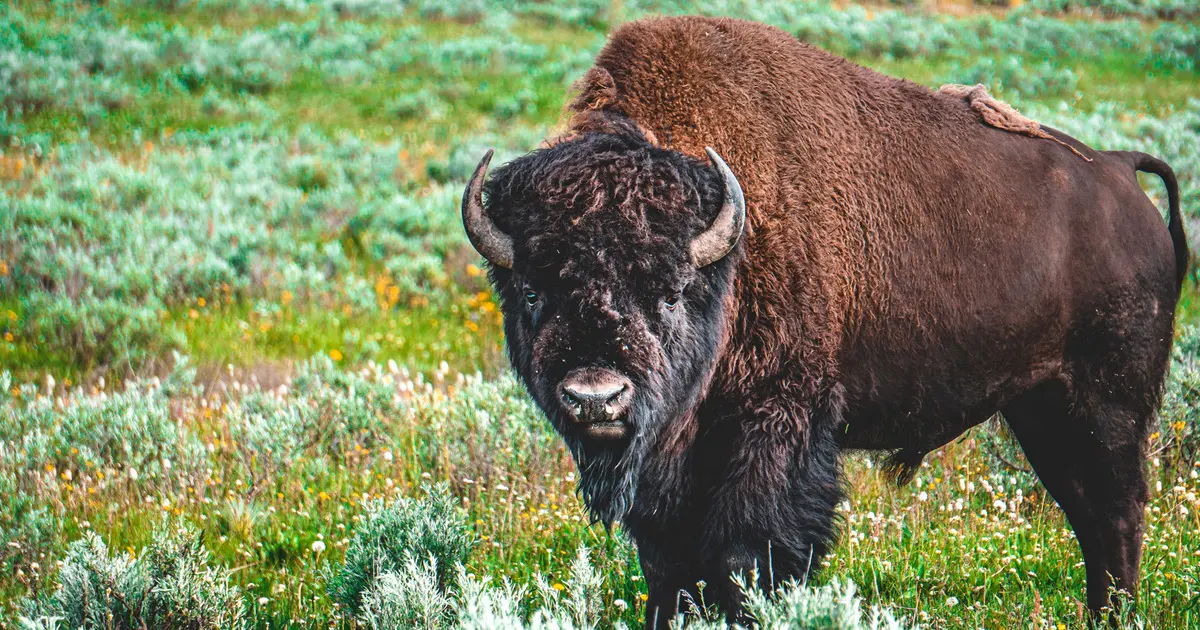
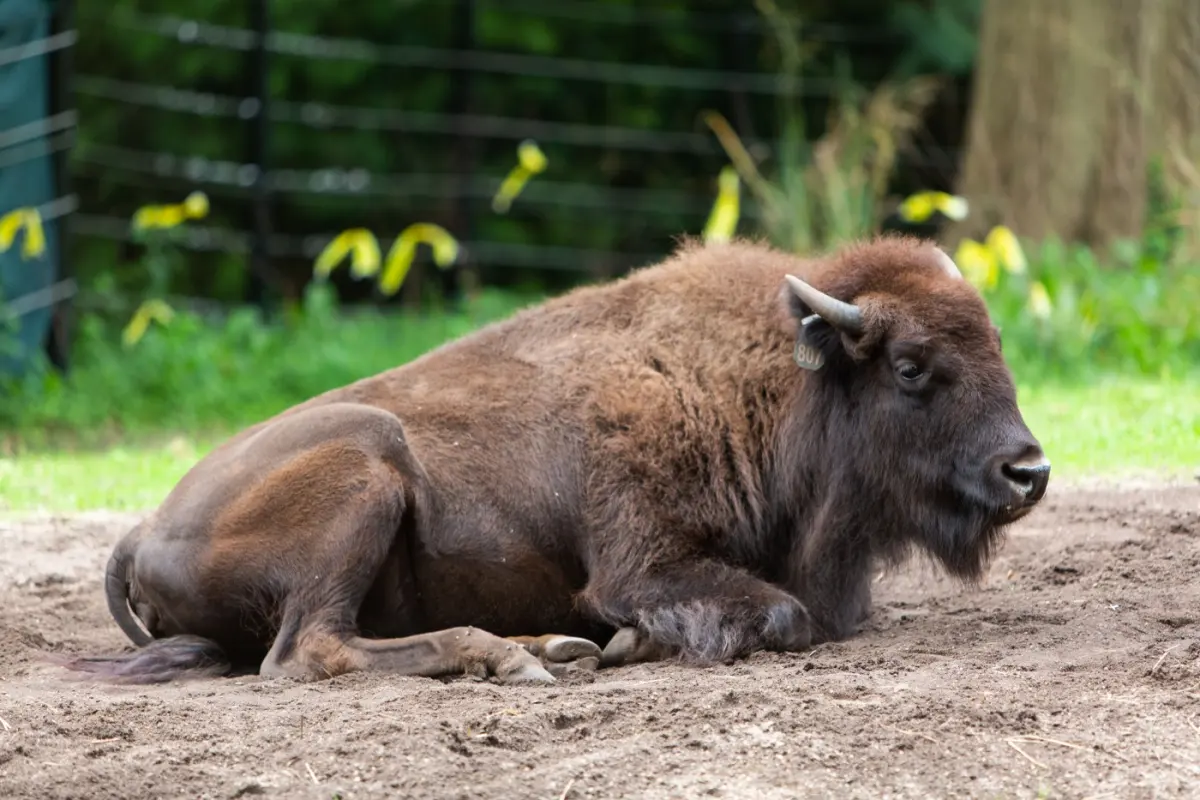
Wild American bison are found in fragmented pockets across their historic range, primarily within federally protected lands. The most famous population resides in Yellowstone National Park, which hosts one of the largest free-roaming herds in the world. Other significant public populations exist in Wind Cave National Park in South Dakota, Badlands National Park, and Theodore Roosevelt National Park in North Dakota. In Canada, Elk Island National Park and Wood Buffalo National Park serve as critical sanctuaries for the species.
Beyond these iconic parks, many bison live on private ranches or tribal lands where conservation efforts are prioritized. These animals are often managed as "conservation herds" rather than livestock, meaning they are allowed to roam large fenced areas with minimal human interference. If you are planning a trip to view them, focus on these specific locations:
- Yellowstone National Park (Wyoming/Montana)
- Wind Cave National Park (South Dakota)
- Elk Island National Park (Alberta, Canada)
- Antelope Island State Park (Utah)
- Henry Mountains (Utah)
How to safely view bison in the wild
Viewing bison requires strict adherence to safety protocols, as these animals are unpredictable and physically imposing. A mature bull can weigh up to 2,000 pounds and reach speeds of 35 miles per hour, making them significantly faster than humans. Always remain inside your vehicle when bison are near the road, as cars provide a necessary physical barrier. If you are hiking, you must maintain a distance of at least 25 yards at all times.
If you encounter a bison on a trail, do not attempt to walk past it or get a closer photograph. If the animal begins to paw the ground, snort, or raise its tail, it is exhibiting signs of aggression and is preparing to charge. Follow these steps to ensure a safe encounter:
- Stop moving immediately and assess the distance between you and the animal.
- Back away slowly and quietly without turning your back on the bison.
- If the bison charges, retreat to the nearest large tree or rock formation for cover.
- Never try to outrun the animal in an open field, as you will not succeed.
Why bison populations are restricted to specific areas
The current distribution of bison is a direct result of the near-extinction event that occurred in the late 19th century. By the 1880s, overhunting and habitat loss had reduced the population from tens of millions to fewer than 1,000 individuals. Consequently, the bison that exist today are largely confined to areas where they do not conflict with modern agricultural practices or urban development. Because bison require vast amounts of forage and space to maintain natural migration patterns, they cannot easily coexist with traditional cattle ranching or high-density human settlements.
Efforts to expand their range often face significant political and social hurdles. Many landowners fear that bison will compete with cattle for grazing rights or transmit diseases like brucellosis, which can affect domestic livestock. As a result, the "wild" status of many herds is strictly managed through fencing and population culling. While conservationists advocate for "wilder" landscapes, the reality remains that most bison live on managed islands of habitat surrounded by private land where their movement is heavily restricted.
Common mistakes when tracking bison
One of the most frequent errors visitors make is assuming that bison are docile because of their size and slow movement. People often mistake a grazing bison for a harmless farm animal, leading them to approach far too closely for "selfies" or better camera angles. This behavior is dangerous and has led to numerous injuries in national parks every year. Another common mistake is failing to check park alerts before arrival; bison herds move frequently, and road closures or seasonal migration patterns can make them difficult to locate on any given day.
Additionally, visitors often overlook the importance of binoculars or telephoto lenses. Trying to get close enough for a smartphone photo is unnecessary if you have the right equipment. To avoid these common pitfalls, keep the following in mind:
- Never feed or attempt to attract bison with food.
- Do not assume that because other people are close to the animals, it is safe for you to do so.
- Check official park websites for real-time herd locations and safety advisories.
- Respect "closed" signs on trails, which are often placed to protect both the public and the calving herds during spring.
Best times of year to find bison
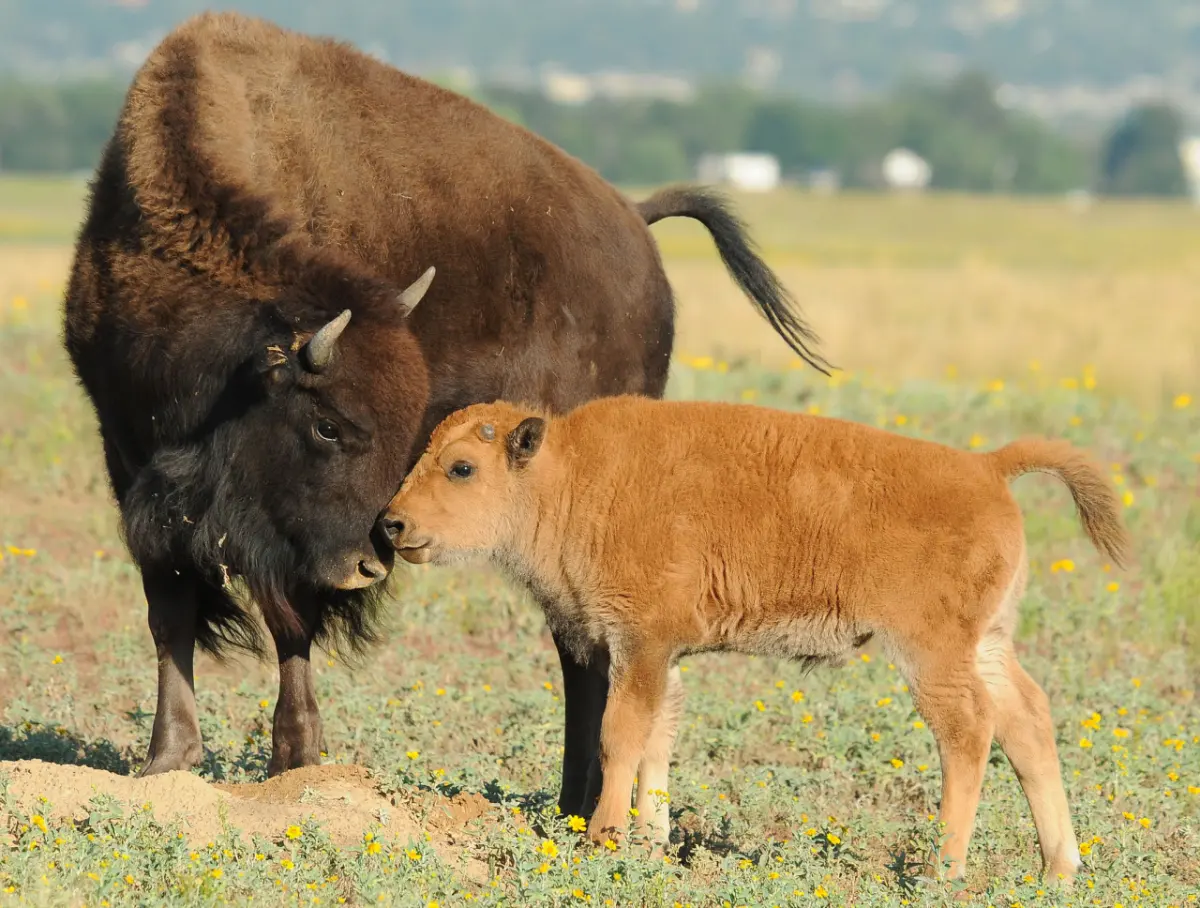
The best time to observe bison is during the late summer, specifically July and August, which coincides with the rut, or mating season. During this time, bulls become highly active, engaging in loud bellows and dramatic sparring matches to establish dominance. This is the most exciting time to witness natural bison behavior, though it also requires the highest level of caution due to the increased agitation of the males. Spring is another excellent time to visit, as you can see newborn calves, which are often referred to as "red dogs" due to their reddish-orange coats.
Winter offers a unique, albeit challenging, opportunity to see bison in a stark, beautiful environment. In places like Yellowstone, bison congregate near geothermal features where the snow is thinner and easier to forage. While the cold is intense, the contrast of the dark animals against the white snow provides spectacular photographic opportunities. Regardless of when you choose to visit, always prioritize the welfare of the animals by keeping your distance and remaining on designated paths. By following these guidelines, you can enjoy the majesty of the American bison while ensuring their continued protection in the wild.
Key facts
- American bison primarily inhabit protected areas like Yellowstone National Park, which hosts the largest free-roaming herd in the United States.
- Plains bison historically roamed the grasslands of North America, while wood bison are adapted to the boreal forests of Canada and Alaska.
- Bison are currently found in all 50 U.S. states, though most are kept in private herds for commercial ranching rather than wild conservation.
- When visiting bison habitats, always maintain a distance of at least 25 yards, as these animals can charge unpredictably and reach speeds of 35 mph.
- Avoid approaching bison during the rutting season from July to August, as males become highly aggressive and territorial.
- Never feed bison or attempt to pet them, as they are wild animals that can cause serious injury or death to humans.
The bottom line
Bison are iconic North American mammals that currently reside in a mix of protected national parks, wildlife refuges, and private commercial ranches. While their historic range once spanned the entire continent, today's populations are fragmented and managed. Whether you are observing them in the wild or on a ranch, prioritizing safety and maintaining significant distance is essential for both your well-being and the animal's preservation.
People also ask
Are bison and buffalo the same animal?
While often used interchangeably, they are different. True buffalo are native to Africa and Asia, whereas the animals in North America are scientifically classified as bison.
Can I see bison in the wild outside of national parks?
Yes, you can find wild herds on state-managed lands, tribal lands, and wildlife refuges like the National Bison Range in Montana. Many of these locations offer safe viewing platforms for the public.
Do bison migrate throughout the year?
Historically, bison migrated long distances across the Great Plains to find grazing land. Today, their movement is largely restricted by fences and human development, though they still move between high and low elevations in parks like Yellowstone.
How many bison are left in the wild?
There are approximately 30,000 to 40,000 conservation-herd bison living in wild or semi-wild conditions. Millions more exist in private herds raised for meat production.
What do bison eat in their natural habitat?
Bison are grazers that primarily consume grasses, sedges, and flowering plants. In winter, they use their massive heads like snowplows to push aside deep snow and reach the forage buried underneath.
Is it safe to drive through a herd of bison?
It is common for bison to block roads in parks, but you should never attempt to drive through them. Wait patiently for the herd to clear the path, as forcing them to move can trigger an aggressive response.
This answer was created with the help of AI research tools and reference sources. Spotted an error? Let us know — we correct mistakes quickly. See our editorial policy.