How big do bison get?
Short answer
American bison are the largest land mammals in North America. Adult bulls typically weigh between 1,500 and 2,000 pounds and stand about 6 feet tall at the shoulder. Cows are smaller, generally weighing 900 to 1,300 pounds. These massive animals possess powerful, muscular frames designed for survival in harsh plains environments.
On this page
How big do American bison grow?
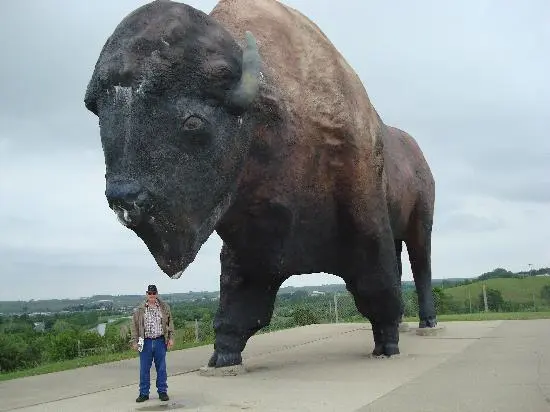
American bison, often called buffalo, exhibit significant sexual dimorphism, meaning males and females differ greatly in size. A mature bull can reach a length of up to 11 feet from head to rump and stand nearly 6 feet tall at the hump. Their massive front quarters are supported by thick, sturdy legs, allowing them to carry their immense weight across rugged terrain. Despite their bulk, they are surprisingly agile and can reach speeds of up to 35 miles per hour.
Females are noticeably smaller and more compact than their male counterparts. While a large bull might tip the scales at over 2,000 pounds, a mature cow rarely exceeds 1,300 pounds. Regardless of sex, both genders feature a thick coat of dark brown fur that sheds during the spring and summer months. This size difference is an evolutionary adaptation that helps the species manage energy requirements during the lean winter months when food resources are scarce.
What are the physical characteristics of bison?
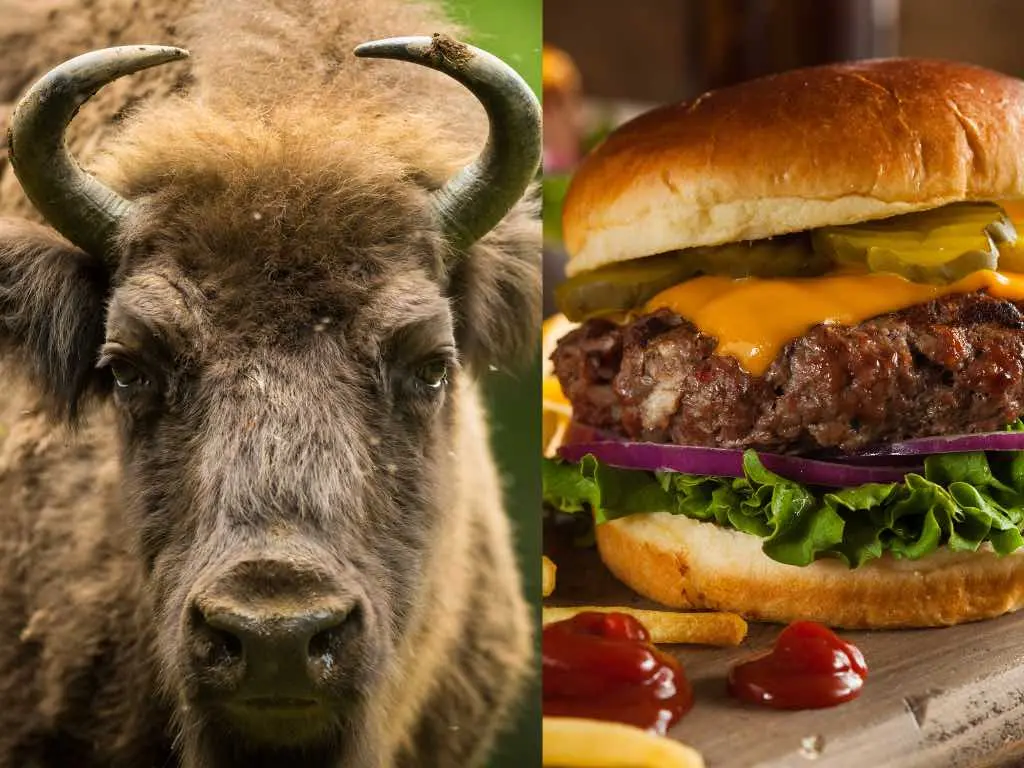
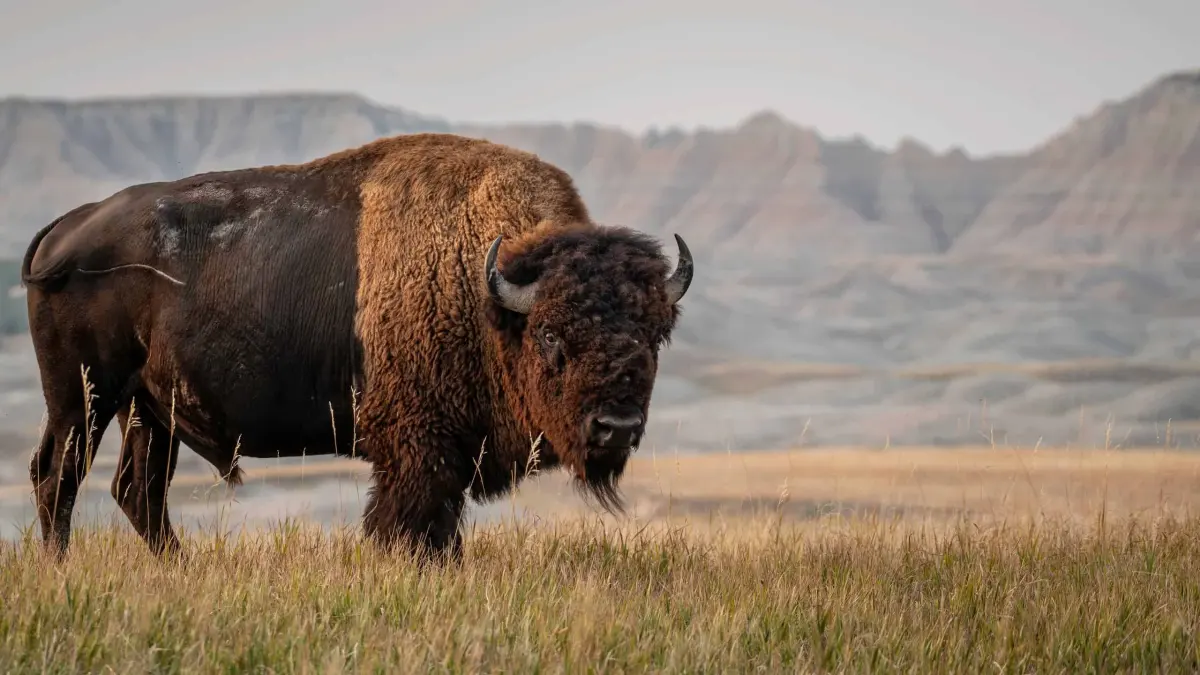
The most striking feature of a bison is the massive hump located over its shoulders. This hump is composed of muscle supported by long vertebrae, providing the animal with the strength needed to plow through deep snow during the winter. Their heads are broad and low-slung, topped with short, curved black horns that both sexes use for defense and social hierarchy. Their tails are relatively short, ending in a tuft of hair that helps them swat away persistent insects.
Beyond their sheer size, bison possess several specialized physical traits that define their appearance:
- A massive, shaggy mane that covers the head, neck, and forelegs.
- A thick, woolly undercoat that provides extreme insulation in sub-zero temperatures.
- A heavy, muscular neck capable of supporting their large, dense skulls.
- Sharp, curved horns that grow throughout their lives, reaching lengths of up to two feet.
How do bison compare to other large mammals?
When comparing bison to other North American wildlife, their dominance is clear. While a large grizzly bear might weigh between 600 and 800 pounds, a bull bison can easily double that weight. Even when compared to domestic cattle, bison appear much more rugged and muscular. Their center of gravity is shifted toward the front, which gives them a distinct, powerful silhouette that is easily recognizable from a distance.
Understanding the scale of a bison is essential for anyone observing them in the wild. Because they appear somewhat slow and lumbering, observers often underestimate their physical power. It is important to remember that these animals are not domesticated livestock. Their size and temperament make them unpredictable, and they are capable of exerting force that can easily damage vehicles or cause severe injury to humans who do not maintain a safe distance.
How to safely observe bison in the wild
Observing bison requires a high degree of caution and respect for their space. Because they are so large, they can move quickly when they feel threatened, and their size allows them to cover ground faster than most humans expect. The most common mistake visitors make is approaching too closely for a photograph. If a bison stops grazing, stares at you, or starts pawing the ground, you are already too close and should retreat slowly.
Follow these safety steps to ensure a positive experience:
- Stay at least 25 yards away from bison at all times, using binoculars for a closer view.
- Remain inside your vehicle if you are in a park or wildlife refuge.
- Never attempt to feed or lure a bison, as this creates dangerous dependency and aggressive behavior.
- Watch for warning signs such as tail flicking, snorting, or head-bobbing, which indicate the animal is agitated.
Why do bison sizes vary by region?
Bison size is influenced by environmental factors, including the availability of forage and the severity of the climate. Herds living in areas with high-quality grasslands and longer growing seasons tend to reach larger average weights than those in arid or high-altitude regions. This is a classic example of environmental adaptation, where the animal’s physiology responds to the energy density of the local vegetation. Furthermore, historical overhunting and genetic bottlenecks have influenced the size of modern herds.
Conservation efforts have helped stabilize these populations, but management practices also play a role in physical development. In managed herds, supplemental feeding or specific culling practices can influence the overall health and size of the animals. Understanding these variations helps biologists monitor the health of the species across different habitats. While the core physical traits remain consistent, the subtle differences in size across various North American regions highlight the resilience and adaptability of the bison as a species.
Key facts
- Adult male American bison, or bulls, typically stand 5 to 6.5 feet tall at the shoulder.
- Mature bulls can weigh between 1,500 and 2,000 pounds, while cows generally weigh 900 to 1,300 pounds.
- Bison are the largest land mammals in North America, often reaching lengths of 10 to 12.5 feet.
- Maintain a distance of at least 25 yards from bison at all times, as they can run up to 35 miles per hour.
- A common mistake is assuming bison are slow or docile because of their size; they are highly agile and unpredictable.
- If a bison's tail stands straight up, it is a clear warning sign that the animal is agitated and may charge.
The bottom line
The American bison is a massive, powerful animal that serves as an iconic symbol of the North American plains. Bulls can weigh up to a ton, making them the continent's largest land mammals. Because of their immense size, speed, and unpredictable temperament, it is essential to keep a safe distance. Always prioritize your safety by observing these impressive creatures from afar rather than attempting close contact.
People also ask
What is the difference in size between American and European bison?
The American bison is generally heavier and more robust than the European bison, also known as the wisent. While the wisent is taller at the shoulder, the American bison possesses a much larger, more muscular head and forequarters.
Do bison lose weight during the winter?
Yes, bison often lose body mass during harsh winter months due to limited forage and the energy required to stay warm. They compensate by building up thick layers of fat during the summer and autumn months.
How long do bison live in the wild?
In the wild, bison typically live between 12 and 20 years. Factors such as predation, disease, and environmental conditions play a significant role in their overall lifespan.
Are bison considered dangerous to humans?
Bison are wild animals and are responsible for more injuries in national parks than any other large mammal. Their massive size and speed make them extremely dangerous if provoked or approached too closely.
How much do bison calves weigh at birth?
Calves usually weigh between 30 and 70 pounds when they are born. They grow rapidly, often doubling their weight within the first few months of life.
Can bison jump over fences?
While they are not known for jumping like deer, bison are capable of clearing fences up to 5 or 6 feet high if they feel threatened. It is best to avoid relying on standard livestock fencing to contain them.
This answer was created with the help of AI research tools and reference sources. Spotted an error? Let us know — we correct mistakes quickly. See our editorial policy.