What do bison eat?
Short answer
Bison are primary grazers that feed almost exclusively on grasses, sedges, and forbs. An adult bison consumes between 20 and 30 pounds of forage daily to maintain its massive body weight. During winter, they use their large heads as snowplows to access dormant vegetation buried beneath the frozen landscape.
On this page
What do wild bison eat in their natural habitat
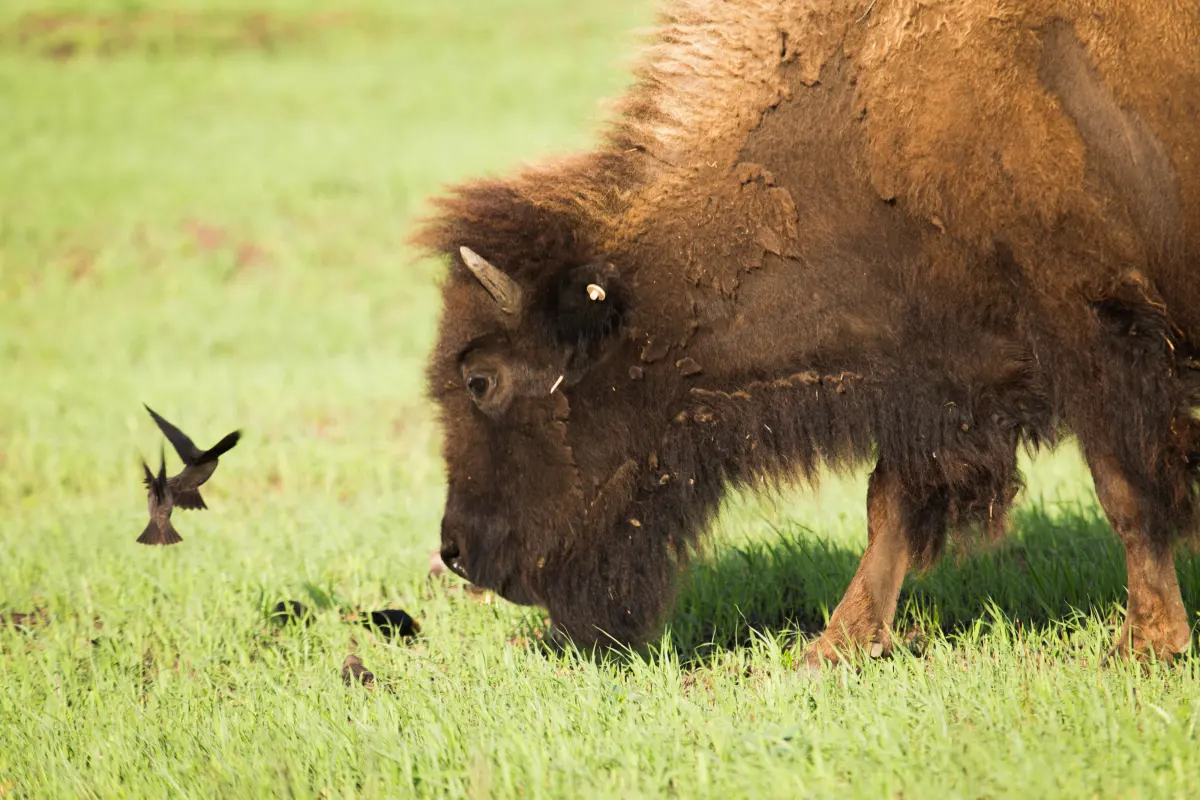
Bison are classified as bulk feeders, meaning they prioritize high-volume consumption of grasses over selective foraging. In the North American prairies, their diet consists primarily of graminoids, including blue grama, needle-and-thread grass, and various wheatgrass species. These plants provide the essential fiber and carbohydrates required to fuel the animal's massive metabolism throughout the year.
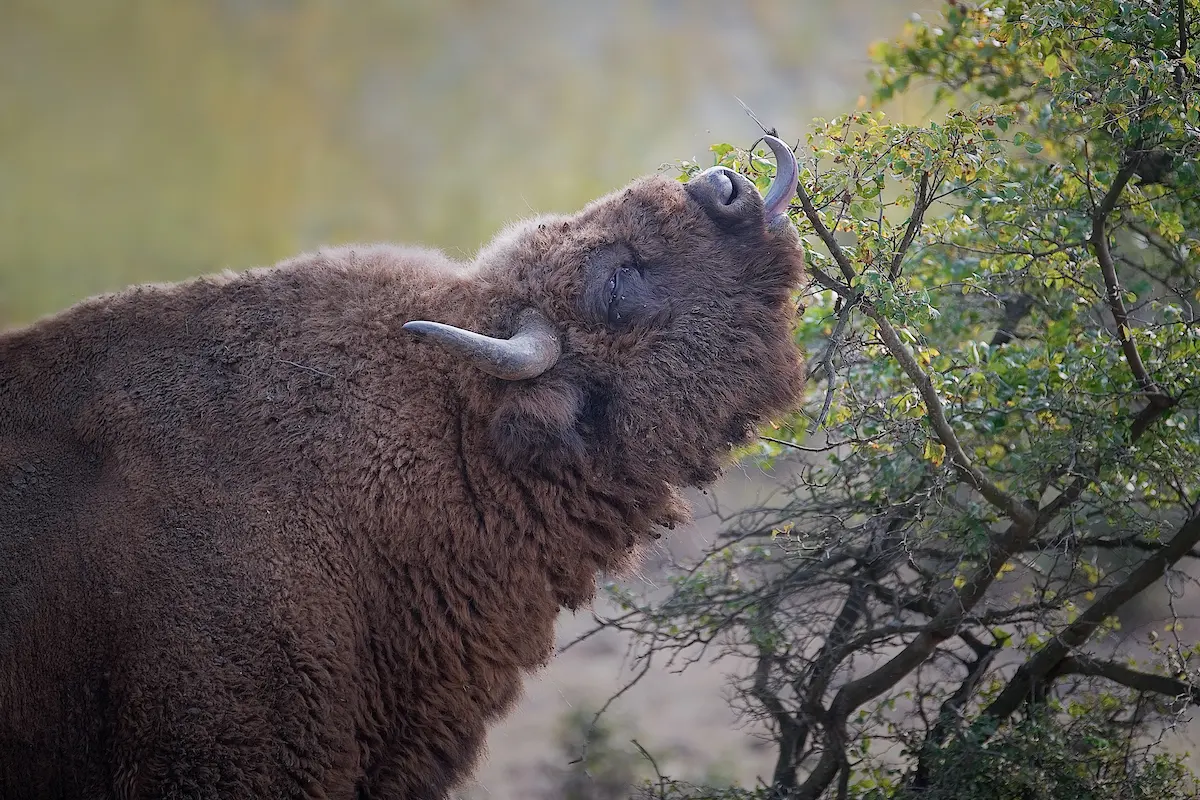
While grasses make up the bulk of their intake, bison also consume a variety of sedges and flowering forbs when available. During the spring and summer months, they may supplement their diet with tender shoots of woody plants or willow leaves. This dietary flexibility allows herds to thrive across diverse ecosystems, from the high-altitude meadows of Yellowstone to the tallgrass prairies of the Great Plains.
- Blue grama (Bouteloua gracilis)
- Western wheatgrass (Pascopyrum smithii)
- Needle-and-thread grass (Hesperostipa comata)
- Various sedge species (Carex)
- Seasonal wildflowers and forbs
How do bison find food in the winter
Winter presents a significant challenge for bison, as deep snow cover can obscure traditional grazing grounds. Unlike cattle, which often require supplemental hay, bison are highly adapted to foraging in harsh conditions. They utilize their large, muscular heads and thick, shaggy foreheads to sweep snow aside, a behavior known as "cratering." This allows them to reach the dried, dormant grasses trapped beneath the snowpack.
This survival strategy is remarkably efficient, as the dormant grasses retain significant nutritional value even after the first frost. Bison are capable of digging through several feet of snow to reach these resources. By maintaining this foraging behavior, they avoid the energy expenditure of searching for alternative food sources, allowing them to conserve vital body fat during the coldest months of the year.
- Locate areas with thinner snow accumulation through wind exposure.
- Use the head and horns to clear a circular patch of snow.
- Expose the underlying layer of dormant, cured grasses.
- Consume the vegetation while moving slowly across the landscape.
Why bison diet impacts grassland ecosystems
Bison act as ecosystem engineers, and their feeding habits play a critical role in maintaining the health of the prairie. By grazing intensely in specific areas, they prevent the encroachment of woody shrubs and invasive trees. This grazing pressure stimulates new plant growth, which increases the overall productivity and biodiversity of the grassland. Their movement patterns ensure that no single area is overgrazed for too long.
Furthermore, the physical impact of bison feeding contributes to soil aeration and nutrient cycling. As they move and graze, their heavy hooves break up soil crusts, which promotes seed germination and water infiltration. Their waste products return essential nitrogen and minerals to the earth, creating a self-sustaining cycle of growth. This symbiotic relationship between the bison and the prairie grasses has evolved over thousands of years, creating one of the most resilient ecosystems on the planet.
Common mistakes when feeding captive bison
Managing bison in a captive or ranching environment requires an understanding of their specific digestive needs. A common mistake is providing a diet too high in grain or concentrated feeds, which can lead to severe health issues like bloat or acidosis. Bison are ruminants evolved for high-fiber, low-energy forage; their digestive tracts are not designed to process the high-starch diets often given to domestic cattle.
Another frequent error is failing to provide adequate acreage for natural grazing. Bison require vast spaces to roam, and confining them to small paddocks often leads to overgrazing and the depletion of native forage. If supplemental feeding becomes necessary during extreme weather, owners should prioritize high-quality grass hay rather than alfalfa or grain. Always ensure that the forage is free of mold and toxic weeds, as bison may be less selective than cattle when hungry.
- Avoid feeding high-starch grain concentrates.
- Do not rely on alfalfa as a primary food source.
- Ensure constant access to clean, fresh water.
- Provide mineral blocks designed specifically for wild ruminants.
- Monitor for signs of digestive distress or lethargy.
What is the nutritional value of bison forage
The nutritional content of a bison's diet shifts significantly with the seasons. During the active growing season, grasses are high in protein and moisture, which supports rapid weight gain and calf development. As the season progresses into autumn, the plants begin to cure, and their protein content drops while their fiber content increases. Bison adjust their intake accordingly, spending more time grazing to meet their daily caloric requirements.
Understanding these nutritional shifts is essential for land management and conservation efforts. By monitoring the quality of forage, ecologists can predict the health of a herd and the carrying capacity of a specific range. In healthy environments, the diversity of plant species ensures that bison receive a balanced intake of minerals and vitamins throughout the year. This natural balance is the key to their long-term survival and the preservation of the vast, open landscapes they call home.
Key facts
- American bison are obligate grazers, meaning their diet consists almost exclusively of grasses and sedges.
- An adult bison consumes between 25 and 30 pounds of forage daily to maintain its massive body weight.
- They spend approximately 9 to 11 hours each day actively grazing to meet their high caloric requirements.
- During winter, bison use their large, muscular heads like snowplows to push aside deep snow and access dormant grasses.
- Bison are ruminants, possessing a complex four-chambered stomach that allows them to extract nutrients from tough, fibrous plant material.
- Avoid feeding bison supplemental grain or human food, as their digestive systems are strictly adapted to wild prairie grasses and can be severely harmed by processed carbohydrates.
The bottom line
The American bison is a specialized grazer that relies on vast grasslands to sustain its massive energy needs. By consuming large quantities of native grasses and utilizing their unique digestive systems, these animals have evolved to thrive in challenging environments. Understanding their preference for natural forage is essential, as supplemental feeding is unnecessary and often detrimental to their long-term health and natural foraging behaviors.
People also ask
Do bison eat shrubs or trees?
While bison are primarily grass eaters, they will occasionally browse on woody plants, willow bark, or sagebrush if preferred forage is scarce. However, these items make up a very small percentage of their total diet.
How do bison find water in the winter?
Bison are highly resilient and will eat snow to maintain hydration when liquid water sources are frozen. They prefer open water, but their ability to consume snow allows them to survive in harsh, remote environments.
Do bison compete with cattle for food?
Yes, bison and cattle share similar dietary preferences, which can lead to competition for grazing land. Bison are generally more efficient at digesting low-quality forage than domestic cattle, allowing them to thrive on sparser vegetation.
How much water does a bison drink per day?
A healthy adult bison typically drinks between 10 and 12 gallons of water daily. This requirement increases during the hot summer months or when the animal is lactating.
Do bison migrate to find better food?
Bison are migratory animals that historically moved across the Great Plains to follow fresh, nutrient-rich regrowth. Modern herds are often restricted by fences, but they still exhibit seasonal movement patterns to seek out the best available grazing patches.
Can bison survive on hay alone?
Bison can survive on high-quality grass hay during emergencies, but they thrive best on a diverse mix of native prairie grasses. Feeding them low-quality hay or silage can lead to digestive impaction or malnutrition over time.
This answer was created with the help of AI research tools and reference sources. Spotted an error? Let us know — we correct mistakes quickly. See our editorial policy.