What do snails eat?
Short answer
Snails are primarily herbivores that consume a wide variety of plant matter, including leaves, stems, flowers, and rotting vegetation. Some species are omnivorous or predatory, feeding on fungi, algae, and occasionally other small invertebrates. Their diet depends heavily on their specific species, habitat, and the availability of calcium-rich food sources.
On this page
What do garden snails eat in the wild?
Most common garden snails, such as the Cornu aspersum, are generalist herbivores that forage on a diverse array of living and decaying plant materials. In a typical backyard or forest setting, they seek out soft, succulent leaves, stems, and fallen fruit. They possess a specialized feeding organ called a radula, which is a ribbon-like structure covered in thousands of microscopic, chitinous teeth. This tool acts like a rasp, allowing the snail to scrape away tissue from plant surfaces with high efficiency.
Beyond fresh vegetation, wild snails play a vital role in nutrient cycling by consuming decaying organic matter. They are particularly attracted to fallen leaves, rotting wood, and fungi, which provide essential moisture and nutrients. Because they are nocturnal, they often emerge during damp conditions to feed, as their bodies rely on high humidity to prevent desiccation. Their diet is largely opportunistic, meaning they will consume whatever accessible plant matter is available in their immediate microhabitat.
What should you feed pet snails?
Providing a balanced diet for pet snails requires mimicking their natural foraging habits while ensuring they receive adequate nutrition for shell development. A healthy diet should focus on fresh vegetables and fruits, supplemented by a consistent source of calcium. Calcium is the most critical component of a snail's diet, as it is required to maintain the structural integrity and growth of their shells. Without sufficient calcium, a snail’s shell will become thin, brittle, and prone to irreversible damage.
To keep your pet snail healthy, offer a varied rotation of the following foods:
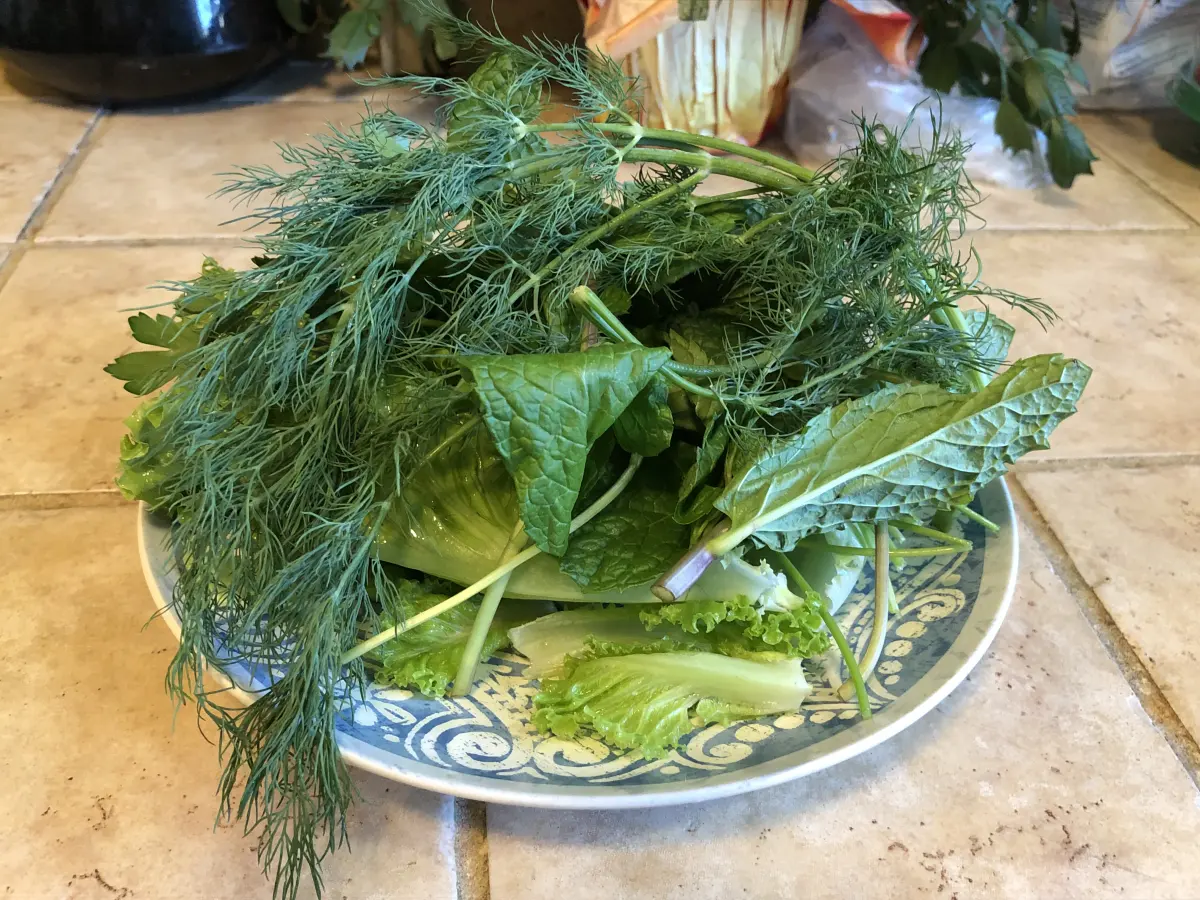
- Leafy greens: Kale, collard greens, dandelion greens, and romaine lettuce.
- Vegetables: Sliced carrots, sweet potatoes, cucumbers, and zucchini.
- Fruits: Apples, pears, strawberries, and melon slices.
- Calcium sources: Cuttlebone, crushed eggshells, or calcium powder sprinkled on food.
Avoid feeding them processed human foods, citrus fruits, or onions, as these can be toxic or cause digestive distress. Always wash produce thoroughly to remove pesticides, which are lethal to snails.
Why do snails need calcium?
The shell of a snail is composed primarily of calcium carbonate, which the animal must continuously replenish throughout its life. As the snail grows, it secretes new layers of shell material at the mantle edge, a process that demands a high intake of dietary calcium. If a snail cannot access enough calcium in its environment, its growth will be stunted, and the existing shell may begin to pit or crack. This vulnerability makes the snail susceptible to predators and environmental stressors.
In addition to structural support, calcium plays a role in the snail's metabolic functions and overall health. Providing a cuttlebone—the internal shell of a cuttlefish—is the most effective way to offer calcium in a captive environment. The snail will naturally graze on the cuttlebone as needed. If you are keeping snails in an outdoor enclosure, you can supplement the soil with crushed limestone or oyster shell grit to ensure the environment remains calcium-rich.
Common mistakes when feeding snails
One of the most frequent errors owners make is providing food that contains harmful additives or residues. Pesticides, herbicides, and fertilizers commonly found on store-bought produce can kill a snail within hours of ingestion. Always prioritize organic produce and rinse all food items under cool, running water to ensure no chemicals remain. Another mistake is overfeeding, which leads to rotting food in the enclosure. Rotting debris attracts fruit flies and mold, both of which can compromise the hygiene of the snail's habitat.
Follow these steps to maintain a clean feeding routine:
- Remove any uneaten food from the enclosure after 24 hours to prevent spoilage.
- Place food on a small, flat dish or a clean leaf to avoid direct contact with the substrate.
- Replace the water source daily to ensure it remains free of debris or waste.
- Rotate food types weekly to ensure a broad spectrum of vitamins and minerals.
How to identify signs of nutritional deficiency
Monitoring your snail's physical appearance is the best way to determine if its diet is adequate. A healthy snail will have a smooth, hard, and vibrant shell with no signs of flaking or white, chalky patches. If you notice the shell edge becoming jagged or thin, it is a clear indicator that the snail is experiencing a calcium deficiency. Furthermore, a snail that is lethargic or refuses to eat may be suffering from a lack of hydration or an improper balance of nutrients.
If you suspect your snail is malnourished, assess the variety of its diet and verify that a calcium source is available. Ensure that the humidity levels in the enclosure are appropriate, as snails that are too dry will often stop eating entirely. By observing their feeding behavior closely, you can adjust their diet to correct these issues before long-term damage occurs. Consistent care and a varied, chemical-free diet are the primary factors in ensuring your snail remains active and healthy for its entire lifespan.
Key facts
- Most land snails are herbivores that consume a wide variety of decaying plant matter, fresh leaves, and stems.
- Snails use a radula, a tongue-like organ covered in thousands of microscopic, tooth-like structures, to rasp and scrape their food.
- Calcium is essential for a snail’s health because it is required to build and maintain their hard, protective shells.
- Many garden snails are opportunistic feeders and will consume fruits, vegetables, flowers, and even fungi when available.
- Some predatory snail species, such as the rosy wolf snail, feed exclusively on other snails and slugs rather than plants.
- Avoid feeding snails salty, processed, or acidic foods like citrus, as these can be toxic or cause severe dehydration.
The bottom line
Snails are primarily herbivorous scavengers that rely on a diverse diet of plant matter to thrive. By utilizing their specialized radula, they efficiently process everything from decomposing leaves to fresh garden vegetables. Providing adequate calcium is the most critical aspect of their nutrition, as it supports shell development. Maintaining a clean, moist environment and avoiding toxic substances ensures these gastropods remain healthy and active.
People also ask
Do snails need to drink water?
Yes, snails require moisture to survive and often absorb water through their skin. They also drink small droplets of water found on leaves or soil surfaces to stay hydrated.
Can snails eat leftover kitchen scraps?
Snails can safely eat many vegetable scraps like lettuce, cucumber, and carrot peels. Always wash the produce thoroughly to remove pesticides, which are lethal to snails.
Why do snails eat my garden plants?
Snails are attracted to the soft, nutrient-rich tissues of young seedlings and succulent leaves. They are especially active during damp nights when they can move across foliage easily.
How often should I feed a pet snail?
Pet snails should be offered fresh food every evening, as they are primarily nocturnal. Remove any uneaten food after 24 hours to prevent mold growth in their enclosure.
Is it safe for snails to eat eggshells?
Yes, crushed eggshells or cuttlebone are excellent sources of calcium for snails. Providing these supplements helps ensure their shells grow strong and remain free of cracks.
Do snails eat meat or protein?
While most snails prefer vegetation, some species will consume protein sources like fish flakes or dead insects. However, this should only be provided in small, controlled amounts.
This answer was created with the help of AI research tools and reference sources. Spotted an error? Let us know — we correct mistakes quickly. See our editorial policy.