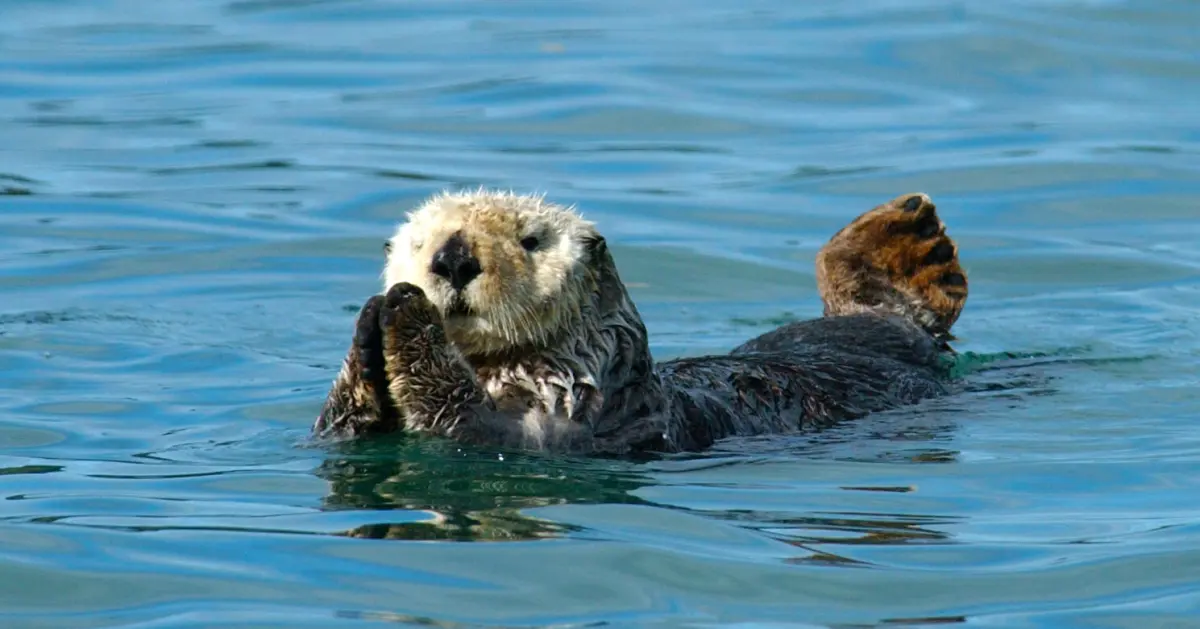
What do sea otters eat?
Short answer
Sea otters are voracious carnivores that consume a wide variety of marine invertebrates, including sea urchins, crabs, clams, mussels, and snails. Because they lack blubber, they must eat 25 to 30 percent of their body weight daily to maintain their high metabolic rate and stay warm in cold ocean waters.
On this page
What do sea otters eat in the wild?
Sea otters are opportunistic predators that feed on more than 100 different species of marine invertebrates. Their diet is primarily composed of bottom-dwelling creatures found on the seafloor, which they reach by diving to depths of up to 300 feet. While their preferences can vary based on their geographic location—ranging from the coasts of California to the Aleutian Islands—their primary food sources remain consistent across populations.
The specific items found in a typical sea otter's diet include:
- Sea urchins, which are a favorite food source and help keep kelp forests healthy.
- Various species of crabs, including Dungeness and rock crabs.
- Bivalves such as clams, mussels, and scallops.
- Marine snails, abalone, and occasionally small fish or octopuses.
These animals play a critical role in their ecosystems as a keystone species. By consuming large quantities of sea urchins, they prevent these grazers from overconsuming the kelp forests that provide essential habitat for many other marine organisms.
How much do sea otters eat every day?
To survive in frigid ocean temperatures, sea otters require an incredible amount of energy. Unlike whales or seals, sea otters do not have a thick layer of blubber to insulate them from the cold. Instead, they rely on their incredibly dense fur and a high metabolic rate to generate body heat. This physiology forces them to spend a significant portion of their waking hours foraging for food.
An adult sea otter typically consumes between 25 and 30 percent of its total body weight in food every single day. For a male weighing 70 pounds, this means eating nearly 20 pounds of seafood daily. To meet these caloric demands, they must be highly efficient hunters. They use their sensitive whiskers to detect prey in murky water and often use rocks as tools to crack open the hard shells of their catch while floating on their backs.
How do sea otters use tools to eat?
Sea otters are among the few mammal species known to use tools to access their food. When they encounter prey with a hard shell, such as a clam or an abalone, they often retrieve a stone from the seafloor. They tuck this stone into a loose fold of skin under their armpit, which acts as a natural storage pouch while they swim back to the surface.
Once they are floating on their backs, they follow these steps to process their meal:
- Place the stone on their chest to create a stable, hard surface.
- Hold the prey item firmly with both front paws.
- Repeatedly smash the prey against the stone until the shell fractures.
- Extract the soft meat from the broken shell using their teeth and paws.
This behavior is learned, and mothers often teach their pups how to select and utilize appropriate stones for foraging. This tool-use behavior is essential for accessing high-protein foods that would otherwise be protected by thick, calcified shells.
Common mistakes when observing sea otters feeding
Many people assume that sea otters are purely passive creatures that simply drift with the tides. In reality, they are highly active hunters that require significant space and undisturbed environments to meet their nutritional needs. A common mistake observers make is getting too close to foraging otters, which causes the animals to dive or swim away in distress. This interruption forces them to waste precious energy, which can be detrimental to their survival during colder months.
Another mistake is feeding sea otters human food or attempting to interact with them. Human food is not part of their natural diet and can cause severe health issues, including digestive blockages or toxicity. Furthermore, feeding wild animals leads to habituation, where the otter loses its natural fear of humans. This behavior often results in the otter becoming a nuisance or putting itself in dangerous situations near boat traffic or polluted harbors, ultimately endangering the animal's life.
Why do sea otters eat so much kelp forest prey?
The reliance on kelp forest inhabitants is not accidental; it is a symbiotic relationship that sustains the entire coastal environment. Sea otters act as the primary regulators of the urchin population. If sea otters were removed from an area, sea urchin populations would explode, leading to the rapid destruction of kelp forests through overgrazing. This process, often called an "urchin barren," leaves the seafloor devoid of the complex structure needed by fish and other invertebrates.
By maintaining a diet rich in urchins and other herbivores, sea otters ensure the health of the kelp forest. This in turn provides them with a consistent supply of prey and shelter from predators like sharks. Protecting the sea otter's food source is essentially the same as protecting the entire marine ecosystem. Their survival is intrinsically linked to the biodiversity of the rocky reefs and kelp beds they call home, making their feeding habits a vital indicator of ocean health.
Key facts
- Sea otters must consume 20 to 30 percent of their body weight in food every single day to maintain their high metabolic rate.
- Their primary diet consists of marine invertebrates, including sea urchins, abalone, clams, mussels, crabs, and snails.
- Otters use rocks as tools, placing them on their chests to hammer open hard-shelled prey while floating on their backs.
- They possess a specialized pouch of loose skin under their forelimbs where they store food gathered during dives for later consumption.
- Because they lack a thick layer of blubber, otters rely on their dense fur and constant caloric intake to stay warm in cold water.
- A common mistake is assuming otters eat fish; while they occasionally consume small sculpins or rockfish, these make up only a tiny fraction of their total diet.
The bottom line
Sea otters are essential marine predators that maintain the health of kelp forest ecosystems through their voracious appetite for invertebrates. By consuming massive quantities of urchins and shellfish daily, they prevent these species from destroying vital underwater habitats. Their unique reliance on tools and high-energy food sources highlights the complex survival strategies required to thrive in cold, demanding ocean environments without the insulation of blubber.
People also ask
Why do sea otters eat sea urchins?
Sea urchins are a primary food source because they are abundant and provide high caloric value. By eating them, otters also play a vital ecological role by preventing urchins from overgrazing kelp forests.
Do sea otters have teeth adapted for their diet?
Yes, sea otters have strong, flat molars specifically designed for crushing the hard shells of mollusks and crustaceans. These powerful teeth allow them to access meat that other marine predators cannot reach.
How deep do sea otters dive to find their food?
Most foraging occurs in shallow coastal waters, typically at depths of 5 to 30 meters. While they are capable of diving deeper, they prefer staying close to the seafloor where their favorite prey lives.
Do sea otters drink seawater?
Sea otters do drink seawater, and their kidneys are specially adapted to filter out high levels of salt. This ability is crucial because they obtain most of their hydration from the moisture found in their prey.
How do sea otters protect their food from thieves?
Otters often retreat to the surface to eat, but they are vulnerable to kleptoparasitism from gulls or other otters. To protect their catch, they may roll in the water or move to a different area if they feel threatened.
Is it safe to feed sea otters in the wild?
Feeding wild sea otters is dangerous and illegal in most jurisdictions. It disrupts their natural foraging behaviors and can cause them to lose their fear of humans, which often leads to aggressive encounters or injury.
This answer was created with the help of AI research tools and reference sources. Spotted an error? Let us know — we correct mistakes quickly. See our editorial policy.