How do you start a vegetable garden?
Short answer
Starting a vegetable garden requires selecting a sunny location with well-draining soil, choosing appropriate crops for your climate, and establishing a consistent watering schedule. Begin with a small, manageable plot or raised beds to ensure success. Focus on soil health, proper spacing, and regular maintenance to harvest fresh, homegrown produce throughout the season.
On this page
How to choose the best location for a vegetable garden
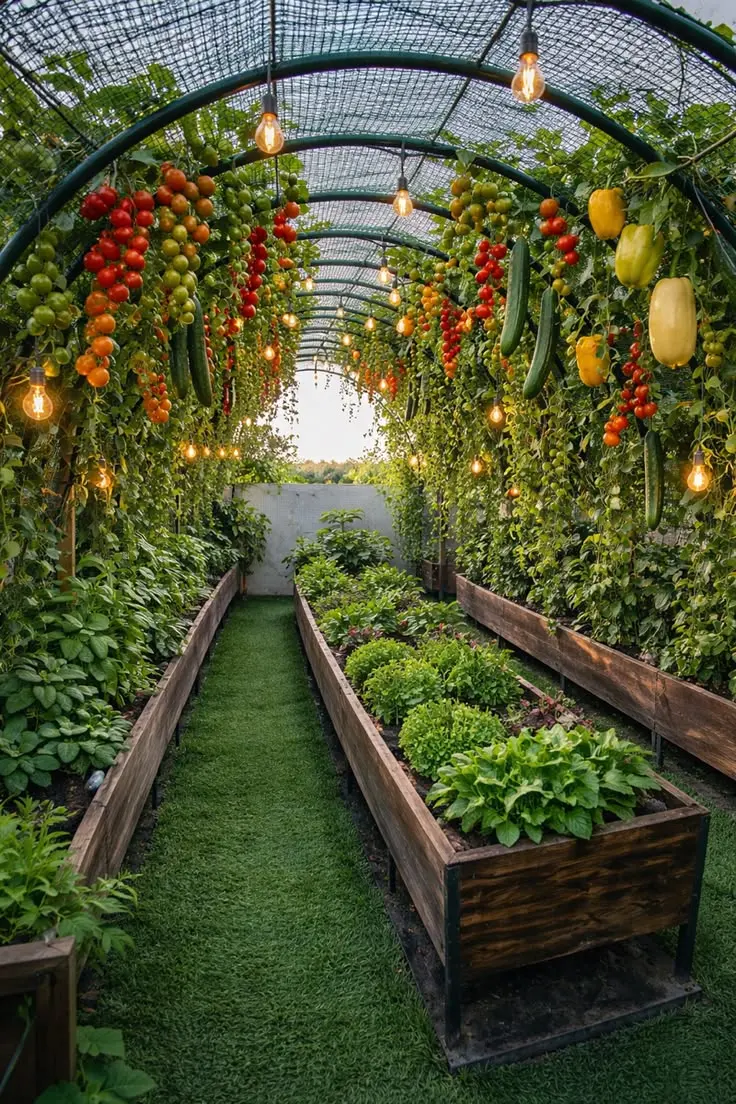
Selecting the right site is the most critical step for a successful harvest. Most vegetables, including tomatoes, peppers, and cucumbers, require at least six to eight hours of direct sunlight each day to thrive. Observe your yard throughout the day to identify areas that remain unshaded by trees, fences, or buildings. Avoid low-lying spots where water pools, as standing water can lead to root rot and fungal diseases.
Proximity to a water source is equally important for long-term maintenance. Hauling heavy watering cans across a large yard becomes tedious, often leading to neglected plants. Choose a level area with easy access to a hose or spigot. If your soil quality is poor or contains heavy clay, consider building raised beds. These structures allow you to control the soil composition entirely, providing a superior environment for root development and drainage.
Best vegetables for beginners to grow
Selecting easy-to-grow crops increases your chances of success during your first season. These plants are generally resilient, require minimal specialized equipment, and offer high yields for the space they occupy. Focus on varieties that mature quickly so you can enjoy the fruits of your labor sooner.
- Lettuce and spinach: These leafy greens grow rapidly and can be harvested multiple times throughout the season.
- Radishes: Known as the fastest-growing vegetable, they are ready for harvest in as little as 25 to 30 days.
- Bush beans: These plants do not require trellises or supports, making them simple to manage.
- Zucchini: A single plant can produce an abundance of squash with very little intervention.
- Cherry tomatoes: These are generally more disease-resistant and productive than larger tomato varieties.
Start with three to five different types of vegetables rather than attempting to grow everything at once. This approach helps you learn the specific needs of each plant without becoming overwhelmed by maintenance tasks.
How to prepare the soil for planting
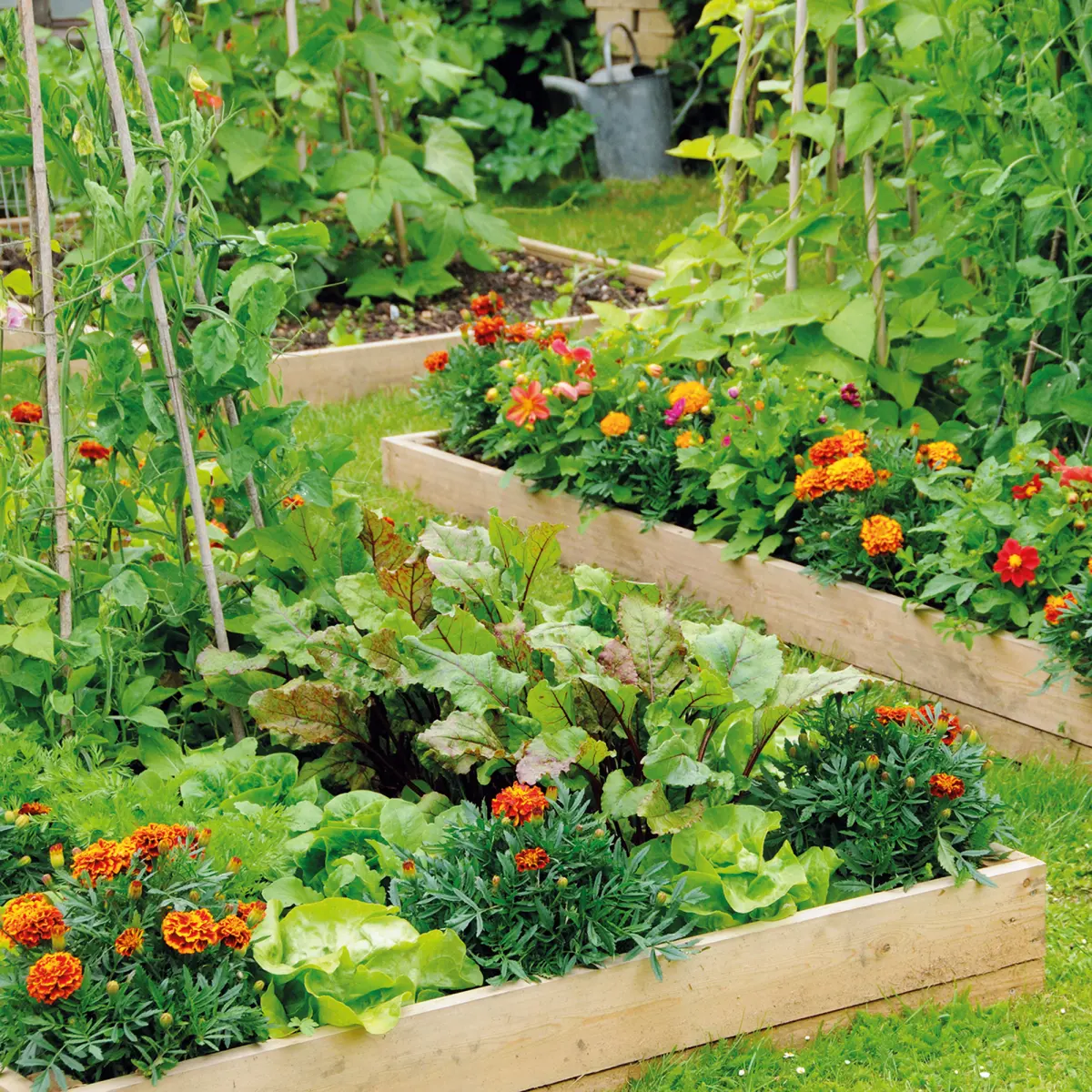
Soil health is the foundation of a productive garden. Before planting, test your soil to determine its pH level and nutrient content, which can be done using inexpensive kits from garden centers. Most vegetables prefer slightly acidic to neutral soil, typically between 6.0 and 7.0 on the pH scale. Incorporating organic matter, such as high-quality compost or aged manure, improves soil structure, aeration, and moisture retention.
To prepare your garden bed, follow these steps:
- Clear the area of all grass, weeds, and debris to prevent competition for nutrients.
- Loosen the soil to a depth of at least 8 to 12 inches using a garden fork or tiller.
- Mix in 2 to 3 inches of compost to enrich the earth.
- Smooth the surface with a rake to create a level planting bed.
- Water the area lightly and let it settle for a few days before sowing seeds or transplanting seedlings.
How to maintain a vegetable garden
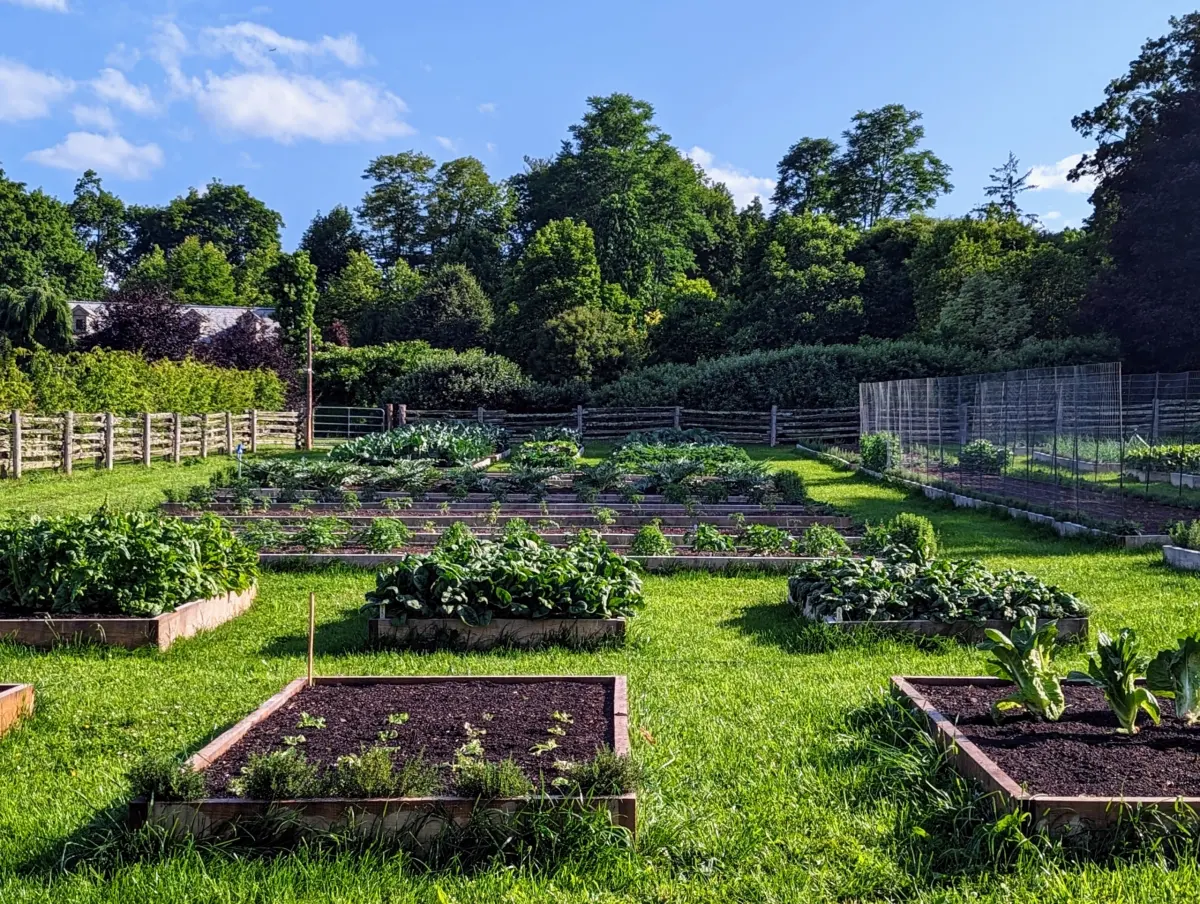
Consistent maintenance is the secret to a high-yielding garden. Weeding should be performed weekly, as weeds compete with your vegetables for water, light, and nutrients. Applying a 2-inch layer of organic mulch, such as straw or shredded leaves, around your plants helps suppress weed growth and keeps the soil moist. Monitor your plants daily for signs of pests or diseases, such as discolored leaves or holes in the foliage.
Watering should be deep and consistent rather than frequent and shallow. Aim to provide about 1 inch of water per week, adjusting for rainfall. Direct the water toward the base of the plant to keep the leaves dry, which significantly reduces the risk of fungal infections. If you are growing vining crops like cucumbers or pole beans, install sturdy supports early in the season to keep the fruit off the ground and improve air circulation.
Common mistakes when starting a vegetable garden
New gardeners often fall into traps that can derail their progress. One of the most frequent errors is planting too much too soon, which leads to burnout when the garden requires daily attention. Start small and expand your garden footprint in subsequent years as you gain experience and confidence. Another common mistake is ignoring plant spacing requirements; overcrowding leads to poor air circulation, which invites disease and stunts growth.
Avoid these pitfalls to ensure a healthier garden:
- Planting too early in the spring before the risk of frost has passed, which can kill sensitive seedlings.
- Over-fertilizing, which can cause rapid, weak growth that attracts aphids and other pests.
- Neglecting to label your rows, which makes it difficult to distinguish between seedlings and weeds.
- Using poor-quality potting soil in raised beds, which may lack the necessary nutrients for vegetable growth.
- Failing to harvest regularly, as leaving mature vegetables on the vine often signals the plant to stop producing new fruit.
Key facts
- Most vegetables require at least 6 to 8 hours of direct sunlight each day to produce a quality harvest.
- Soil pH should ideally be between 6.0 and 7.0, which can be verified using a simple home testing kit.
- Raised beds are often superior to in-ground plots because they provide better drainage and prevent soil compaction.
- Vegetables like lettuce, radishes, and spinach can be harvested in as little as 30 to 45 days.
- Mulching with straw or wood chips suppresses weeds and helps the soil retain essential moisture during hot summer months.
- Always water at the base of the plant rather than overhead to prevent fungal diseases on the leaves.
The bottom line
Starting a vegetable garden is a rewarding endeavor that begins with selecting a sunny location and preparing nutrient-rich, well-draining soil. By choosing easy-to-grow crops, maintaining consistent moisture, and monitoring for pests, you can successfully produce your own food. While gardening requires patience and consistent effort, the ability to harvest fresh, homegrown produce provides a unique sense of accomplishment and ensures a healthy, seasonal addition to your diet.
People also ask
How often should I water my vegetable garden?
Most vegetables need about one inch of water per week, depending on temperature and soil type. Check the soil moisture by inserting your finger two inches deep; if it feels dry, it is time to water.
What are the best vegetables for beginners to grow?
Leaf lettuce, tomatoes, green beans, and zucchini are excellent choices for novices. These plants are generally hardy, grow quickly, and provide a high yield for the space they occupy.
Can I grow vegetables in containers?
Yes, many vegetables thrive in pots if the container has adequate drainage holes and high-quality potting mix. Choose "bush" or "patio" varieties specifically bred for smaller spaces to ensure success.
When is the best time to plant seeds?
Planting times depend on your local frost dates and the specific crop requirements. Cool-season crops like peas can go in early spring, while heat-loving plants like peppers must wait until all danger of frost has passed.
How do I handle garden pests without chemicals?
Use physical barriers like row covers, hand-pick larger insects like tomato hornworms, or encourage beneficial predators like ladybugs. Maintaining healthy soil and rotating crops also naturally reduces the prevalence of pests and diseases.
Why do my vegetable plants look yellow?
Yellowing leaves often indicate overwatering, poor drainage, or a nitrogen deficiency. Assess your watering habits first, then consider adding organic compost to improve soil nutrient levels if the problem persists.
This answer was created with the help of AI research tools and reference sources. Spotted an error? Let us know — we correct mistakes quickly. See our editorial policy.