How many babies do horses have?
Short answer
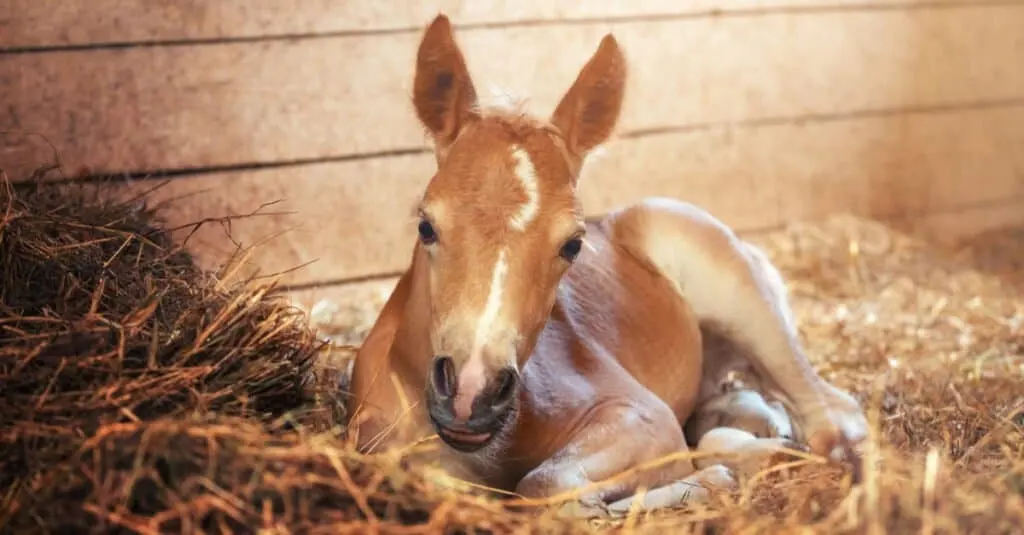
Horses almost always give birth to a single foal. While twins occur, they are considered high-risk pregnancies in the equine world. Because the mare’s uterus is not designed to support two fetuses, most twin pregnancies result in natural termination or require veterinary intervention to ensure the survival of the mare.
On this page
How often do horses have babies?
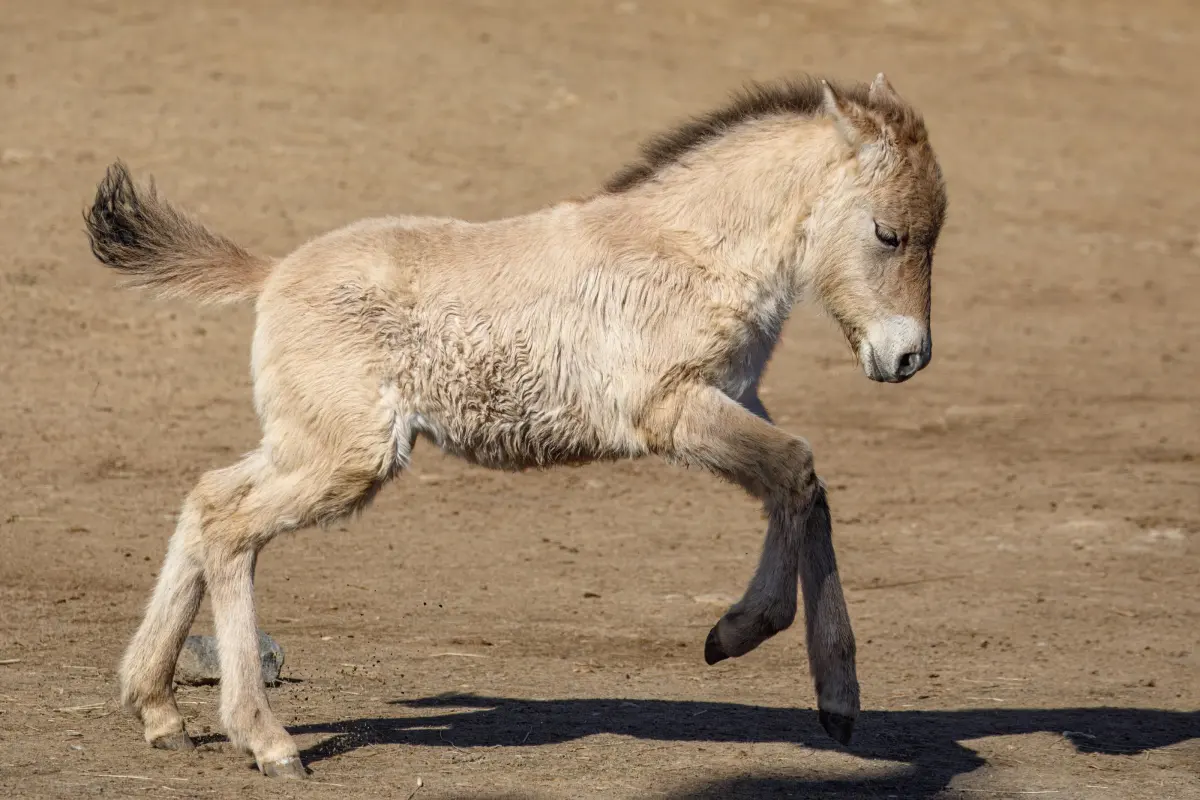
A healthy mare typically produces one foal per year during the breeding season. The gestation period for a horse is approximately 11 months, or roughly 340 days. Because of this long cycle, it is biologically difficult for a horse to produce more than one offspring within a single calendar year.
Most breeders time the breeding process so that the foal arrives in the spring. This timing ensures that the newborn has access to fresh pasture and warmer weather, which supports healthy growth. If a mare does not conceive during her first cycle, she may be bred again, pushing the birth date into the summer months.
Why do horses rarely have twins?
The equine uterus is structured to nourish only one fetus at a time. When two embryos develop, they often compete for space and nutrients within the uterine horn. This competition frequently leads to the death of one or both fetuses, or it can cause the mare to suffer from severe health complications.
Veterinarians typically perform an ultrasound around 14 to 16 days after breeding to check for multiple embryos. If twins are detected, the standard practice is to perform a manual reduction. This procedure involves pinching one of the embryos to allow the other to develop safely, protecting the mare from the risks of a twin pregnancy.
What happens during the birth process?
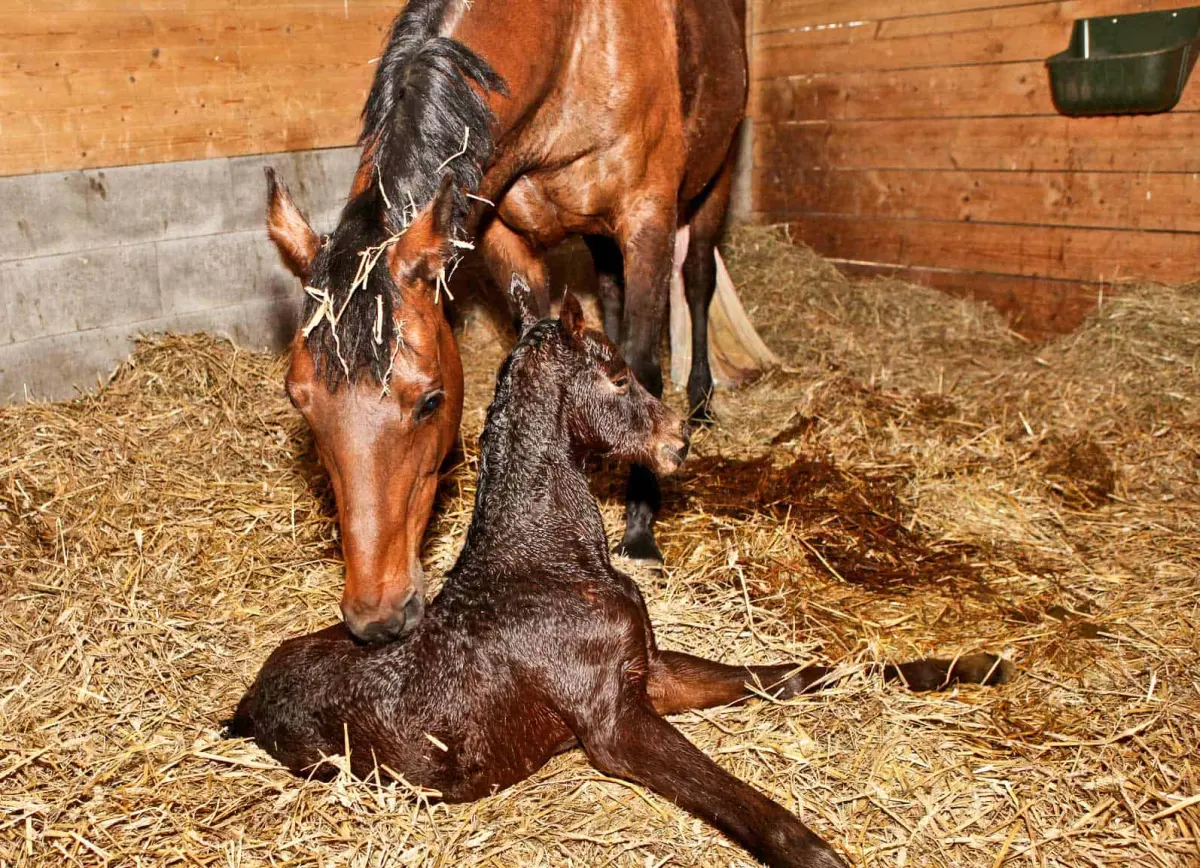
The birth of a foal, known as foaling, is a rapid and intense event. Once the mare enters active labor, the process usually concludes within 30 to 60 minutes. Because horses are prey animals, they have evolved to deliver their young quickly to avoid attracting predators in the wild.
- The mare often paces or lies down and stands up repeatedly as labor begins.
- The water breaks, followed by the appearance of the foal’s front hooves.
- The foal is delivered, usually still encased in the amniotic sac.
- The mare stands up to break the sac, allowing the foal to breathe.
After the foal is born, the mare will lick the newborn to stimulate circulation and bonding. It is critical that the foal stands and begins nursing within the first two hours to receive colostrum, which is the mare's first milk rich in essential antibodies.
How to care for a newborn foal?
Proper care in the first few days of life is vital for the long-term health of the foal. Owners must monitor the newborn closely to ensure it is hitting key developmental milestones. If a foal appears weak or fails to nurse, immediate veterinary attention is required to prevent life-threatening infections.
- Ensure the foal stands and nurses within two hours of birth.
- Monitor the foal for signs of lethargy or difficulty breathing.
- Check the umbilical cord for signs of infection or persistent bleeding.
- Ensure the mare has passed the placenta within three hours of foaling.
If the mare does not pass the placenta promptly, it is considered a medical emergency. Retained placentas can lead to severe uterine infections and laminitis, a painful condition that can be fatal to the mare.
Common mistakes when breeding horses?
One of the most frequent errors is failing to provide adequate prenatal nutrition for the mare. A pregnant horse requires high-quality forage and specific mineral supplementation to support the developing fetus. Neglecting these dietary needs can lead to developmental orthopedic diseases in the foal or a weakened immune system.
Another common mistake is ignoring the importance of vaccinations and deworming during pregnancy. Owners should consult a veterinarian to establish a safe protocol that protects both the mare and the unborn foal from common diseases. Furthermore, trying to rush the breeding process without proper veterinary oversight often leads to complications. Always ensure the mare is in good body condition before breeding, as underweight or obese mares face significantly higher risks of pregnancy failure and delivery complications. By maintaining a consistent schedule of veterinary checkups, owners can ensure the best possible outcome for the mare and her single, healthy foal.
Key facts
- Horses almost always give birth to a single foal, as twins are rare and often result in complications.
- The average gestation period for a mare is approximately 11 months, or roughly 330 to 345 days.
- Twin pregnancies are considered high-risk in horses, frequently leading to miscarriage or the loss of one or both foals.
- A newborn foal typically stands and begins nursing within one to two hours after birth.
- Mares usually reach sexual maturity between 12 and 18 months of age, though breeding is typically delayed until they are at least three.
- Proper veterinary monitoring is essential during the final weeks of pregnancy to ensure both the mare and the foal remain healthy.
The bottom line
Horses are biologically designed to carry and deliver a single foal, making twin pregnancies a dangerous medical anomaly that requires professional intervention. With a gestation period lasting nearly a full year, successful breeding relies on careful veterinary oversight and patience. By prioritizing the health of the mare and understanding the natural birthing process, owners can ensure the best possible start for a healthy, growing foal.
People also ask
How can you tell if a horse is pregnant?
Veterinarians typically confirm pregnancy using ultrasound technology as early as 14 to 16 days after breeding. Physical signs like udder development or a change in abdomen shape often do not appear until the final months of the gestation period.
What is the survival rate for twin foals?
The survival rate for twins is extremely low, and veterinarians often recommend manual reduction of one embryo early in the pregnancy. Carrying twins puts the mare at significant risk of uterine rupture and often results in the premature birth of underdeveloped foals.
How much does a newborn foal weigh?
A healthy newborn foal typically weighs between 80 and 120 pounds, depending on the breed. Smaller pony breeds will weigh significantly less, while large draft horse foals can exceed 150 pounds at birth.
Do horses require assistance during birth?
Most mares foal without human intervention, but it is standard practice to monitor them remotely to ensure no complications arise. If the mare experiences prolonged labor or the foal is in an abnormal position, immediate veterinary assistance is required to save the lives of both animals.
How long does a foal stay with its mother?
Foals are typically weaned from their mothers between four and six months of age. During this time, they learn essential social behaviors and gradually transition to a diet of forage and grain.
Can a mare get pregnant immediately after giving birth?
A mare can experience a "foal heat" about 7 to 10 days after giving birth, during which she is fertile. However, many breeders wait for a later cycle to allow the mare's reproductive tract to recover fully from the stress of delivery.
This answer was created with the help of AI research tools and reference sources. Spotted an error? Let us know — we correct mistakes quickly. See our editorial policy.