How many babies do hamsters have?
Short answer
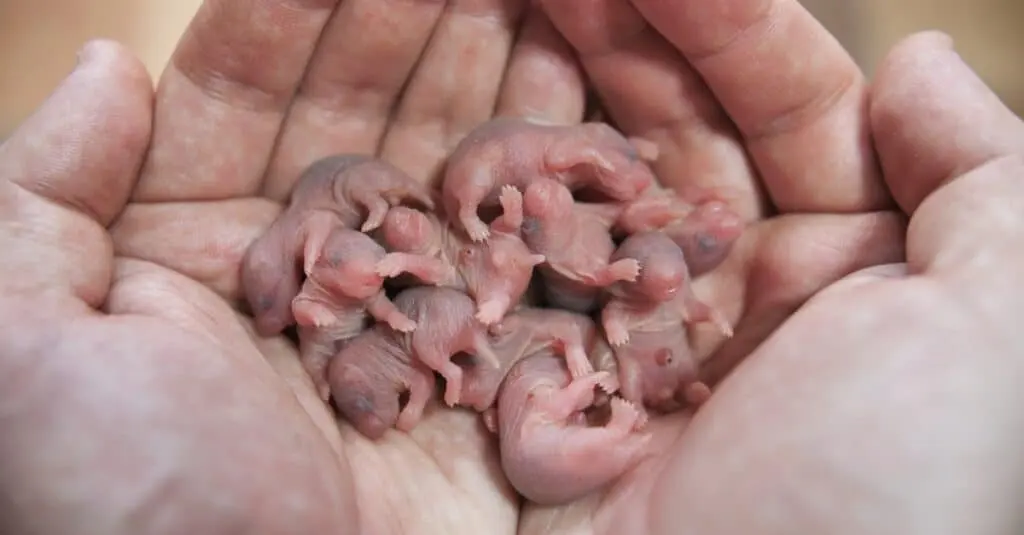
Hamsters typically have between 6 and 12 pups per litter, though some litters can range from as few as 3 to as many as 20. The exact number depends heavily on the breed, the age of the mother, and her nutritional health during the short gestation period of 16 to 22 days.
On this page
How many babies do hamsters have?
The number of pups in a hamster litter varies significantly by species. Syrian hamsters, the most common variety kept as pets, usually produce litters of 6 to 10, though they are capable of having up to 20 pups in extreme cases. Dwarf species, such as Winter White or Campbell’s hamsters, tend to have slightly smaller litters, typically ranging from 4 to 8 pups.
Several factors influence the size of the litter, including the mother’s age and her overall physical condition. A young, healthy female is more likely to have a larger, more viable litter than an older hamster or one that has been bred too frequently. Environmental stressors, such as noise, temperature fluctuations, or inadequate nutrition, can also cause a mother to have a smaller litter or struggle to raise her pups successfully.
How long does it take for hamsters to have babies?
The gestation period for hamsters is among the shortest of all mammals. Syrian hamsters typically carry their young for 16 to 18 days, while most dwarf hamster species gestate for approximately 18 to 22 days. Because the window for pregnancy is so brief, owners often do not realize a female is pregnant until she begins to show physical signs, such as a noticeable weight gain or a pear-shaped abdomen, just a few days before birth.
Preparation is essential during this short timeframe to ensure the mother has the resources she needs. Once the pregnancy is confirmed or suspected, the environment must be kept stable and quiet to prevent the mother from becoming stressed. If the mother feels threatened, she may abandon or cannibalize her litter, which is a common and distressing occurrence in captive hamster populations.
- Provide a clean, private nesting area with plenty of soft bedding.
- Ensure the cage is placed in a quiet, low-traffic area of the home.
- Increase the mother’s protein intake with small amounts of boiled egg or mealworms.
- Avoid handling the mother or cleaning the cage entirely during the final days of pregnancy.
Why do hamsters eat their babies?
Cannibalism is a natural, albeit upsetting, behavior in hamsters often triggered by environmental stressors or perceived threats to the litter. If a mother hamster feels that her nest is unsafe, or if she lacks the nutritional resources to produce enough milk for a large litter, she may consume her pups to conserve her own energy and survival. This behavior is also common if the pups are born with health defects or if the mother is too young and inexperienced to care for them properly.
To minimize the risk of cannibalism, owners must provide a high-protein diet and undisturbed solitude. It is critical to avoid touching the pups or the nest for the first two weeks of life. Introducing human scent to the nest can cause the mother to reject her young, as she may no longer recognize them as her own. Maintaining a consistent, calm environment is the most effective way to encourage successful rearing.

How to care for newborn hamster pups
Caring for a newborn litter requires a hands-off approach. For the first 14 days, the mother will do almost all the work, including nursing, cleaning, and keeping the pups warm. The pups are born hairless, blind, and completely dependent on their mother. During this time, the owner's primary responsibility is to provide the mother with constant access to fresh water and high-quality food, as lactation is physically demanding.
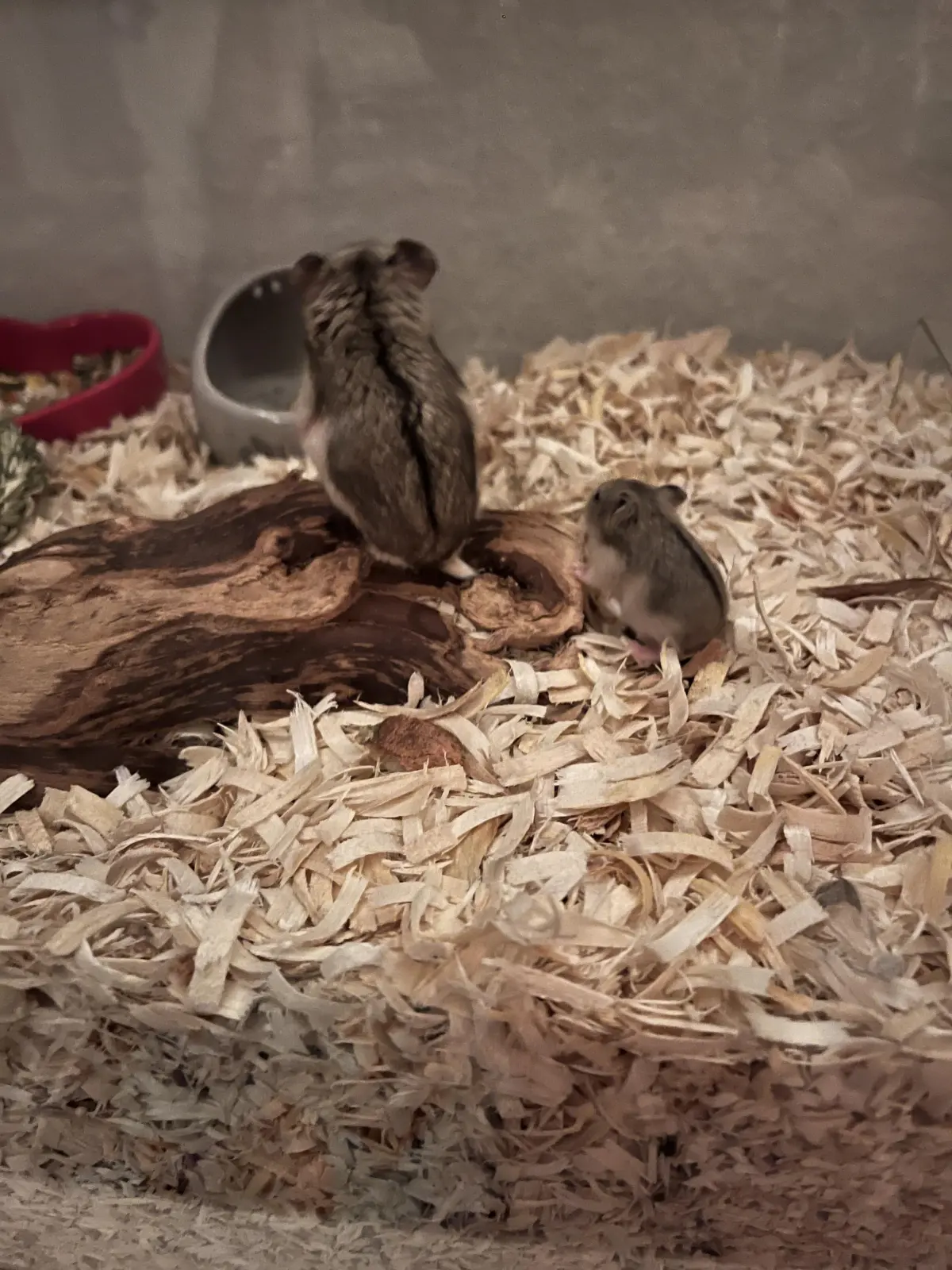
As the pups begin to grow, they will start exploring the nest around day 10 and will begin nibbling on solid food shortly after. By three weeks of age, the pups are usually fully weaned and can be separated from the mother. It is vital to monitor the health of the litter from a distance, looking for signs of distress such as constant squeaking or a scattered nest, which may indicate the mother is struggling to provide adequate care.
- Keep the room temperature between 68 and 75 degrees Fahrenheit.
- Use a solid-bottom cage to prevent the tiny pups from getting stuck or injured.
- Provide a steady supply of fresh vegetables and protein-rich supplements.
- Monitor for any signs of illness in the mother, as her health directly impacts the pups.
Common mistakes when breeding hamsters
One of the most frequent errors owners make is failing to separate the male from the female immediately after mating. If left together, the male may cause stress to the mother, leading to a failed litter, or he may impregnate her again immediately after she gives birth, which is physically exhausting and dangerous for her health. Another common mistake is attempting to handle the pups too early, which can lead to the mother rejecting them.
Furthermore, many owners underestimate the space and financial requirements of a large litter. Once the pups reach four weeks of age, they must be separated by sex to prevent unwanted pregnancies and territorial fighting. Failing to have enough individual cages or large enclosures for the growing pups can lead to severe injuries or deaths. Responsible breeding requires a commitment to finding homes for every pup or ensuring the owner has the capacity to house them all safely and humanely.
Key facts
- Hamsters typically give birth to litters ranging from 6 to 12 pups, though some can have as few as 3 or as many as 20.
- A female hamster’s gestation period is remarkably short, lasting only 16 to 22 days depending on the specific species.
- Newborn hamsters are born completely hairless, blind, and deaf, relying entirely on their mother for warmth and nutrition.
- You must remove the male hamster from the cage before birth to prevent immediate re-mating and potential aggression toward the pups.
- Avoid touching the nest or the babies for the first 14 days, as the mother may abandon or cannibalize them if she senses human scent.
- Provide the mother with extra protein, such as hard-boiled eggs or mealworms, during pregnancy and nursing to support her health.
The bottom line
Hamsters are prolific breeders capable of producing large litters in a very short timeframe. Successfully raising a litter requires minimal interference, a high-protein diet for the mother, and the immediate removal of the male to ensure safety. By providing a quiet, stress-free environment and avoiding contact with the newborns during their first two weeks, you significantly increase the chances of a healthy, thriving litter.
People also ask
At what age can a hamster start breeding
Female hamsters can reach sexual maturity as early as four to six weeks of age. However, breeding them this early is dangerous for their health, so it is best to wait until they are at least three to four months old.
How long do baby hamsters stay with their mother?
Pups typically remain with their mother for about three to four weeks. After this weaning period, they are usually ready to be separated and moved into their own enclosures.
Why do mother hamsters sometimes eat their own babies?
Cannibalism often occurs due to stress, a lack of protein in the mother’s diet, or if she feels the environment is unsafe. Keeping the cage in a quiet, dark area and minimizing disturbances helps prevent this behavior.
How can I tell if my hamster is pregnant?
Signs of pregnancy include a noticeable weight gain, a rounded belly, and increased nesting behavior. She may also become more territorial or aggressive toward other hamsters in the cage.
What should I feed newborn hamsters once they start weaning?
Once they begin exploring outside the nest, offer them soft, high-quality hamster pellets soaked in water or milk. You can also provide small bits of fresh vegetables to help them transition to solid food.
Is it common for hamsters to have complications during birth?
While most hamsters give birth without assistance, complications like stuck pups or exhaustion can occur. If a mother appears to be struggling for several hours without progress, consult an exotic animal veterinarian immediately.
This answer was created with the help of AI research tools and reference sources. Spotted an error? Let us know — we correct mistakes quickly. See our editorial policy.