What do raccoons eat?
Short answer
Raccoons are opportunistic omnivores with a highly varied diet. They consume a mix of plant matter, such as fruits and nuts, and animal proteins, including insects, rodents, and aquatic life. Their ability to thrive on diverse food sources allows them to inhabit environments ranging from dense forests to densely populated urban centers.
On this page
What do raccoons eat in the wild?
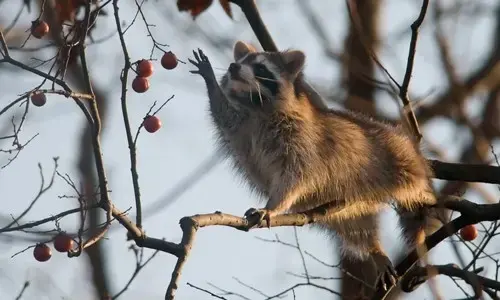
In their natural woodland habitats, raccoons rely on seasonal availability to meet their nutritional requirements. During the spring and summer, they consume a significant amount of plant material, including berries, wild grapes, acorns, and walnuts. This vegetation provides the necessary carbohydrates and fiber for daily energy. They also forage for fungi and various seeds found on the forest floor.
Animal protein remains a critical component of their wild diet throughout the year. Raccoons are skilled hunters and scavengers, frequently targeting the following food sources:
- Crayfish, frogs, and small fish found in shallow streams or ponds.
- Bird eggs and nestlings taken from low-hanging nests.
- Insects such as grasshoppers, beetles, and grubs found under logs.
- Small mammals, including mice, voles, and occasionally injured rabbits.
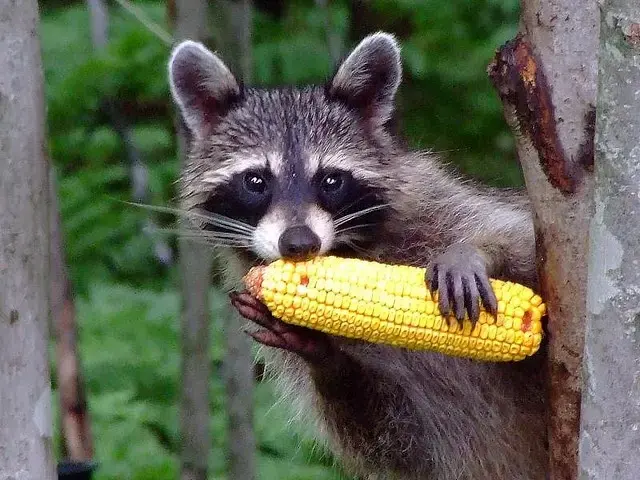
Their diet shifts as autumn approaches, focusing on high-calorie foods like nuts and corn to build the fat reserves needed for winter survival. While they do not hibernate, they may enter a state of torpor during extreme cold, relying on these stored nutrients.
How do raccoons find food in urban areas?
Urbanization has significantly altered raccoon behavior, turning them into highly efficient scavengers. Because they are nocturnal, they often frequent residential neighborhoods under the cover of darkness to exploit human-generated waste. They possess dexterous front paws that allow them to manipulate complex objects, such as opening trash cans, unlatching pet doors, or prying open lids.
Common urban food sources include:
- Discarded food scraps found in unsecured garbage bins or dumpsters.
- Pet food left outdoors for dogs or cats.
- Birdseed and suet from backyard feeders.
- Fallen fruit from residential gardens or orchards.
- Compost piles containing vegetable peels and fruit cores.
Raccoons are intelligent problem solvers that quickly learn to associate specific sounds or locations with consistent food rewards. This adaptability is the primary reason they have successfully integrated into human environments, often becoming a nuisance for homeowners who do not secure their property against opportunistic feeding.
Why do raccoons wash their food?
A common observation is that raccoons appear to "wash" their food in water before eating it. While this behavior looks like a hygienic practice, it is actually a sensory-enhancing technique. Raccoons have highly sensitive tactile nerve endings in their front paws, which are protected by a layer of horny skin.
When this skin is moistened, it becomes more pliable, allowing the raccoon to gather more sensory information about the texture and nature of the food. It is not about cleanliness, but rather about "seeing" with their hands. This behavior is most common when they are near water, but they will perform the motion even if no water is present.
This sensory process helps them distinguish between edible items and debris. By manipulating food in water, they can better identify potential threats or non-food items, ensuring they only consume what is safe and nutritious. It is a biological adaptation that aids their survival in diverse environments.
Common mistakes when feeding or attracting raccoons
Many people inadvertently attract raccoons to their property by failing to manage potential food sources. One of the most frequent errors is leaving pet food outside overnight. Raccoons are nocturnal and will quickly identify these bowls as reliable, high-calorie meal stations, often returning nightly once a pattern is established.
To discourage these visits, follow these preventative steps:
- Secure all garbage cans with locking lids or heavy bungee cords to prevent entry.
- Bring pet food dishes inside immediately after the animal has finished eating.
- Clean up fallen fruit or nuts from the yard promptly.
- Use motion-activated lights or sprinklers to startle scavengers away from areas where trash is stored.
- Avoid feeding wildlife intentionally, as this removes their natural fear of humans and leads to dependency.
Feeding raccoons creates dangerous situations for both the animals and the residents. It encourages them to approach human dwellings, increasing the risk of property damage and the potential for disease transmission.
Best practices for managing raccoon interactions
Managing raccoon interactions requires a focus on exclusion and sanitation rather than direct confrontation. If you find that raccoons are accessing your home or property, the priority should be to remove the attractants rather than attempting to relocate the animals. Relocation is often illegal and rarely solves the problem, as new raccoons will simply move into the vacated territory.
If you are dealing with persistent raccoon activity, consider these strategies:
- Install chimney caps to prevent raccoons from nesting in your home.
- Seal gaps under decks, porches, or sheds with heavy-duty wire mesh.
- Trim tree branches that overhang your roof to restrict access to entry points.
- Store compost in sealed, hard-sided containers rather than open piles.
- Consult with local wildlife control professionals if you suspect a denning mother is present.
By maintaining a clean environment and removing easy access to food, you can deter raccoons from making your property their primary feeding ground. This approach promotes a healthier balance between human living spaces and the local wildlife population.
Key facts
- Raccoons are omnivorous opportunistic feeders that consume both plant and animal matter.
- Their diet consists of roughly 40% invertebrates, 33% plant material, and 27% vertebrates.
- They possess highly sensitive front paws that allow them to identify food items by touch before eating.
- Urban raccoons frequently scavenge human refuse, which can lead to nutritional imbalances and dependency.
- To prevent raccoons from raiding trash, secure lids with heavy-duty bungee cords or locking mechanisms.
- Avoid feeding raccoons directly, as this encourages them to lose their natural fear of humans.
The bottom line
Raccoons are highly adaptable omnivores that thrive on a diverse diet of insects, fruits, nuts, and human scraps. Their intelligence and dexterity make them successful foragers in both wild and urban environments. By securing trash, removing pet food, and protecting garden crops, homeowners can effectively minimize conflicts with these clever mammals while ensuring that local wildlife remains wild and avoids dangerous human dependencies.
People also ask
Do raccoons carry diseases that can be transmitted through food?
Yes, raccoons can carry Baylisascaris procyonis, a roundworm parasite found in their feces that can contaminate surfaces. Always wash any outdoor furniture or containers that a raccoon may have touched.
Can raccoons eat pet food left outside?
They are highly attracted to dry kibble and canned pet food. To prevent unwanted visitors, bring pet bowls inside at night and store bags of food in airtight, chew-proof containers.
Are raccoons considered a threat to backyard gardens?
Raccoons are notorious for eating sweet corn, melons, and berries just before they reach peak ripeness. Using motion-activated sprinklers or electric fencing is often necessary to protect a harvest.
Do raccoons eat birdseed?
They frequently raid bird feeders, especially those containing sunflower seeds or suet. Consider using squirrel-proof feeders or bringing them inside after dark to deter raccoons.
Is it safe to leave water out for raccoons?
While they need water, providing it can attract them to your property. If you choose to provide water, ensure it is in a shallow dish that is cleaned and disinfected regularly to prevent the spread of disease.
What should I do if I see a raccoon eating in my yard?
Maintain a safe distance and do not attempt to scare it away physically. Making loud noises or using bright lights is usually enough to encourage the animal to leave the area.
This answer was created with the help of AI research tools and reference sources. Spotted an error? Let us know — we correct mistakes quickly. See our editorial policy.