What do seagulls eat?
Short answer
Seagulls are opportunistic generalists that consume a wide variety of food sources, including fish, crustaceans, insects, worms, and human refuse. They are highly adaptable scavengers capable of hunting live prey or scavenging carrion. Their diet shifts significantly depending on their proximity to coastal environments, agricultural lands, or urban human settlements.
On this page
What do seagulls eat in the wild?
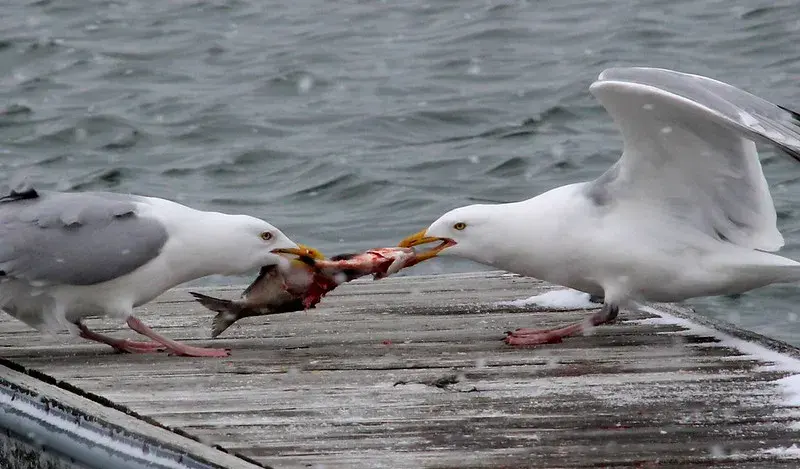
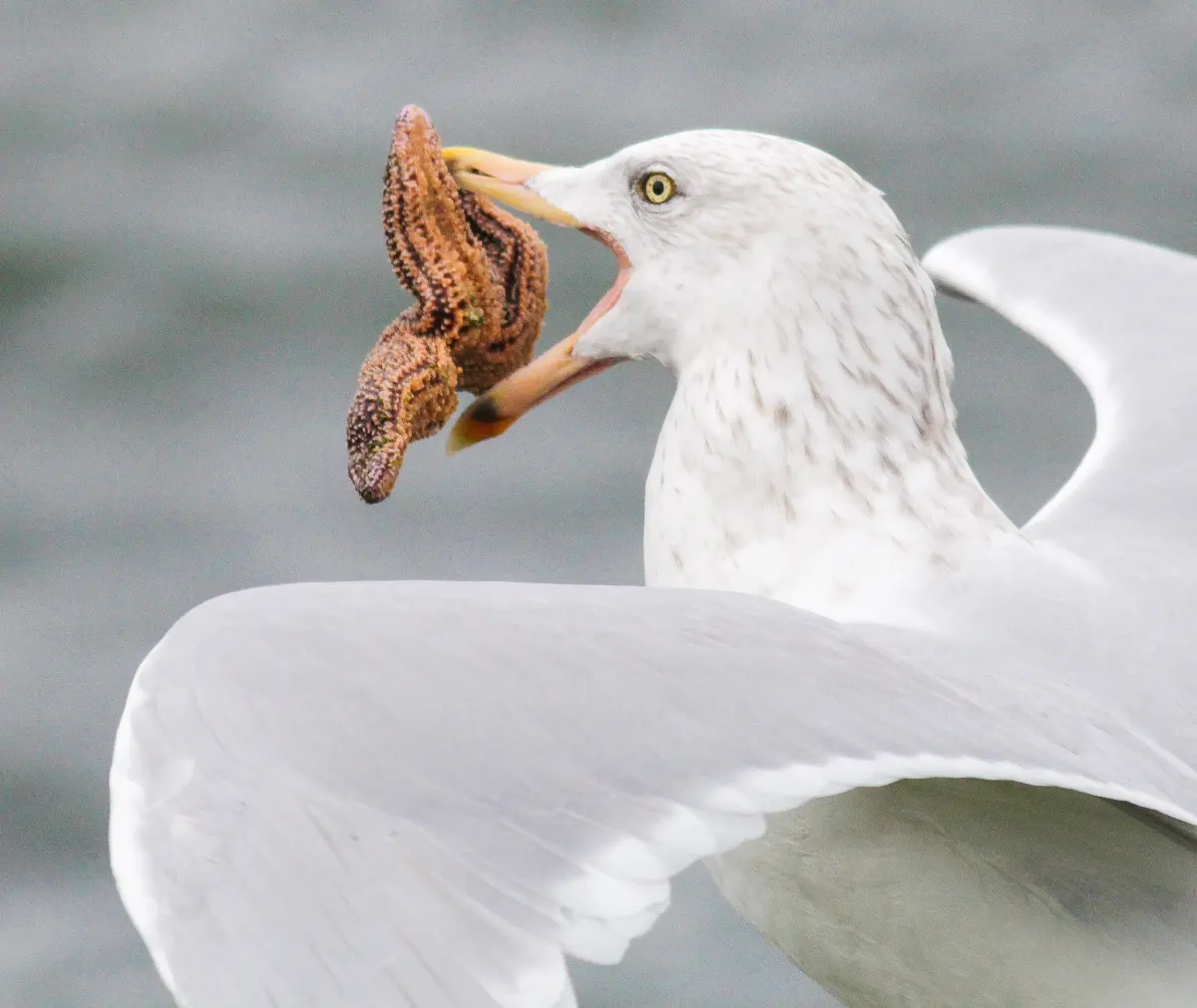
Seagulls, more accurately known as gulls, are natural predators and scavengers that rely on a diverse diet to survive in various ecosystems. In coastal regions, their primary food sources include small fish such as herring, sand eels, and capelin. They often forage in the intertidal zone, where they hunt for crabs, mussels, clams, and starfish. Gulls are known for their clever behavior of dropping hard-shelled mollusks onto rocks from a height to crack them open, allowing them to access the soft meat inside.
Beyond marine life, gulls living inland or near agricultural areas frequently consume earthworms, insects, and small rodents. During the spring, they are often seen following tractors in fields to feed on grubs and worms unearthed by plowing. This adaptability allows them to maintain stable populations even when specific coastal food sources become scarce. Their digestive systems are robust, enabling them to process a wide range of organic materials that would be indigestible to many other avian species.
How do seagulls scavenge human food?
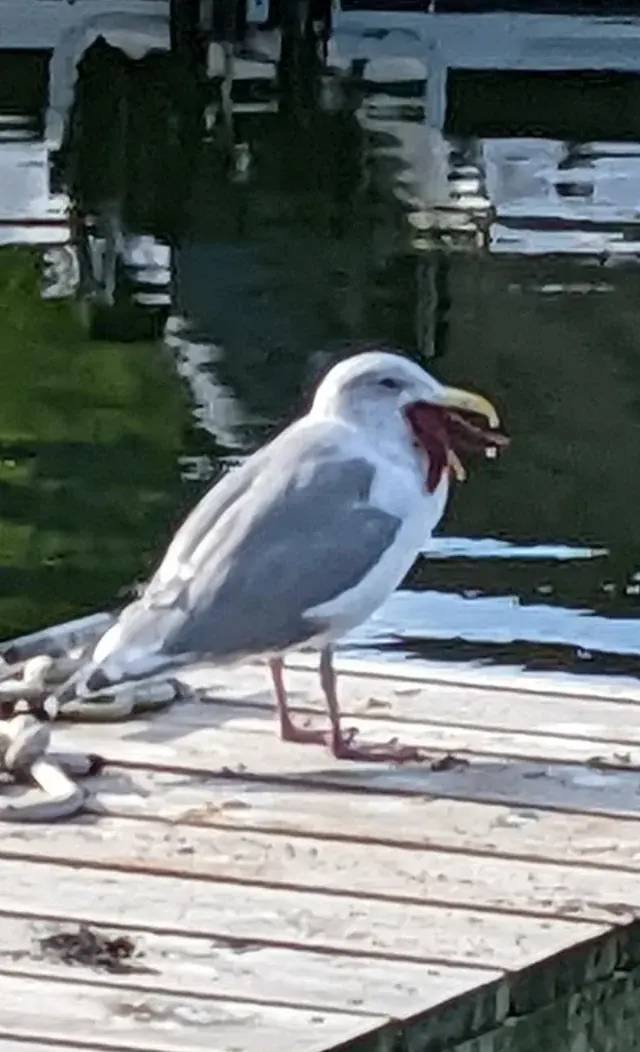
In urban and tourist-heavy environments, gulls have learned to exploit human activity as a consistent source of nutrition. They are highly observant birds that quickly identify patterns in human behavior, such as picnic times or the disposal of food waste at parks and beaches. Their diet in these areas often includes bread, french fries, discarded sandwiches, and various processed snacks. While these foods provide quick energy, they lack the essential nutrients required for long-term health.
The opportunistic nature of gulls makes them bold, leading them to approach humans directly for food. This behavior is reinforced when people intentionally feed them, which can alter the birds' natural foraging instincts. Experts note that reliance on human food can lead to health complications for gulls, including obesity and nutritional deficiencies. To mitigate these issues, many coastal municipalities have implemented strict waste management policies to prevent gulls from accessing trash bins, which serves to discourage scavenging in high-traffic pedestrian zones.
What are the nutritional needs of seagulls?
Gulls require a balanced intake of proteins, fats, and minerals to support their high-energy lifestyle, which involves significant amounts of flying and territorial defense. Protein is particularly crucial during the breeding season, as it supports the development of chicks and the maintenance of adult plumage. Fish and crustaceans provide high-quality protein and essential fatty acids, which are vital for maintaining the water-repellent properties of their feathers.
- Protein: Sourced from fish, crustaceans, insects, and small mammals.
- Minerals: Obtained from shells and bones, providing calcium for eggshell production.
- Fats: Derived from marine prey, essential for insulation and energy reserves.
- Vitamins: Acquired through a varied diet of plant matter, insects, and animal tissue.
When gulls are forced to rely on human refuse, they often miss out on these specific micronutrients. For example, a diet consisting primarily of white bread lacks the calcium and complex fats found in natural prey. Over time, this can lead to developmental issues in younger birds and reduced reproductive success for the colony.
Common mistakes when feeding seagulls
Many people mistakenly believe that feeding gulls is a harmless or helpful activity, but it often causes more harm than good. Providing food can lead to aggressive behavior, as birds compete for the easy meal. This aggression is not only dangerous for the birds, who may sustain injuries during fights, but it also creates a nuisance for humans. Furthermore, feeding gulls can cause them to abandon their natural hunting grounds, leading to an imbalance in the local ecosystem.
- Avoid feeding gulls processed human foods like bread, crackers, or chips, which offer little nutritional value.
- Do not encourage birds to approach you, as this habituates them to humans and increases the likelihood of human-wildlife conflict.
- Refrain from leaving food scraps on the ground, as this attracts pests like rats and mice alongside the gulls.
- Always dispose of food waste in wildlife-proof bins to ensure that birds cannot access human garbage.
By following these guidelines, you help preserve the natural foraging behaviors of the local gull population.
Why do seagulls have such a varied diet?
The evolutionary success of the gull family is largely attributed to their dietary flexibility, which allows them to thrive in environments ranging from remote islands to bustling city centers. This generalist strategy means they are not dependent on a single prey species, making them resilient to environmental changes or fluctuations in fish populations. When one food source declines, they can quickly pivot to another, ensuring their survival throughout the year.
Their intelligence plays a major role in this dietary variety, as they are capable of learning new techniques to access food. Whether it is learning to operate a trash bin lid or recognizing the sound of a food vendor’s cart, gulls demonstrate remarkable problem-solving skills. This cognitive ability, combined with their strong flight capabilities, allows them to travel long distances to find food when local resources are depleted. Ultimately, their ability to eat almost anything is the primary reason why seagulls remain one of the most widespread and successful bird groups on the planet today.
Key facts
- Seagulls are opportunistic omnivores that consume almost any organic matter, including fish, crustaceans, insects, and human food waste.
- They possess a specialized gland above their eyes that allows them to drink seawater by filtering out excess salt.
- Many species have learned to follow fishing boats to scavenge discarded fish remains or scraps thrown overboard.
- Seagulls frequently raid trash cans and landfills, as these sites provide a consistent and calorie-dense food source.
- They are known to steal food directly from the hands of humans, a behavior reinforced by people intentionally feeding them.
- Providing human food like bread or processed snacks is nutritionally poor for gulls and can lead to aggressive dependency.
The bottom line
Seagulls are highly opportunistic feeders that thrive by exploiting a wide variety of food sources, from marine life to human refuse. While their ability to adapt to urban environments is impressive, human interference through feeding often disrupts their natural foraging habits. To maintain healthy populations, it is best to avoid feeding them entirely, as this prevents aggressive behavior and ensures they rely on natural, nutrient-rich diets.
People also ask
Do seagulls eat other birds?
Yes, larger gull species, such as the Great Black-backed Gull, are known to prey on smaller birds, ducklings, and even the chicks of other gull species. They also frequently consume eggs found in ground-nesting colonies.
Is it safe to feed seagulls bread?
Feeding bread to seagulls is discouraged because it lacks essential nutrients and fills their stomachs without providing energy. This practice often leads to malnutrition and encourages nuisance behaviors near human gathering spots.
How do seagulls find food in urban areas?
Seagulls use their keen eyesight to spot discarded food items on sidewalks and in parking lots. They also rely on their intelligence to recognize patterns, such as the timing of restaurant trash pickups or picnic crowds.
Do seagulls eat starfish and crabs?
Yes, gulls frequently forage in tide pools and along shorelines for marine invertebrates. They often drop hard-shelled prey like crabs and mussels onto rocks from a height to crack them open.
Can seagulls survive on land without access to the ocean?
Many gull species are highly adaptable and thrive in inland environments like farms, golf courses, and cities. They find sufficient sustenance in these areas through earthworms, insects, rodents, and human-provided waste.
Why do seagulls regurgitate food?
Adult gulls often regurgitate partially digested food to feed their chicks at the nest. This allows them to transport high-quality nutrients over long distances back to their young.
This answer was created with the help of AI research tools and reference sources. Spotted an error? Let us know — we correct mistakes quickly. See our editorial policy.