Where do squirrels live?
Short answer
Squirrels live on every continent except Antarctica and Australia, occupying diverse habitats ranging from dense tropical rainforests to arid deserts and urban parks. They primarily reside in trees, burrows, or man-made structures, depending on the specific species. Their adaptability allows them to thrive in both wild forests and densely populated human environments.
On this page
Where do tree squirrels live?
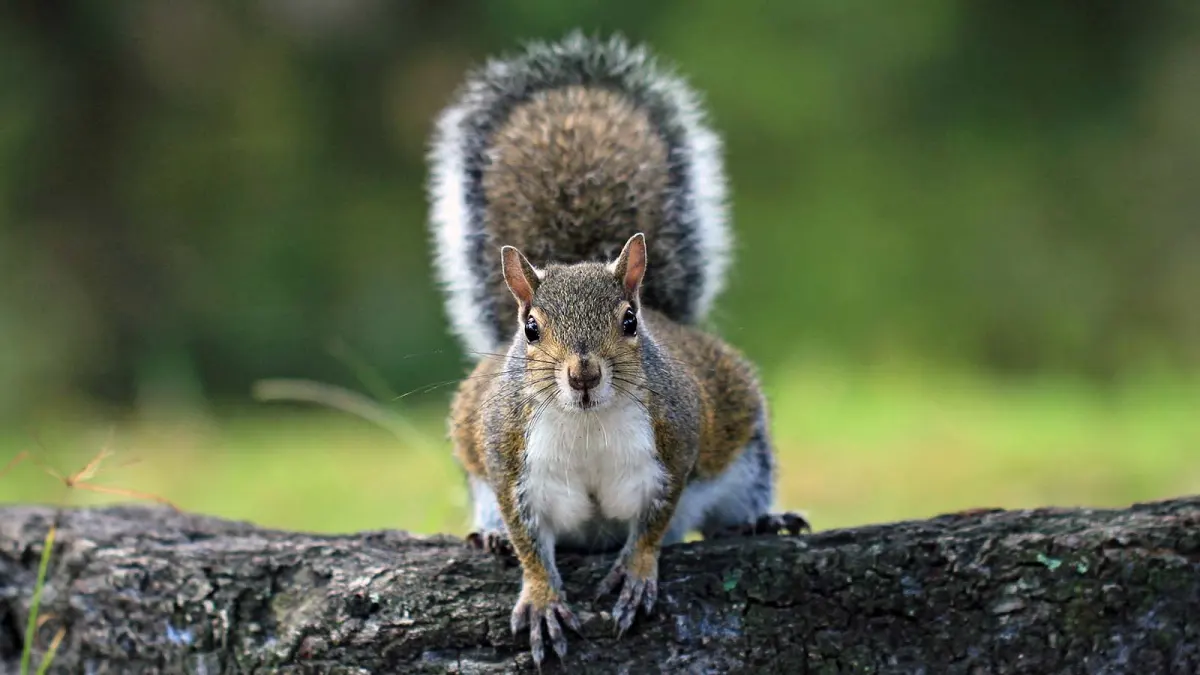
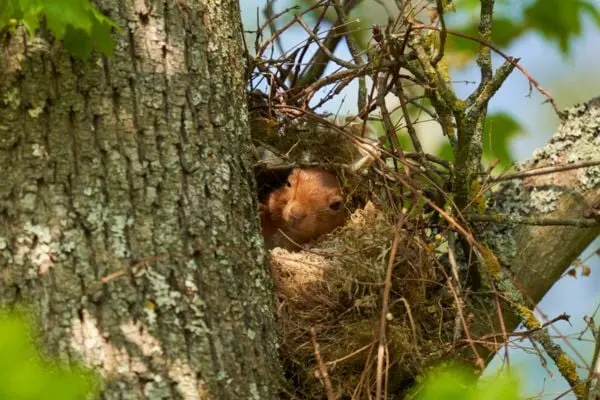
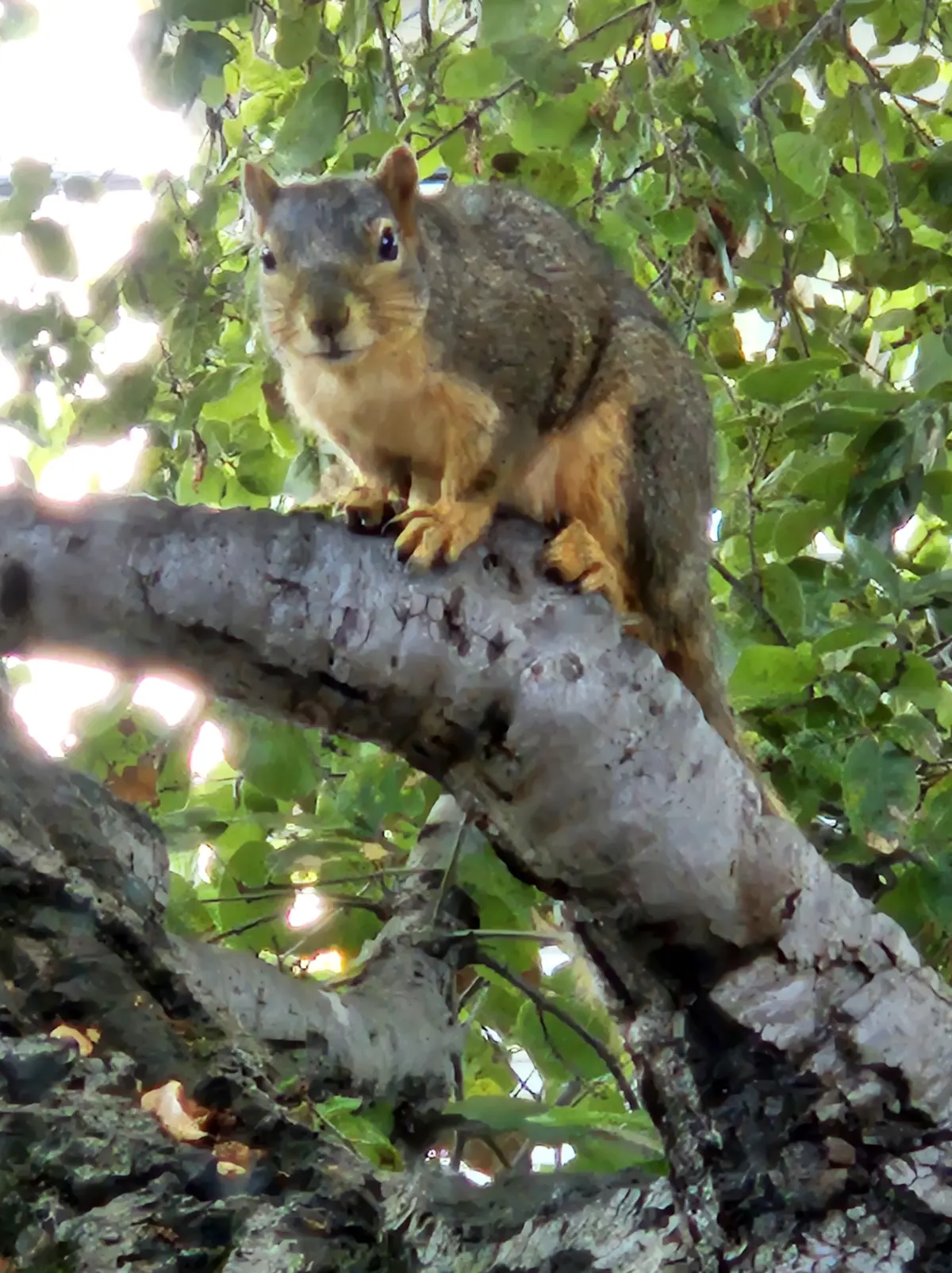
Tree squirrels, which include the common Eastern gray squirrel and the red squirrel, are primarily arboreal. They spend the majority of their lives in the canopy of deciduous and coniferous forests, where they construct nests known as dreys. These structures are built from twigs, leaves, and moss, typically positioned in the crotch of a tree or a hollow trunk to provide protection from predators and harsh weather.
These squirrels are highly territorial and often maintain multiple nests within their home range. They prefer mature forests that offer a reliable supply of nuts, seeds, and fruits. In urban settings, they have adapted to living in residential attics, chimneys, and crawl spaces, which they perceive as secure, hollowed-out tree cavities. Their ability to navigate vertical surfaces makes them exceptionally successful at colonizing human-built environments.
- Oak and hickory forests provide essential food sources.
- Coniferous forests offer year-round shelter and nesting materials.
- Urban parks mimic forest structures with scattered large trees.
- Suburban neighborhoods provide supplemental food and artificial nesting sites.
Where do ground squirrels live?
Unlike their tree-dwelling cousins, ground squirrels spend most of their time on or below the surface. They are expert excavators, digging complex burrow systems that consist of multiple entrances, sleeping chambers, and storage tunnels. These burrows are essential for thermoregulation, protecting the animals from extreme summer heat and winter frost. You will find them in open grasslands, prairies, and rocky mountain slopes.
Ground squirrels often live in colonies, which provides a collective defense mechanism against predators. By living in close proximity, they can sound alarms when a threat is detected. Their habitat is dictated by the soil type, as they require stable earth that will not collapse during heavy rains. In agricultural regions, they may inhabit the edges of fields, where they have easy access to crops and open ground for foraging.
- Scout for areas with loose, well-drained soil.
- Look for multiple burrow entrances spaced a few feet apart.
- Observe open fields where visibility is high for predator detection.
- Check rocky outcrops that offer crevices for additional protection.
How do flying squirrels choose their homes?
Flying squirrels are nocturnal mammals that inhabit mature forests with a mix of hardwood and softwood trees. They do not actually fly but glide between trees using a membrane called a patagium. Because they are active at night, they rely on tree cavities for safety during the day. They often take over abandoned woodpecker holes or natural rot pockets high above the ground to avoid land-based predators.
These squirrels are social creatures and frequently share dens during the winter months to conserve body heat. They are particularly fond of forests that contain a variety of nut-bearing trees, such as beech, maple, and oak. Because they are shy and rarely seen by humans, their presence is often only detected by the subtle scratching sounds they make on tree bark at night. They require large, interconnected forest tracts to move safely between foraging sites.
Common mistakes when identifying squirrel habitats
A frequent error is assuming that all squirrels live in trees. Many people overlook the presence of ground-dwelling species, leading to confusion when they see a squirrel emerging from a hole in the dirt. Another mistake is assuming that a squirrel’s nest is a bird’s nest. While both are built in trees, a drey is typically much larger, rounder, and constructed from loosely woven sticks and leaves, whereas bird nests are often more compact and lined with soft materials.
People also often assume that a squirrel living in their attic is a temporary visitor. In reality, once a squirrel identifies a structure as a safe, dry, and warm nesting site, it will likely return repeatedly. Failing to secure entry points effectively will result in the animal returning to the same spot to raise its young. Recognizing the difference between a temporary resting spot and a permanent den is crucial for understanding their behavior.
How to manage squirrels in your living space
If you find that squirrels have taken up residence in your home, the most effective approach is exclusion rather than removal. Start by identifying all possible entry points, such as gaps in the roofline, vents, or damaged soffits. Install one-way exclusion doors that allow the squirrels to exit the building to forage but prevent them from re-entering. This is a humane and practical way to encourage them to find a new home in a nearby tree.
Avoid using poisons or lethal traps, as these often lead to decaying carcasses in inaccessible areas of your walls or attic. Once you are certain the squirrels have vacated, seal all entry points with heavy-gauge steel mesh or metal flashing. It is also important to trim tree branches that hang within six to eight feet of your roof, as these serve as bridges for squirrels to access your structure. By removing their easy access, you force them to return to the natural forest environment where they belong.
Key facts
- Squirrels inhabit every continent except Antarctica and Australia.
- Tree squirrels build spherical nests called dreys from twigs, leaves, and moss.
- Ground squirrels, such as prairie dogs, excavate complex underground burrow systems.
- Most squirrel species prefer temperate forests, but some thrive in urban parks and gardens.
- Squirrels typically maintain multiple nests to evade predators and manage parasites.
- To keep squirrels out of your home, seal all entry points larger than two inches.
The bottom line
Squirrels are highly adaptable rodents that occupy diverse environments ranging from dense forests to suburban neighborhoods. While tree squirrels favor elevated nests constructed from vegetation, ground squirrels rely on intricate burrowing systems for protection. Understanding these nesting habits is essential for coexisting with them, as it helps homeowners secure their properties and appreciate the natural behaviors of these resourceful animals in their local ecosystems.
People also ask
Do squirrels hibernate during the winter?
Most tree squirrels remain active throughout winter, though they may sleep for days during extreme cold. Only a few species, such as the Arctic ground squirrel, undergo true hibernation.
How high do squirrels build their nests?
Tree squirrels usually construct their dreys 20 to 50 feet above the ground in the crotch of a tree. This height provides protection from land-based predators like cats and foxes.
Do squirrels reuse the same nest every year?
Yes, squirrels often renovate and reuse old nests for several seasons. They may also occupy abandoned bird nests if they are sturdy enough to support their weight.
Why do squirrels move their babies to different nests?
Mothers frequently relocate their litters to avoid predators or to manage infestations of fleas and mites. This behavior ensures the safety and health of the young during their vulnerable early weeks.
Can squirrels live in attics?
Squirrels often view attics as safe, dry, and warm alternatives to tree hollows. They can cause significant damage by chewing through electrical wiring, wood, and insulation.
How do ground squirrels survive in the desert?
Desert-dwelling squirrels survive by spending the hottest parts of the day deep within their cool, humid burrows. They also obtain most of their required moisture from the vegetation they consume.
This answer was created with the help of AI research tools and reference sources. Spotted an error? Let us know — we correct mistakes quickly. See our editorial policy.