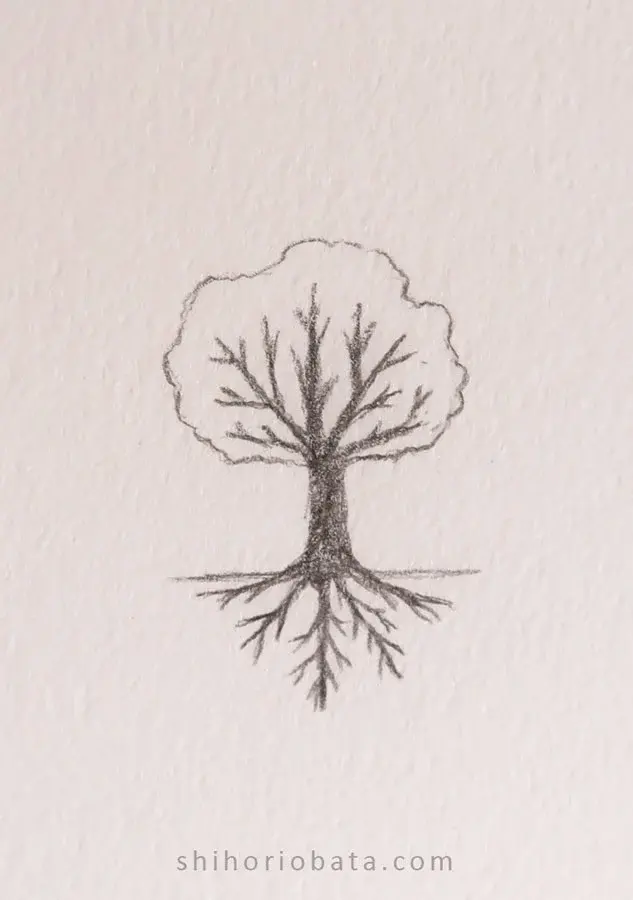
How do you shade trees?
Short answer
Shading trees involves selecting species with broad, dense canopies and strategically placing them on the south and west sides of your property. By blocking direct solar radiation before it hits your home, these trees reduce indoor temperatures, lower cooling costs, and create comfortable outdoor microclimates for your landscape and family.
On this page
How to choose the best shade trees for your yard
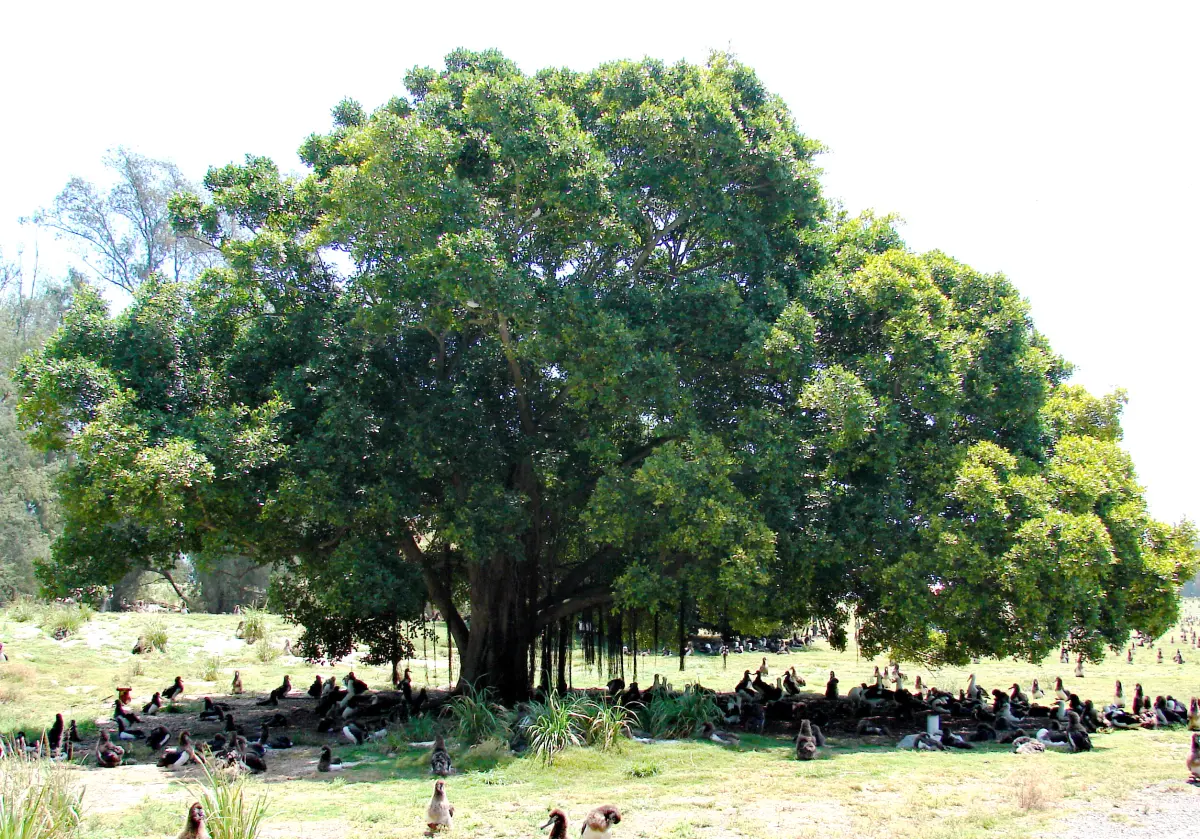
Selecting the right tree requires balancing your climate zone, soil type, and the mature size of the species. You must account for the tree's growth rate and its ultimate canopy spread to ensure it provides sufficient shade without damaging home foundations or utility lines. Deciduous trees are typically preferred for residential shade because they provide cooling cover during the summer while shedding leaves in the autumn to allow sunlight to warm your home during winter months.
When evaluating potential candidates, consider these top-performing species known for their longevity and canopy density:
- Red Oak (Quercus rubra): Known for rapid growth and a wide, rounded canopy.
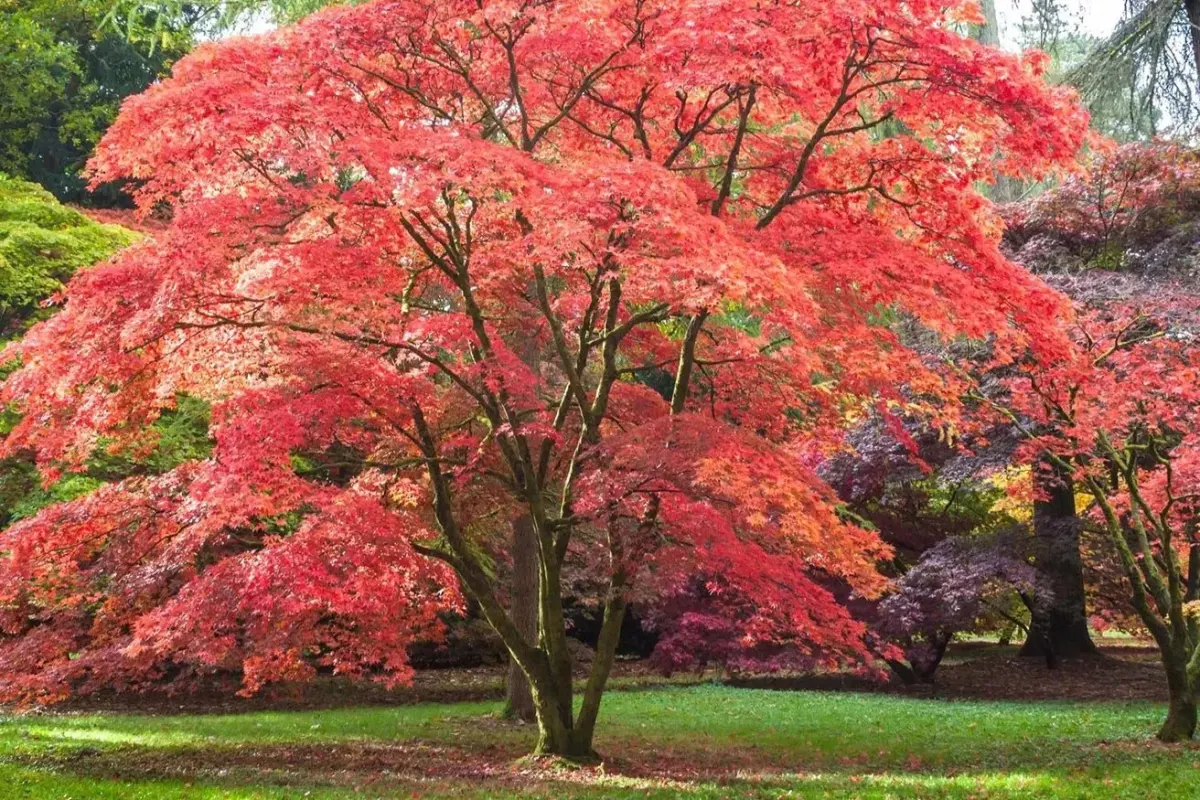
- Sugar Maple (Acer saccharum): Offers excellent shade and vibrant fall color in cooler climates.
- London Plane (Platanus × acerifolia): Highly adaptable to urban environments and pollution.
- Tulip Poplar (Liriodendron tulipifera): Grows tall quickly, providing high-level shade for larger properties.
Always check your local hardiness zone before purchasing. Planting a tree that is not suited for your specific temperature extremes will result in poor health, stunted growth, and a lack of the dense foliage required for effective shading.
Where to plant shade trees for maximum cooling
The most effective way to cool a building is to block the sun before it strikes walls or windows. In the Northern Hemisphere, the afternoon sun from the west and southwest is the most intense, making these areas the highest priority for tree placement. Planting a tree 10 to 20 feet from the west side of your home can reduce indoor temperatures by as much as 10 to 20 degrees Fahrenheit during peak summer heat.
Follow these steps to optimize your shading strategy:
- Identify the path of the sun across your property during the summer solstice.
- Mark areas where direct sunlight hits windows, patios, and air conditioning units.
- Select planting sites that align with these heat-absorbing zones.
- Ensure the tree is planted at least 15 feet away from the foundation to prevent root damage.
Avoid planting trees directly under power lines or too close to underground sewer pipes. By carefully mapping your yard's sun exposure, you ensure that the tree’s shade cast is utilized where it provides the most significant energy savings.
How long does it take for a tree to provide shade
The time required for a tree to become an effective shade provider depends heavily on the species and the quality of care it receives. Fast-growing trees, such as the Silver Maple or certain hybrid poplars, may begin providing noticeable shade within 5 to 10 years. However, these fast-growing varieties often have weaker wood and shorter lifespans compared to slower-growing hardwoods like Oaks or Beeches, which may take 15 to 25 years to reach a functional size.
To accelerate the development of a healthy canopy, focus on proper irrigation and soil nutrition during the first three years of the tree's life. Deep watering encourages roots to grow downward rather than just spreading along the surface, which stabilizes the tree and supports faster vertical growth. While the wait for a mature canopy can feel long, the long-term benefits of a sturdy, well-established hardwood far outweigh the temporary convenience of a fast-growing, fragile species that may require removal after only two decades.
Common mistakes when planting shade trees
A frequent error is planting a tree too deeply in the ground, which can cause the stem to rot and the roots to suffocate. You should always ensure the root flare—the point where the trunk widens at the base—is visible at or slightly above the soil line. Another common mistake is over-mulching; piling mulch against the trunk, often called "volcano mulching," traps moisture against the bark and invites pests, diseases, and fungal decay.
Avoid these pitfalls to ensure your tree thrives:
- Neglecting to prune for structure in the first few years, which leads to weak branch attachments.
- Planting in compacted soil without amending the area, which restricts root expansion.
- Failing to install a tree guard, allowing lawnmowers or string trimmers to damage the bark.
- Underestimating the mature width, leading to crowded branches that compete for light.
By avoiding these simple mistakes, you protect your investment and ensure the tree reaches its full potential as a natural cooling system for your home.
Why tree maintenance is essential for shade
Regular maintenance is the key to ensuring your tree remains a safe and effective cooling asset for decades. As a tree matures, it requires periodic structural pruning to remove dead, diseased, or crossing branches that could become hazards during high winds. Proper pruning also encourages the tree to direct its energy into developing a fuller, more symmetrical canopy, which maximizes the amount of shade cast over your property.
In addition to pruning, monitor your tree for signs of nutrient deficiency or pest infestation, such as yellowing leaves or unusual sap flow. During periods of extreme drought, even established trees benefit from deep-root watering, as heat stress can cause premature leaf drop, effectively destroying your shade cover exactly when you need it most. By treating your tree as a living piece of infrastructure, you ensure it continues to provide cooling, improve air quality, and increase your property value for many years to come.
Key facts
- Deciduous trees provide summer shade but allow sunlight through in winter after dropping their leaves.
- Planting a tree on the south or west side of a house can reduce indoor air conditioning costs by up to 30 percent.
- Strategic placement of a single large shade tree can lower surrounding air temperatures by as much as 9 degrees Fahrenheit.
- Proper tree selection requires matching the species to your specific hardiness zone to ensure long-term survival.
- Young trees require deep, infrequent watering to encourage the root systems necessary to support a large, cooling canopy.
- Avoid planting large shade trees within 10 feet of foundations or sewer lines to prevent structural damage from aggressive root growth.
The bottom line
Choosing the right shade tree involves balancing growth rate, mature size, and local climate compatibility. By planting strategically on the sunny sides of your property, you create a natural cooling system that lowers energy costs and improves outdoor comfort. Consistent care, particularly regular watering during the first few years, ensures your tree matures into a healthy, long-lasting asset that provides shade for decades to come.
People also ask
How far from a house should I plant a shade tree?
You should generally plant large shade trees at least 15 to 20 feet away from your home. This distance prevents branches from damaging the roof and keeps roots from interfering with the foundation.
Which trees grow the fastest for quick shade?
Species like the hybrid poplar, silver maple, or weeping willow are known for rapid growth. However, these fast-growers often have brittle wood that breaks easily in storms compared to slower-growing oaks or maples.
Do I need to prune my shade tree every year?
Most mature shade trees only require pruning every three to five years to remove dead or crossing branches. Young trees may need structural pruning to establish a strong central leader during their first few years.
Can trees really lower my energy bills?
Yes, trees act as natural air conditioners by providing shade and releasing moisture through a process called evapotranspiration. Studies by the U.S. Department of Energy show that properly placed trees can significantly reduce summer cooling expenses.
What is the best time of year to plant a new tree?
The best times to plant are during the dormant seasons, typically in early spring or late autumn. Planting during these cooler periods allows the tree to establish roots before the heat of summer or the freezing temperatures of winter.
Why are the leaves on my shade tree turning brown?
Browning leaves, or leaf scorch, often result from inadequate water or extreme heat stress. Ensure the tree receives deep watering during dry spells to help it maintain its canopy and health throughout the season.
This answer was created with the help of AI research tools and reference sources. Spotted an error? Let us know — we correct mistakes quickly. See our editorial policy.