How do you photograph flowers?
Short answer
Photographing flowers requires mastering soft, natural lighting, precise focus, and thoughtful composition. Use a macro lens or a telephoto zoom to isolate your subject, ensuring the background remains uncluttered. By controlling your depth of field and choosing the right time of day, you can capture the intricate textures and vibrant colors of blooms.
On this page
How to choose the best lighting for flower photography
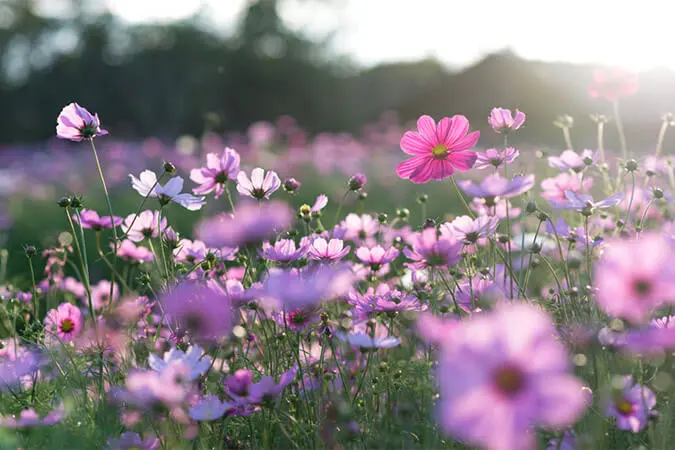
Lighting is the most critical element when documenting botanical subjects. Harsh, direct sunlight creates high-contrast shadows that obscure delicate petal details and wash out vibrant colors. The best time to photograph flowers is during the "golden hour," shortly after sunrise or just before sunset, when the light is warm and diffused. Alternatively, overcast days provide a natural softbox effect, creating even, shadowless illumination that highlights textures.
If you are shooting in bright midday sun, consider using a portable diffuser to soften the light. You can also use a reflector to bounce light into shadowed areas of the flower, ensuring the center is as well-lit as the edges. Avoid using an on-camera flash, as it often creates flat, artificial images that lack depth. Instead, prioritize natural light to maintain the organic, three-dimensional quality of the petals.
What equipment do you need for macro flower shots
While you can photograph flowers with any camera, specific gear helps achieve professional results. A macro lens is the industry standard, typically ranging from 60mm to 105mm, allowing for a 1:1 reproduction ratio. This enables you to focus extremely close to the subject, capturing tiny details like pollen grains or dew drops that are invisible to the naked eye.
- Use a sturdy tripod to eliminate camera shake, which is magnified at high magnification.
- Employ a remote shutter release or the camera’s self-timer to prevent vibrations when pressing the button.
- Keep a spray bottle of water nearby to add artificial dew, which enhances the visual interest of the petals.
- Carry a small piece of dark or neutral-colored cardstock to place behind the flower, creating a clean, distraction-free backdrop.
How to compose a professional flower photograph
Composition determines the emotional impact of your image. Rather than shooting from eye level, try changing your perspective to get closer to the flower's height. This creates a more intimate connection with the subject and allows you to isolate the flower against a distant, blurred background. Use the rule of thirds by placing the center of the flower or its most prominent feature off-center to create a balanced, dynamic composition.
Pay close attention to the background, as busy foliage can distract from the main subject. A wide aperture, such as f/2.8 or f/4, will produce a shallow depth of field, effectively blurring the background and making the flower pop. If the background remains cluttered, physically move the flower or use a piece of fabric to create a solid, non-distracting canvas. Always check the edges of your frame to ensure no stray leaves or stems are poking into the shot unexpectedly.
Common mistakes when photographing flowers
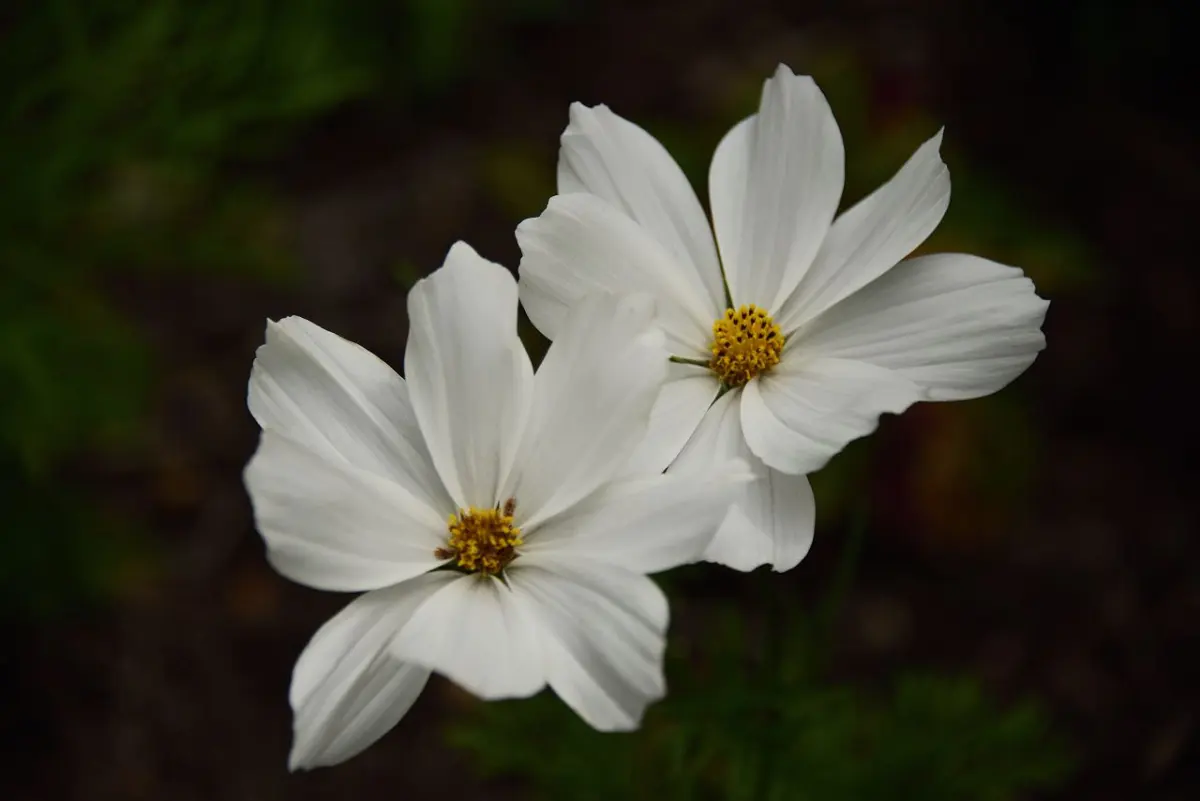
One of the most frequent errors is failing to focus on the correct part of the flower. The eye is naturally drawn to the sharpest part of an image, which should be the stamen or the center of the bloom. If the focus is on the outer petals, the image will feel soft and unanchored. Use manual focus mode to ensure your focal plane is exactly where you intend it to be, especially when working with very thin depths of field.
Another common mistake is neglecting the wind. Even a slight breeze can cause a flower to sway, leading to motion blur in your images. To combat this, use a "plamp," a flexible arm that holds the stem steady, or simply block the wind with your body. Avoid shooting on windy days if possible, or increase your shutter speed to at least 1/500th of a second to freeze the motion. Finally, avoid over-saturating your colors during post-processing, as this often leads to a loss of detail in the highlights.
How to capture textures and details in flowers
To capture the intricate beauty of a flower, focus on the interplay of light and texture. Macro photography is not just about magnification; it is about revealing the hidden architecture of nature. Look for the veins in a petal, the velvet texture of a leaf, or the complex patterns in the heart of a blossom. Side-lighting is particularly effective here, as it creates small shadows that emphasize the three-dimensional form and texture of the plant.
Experiment with different angles to see how light interacts with the surface of the flower. Some petals are translucent, meaning they glow beautifully when backlit by the sun. Others are opaque and benefit from front or side lighting to show their color and shape. By varying your approach and paying close attention to these small details, you will elevate your work from simple snapshots to compelling botanical studies that capture the essence of the natural world.
Key facts
- Use a macro lens with a focal length between 60mm and 105mm to capture fine details and textures.
- Shoot during the "golden hour," shortly after sunrise or before sunset, to avoid harsh, direct sunlight.
- Set your aperture to f/2.8 or f/4 to create a shallow depth of field, which beautifully blurs the background.
- Use a tripod to eliminate camera shake, especially when working with slow shutter speeds or high magnification.
- Place a reflector or a piece of white foam board opposite the light source to fill in deep shadows on the petals.
- Spray a fine mist of water onto the flower to simulate morning dew and add a sense of freshness.
The bottom line
Successful flower photography relies on controlling light and managing depth of field to isolate your subject. By choosing soft, natural lighting, using a tripod for stability, and carefully composing your frame to remove distractions, you can capture professional-grade images. Focus on the intricate textures and colors of the petals, and do not hesitate to experiment with different angles to find the most compelling perspective.
People also ask
What is the best camera setting for sharp flower photos?
Use a low ISO setting, such as 100 or 200, to minimize digital noise. Pair this with a narrow aperture like f/8 or f/11 if you want both the foreground and background of the flower to appear in focus.
How can I prevent wind from blurring my flower shots?
Use a "plamp," a flexible arm that clips onto the flower stem to hold it steady. Alternatively, use a faster shutter speed of at least 1/250th of a second to freeze any slight movement.
Should I use a flash when photographing flowers outdoors?
A flash can be useful to brighten shadows, but it often looks unnatural. If you must use one, attach a diffuser to soften the light and prevent harsh highlights on the petals.
How do I make the background look blurry?
Use a longer focal length and get as close to your subject as possible while keeping the background far away. A wider aperture, represented by a smaller f-number, will also increase the background blur.
Is it better to photograph flowers in the shade or sun?
Open shade is generally superior because it provides soft, even lighting without high-contrast shadows. Direct sunlight often washes out colors and creates distracting, overexposed spots on the petals.
What is the most common mistake beginners make?
Many beginners forget to check the background for distracting elements like bright trash or messy foliage. Always scan the entire frame to ensure the background complements the flower rather than competing with it.
This answer was created with the help of AI research tools and reference sources. Spotted an error? Let us know — we correct mistakes quickly. See our editorial policy.