How do you photograph autumn leaves?
Short answer
Photographing autumn leaves requires soft, diffused lighting and a keen eye for contrast. Focus on capturing vibrant colors by shooting during the "golden hour" or on overcast days to avoid harsh shadows. Use a polarizing filter to reduce glare on foliage and experiment with macro lenses to highlight intricate leaf textures.
On this page
How to choose the best lighting for fall foliage
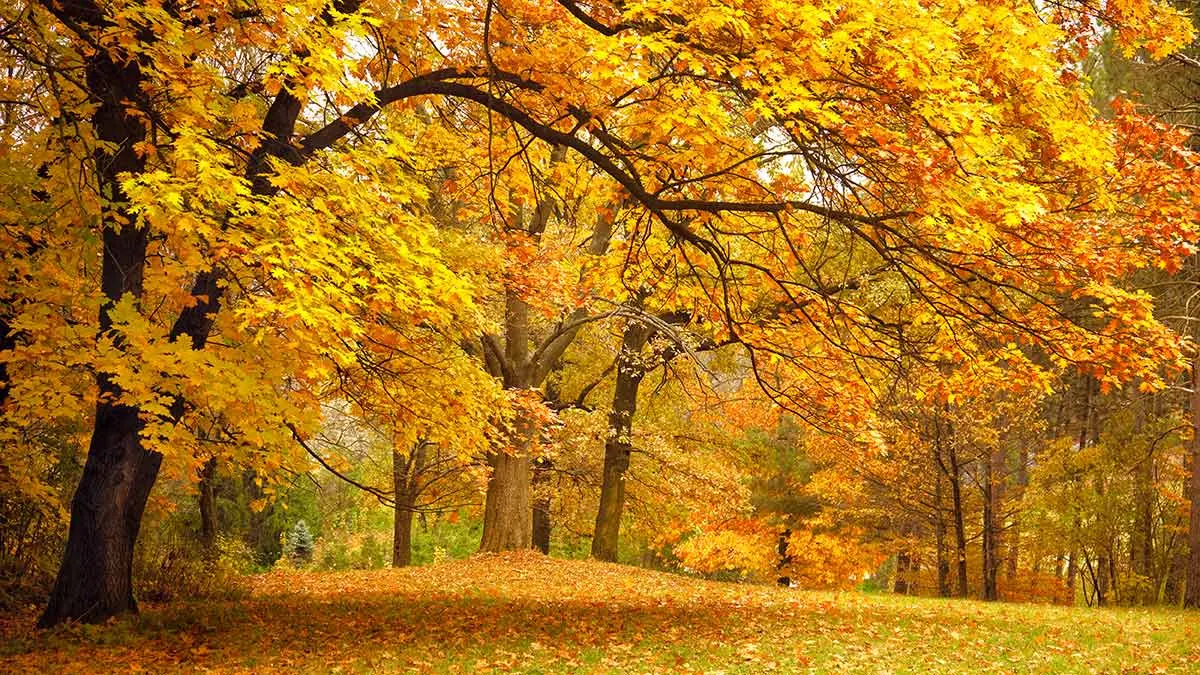
The quality of light is the most critical factor when photographing autumn leaves. Direct, midday sunlight often creates high-contrast shadows that wash out the subtle hues of red, orange, and yellow. Instead, aim to shoot during the golden hour, which occurs shortly after sunrise or before sunset. The low angle of the sun provides a warm, directional glow that enhances the saturation of the leaves and creates a soft, inviting atmosphere.
On cloudy or overcast days, the sky acts as a giant softbox, diffusing the light and eliminating harsh shadows. This environment is ideal for capturing the fine details of individual leaves or dense forest floors. If you are shooting in a forest, look for "light shafts" that pierce through the canopy, as these can add a dramatic, ethereal quality to your images. Avoid shooting in bright, harsh noon light, as it often results in flat colors and distracting highlights on waxy leaf surfaces.
Best camera settings for vibrant colors
Achieving professional-looking results requires careful control of your camera's settings. Start by setting your ISO as low as possible, typically ISO 100 or 200, to ensure maximum image clarity and minimal digital noise. Use a narrow aperture, such as f/8 or f/11, if you want to keep the entire landscape in focus. If you are isolating a single leaf, open your aperture to f/2.8 or f/4 to create a shallow depth of field that blurs the background and makes the subject pop.
- Set your White Balance to "Cloudy" or "Shade" to add warmth to your images, even if the sun is out.
- Use a tripod to maintain sharpness when using a slow shutter speed in low light.
- Shoot in RAW format to retain the maximum amount of color data for post-processing.
- Utilize a polarizing filter to cut reflections on wet leaves and deepen the blue sky contrast.
How to compose compelling autumn photos
Composition is the difference between a snapshot and a work of art. Instead of simply pointing your camera at a tree, look for patterns, lines, and textures that draw the viewer's eye into the frame. Using the "rule of thirds" is a reliable way to balance your image; place the most vibrant cluster of leaves along one of the grid lines rather than dead center. You can also use fallen leaves as a foreground element to provide depth to a wider landscape shot.
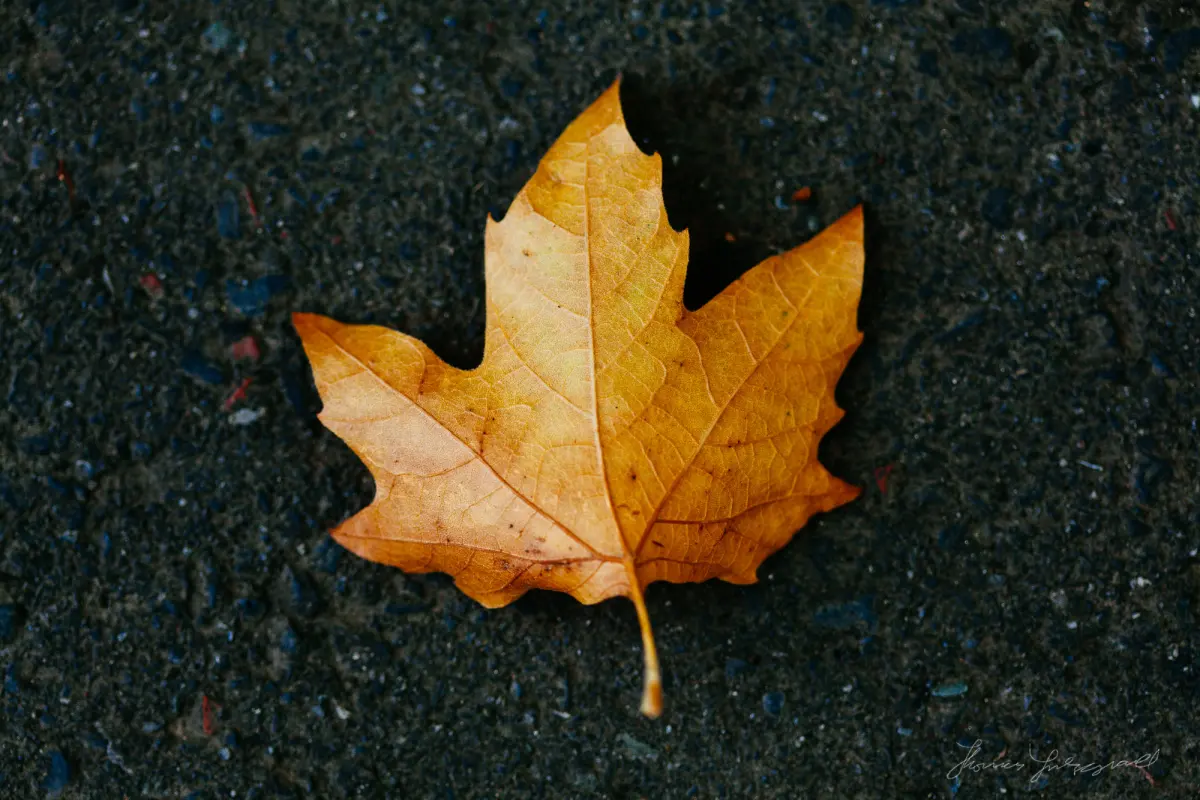
Perspective is equally important when working with autumn themes. Try getting low to the ground to capture a carpet of fallen leaves, or look straight up into the canopy to create a geometric pattern of branches and colors. If you find a stream or a body of water, use it as a leading line to guide the viewer toward the colorful trees in the background. Experimenting with different angles will help reveal the unique character of the season.
Common mistakes when photographing leaves
Many photographers struggle with over-saturating their images during the editing process, which can make the colors look artificial and garish. A common mistake is pushing the "vibrance" or "saturation" sliders too far, causing the reds and oranges to lose their natural texture. Always aim for a natural look that reflects what you saw with your own eyes. Another frequent error is ignoring the background, which can lead to cluttered images filled with distracting branches, trash, or unwanted man-made structures.
- Neglecting to clean your camera lens, which can result in blurry or hazy images.
- Shooting only at eye level, which often leads to repetitive and uninspired compositions.
- Forgetting to check the wind conditions; even a slight breeze can cause motion blur in your foliage shots.
- Overexposing the highlights, which causes bright yellow and orange leaves to lose their detail and turn into flat white blobs.
Why timing matters for peak foliage
The peak of autumn foliage is a fleeting window that typically lasts only one to two weeks in any given region. Factors such as altitude, latitude, and local weather patterns dictate when the leaves will reach their most vibrant state. In North America, the process often begins in early September in northern areas like Maine or the Rocky Mountains and moves southward through late October or early November. Monitoring local foliage reports can help you plan your excursions to coincide with the height of the color change.
Temperature plays a vital role in the intensity of the colors. A series of warm, sunny days followed by cool, crisp nights encourages the production of anthocyanins, which are responsible for brilliant red and purple hues. If the autumn season is too warm or experiences heavy rainfall and wind, the leaves may drop prematurely before reaching their peak color. Being patient and flexible with your schedule is essential, as the best light and the best color rarely align perfectly without some degree of persistence.
Key facts
- Use a circular polarizing filter to remove glare from glossy leaf surfaces and deepen color saturation.
- Shoot during the "golden hour," the period shortly after sunrise or before sunset, for soft, warm directional light.
- Choose an overcast day to achieve even, shadowless lighting that prevents harsh contrast on colorful foliage.
- Set your aperture between f/8 and f/11 to ensure the entire leaf or cluster remains in sharp focus.
- Utilize a macro lens or a telephoto lens with a short minimum focus distance to isolate individual leaves from distracting backgrounds.
- Experiment with backlighting by positioning yourself so the sun shines through the leaves, revealing intricate vein patterns and translucency.
The bottom line
Capturing the essence of autumn requires a blend of technical precision and artistic intuition. By utilizing soft, natural light, choosing the right aperture for depth, and carefully isolating your subject, you can transform simple foliage into a striking visual narrative. Remember to experiment with different angles and weather conditions, as the shifting light of the season offers endless opportunities to document the vibrant beauty of nature.
People also ask
What is the best camera setting for capturing fall colors?
Use a low ISO, such as 100 or 200, to minimize digital noise and maintain maximum image clarity. Pair this with a narrow aperture like f/11 to keep the depth of field deep enough to capture the texture of the foliage.
Should I use a tripod for autumn landscape photography?
A tripod is essential if you are shooting in low light or using a slow shutter speed to capture movement in falling leaves. It ensures your camera remains perfectly still, preventing blur and allowing for sharper, more professional compositions.
How do I make the colors of autumn leaves pop in a photo?
Adjust the white balance to "cloudy" or "shade" settings to introduce warmer, golden tones into your images. You can also slightly increase the vibrance or saturation during post-processing to emphasize the reds, oranges, and yellows.
What is the most common mistake when photographing autumn leaves?
The most frequent error is including too much clutter, such as messy branches or distracting sky, in the frame. Focus on isolating a single subject or a specific pattern to create a cleaner, more impactful composition.
Is it better to photograph leaves on the tree or on the ground?
Both offer unique opportunities; leaves on the tree provide context and scale, while fallen leaves allow for intimate, detailed shots of textures and shapes. Try to capture a mix of both to tell a complete story of the season.
How can I add a sense of motion to my autumn photos?
Use a slower shutter speed, such as 1/15th of a second, to capture the blur of wind-blown leaves. This technique creates a dynamic, artistic effect that conveys the feeling of a crisp, breezy autumn day.
This answer was created with the help of AI research tools and reference sources. Spotted an error? Let us know — we correct mistakes quickly. See our editorial policy.