How long do ravens live?
Short answer
Common ravens typically live 10 to 15 years in the wild, though many individuals do not survive their first year due to predation and starvation. In captivity, where they are protected from environmental hazards and provided with consistent nutrition, ravens can live significantly longer, often reaching 30 to 40 years of age.
On this page
How long do ravens live in the wild?
In their natural habitat, the life expectancy of a common raven is heavily influenced by environmental pressures. While they are highly intelligent and adaptable birds, the first year of life is the most perilous. Many fledglings fail to secure enough food or fall prey to larger raptors, such as golden eagles or great horned owls. Those that survive the initial period of vulnerability generally reach adulthood, where they face risks from disease, territorial disputes, and human-related hazards like vehicle collisions.
Under ideal conditions, a healthy adult raven in the wild may live for 15 years or more. Their survival is bolstered by their complex social structures and their ability to scavenge a wide variety of food sources. Because they are opportunistic omnivores, they are not strictly reliant on a single prey item, which helps them maintain weight during harsh winters. However, the lack of medical intervention and the constant exposure to extreme weather ensure that wild lifespans remain significantly shorter than those of their captive counterparts.
How long do ravens live in captivity?
When kept in controlled environments such as zoos, wildlife rehabilitation centers, or sanctuaries, ravens often live double or triple the length of their wild counterparts. Without the constant threat of predators and with access to high-quality, consistent nutrition, these birds frequently thrive well into their third or fourth decade. Records indicate that some individual ravens have lived for over 40 years, demonstrating the species' inherent longevity when physiological stress is minimized.
The primary factors contributing to this extended lifespan include:
- Consistent access to veterinary care for early detection of avian illnesses.
- A balanced diet that prevents the nutritional deficiencies common in scavenging.
- Protection from extreme weather events and environmental toxins.
- Reduced physical exertion required for foraging and territorial defense.
While captive environments provide safety, they also require significant mental stimulation to prevent behavioral issues. Because ravens are exceptionally intelligent, they require enrichment to maintain their health and longevity.
Why do ravens live so long?
The longevity of the common raven is largely attributed to its high level of intelligence and complex social behavior. Ravens are members of the corvid family, a group known for advanced cognitive abilities, including problem-solving, tool use, and long-term memory. These traits allow them to navigate complex social hierarchies and identify reliable food sources, which directly contributes to their ability to survive in diverse and challenging climates.
Their social nature also plays a critical role in their survival. Ravens often form strong pair bonds and may cooperate with other members of their species to defend territory or share information about food locations. By living in groups or pairs, they can better protect themselves and their offspring from threats. This cooperative strategy reduces the individual burden of survival, allowing them to conserve energy and avoid dangerous situations that might otherwise lead to premature death.

Common mistakes when observing ravens
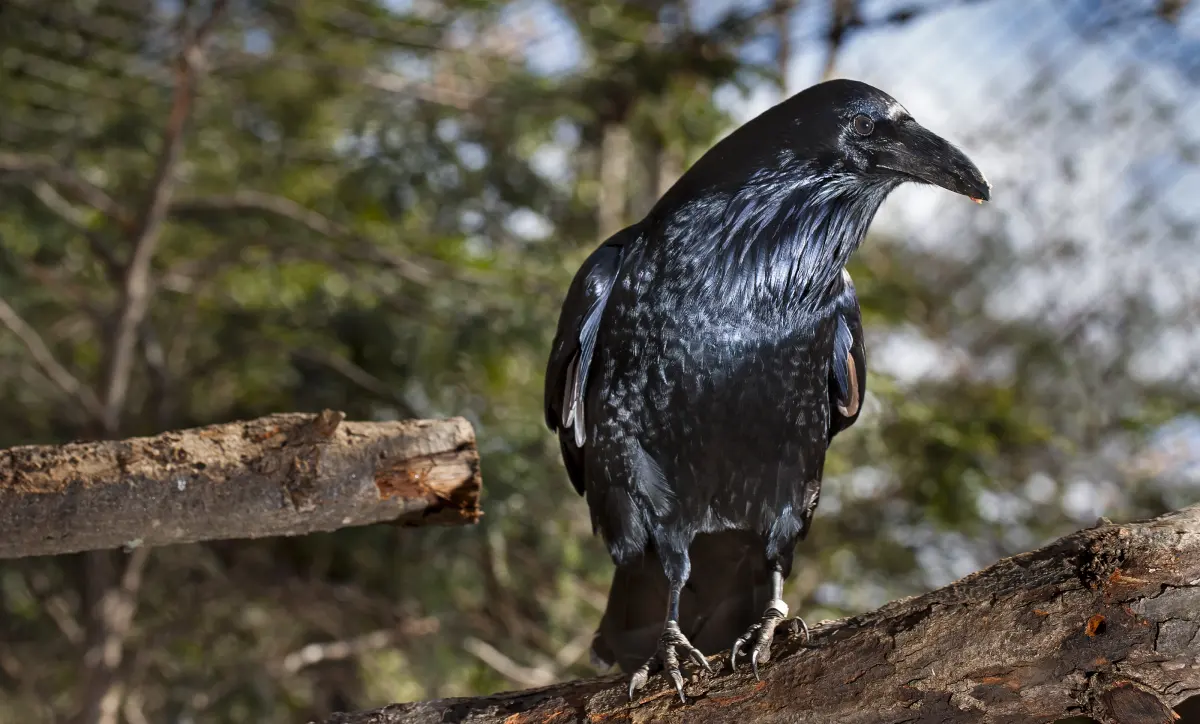
Many people mistakenly assume that all large black birds are ravens, often confusing them with the American crow. Identifying these birds correctly is the first step in understanding their life history and behavior. A common error is failing to notice the raven’s larger size, thicker bill, and shaggy throat feathers, which distinguish it from the smaller, sleeker crow. Misidentification can lead to incorrect assumptions about the bird's age or status in a local population.
Another frequent mistake is attempting to feed wild ravens. While it may seem helpful, providing food can lead to several negative outcomes:
- It disrupts the bird’s natural foraging behaviors and survival skills.
- It can attract ravens to dangerous areas, such as busy roads or parking lots.
- It may cause the birds to become overly habituated to humans, increasing the risk of conflict.
- It can lead to nutritional imbalances if the food provided is not appropriate for their dietary needs.
How to support healthy raven populations
Supporting local raven populations is best achieved through habitat conservation rather than direct interaction. Protecting large, mature trees and open nesting sites ensures that these birds have the space required to raise their young safely. Because ravens are sensitive to environmental changes, maintaining clean water sources and reducing the use of pesticides in the local ecosystem can significantly improve their overall health and reproductive success.
If you find a raven that appears to be injured or in distress, the most responsible action is to contact a licensed wildlife rehabilitator. Do not attempt to capture or treat the bird yourself, as ravens have powerful beaks and can cause significant injury. Professional rehabilitators have the training and equipment necessary to provide appropriate medical care, which is the only way to ensure the bird has a chance at recovery and a full, natural lifespan in the wild.
Key facts
- Wild common ravens typically live between 10 and 15 years in their natural habitat.
- Captive ravens often live significantly longer, frequently reaching 30 to 40 years due to consistent nutrition and veterinary care.
- The oldest recorded wild raven lived to be 22 years and 7 months old, according to bird banding data.
- High juvenile mortality is common, as many young ravens do not survive their first year due to predation and food scarcity.
- Avoid feeding wild ravens human food scraps, as processed items can cause nutritional deficiencies and shorten their lifespan.
- If you find an injured raven, do not attempt to keep it as a pet; contact a licensed wildlife rehabilitator immediately.
The bottom line
While wild common ravens typically survive for 10 to 15 years, their intelligence and social structures allow them to thrive in diverse environments. Captivity can double or triple this lifespan, but wild birds remain vulnerable to environmental hazards and predation. Understanding that these birds are not centenarians helps clarify common misconceptions, highlighting the importance of protecting their natural habitats to ensure their continued survival in the wild.
People also ask
Can ravens live for 100 years?
No, the claim that ravens live for a century is a myth. While they are long-lived birds, their physiological limit is closer to four decades under optimal captive conditions.
What is the biggest threat to a raven's lifespan?
Predation, habitat loss, and human-related hazards like vehicle collisions and power line accidents are the primary threats. Young birds are particularly vulnerable during their first year of independence.
Do ravens mate for life?
Yes, common ravens are generally monogamous and often stay with the same partner for many years. This stable social bond helps them defend territories and raise offspring more effectively.
How can you tell the age of a raven?
It is difficult to determine the exact age of an adult raven by sight alone. Researchers use leg bands or specific feather wear patterns to estimate age in wild populations.
Do male and female ravens live the same amount of time?
There is no significant evidence suggesting a major difference in lifespan between the sexes. Both males and females face similar environmental pressures and survival challenges in the wild.
Are ravens smarter than other birds?
Ravens possess high levels of intelligence and complex problem-solving abilities, which help them survive longer by finding food and avoiding danger. This cognitive capacity is a major factor in their evolutionary success.
This answer was created with the help of AI research tools and reference sources. Spotted an error? Let us know — we correct mistakes quickly. See our editorial policy.