How long do bald eagles live?
Short answer
Bald eagles typically live 20 to 30 years in the wild. While some individuals have reached their mid-30s in natural habitats, captive eagles can occasionally live into their 40s or even 50s due to consistent nutrition and veterinary care. Survival rates are lowest during their first year of life before reaching adulthood.
On this page
How long do bald eagles live in the wild?
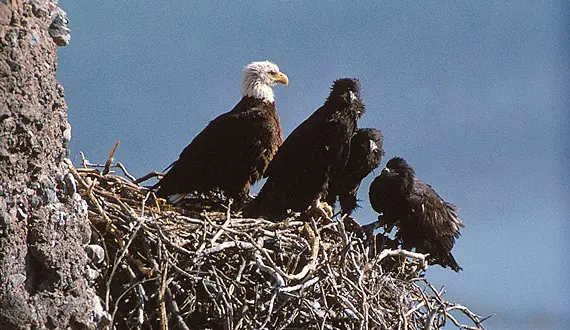
In their natural environment, bald eagles face numerous challenges that impact their overall longevity. While they are apex predators with few natural enemies, the first year of life is particularly precarious, with nearly 50 percent of fledglings failing to survive their first winter. Those that successfully navigate the transition to independence often live between 20 and 30 years.
Several factors influence this lifespan, including the availability of prey, competition for nesting territory, and environmental conditions. Eagles that establish a stable territory with proximity to reliable food sources, such as fish-rich rivers or coastal areas, are more likely to reach the upper end of that age range. Because they are long-lived birds, they invest significant energy into raising relatively few offspring over their lifetime.
Why do captive eagles live longer?
Bald eagles kept in captivity, such as those in zoos or wildlife rehabilitation centers, often live significantly longer than their wild counterparts. Protected from starvation, extreme weather, and the physical toll of territorial defense, these birds frequently survive into their 40s. The oldest recorded captive bald eagle lived to be 50 years old, demonstrating the impact of human intervention.
The primary advantages provided in captivity include:
- Consistent access to high-quality, disease-free food sources.
- Immediate medical attention for injuries or infections.
- Protection from anthropogenic hazards like lead poisoning or vehicle collisions.
- Controlled environments that eliminate the need for dangerous migration.
Despite these benefits, captivity is rarely an ideal state for a healthy eagle. Wildlife professionals only keep these birds when they are permanently injured and cannot survive independently in the wild.
What factors affect eagle survival rates?
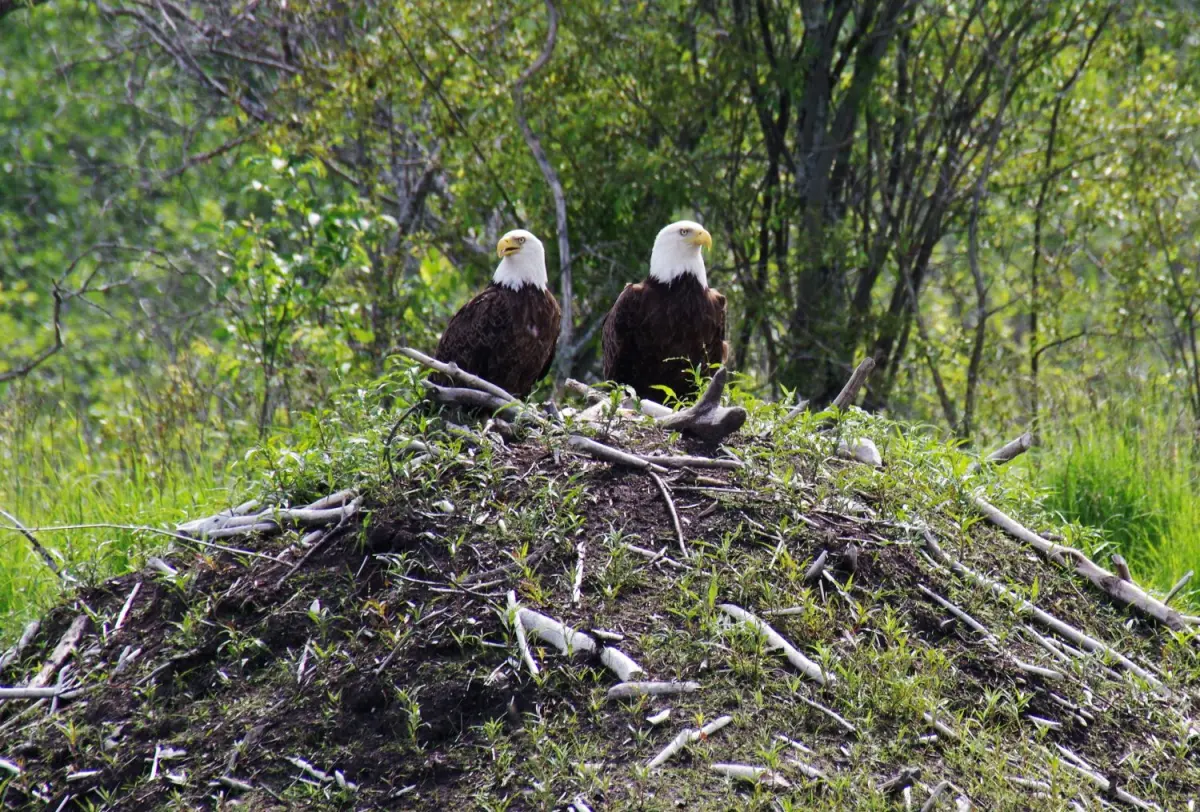
The survival of a bald eagle is heavily dependent on its ability to master hunting and navigation skills early in life. Young eagles, known as juveniles, spend their first four to five years developing the necessary plumage and hunting techniques required to compete with established adults. During this period, many succumb to accidents or an inability to secure enough food.
Environmental threats remain the most significant obstacles for the species. Common risks include:
- Ingesting lead fragments from scavenging on carcasses shot with lead ammunition.
- Collisions with power lines, wind turbines, or motor vehicles.
- Habitat loss due to human development near nesting sites.
- Exposure to environmental toxins like pesticides that persist in the food chain.
Conservation efforts, such as the banning of DDT in the 1970s, have been instrumental in stabilizing populations and allowing more individuals to reach their full biological potential.
How to identify an eagle's age in the wild?
Determining the age of a bald eagle by sight requires observing specific physical characteristics that change as the bird matures. A bald eagle does not acquire its iconic white head and tail feathers until it reaches sexual maturity, which typically occurs between four and five years of age. Before this, they pass through several distinct plumage stages.
- First-year birds are mostly dark brown with mottled white patches and dark bills.
- Second-year birds show more white in the underwings and a lighter, more yellowish bill.
- Third-year birds begin to show a more defined white head, though it remains streaked with brown.
- By the fifth year, they display the classic white head and tail with a bright yellow beak.
By observing these patterns, researchers can track individual birds and gain better data on population demographics and average life expectancy within a specific region.
Common mistakes when observing bald eagles
When attempting to observe bald eagles, the most common mistake is approaching the birds too closely, which can cause significant stress. Eagles are highly sensitive to human presence, especially during the nesting season. If a parent feels threatened, it may abandon the nest, leaving eggs or chicks vulnerable to predators or harsh weather conditions.
To observe them responsibly, follow these guidelines:
- Use binoculars or a spotting scope rather than trying to get physically close.
- Remain inside your vehicle if you are near a road, as it acts as a natural blind.
- Avoid making loud noises or sudden movements that could startle the birds.
- Respect posted signs near nesting areas, which are often closed during the breeding season to protect the family unit.
By maintaining a respectful distance, you ensure that your presence does not interfere with the natural behaviors necessary for the eagle to thrive and reach its natural lifespan.
Key facts
- Wild bald eagles typically live between 20 and 30 years.
- Captive bald eagles can live significantly longer, sometimes reaching 50 years or more.
- Mortality rates are highest during the first year of life, with nearly 50 percent of fledglings not surviving their first winter.
- Lead poisoning from scavenging carcasses containing lead shot is a leading cause of premature death.
- Collisions with vehicles and power lines pose major threats to eagles as they hunt near roads.
- Bald eagles reach sexual maturity and begin breeding between four and five years of age.
The bottom line
The lifespan of a bald eagle is largely defined by the transition from a vulnerable fledgling to a resilient apex predator. While wild eagles typically survive for two to three decades, environmental hazards like lead poisoning and collisions remain constant threats. By protecting their habitats and reducing human-related dangers, we ensure these majestic birds continue to thrive in the wild for many years to come.
People also ask
Do bald eagles mate for life?
Bald eagles are generally monogamous and often remain with the same partner for many years. However, if one mate dies or fails to reproduce, the survivor will typically seek a new partner to continue the breeding cycle.
How can you tell the age of a bald eagle?
A bald eagle’s age can be estimated by its plumage. Young eagles have dark brown feathers and mottled white patches, while the iconic white head and tail feathers do not appear until the bird reaches maturity at about five years old.
What is the primary cause of death for adult bald eagles?
Human-related activities, specifically trauma from vehicle strikes and electrocution from power lines, are the most common causes of death for adults. Environmental toxins, such as pesticides and lead, also significantly impact their longevity.
Do bald eagles have natural predators?
Adult bald eagles have no natural predators in the wild, as they are apex predators themselves. Eggs and nestlings, however, may be threatened by climbing animals like raccoons, or by larger raptors such as great horned owls.
Does the bald eagle population continue to grow?
Yes, the population has shown a remarkable recovery since the species was removed from the endangered list in 2007. Conservation efforts, including the ban of DDT and habitat protection, have allowed their numbers to increase steadily across North America.
How large is a typical bald eagle nest?
Nests are massive structures often measuring five to six feet in diameter and weighing up to a ton. Eagles use the same nest year after year, adding new material to the structure each season to reinforce it.
This answer was created with the help of AI research tools and reference sources. Spotted an error? Let us know — we correct mistakes quickly. See our editorial policy.

