What is the difference between a novel and a novella?
Short answer
The primary difference between a novel and a novella is length and narrative complexity. Novels typically exceed 40,000 to 50,000 words, allowing for multiple subplots and extensive character arcs. Novellas generally fall between 17,500 and 40,000 words, focusing on a singular, intense conflict with limited scope and fewer characters.
On this page
How long is a novel vs a novella
Word count is the most common metric used by publishers and literary organizations to distinguish these formats. While there is no rigid legal definition, the Science Fiction and Fantasy Writers Association (SFWA) provides widely accepted industry standards. A short story is generally defined as under 7,500 words, while a novelette sits between 7,500 and 17,500 words. The novella category occupies the space between 17,500 and 40,000 words. Anything exceeding 40,000 words is typically classified as a novel.
These thresholds help bookstores and libraries categorize works, but they also reflect the structural demands of the writing. A novel requires enough length to support complex subplots, extensive world-building, and the slow evolution of multiple characters. A novella, by contrast, must remain lean. Because it is shorter, it lacks the space for meandering side stories or secondary character arcs that do not directly serve the central theme.
How to identify a novella
Novellas are characterized by their focus and economy of language. Where a novel might span years or cover the lives of several generations, a novella often concentrates on a single event, a brief period, or a specific emotional transformation. This format demands that every scene contribute directly to the climax. There is little room for "filler" or long-winded descriptive passages that do not advance the primary narrative.
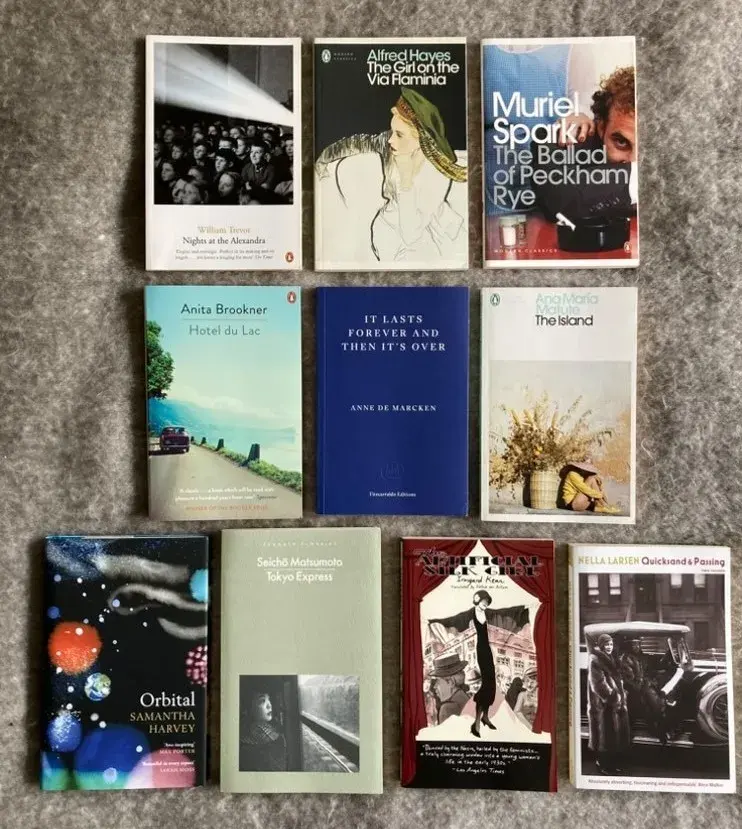
Classic examples of the novella demonstrate this focused intensity. Consider these famous works:
- The Old Man and the Sea by Ernest Hemingway: A singular struggle between a fisherman and a marlin.
- Animal Farm by George Orwell: An allegory contained within a brief, tightly controlled timeline.
- The Metamorphosis by Franz Kafka: A story centered on a single, surreal event and its immediate aftermath.
- A Christmas Carol by Charles Dickens: A narrative that moves rapidly through a specific, transformative experience.
Why authors choose the novella format
Authors often choose the novella format when a story is too long for a short story collection but too narrow in scope for a full-length novel. It allows for a deep dive into a character's psyche without the need for the expansive world-building that a novel demands. This format is particularly effective for psychological thrillers, satires, or stories that rely on a single, powerful metaphor to drive the plot forward.
Writing a novella offers several practical advantages for both writers and readers:
- It provides a complete, satisfying narrative arc in a single sitting.
- It allows authors to experiment with experimental styles or risky themes that might feel exhausting if stretched over 300 pages.
- It serves as a perfect vehicle for stories that require a high level of narrative tension from the first page to the last.
Common mistakes when writing a novella
A frequent error writers make is attempting to cram a "novel-sized" plot into a novella word count. This often results in a rushed narrative where character development feels unearned or the ending feels abrupt. If a story requires three subplots and ten major characters to make sense, it is likely a novel. Trying to compress such a story into 30,000 words will inevitably lead to a lack of emotional resonance.
Another mistake is failing to maintain a high level of narrative momentum. Because the novella is short, the reader expects a consistent pace. If you find yourself writing long, descriptive chapters that do not move the plot or reveal character, you are likely using a novelistic approach that does not fit the format. Keep your focus sharp, ensure the stakes are clear early on, and avoid unnecessary digressions that distract from the core conflict.
How to decide which format to use
Choosing between a novel and a novella depends entirely on the scope of your idea. Before you begin drafting, outline your story and count your prospective subplots. If your concept revolves around a singular, intense realization or a specific, time-bound conflict, it is likely a novella. If your concept involves a sprawling cast, multiple locations, or a timeline that spans months or years, it is almost certainly a novel.
To determine your path, follow these steps:
- Map out the major turning points of your story.
- Identify how many characters are essential to the resolution.
- Assess whether your theme requires a slow burn or a quick, sharp impact.
- If you find yourself adding scenes just to reach a higher word count, reconsider the scope of your project.
Ultimately, the best format is the one that allows your story to breathe without becoming bloated or thin. Whether you choose the expansive canvas of a novel or the focused intensity of a novella, the success of the work depends on how well you execute your chosen structure.
Key facts
- A novella typically ranges from 17,500 to 40,000 words, whereas a novel usually exceeds 40,000 words.
- Novels often feature multiple subplots and complex character arcs, while novellas focus on a single, intense narrative thread.
- The term "novella" originates from the Italian word novella, meaning "new" or "story," popularized by Boccaccio’s Decameron in the 14th century.
- Novellas are often published as standalone books or in collections because their length is too long for a short story but too short for a standard trade novel.
- When writing, avoid the mistake of "padding" a novella with unnecessary subplots; keep the pacing tight and the scope focused.
- Famous examples of novellas include George Orwell’s Animal Farm and Ernest Hemingway’s The Old Man and the Sea.
The bottom line
The primary difference between a novel and a novella lies in length and narrative complexity. While novels offer expansive worlds with multiple subplots, novellas provide a concentrated, singular focus that delivers a punchy reading experience. Understanding these distinctions helps writers choose the right format for their story ideas and assists readers in knowing exactly what kind of narrative depth to expect when picking up a new book.
People also ask
Can a novella be part of a series?
Yes, novellas are frequently used to bridge gaps between full-length novels in a series. These "bridge" stories allow authors to explore secondary characters or specific events without committing to a full-length book.
Is there a minimum word count for a novel?
While there is no universal law, most publishers and literary agents consider 40,000 words the threshold for a novel. Anything below that is generally classified as a novella or a long short story.
Do novellas have a different structure than novels?
Novellas often lack the extensive subplots and wide cast of characters found in novels. They prioritize a singular, focused conflict that builds rapidly toward a climax without the detours common in longer works.
Are novellas harder to sell to traditional publishers?
Historically, novellas have been difficult to sell because they do not fit standard retail pricing models. However, the rise of digital publishing has made them significantly more popular and accessible to readers.
How do I know if my story is a novella or a novel?
Evaluate the complexity of your plot; if you have one main conflict and a small cast, it is likely a novella. If your story requires multiple perspectives and subplots to feel complete, it is likely a novel.
Can a short story be considered a novella?
No, a short story is significantly shorter, usually ranging from 1,000 to 7,500 words. A novella provides more depth, character development, and narrative space than a short story can typically accommodate.
This answer was created with the help of AI research tools and reference sources. Spotted an error? Let us know — we correct mistakes quickly. See our editorial policy.